
The healthcare world is changing, and a big part of that change is thanks to cloud technology. It’s not just about storing files online anymore; it’s fundamentally changing how doctors and nurses care for people, how hospitals run, and how we all manage our health. Think of it as a behind-the-scenes upgrade that makes everything smoother, faster, and more connected. This shift is making patient care better, operations more efficient, and paving the way for future medical breakthroughs. Let’s look at how cloud technology in healthcare is making such a big difference.
Key Takeaways
- Cloud technology in healthcare gives doctors better access to complete patient information, helping them make smarter decisions.
- Hospitals and clinics can save money and run more smoothly by using cloud services for their operations and administrative tasks.
- Keeping patient data safe and meeting regulations is easier with cloud solutions, which also help speed up medical research.
- The cloud connects different parts of the healthcare system, making it easier to share information and involve patients more directly in their own care.
- Future healthcare will rely even more on the cloud, integrating things like AI, smart devices, and creating organizations that can adapt and learn quickly.
Enhancing Patient Care Through Cloud Technology
It’s pretty amazing how much technology has changed the way we get medical help, right? Cloud computing is a big part of that, making things smoother for both patients and the folks taking care of us. Think about it: all that important health information, from your past visits to your latest lab results, can be stored and accessed from pretty much anywhere. This means doctors and nurses have a clearer picture of your health history, no matter where you are or who you’re seeing.
Improving Access to Comprehensive Patient Information
Before the cloud, getting all your medical records together could be a real headache. You might have had to track down records from different clinics or hospitals, and sometimes things got lost in translation. Now, with cloud-based systems, your health data can be centralized. This makes it way easier for authorized medical professionals to see the full story. It’s super helpful in emergencies, when you’re seeing a new specialist, or even if you just move to a different town. Having all this accurate, up-to-date info means fewer mistakes, less repeating tests, and better coordinated care. For you, it means a less stressful experience and more confidence that your doctor knows what’s going on.
Enabling Data-Driven Clinical Decision-Making
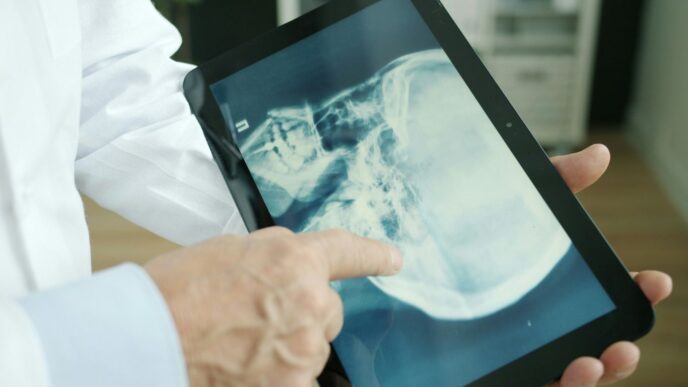
Doctors used to rely mostly on their own experience and the information right in front of them. The cloud changes that. It pulls together data from all sorts of places – your electronic health records, X-rays, lab work, even information from those fitness trackers you might wear. When all this data is in one place, clinicians get a much better, more current view of your health. There are also smart systems, running on the cloud, that can spot potential risks or suggest treatments based on the latest medical knowledge. These tools don’t replace a doctor’s judgment, but they give them extra information to make the best choices for you.
Here’s a quick look at how data helps:
- Risk Identification: Spotting potential health issues before they become serious.
- Treatment Suggestions: Recommending care options backed by evidence.
- Trend Analysis: Understanding patterns in patient health over time.
Facilitating Continuous Learning Healthcare Systems
Healthcare is always learning and improving, and the cloud helps speed that up. Think of it like a giant, shared brain for medical knowledge. When data from many patients is collected and analyzed in the cloud, we can learn what treatments work best for different conditions and for different people. This information can then be shared quickly with doctors and researchers everywhere. It helps create systems where we’re constantly getting better at providing care based on real-world results. This means faster medical breakthroughs and better care for everyone down the line.
Transforming Healthcare Operations with Cloud Computing
So, how exactly is the cloud changing the day-to-day grind in hospitals and clinics? It’s not just about faster computers; it’s a whole new way of doing things. Think about all the paperwork and back-and-forth that used to happen. Cloud technology is really cleaning that up.
Achieving Significant Cost Reductions
Let’s be honest, healthcare is expensive. Running all those servers and maintaining complex IT systems in-house costs a fortune. Cloud computing flips that script. Instead of buying and managing all that hardware, healthcare providers can rent what they need. This means less money spent on physical equipment, less on the staff to maintain it, and less on energy bills to keep it all running. It’s a smarter way to manage resources.
- Reduced Capital Expenses: No need to buy big, expensive servers upfront.
- Predictable Operating Costs: Pay for what you use, making budgeting easier.
- Lower Maintenance Overhead: The cloud provider handles updates and repairs.
Streamlining Administrative Tasks for Clinicians
Doctors and nurses spend way too much time on paperwork. It takes away from what they do best: caring for patients. Cloud-based systems can automate a lot of these tasks. Imagine appointment scheduling, billing, and even managing patient records becoming much simpler. This frees up valuable time for healthcare professionals to focus on patient care, which is the whole point, right?
- Automated Record Keeping: Less manual data entry means fewer errors and more time for patients.
- Simplified Scheduling: Online portals and automated reminders cut down on no-shows and administrative backlogs.
- Faster Information Retrieval: Accessing patient histories or test results takes seconds, not minutes or hours.
Boosting Operational Efficiency and Patient Experience
When operations run smoothly, everyone benefits. Cloud technology helps different departments talk to each other better. This means less waiting for patients, quicker diagnoses, and more coordinated care. Think about getting test results back faster or being able to schedule follow-up appointments without a hassle. These improvements add up to a much better experience for patients, making them feel more cared for and less frustrated. It also means healthcare facilities can handle more patients without feeling overwhelmed, making the whole system work better.
Securing and Innovating with Cloud in Healthcare
When we talk about putting patient information in the cloud, the first thing that pops into most people’s minds is security. It’s a big deal, right? We’re talking about really sensitive stuff. But here’s the thing: modern cloud platforms are actually built with security as a top priority, often more so than what many hospitals could manage on their own.
Enhancing Data Security and Regulatory Compliance
Think about it. The big cloud companies pour tons of money into keeping things safe. They use fancy encryption, keep a close eye on who’s accessing what, and have systems to spot trouble before it gets out of hand. This means patient data is better protected from hackers and unauthorized eyes. Plus, these cloud systems are designed to help healthcare places stick to all those complicated rules, like HIPAA. They keep records of who did what and when, and make sure only the right people can see certain information. It’s not about compromising security; it’s about making it stronger.
Accelerating Healthcare Innovation and Research
Beyond just keeping things safe, the cloud is a game-changer for coming up with new ideas and doing research. It’s like having a super-powered lab that’s always available. Researchers can get their hands on massive amounts of computing power and data without needing to buy and set up all sorts of expensive equipment themselves. This speeds up everything from testing new treatments to analyzing patient outcomes on a large scale. Imagine clinical trials running smoother because data is collected and analyzed more efficiently, or public health officials getting real-time information during a crisis to make quicker decisions. The cloud makes it easier and faster to discover new ways to help people.
Integrating Patient Feedback Into Digital Care Models
And what about the patients themselves? Their experience matters a lot. Cloud-based tools, like patient portals or apps, make it much simpler to gather feedback. You can easily send out surveys, track how people are using digital services, and see what’s working and what’s not. This information is gold for making improvements. By actively listening to what patients say and how they interact with these digital tools, healthcare providers can make sure the technology is actually helping them and not just adding another layer of complexity. It builds trust and leads to better care.
Building Connected Healthcare Ecosystems

Healthcare isn’t just about doctors and hospitals anymore. It’s becoming a big network, linking up doctors, patients, insurance folks, pharmacies, labs, researchers, and even public health agencies. Cloud technology is the glue holding all these pieces together.
Supporting Interoperability and Health Information Exchange
Think about it: your medical history is probably scattered across a few different places. Cloud platforms make it possible for all these different systems to talk to each other. This means your doctor can actually see the full picture, not just the part they’re responsible for. It cuts down on delays and mistakes because information can move smoothly between providers. This interconnectedness is key to making sure patient care isn’t chopped up into little bits but flows with you throughout your health journey.
Here’s how it helps:
- Shared Records: Different clinics and hospitals can access your records (with permission, of course).
- Better Coordination: When everyone has the same info, care plans can be coordinated more effectively.
- Reduced Errors: Less chance of duplicate tests or missed information.
Empowering Patients Through Digital Engagement
Cloud tech also puts more power in your hands. You can often access your own health records online, schedule appointments, and even communicate with your care team through secure portals. This makes managing your health a lot easier and more convenient. Plus, with wearable devices and health apps, your data can be collected continuously, giving you and your doctor a better understanding of your health trends over time. This is especially helpful for managing long-term conditions or just staying on top of your wellness.
Redefining the Patient-Provider Relationship
When information flows freely and patients are more involved, the relationship between you and your healthcare provider changes. It becomes more of a partnership. Providers can use the data from various sources to make more informed decisions, and patients can be more active participants in their own care. This shift means care can be more personalized and proactive, moving beyond just treating sickness to actively promoting well-being. It’s about building a healthcare system that’s more responsive to individual needs and works better for everyone involved.
The Future of Cloud-Enabled Patient Care
Looking ahead, it’s clear that cloud technology isn’t just a tool for today’s healthcare; it’s the foundation for what’s next. We’re talking about a future where care is more connected, more predictive, and tailored specifically to each person.
Leveraging AI and Machine Learning Advancements
Artificial intelligence and machine learning are set to really change the game. Think about systems that can spot potential health issues before they become serious problems, just by looking at patterns in your health data. The cloud makes it possible to process the massive amounts of information needed for these AI tools to work effectively. This means doctors could get smarter suggestions for treatments, and we might even see new ways to predict disease outbreaks.
Integrating Internet of Things Devices
Those smartwatches and other health trackers you might be using? They’re part of the Internet of Things (IoT). In the future, these devices will send even more health information directly to your care team, all thanks to cloud platforms. This constant stream of data, from blood pressure readings to activity levels, gives a much fuller picture of your health outside of doctor visits. It allows for quicker check-ins and adjustments to care plans.
Building Resilient, Learning-Oriented Organizations
Healthcare organizations themselves will become more adaptable. Cloud systems are built to be reliable, meaning they can keep running even if something goes wrong, which is super important for patient safety. Plus, by collecting and analyzing data from everything – from patient feedback to how well treatments are working – these organizations can constantly learn and get better. It’s about creating a system that improves itself over time, making patient care better and better.
Looking Ahead
So, what does all this mean for patient care down the road? Basically, cloud tech isn’t just a fancy IT upgrade; it’s changing how doctors and nurses work and how we all get treated. It helps keep information flowing, makes care more personal, and even helps us spot health issues before they get bad. It’s a big shift, sure, and it means everyone in healthcare needs to get on board with new ways of doing things. But when we get it right, the cloud helps make care safer, smarter, and just plain better for everyone involved. It’s the foundation for what healthcare will look like for years to come.
Frequently Asked Questions
What exactly is cloud computing in healthcare?
Think of cloud computing like using services on the internet instead of having big, clunky computers in your doctor’s office. It means storing patient information, using special medical software, and accessing health tools online. This makes it easier for doctors and nurses to get the information they need, whenever they need it, from almost anywhere.
How does the cloud help doctors make better decisions?
The cloud can gather lots of patient information from different places – like past visits, lab results, and even data from fitness trackers. It then uses smart tools to help doctors see the whole picture and spot potential problems early. This helps them make quicker and more informed choices about treatments.
Is my health information safe in the cloud?
Yes, security is a top priority. Cloud companies that work with healthcare invest a lot in protecting patient data with strong digital locks and constant watchfulness. They also follow strict rules to keep your information private and secure, often better than older systems.
Can patients use the cloud to manage their health too?
Absolutely! Many doctors’ offices use cloud-based websites or apps called patient portals. These let you see your health records, schedule appointments, message your doctor, and even get health tips. It puts you more in charge of your own health journey.
Does cloud technology help hospitals save money?
It sure does! Instead of buying and maintaining expensive computer equipment, hospitals can rent what they need from cloud providers. This ‘pay-as-you-go’ approach often costs less and lets them spend more on actual patient care and improving facilities.
How will the cloud change healthcare in the future?
The cloud is like the engine for future healthcare. It will connect more devices, like smartwatches, to help monitor health remotely. It will also help artificial intelligence (AI) learn faster to predict illnesses and suggest personalized treatments, making healthcare smarter and more focused on you.