For a long time, if you wanted an electric SUV, the Tesla Model Y was pretty much the only option. It was the default choice, you know? But things are changing fast. Now, Rivian is stepping up with its new R2, aiming to take on Tesla directly. This isn’t just about specs anymore; it’s about who can offer the better package for everyday drivers and adventurers alike. We’re looking at the Rivian vs Tesla debate in 2026, and it’s getting interesting.
Key Takeaways
- The Rivian R2 is positioned as a direct competitor to the Tesla Model Y, aiming to capture a similar market but with an added focus on adventure and utility.
- While Tesla has dominated the electric SUV space, its designs are starting to feel a bit dated, opening the door for newer brands like Rivian to attract buyers looking for something fresh.
- Rivian’s R2 boasts superior off-road capabilities with better ground clearance and approach/departure angles compared to the Model Y, making it more versatile for outdoor activities.
- The R2 offers more interior cargo space and a unique camping-friendly interior design, appealing to those who value practicality and a connection to the outdoors.
- Despite a slightly higher starting price, the Rivian R2’s focus on a distinct lifestyle brand and its functional design could draw in “Tesla refugees” seeking a different kind of EV experience.
The Shifting Landscape Of Electric SUVs
Tesla’s Reign And The Invitation To Disruption
For a good while there, if you wanted an electric SUV that was actually good, the Tesla Model Y was pretty much it. It was the default choice, the one everyone seemed to get. But, you know, being the default is a tricky spot to be in. It can make a company a little too comfortable, and comfort? Well, that’s usually when someone else sees an opening.
The Growing Competition Beyond Rivian
It’s not just a two-way street anymore. The electric SUV market in 2026 is getting seriously crowded. You’ve got cars like the Chevy Equinox EV coming in with a lower price tag, and then you have vehicles like the Lucid Gravity aiming for the high end with tons of range and luxury. But Rivian is still the one to watch for Tesla. They’re one of the few companies that only makes EVs, and they’ve managed to build a brand that people actually feel something for, not just see as another appliance.
Rivian’s Strategic Pivot To The Mass Market
Rivian’s earlier models, the R1S and R1T, were pretty cool and definitely showed what they were about – think outdoor adventures and rugged capability. But they were pricey, so they didn’t really shake up Tesla’s sales numbers much. The R2 is a different story. By bringing that same adventurous vibe to a more affordable SUV, Rivian isn’t just releasing a new car; they’re making a direct play for the customers who might have otherwise just bought a Tesla. This move is all about making adventure accessible to more people.
Design Philosophy: Adventure Meets Minimalism
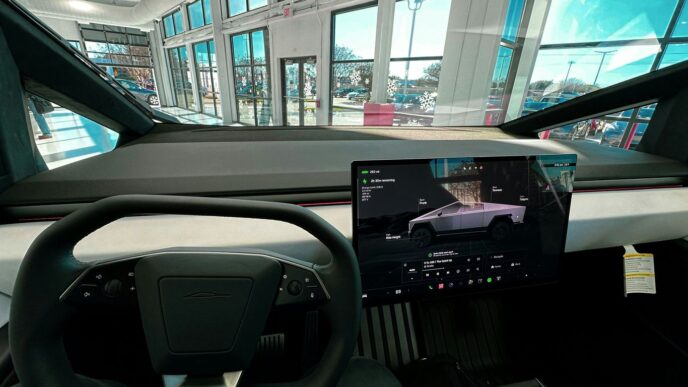
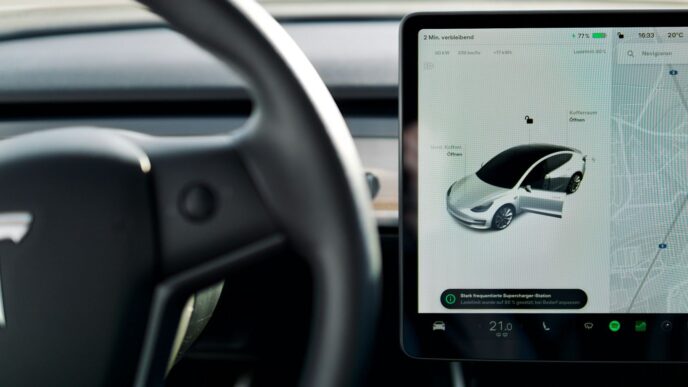
When you look at the Rivian R2 and the Tesla Model Y side-by-side, it’s clear they come from different worlds, even though they’re both electric SUVs. Tesla’s Model Y is all about that minimalist vibe. Think clean lines, a smooth exterior, and an interior that’s pretty much just a big screen and a few buttons. It’s efficient, sure, and it looks sleek, but sometimes it feels a bit… sterile. It’s like they designed it to be a computer on wheels, which is cool for some, but maybe not everyone wants that.
Then there’s the Rivian R2. It takes the rugged, outdoorsy look of its bigger siblings, the R1S and R1T, and shrinks it down. It’s got this functional personality. It feels like a tool built for getting out there, not just for driving to the grocery store. Rivian seems to have paid attention to what people actually want in a car. You get physical controls, like those scroll wheels on the steering wheel that actually feel like something when you turn them. Plus, they’ve designed it so you can fold the seats down flat, turning the whole back into a pretty decent camping spot. That’s something the Model Y, with its sloped roof, just can’t do.
Here’s a quick look at how they approach things:
- Rivian R2: Focuses on utility, durability, and a connection to the outdoors. It’s designed to be used and abused a little.
- Tesla Model Y: Prioritizes aerodynamics, simplicity, and a tech-forward experience. It’s about efficiency and a clean aesthetic.
It’s a real difference in how they think about what an SUV should be. One is about getting away from it all, and the other is about getting everywhere with maximum efficiency.
Performance And Capability Showdown
When you’re looking at electric SUVs, especially in 2026, it’s not just about how fast they go from zero to sixty. We need to talk about what these vehicles can actually do. This is where the Rivian R2 and the Tesla Model Y really start to show their different personalities.
Off-Road Prowess: Ground Clearance and Angles
This is a big one for the R2. Rivian has clearly designed this SUV with more than just city streets in mind. It boasts a seriously impressive 9.6 inches of ground clearance. That’s a good chunk more than the Model Y, which hovers around 6 to 6.6 inches, depending on the specific setup. What does that mean in the real world? It means the R2 can handle rougher terrain without scraping its undercarriage. Plus, Rivian is quoting some pretty solid approach and departure angles – 25 degrees and 26 degrees, respectively. These numbers are important because they tell you how steep an incline or decline the vehicle can tackle without hitting the ground. Tesla doesn’t really publish these figures for the Model Y, and honestly, it’s probably because it’s not really built for that kind of adventure. The R2’s numbers suggest it’s ready for more than just a gravel road.
Driving Modes and Electronic Aids
Both vehicles use electronic aids to manage traction, especially when things get slippery. The R2 comes standard with a few useful driving modes: All-Purpose, Conserve, Snow, and Sport. If you step up to the Premium trim, you get an All-Terrain mode added to the mix. The top-tier Performance model even throws in Rally and Soft Sand modes. This gives drivers a lot of control over how the vehicle behaves in different conditions. The Model Y also has various traction control settings, but Rivian seems to be offering a more granular approach for specific scenarios, particularly those off the beaten path. It’s worth noting that neither vehicle has mechanical locking differentials, so they’re relying heavily on smart software to keep things moving when one wheel loses grip. It’s a common setup for EVs, but something to keep in mind if you plan on doing serious off-roading.
Acceleration and Power Figures
Okay, let’s talk speed. While the R2 is built for capability, it doesn’t slouch on power. The entry-level R2 Standard RWD is estimated to hit 60 mph in 5.9 seconds. Step up to the Premium AWD model, and that drops to a much quicker 4.6 seconds. If you opt for the Performance AWD version, you’re looking at a seriously fast 3.6-second 0-60 mph time. That’s genuinely quick for an SUV. The Tesla Model Y, especially in its Performance trim, is also a rocket. While exact 2026 figures might vary slightly, it’s known for its rapid acceleration, often matching or even beating the R2’s quicker trims. However, the R2’s appeal here isn’t just about straight-line speed; it’s about how that power is delivered, especially when combined with its more rugged capabilities. It feels like a different kind of performance, one that’s ready for anything, not just the drag strip. For those interested in the broader EV landscape, understanding these performance metrics is key when comparing different models, like the Tesla Model X versus its competitors.
Range, Charging, And Battery Technology
When you’re looking at electric SUVs, especially for trips that might take you further afield, the battery and how you charge it are pretty big deals. It’s not just about how far you can go on a single charge, but also how quickly you can top up when you need to.
Battery Capacity And Estimated Range
Rivian is offering the R2 with a couple of battery options. The standard setup, which they say will be available later in 2027, is expected to get you over 275 miles. But if you opt for the larger 87.9 kWh pack, which should be available sooner, Rivian estimates you’ll get up to 345 miles on the R2 Long Range model. The all-wheel-drive versions, both the Premium and Performance, are estimated to hit around 330 miles with that same larger battery.
For comparison, the Tesla Model Y has a few different battery sizes, with the largest topping out around 79 kWh. The Model Y Rear-Wheel Drive is rated for about 321 miles, while the All-Wheel Drive versions range from 294 miles up to 357 miles for the Premium Rear-Wheel Drive. The Model Y Performance is rated for about 306 miles.
Here’s a quick look at how they stack up:
| Vehicle Trim | Usable Battery Capacity | Estimated Range (Rivian est. unless noted) | Price (incl. destination) |
|---|---|---|---|
| Tesla Model Y Rear-Wheel Drive | TBC | 321 miles | $41,630 |
| Tesla Model Y All-Wheel Drive | TBC | 294 miles | $43,630 |
| Rivian R2 Standard RWD (late 2027) | TBC | 275+ miles | $46,495 |
| Tesla Model Y Premium Rear-Wheel Drive | TBC | 357 miles | $46,630 |
| Rivian R2 Standard RWD Long Range (early 2027) | 87.9 kWh | 345 miles | $49,985 |
| Tesla Model Y Premium All-Wheel Drive | TBC | 327 miles | $50,630 |
| Rivian R2 Premium AWD (early 2027) | 87.9 kWh | 330 miles | $55,485 |
| Tesla Model Y Performance | TBC | 306 miles | $59,130 |
| Rivian R2 Performance AWD (Spring 2026) | 87.9 kWh | 330 miles | $59,485 |
Charging Infrastructure Considerations
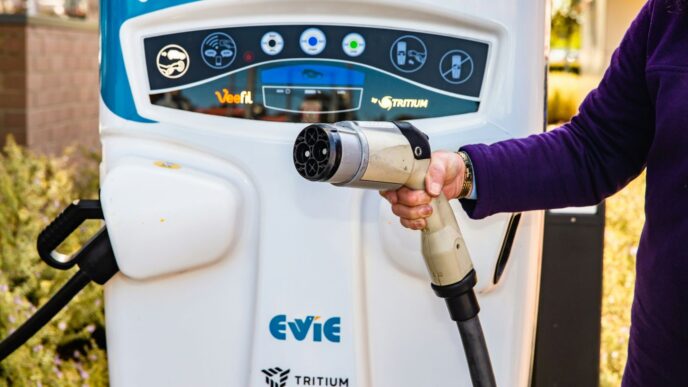
This is where things get interesting. Both the Rivian R2 and the Tesla Model Y are adopting the North American Charging Standard (NACS) port. What this means for R2 owners is they’ll be able to plug into Tesla’s Supercharger network, which is a pretty big deal. This access significantly reduces charging anxiety for potential Rivian buyers.
Rivian says the R2 can go from 10% to 80% charge in about 29 minutes, though they haven’t released specific charging speeds yet. It’s likely using a 400-volt system, similar to the R1 and Model Y. Tesla, on the other hand, claims the Model Y can add up to 182 miles of range in just 15 minutes at a Supercharger for some trims, while others might add around 144 miles in the same timeframe. So, while the R2’s charging time is competitive, Tesla still has a slight edge in advertised rapid charging speed for adding miles.
Comparing Battery Pack Sizes
As we saw in the table, the Rivian R2 is coming with a larger usable battery capacity in its higher-trim, longer-range models compared to the Tesla Model Y. The R2’s 87.9 kWh pack is a step up from the Model Y’s largest known pack, which is around 79 kWh. This larger capacity is a key factor in the R2’s ability to offer competitive, and in some configurations, slightly better estimated range figures, especially when you consider its more adventure-focused design.
- Rivian R2: Offers a larger 87.9 kWh battery option for extended range and capability.
- Tesla Model Y: Utilizes battery packs up to approximately 79 kWh, focusing on efficiency and a broad range of trims.
- Charging Network Access: Both vehicles benefit from widespread charging, with the R2 gaining access to Tesla’s Supercharger network via NACS.
Dimensions And Practicality
When you’re looking at electric SUVs like the Rivian R2 and the Tesla Model Y, how they measure up in terms of size and what you can actually do with the space inside is pretty important. It’s not just about how they look, but how they fit into your life, whether that’s for daily commutes or weekend getaways.
Exterior Dimensions: A Closer Look
Let’s get down to the nitty-gritty. The Rivian R2 is built on a new mid-size platform, and its dimensions are pretty close to the Model Y. It’s a bit wider and taller than the Tesla, and its wheelbase is a little longer, giving it a slightly more substantial presence on the road. However, the Model Y is a touch longer overall. It’s interesting how these numbers can make a difference in how a vehicle feels.
| Feature | Rivian R2 | Tesla Model Y |
|---|---|---|
| Length | 185.9 inches | 188.7 inches |
| Width | 84.7 inches | 83.8 inches |
| Height | 66.9 inches | 63.8 inches |
| Wheelbase | 115.6 inches | 113.8 inches |
| Ground Clearance | 9.6 inches | 6.0-6.6 inches |
Cargo Capacity And Storage Solutions
This is where things get really interesting for practicality. The R2 seems to have a bit of an edge here, especially if you’re someone who likes to pack a lot in. It boasts a larger total cargo capacity than the Model Y. While the Model Y has a slightly bigger rear cargo area, the R2 makes up for it with a more generous front trunk (frunk) and overall clever storage solutions throughout the cabin. Rivian’s focus on utility really shows in how they’ve designed the storage spaces.
- Rear Cargo Volume: R2 offers 28.7 cu ft, Model Y has 29 cu ft.
- Front Trunk (Frunk): R2 provides 5.2 cu ft, Model Y has 4.1 cu ft.
- Total Cargo Capacity: R2 reaches 90.1 cu ft, Model Y tops out at 75.5 cu ft.
Interior Space And Versatility
Beyond just cargo numbers, the interior layout matters. The R2 is designed with a "functional personality," meaning it’s built to be used. One of the standout features is its ability to fold completely flat, turning the cabin into a potential sleeping or camping space. This is a big win for anyone who loves the outdoors and wants their SUV to be more than just a way to get around. The Model Y, with its sleek, minimalist design, is comfortable, but it doesn’t quite offer that same level of adventure-ready versatility. For those looking for an EV that can truly adapt to an active lifestyle, the R2’s interior flexibility is a major draw. It’s good to know that you can get a capable electric SUV that also handles your adventurous needs.
Pricing And Value Proposition
Comparing Starting Prices Across Trims
When you look at the sticker price, the Tesla Model Y still holds a bit of an edge, especially at the entry level. The most basic Model Y Rear-Wheel Drive kicks off around $41,630. That’s pretty attractive if you’re just looking for a solid electric daily driver without too many bells and whistles. Rivian’s R2, on the other hand, starts a bit higher. The Standard Rear-Wheel Drive R2 is listed from $46,495. So, right off the bat, Tesla looks more budget-friendly.
But here’s where things get interesting. As you move up the trim levels, that price gap shrinks considerably. For instance, the top-tier Model Y Performance comes in just under $59,130. The Rivian R2 Performance All-Wheel Drive, especially with the Launch Package, is priced at $59,485. That’s only a $355 difference! It shows Rivian is really trying to compete directly with Tesla, even in the higher-end configurations.
Long-Term Value And Cost Of Ownership
Thinking about the long haul, both vehicles offer a compelling case for EV ownership. The initial purchase price is just one piece of the puzzle, right? You’ve got to consider things like maintenance, insurance, and, of course, charging costs. Tesla has always been strong here, with its established charging network and generally lower service costs compared to traditional automakers. However, Rivian is making strides. They’ve gained access to Tesla’s Supercharger network, which is a massive win for R2 buyers, effectively erasing "charging anxiety." While Rivian’s service infrastructure is still growing, the focus on building out more service centers and mobile units aims to keep ownership hassle-free. For buyers looking beyond just the initial transaction, the R2’s promise of rugged utility and a more lifestyle-oriented approach might offer a different kind of long-term value that the Model Y, with its more utilitarian focus, doesn’t quite capture.
The Accessible Adventurer: Rivian R2’s Appeal
What Rivian is doing with the R2 is pretty smart. They’re taking the "adventure" vibe that made their R1 models popular and making it more attainable. While the R1 was a premium, larger vehicle, the R2 is designed to fit into more people’s lives and garages. It offers features like a fold-flat interior that can turn into a makeshift campsite, and a towing capacity of up to 4,400 pounds, which is more than the Model Y can handle. These aren’t just specs; they’re invitations to a certain kind of lifestyle. For folks who love the idea of weekend getaways and outdoor activities but don’t want to break the bank or buy a massive SUV, the R2 hits a sweet spot. It’s positioned as a vehicle that enables exploration without demanding a premium price tag that puts it out of reach for many.
| Trim Level | Starting Price (Est.) | Estimated Range | Key Features |
|---|---|---|---|
| Rivian R2 Standard RWD | $46,495 | 275+ miles | Standard battery, RWD |
| Rivian R2 Standard RWD LR | $49,985 | 345 miles | Long Range battery, RWD |
| Rivian R2 Premium AWD | $55,485 | 330 miles | Higher power AWD, larger battery |
| Rivian R2 Performance AWD | $59,485 | 330 miles | Max power AWD, Launch Package option, Tow Package |
| Tesla Model Y Rear-Wheel Drive | $41,630 | ~270 miles | Entry-level, RWD |
| Tesla Model Y Performance | $59,130 | ~310 miles | Max performance, AWD |
Brand Perception And Market Vulnerabilities
Rivian’s Lifestyle Branding
Rivian has done a pretty good job of carving out a niche for itself. They’re not just selling electric trucks and SUVs; they’re selling a whole vibe. Think weekend warrior, outdoor adventurer, someone who actually uses their vehicle for more than just commuting. This "lifestyle" branding is a big draw, especially for folks who feel a bit disconnected from the more sterile, tech-bro image that sometimes surrounds EVs. The R2, in particular, seems to be leaning into this even harder, making that adventurous spirit accessible to more people. It’s like they’re saying, "You can have all the electric car tech, but also, go climb that mountain." It’s a powerful message that Tesla, with its focus on pure efficiency and minimalist design, hasn’t quite captured.
Tesla’s Aging Design And Brand Fatigue
Let’s be honest, the Model Y, while still a solid car, is starting to feel a bit… dated. It’s been around for a while now, and while Tesla’s done some minor tweaks, the core design hasn’t really changed. In the fast-moving world of tech and cars, "new" is a big deal, and the Model Y is starting to look like yesterday’s news. Plus, there’s the whole Elon Musk factor. His public persona can be pretty polarizing, and some buyers are looking for an EV that doesn’t come with all the associated drama. This is where Rivian shines – it offers that cool, innovative EV experience without the baggage. It’s a breath of fresh air for people who might have been early Tesla adopters but are now looking for something different, something that feels less… ubiquitous.
The ‘Tesla Refugee’ Demographic
There’s a growing group of people out there who love the idea of an electric car – the charging convenience, the tech, the environmental aspect – but they’re just not feeling Tesla anymore. Maybe they’re tired of seeing the same car everywhere, or perhaps they’re looking for a bit more personality and utility in their vehicle. These are the "Tesla refugees," and Rivian is actively welcoming them. Early signs show that many R1 buyers were actually former Tesla owners. With the R2 hitting a more accessible price point, this trend is likely to accelerate. Rivian is positioning itself as the "cool alternative" for those who want a high-tech EV but also crave something a bit more rugged and less mainstream. It’s a smart move, tapping into a desire for a brand that feels more grounded and less like a Silicon Valley experiment.
So, Who Wins in 2026?
Looking at the landscape in 2026, it’s clear the electric SUV race is heating up. Tesla’s Model Y has been the go-to for a long time, and it’s still a solid choice, especially if you’re looking for that familiar tech and charging network. But Rivian is making a serious play with the R2. It brings a different vibe, one that’s more about adventure and getting outdoors, and it’s doing it at a price point that’s much more accessible than their earlier models. While Tesla still has the volume game locked down for now, Rivian is definitely shaking things up. If you want an EV that feels like it can handle more than just the pavement, and you’re tired of the same old thing, the R2 is a compelling option. It really comes down to what you’re looking for: the established leader or the exciting challenger with a unique spirit.
Frequently Asked Questions
What makes the Rivian R2 different from the Tesla Model Y?
The Rivian R2 is designed for adventure, with more ground clearance and better angles for off-roading. It also has a more rugged look and a special interior that can turn into a camping spot. The Tesla Model Y is more about a simple, clean design and its strong tech features.
Which electric SUV is better for off-roading?
The Rivian R2 is built for off-road fun. It has more space between the car and the ground (ground clearance) and better angles for climbing over obstacles compared to the Tesla Model Y. This means the R2 can handle rougher trails more easily.
How far can each SUV travel on a single charge?
The Rivian R2 offers estimated ranges of over 275 miles for its base model and up to 345 miles for longer-range versions. The Tesla Model Y has ranges starting around 321 miles and going up to 357 miles for its premium rear-wheel-drive model.
Which SUV has more storage space?
The Rivian R2 generally offers more total storage space, with a larger rear cargo area and a decent-sized front trunk. Both have good cargo room, but the R2 is designed to be a bit more practical for hauling gear.
What is the starting price for these electric SUVs?
The Tesla Model Y starts a bit lower, around $41,630. The Rivian R2 is expected to start around $46,495 for its base model, though some versions won’t be available until later.
Why are people calling the R2 an ‘adventure’ vehicle?
Rivian focuses on making vehicles that are great for outdoor activities. The R2’s design, ability to handle rough terrain, and features like a fold-flat interior that can be used for camping show that it’s made for people who love exploring nature, not just driving in the city.