Robots 2024: A Year of Unprecedented Advancements
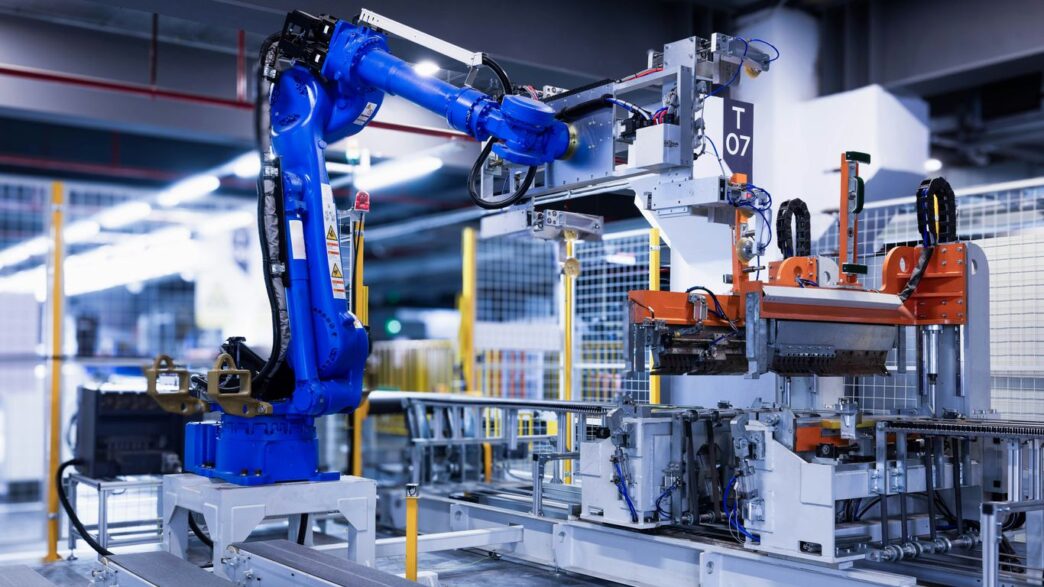
Wow, 2024 was a wild ride for robots, wasn’t it? It feels like just yesterday we were talking about robots doing simple tasks, and now? We’re seeing them do things that used to be pure science fiction. It’s not quite C-3PO yet, but honestly, the progress is pretty mind-blowing. Think about it: a robot can now put a t-shirt on a hanger. Sounds simple, but it shows how much smarter these machines are getting, especially with AI.
The Explosion of Robotics Startups
This year saw a huge surge in new robotics companies popping up. It wasn’t just a few here and there; we’re talking about serious investment. Some of these startups are raising hundreds of millions of dollars, which is just wild. We saw companies like Physical Intelligence and Skild bringing in massive funding rounds. But it’s not just the big money; there are tons of smaller, innovative companies too, like Hillbot, Watney, and Reflex Robotics, all doing cool stuff. Even university researchers are spinning out companies and taking their work out of the lab and into the real world. It’s like the whole field just got a massive energy boost.
Affordable Hardware and Open-Source Platforms
Another big thing this year was how much easier and cheaper it’s become to get your hands on robot hardware. Companies are releasing more accessible robots, and there’s a growing number of affordable options out there. This means more people, from hobbyists to small businesses, can actually start building and experimenting with robots. Plus, the open-source movement is really taking off. Platforms like ROS (Robot Operating System) are becoming even more important, acting as a common language that lets different robots talk to each other. This shared foundation is speeding up development across the board.
AI Integration Driving New Capabilities
Honestly, the biggest game-changer has been AI. It’s like AI gave robots superpowers. We’re seeing robots learn to do incredibly complex things, like tying shoelaces or making coffee, thanks to advanced AI learning techniques. AI is transforming robots from simple tools into intelligent agents capable of understanding and interacting with the world. Vision-based AI, which allows robots to actually ‘see’ and interpret their surroundings, is becoming key. This means robots can navigate tricky environments, spot errors, and even make their own decisions in real-time. It’s this combination of smarter hardware and AI that’s really pushing the boundaries of what robots can do.
Humanoid Robots Take Center Stage
It really felt like 2024 was the year we saw humanoid robots move from science fiction to something you might actually see on a factory floor or in a warehouse. Companies are pouring money into these machines, hoping they can do the jobs humans do, but without the need for breaks or sick days. It’s a big idea, and some big names are behind it, like Tesla with its Optimus robot and Figure AI, which has already started testing its robots with BMW. The thinking is that since our world is built for people, a robot shaped like a person should be able to do a lot of different tasks.
From Product Launches to Real-World Testing
We saw a lot of flashy product announcements this year, but the real test is happening now. Companies like Agility Robotics sent their Digit robots to work at GXO Logistics, where they’re doing things like unloading pallets and moving boxes. It’s not all smooth sailing, though. These robots can slip on polished floors, and they need good Wi-Fi to keep working. A bigger headache is battery life. The current Digit robots only run for a few hours before needing a charge, which takes about an hour. This means swapping robots out during a shift or figuring out how they can charge themselves, which can be tricky if they set off security alarms.
Dexterity and Human-Like Adaptability
What makes these robots so interesting is their potential to adapt. Unlike specialized robots that do just one thing, humanoids are designed to handle a variety of tasks. They can learn from watching humans, which is a huge step up from needing complex programming for every single action. This adaptability is key to why people think they’ll be useful in places where tasks change often, like warehouses or even eventually in homes.
The Growing Market for Humanoid Applications
The market for these robots is expected to explode. Some reports suggest it could jump from a few billion dollars to over $46 billion by 2031. This growth isn’t just about warehouses; people are looking at using them in healthcare, farming, and retail. The competition is heating up, especially with advancements coming out of Asia, which could drive down costs and make them more accessible. It’s still early days, and there are plenty of challenges to overcome, but the direction seems clear: humanoid robots are here to stay and will likely become a common sight in many industries.
AI’s Transformative Impact on Robotics
This past year, artificial intelligence really started to change how robots work, moving them beyond just simple programmed tasks. It’s like giving robots a much better brain, letting them figure things out on their own.
Simulation-Based Learning and Sim-to-Real Transfer
One big thing is how robots are learning. Instead of just trying things out in the real world, which can be slow and sometimes break things, a lot of learning now happens in computer simulations. Think of it like a robot practicing a task thousands of times in a video game before it ever touches the real object. This makes the learning process way faster and safer. The trick is making sure what the robot learns in the simulation actually works when it’s out in the messy, unpredictable real world. This "sim-to-real" transfer is getting better, meaning robots can learn complex skills more reliably.
Vision-Based AI for Environmental Understanding
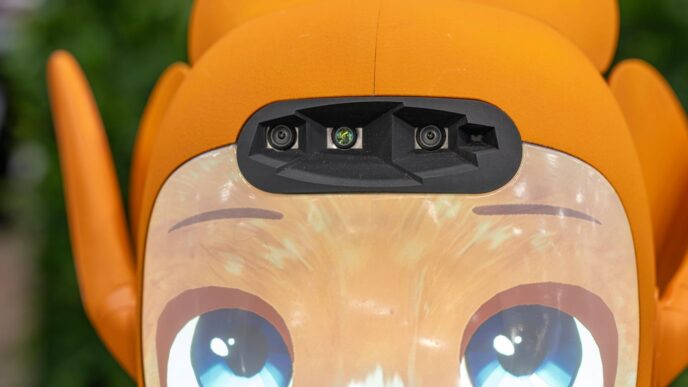
Robots are getting eyes, and not just simple cameras. Vision-based AI lets robots actually
Key Innovations Shaping the Robotics Landscape
This past year has seen some pretty cool developments in how robots are being used and what they can do. It’s not just about automation anymore; these machines are getting smarter and more capable, making them useful in more places than ever.
Autonomous Mobile Robots in Warehousing and Logistics
Warehouses and shipping centers have been a big testing ground for robots, and 2024 was no exception. We’re seeing more and more Autonomous Mobile Robots (AMRs) zipping around, not just moving things but also keeping track of inventory. Think about a busy distribution center – these robots can now navigate complex layouts, avoid obstacles like forklifts or people, and even scan shelves to update stock levels in real-time. This is a huge help for businesses trying to manage large amounts of goods, especially during busy periods. These robots are becoming essential for keeping operations running smoothly and accurately.
Advancements in Autonomous Cleaning Solutions
Cleaning up large public spaces is another area where robots are making a big splash. New cleaning robots are now equipped with advanced navigation systems that let them work around people and their belongings in places like airports, train stations, and grocery stores. They can cover large areas, ensuring a consistent level of cleanliness without needing constant human supervision. This frees up human staff to focus on other tasks that require a personal touch.
Cross-Embodiment Learning for Shared Knowledge
One of the most interesting ideas gaining traction is "cross-embodiment learning." Basically, it means robots can learn from each other. Instead of every single robot needing to be taught a new task from scratch, they can share information and experiences. If one robot figures out the best way to navigate a tricky path or pick up a specific object, that knowledge can be passed on to other robots. This speeds up how quickly robots can adapt to new jobs or environments. It’s like a collective intelligence for machines, making them more adaptable and efficient overall.
The Evolving Role of Robots in Society
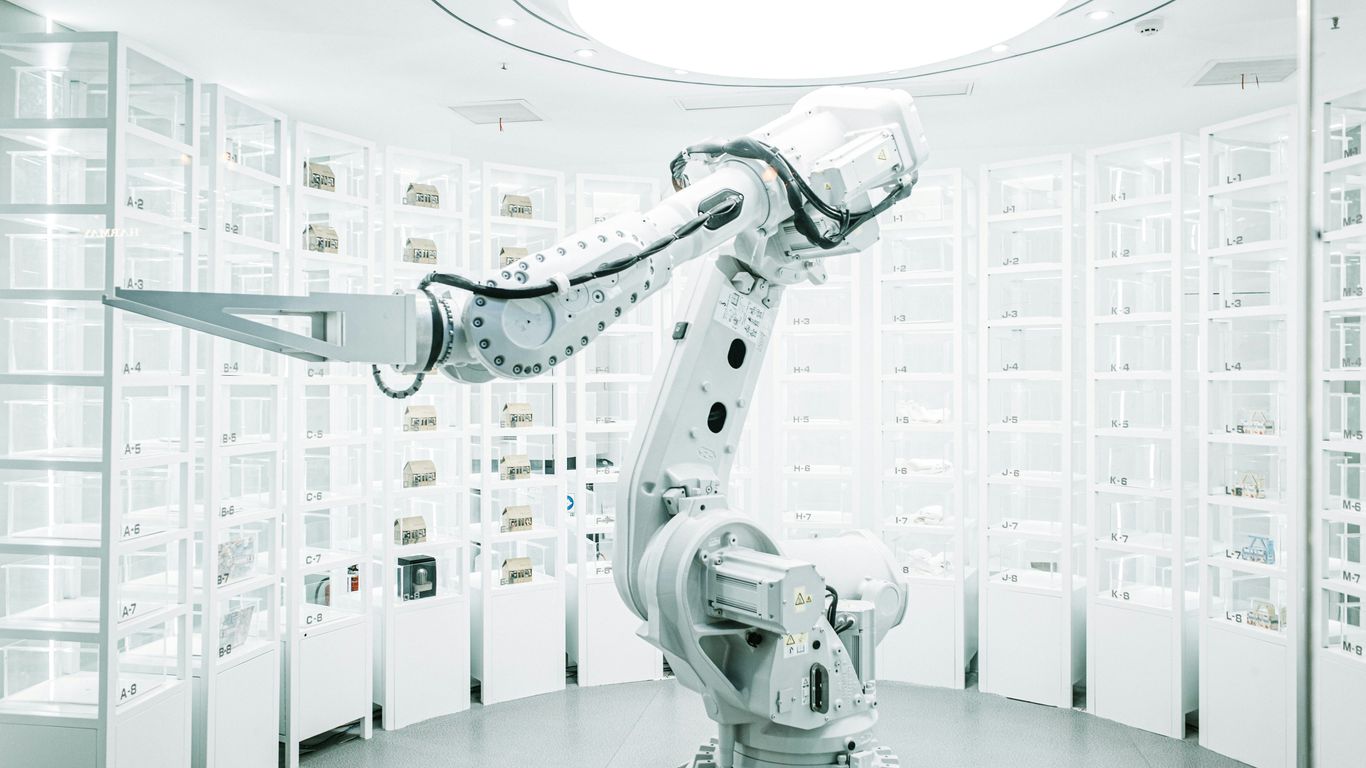
It feels like just yesterday robots were confined to factory floors, doing the same repetitive tasks over and over. But 2024 really changed things, didn’t it? We’re seeing robots move beyond those controlled environments and start showing up in places we interact with every day. It’s not just about automation anymore; it’s about how these machines can actually fit into our lives and help us out.
Bridging the Gap Between Automation and Human Environments
Think about it – robots are getting better at understanding and working within spaces designed for people. This isn’t about replacing humans, but more about giving us a hand where it’s needed. For instance, autonomous cleaning robots are now zipping around airports and grocery stores, keeping things tidy without bumping into people or their shopping carts. They’re learning to handle the unpredictable nature of public spaces, which is a huge step from just following a set path.
- Improved navigation in complex, public areas.
- Safer interaction with people and their belongings.
- Consistent performance in high-traffic zones.
This ability to adapt to human-centric environments means robots can take on tasks that were previously too tricky or dangerous for machines, or simply too tedious for people.
Addressing Labor Shortages and Enhancing Versatility
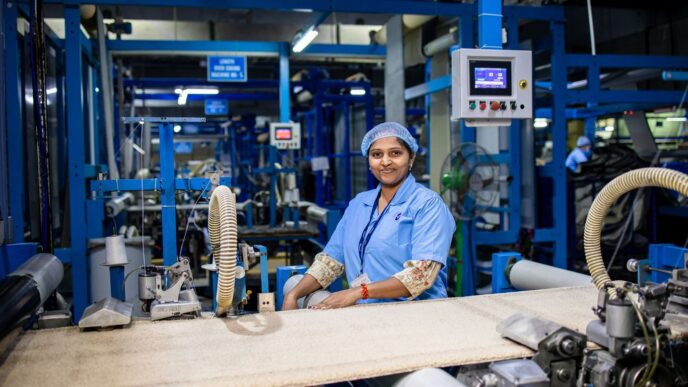
We’ve all heard about the struggles many industries face finding enough workers. Robotics is stepping in to help fill those gaps. It’s not just about having more hands, but about having versatile helpers. In warehouses, robots are now doing more than just moving boxes; they’re helping with stocking, packing, and even keeping track of inventory in real-time. This frees up human workers to focus on more complex problem-solving or customer-facing roles.
| Sector | 2024 Robot Integration Examples |
|---|---|
| Warehousing | Autonomous inventory checks, package sorting, shelf stocking |
| Retail | Autonomous cleaning, customer assistance (limited), stock tracking |
| Healthcare | Delivery of supplies, disinfection (emerging) |
This adaptability is key. Robots aren’t just single-task machines anymore; they’re becoming more capable of handling a range of duties, making them valuable assets across different fields.
Ethical Considerations in Advanced Robotics
As robots become more integrated into our society, we have to talk about the tough questions. What happens to jobs? How do we ensure robots are used safely and fairly? These aren’t just technical problems; they’re societal ones we need to figure out together. We’re seeing a lot of investment in robotics startups, which is exciting, but it also means we need clear guidelines. Think about data privacy when robots are collecting information in public spaces, or accountability if something goes wrong. It’s a balancing act between embracing the benefits of these new technologies and making sure they serve humanity responsibly. We’re still figuring out the best way to live and work alongside increasingly capable machines.
Looking Ahead: The Future of Robots 2025
Scalable Deployment of Real-World Systems
So, what’s next for robots in 2025? We’re moving beyond the cool demos and into actual, everyday use. Think about warehouses and factories – they’re already seeing a big shift. Companies are really trying to get these robots working reliably in places where they can make a real difference. It’s not just about having a robot that can do a task, but one that can do it consistently, day in and day out, without a lot of fuss.
We’re seeing a push for robots that can be easily set up and managed. This means simpler software, better ways to connect them to existing systems, and more support for businesses that might not have a huge tech team. The goal is to make it less of a headache to bring robots into your operations. It’s about making them practical tools, not just expensive novelties.
The Continued Convergence of AI and Robotics
AI is still the big driver here. In 2025, expect AI to get even better at helping robots understand and interact with the world. We’re talking about robots that can learn from experience, adapt to new situations on the fly, and make smarter decisions without needing a human to tell them every single step. This is huge for tasks that are unpredictable or require a bit of common sense.
- AI agents will become more sophisticated decision-makers. Instead of just following orders, they’ll be able to analyze situations and figure out the best course of action. This could mean anything from optimizing delivery routes to managing complex machinery.
- Vision-based AI will improve environmental understanding. Robots will get much better at ‘seeing’ and interpreting their surroundings, which is key for safe navigation and interaction in busy or changing environments.
- Simulation and real-world learning will become more intertwined. Training robots in virtual worlds will get even closer to how they perform in reality, speeding up development and reducing the need for costly real-world testing.
Navigating the Challenges of Real-World Integration
While the progress is exciting, let’s be real – putting robots into the real world isn’t always smooth sailing. In 2025, we’ll still be working through some tricky bits. One major hurdle is making sure robots can work safely alongside people. This isn’t just about avoiding collisions; it’s about building trust and making sure everyone feels comfortable.
Another challenge is the sheer variety of tasks and environments out there. A robot that’s great in a clean, controlled factory might struggle in a messy workshop or a busy home. We need robots that are adaptable and can handle the unexpected. Plus, there’s the ongoing conversation about ethics and how we want robots to fit into our society. Figuring out how to deploy these advanced systems responsibly is just as important as building them. It’s a balancing act, for sure, but one that’s essential for the future.
Wrapping It Up: What’s Next for Robots?
So, 2024 was a pretty big year for robots, huh? We saw a lot of cool stuff happen, from robots getting better at doing simple things like putting on a shirt to companies raising a ton of money. It feels like we’re finally getting somewhere after years of promises. While we’re not quite at the sci-fi movie stage yet, things are definitely moving. We’ve got cheaper hardware, smarter AI, and more companies jumping into the game. It’s exciting, but there’s still a lot to figure out, like how to train these machines and make sure they work reliably. Still, it’s hard not to be hopeful about what’s coming next. The pieces are falling into place, and even if things take a little longer than expected, the direction is clear: robots are becoming a bigger part of our world.