In villages across Kwara State, the glow of electric light now stretches deeper into the evening than it did just a few years ago. Market stalls stay open a little longer, children revise with steady lamps rather than candlelight, and small clinics no longer halt services when the sun sets. Few residents know the name of the young policy adviser whose work helped shape the conditions for this progress — and that seems to suit him well.
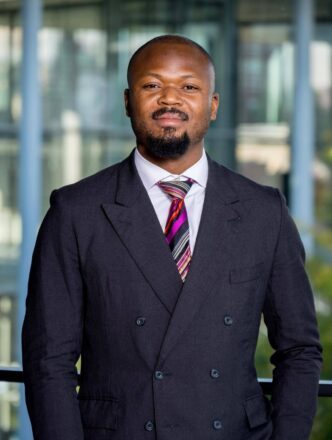
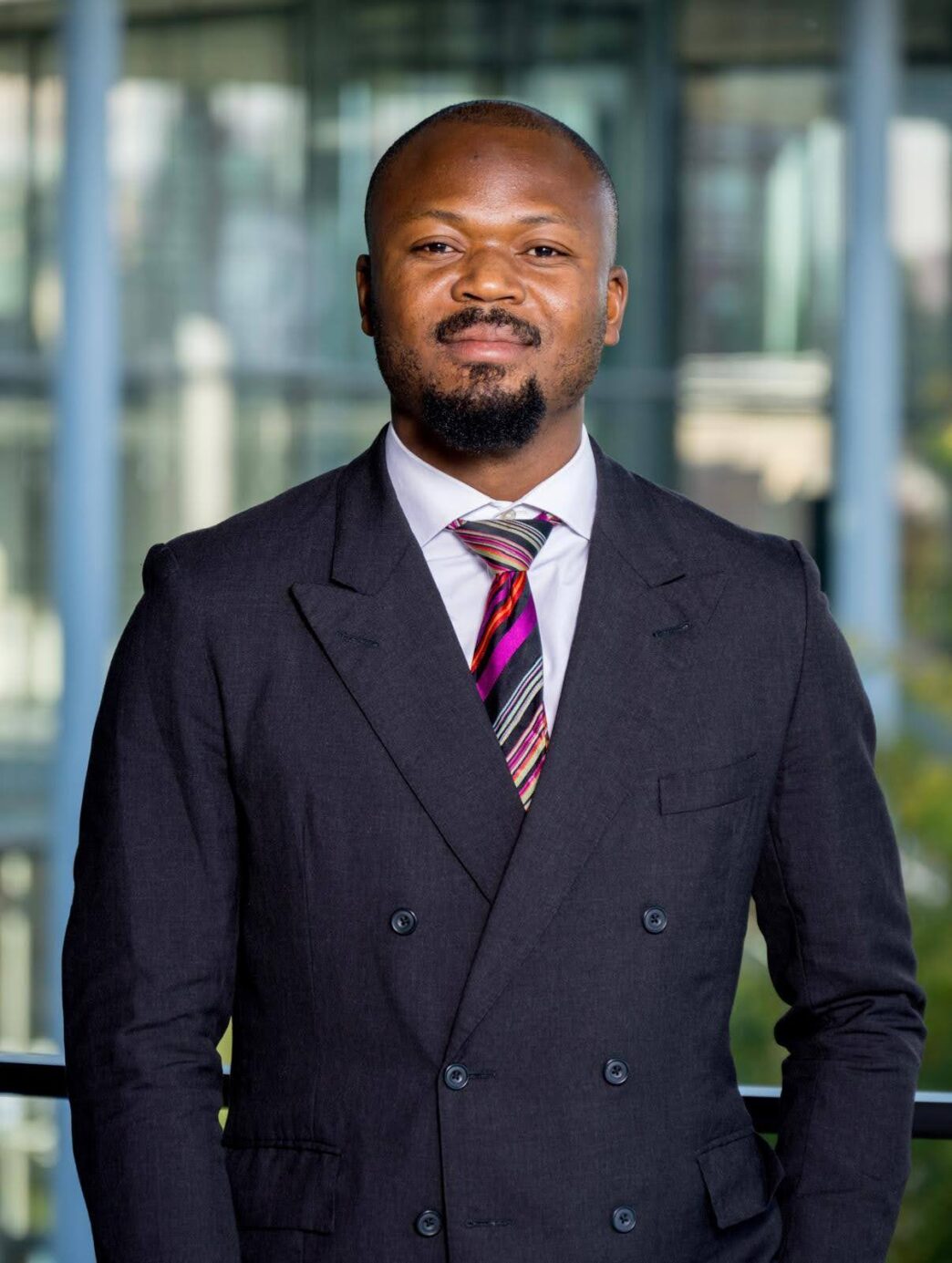
Mohammed Lawal Giwah, who concludes his role as Special Assistant on Policy Research and Development to the Governor of Kwara State in May, is part of a new generation of Nigerian public-sector professionals whose influence is defined less by volume or visibility, and more by rigour, empathy, and a commitment to steady, system-strengthening work. Now, as he continues his postgraduate studies in the United States at Yale School of Management, his journey offers a window into what thoughtful, grounded public service can achieve.
A Measured Influence with Lasting Footprints
Giwah’s portfolio in government was intentionally broad, but energy soon became its heartbeat. At the time he stepped into office, Kwara — like most Nigerian states — faced the familiar challenge of fragile electricity supply, particularly outside urban centres. For many communities, this meant not only limited access to power, but limited access to opportunity.
“Energy access wasn’t just an infrastructure gap — it was a social and economic divide,” Giwah reflects. “If children cannot study at night, if health centres cannot refrigerate vaccines, or if traders must close at sundown, the effects compound across generations. It was clear that we needed to break that cycle with solutions that served ordinary people, not just the grid.”
From that lens, Giwah was a central figure in shaping a renewable-energy policy direction that encouraged Kwara to view electricity not as a privilege for cities, but as a foundational need for rural communities. He contributed to the design of solar mini-grid Public–Private Partnership (PPP) models intended to expand clean-energy access in underserved areas — an approach that signalled a shift towards sustainability, scalability, and community-rooted development.
A small shop owner in Asa, who benefited from one such initiative, described the impact simply: “Before, we closed when the sun went down. Now we keep the shop open longer. It has changed our evenings.” She did not know the policy origins — the impact reached her without the politics.
Engineering, Process, and a Lean Approach to Leadership
Raised in Ilorin, Giwah’s path began with engineering. He earned a BEng in Chemical Engineering from Ahmadu Bello University (ABU) Zaria in 2012, followed by an MSc in Chemical Engineering (2017) and a Masters in Process Engineering (2019), both from the University of Lagos. This academic grounding would later inform his structured approach to policy.
Colleagues recall a methodical thinker who treated governance challenges with the same discipline engineers bring to solving physical-world problems: break the issue down, understand the data, design the system, test, adapt, improve.
“What I valued in government was that I learnt directly under an administration that encouraged research-led decision-making,” he notes. “Working under Governor AbdulRahman AbdulRazaq provided room for young professionals like me to roll up our sleeves and contribute meaningfully, rather than remain on the sidelines observing.”
Those who worked with him describe a calm, measured presence — someone more interested in refining policies that worked than in claiming credit for them.
Beyond Energy: Nudging Systems to Work Better
Although energy reform is among the most visible legacies of his time in government, Giwah’s remit spanned further. He contributed to data-driven governance reforms and supported efforts to strengthen the state’s infrastructure planning, social-impact programmes, and performance-management culture across departments.
His fingerprints often sat behind frameworks rather than headlines: a shift toward evidence-based policy documents, improved internal research processes, and governance memos that emphasised citizen outcomes over bureaucracy.
“There is a version of public service that seeks the spotlight,” he says, choosing his words with care. “But the work that actually moves societies forward is slow, detailed, and often unseen. And that is fine — impact is not diminished by anonymity.”
Yale and the Broadening of Perspective
In December 2022, Giwah was admitted to Yale School of Management — a milestone that those familiar with his work saw not as an escape from public service, but as preparation for deeper contribution. Yale SOM’s reputation for anchoring business leadership in societal purpose aligns well with his trajectory.
He speaks of the experience not in terms of personal achievement, but in terms of exposure and responsibility.
“I came to Yale to better understand how systems — public, private, and social — can work together for people,” he explains. “Nigeria and Africa are full of brilliance and potential. But turning that into outcomes requires leaders who are globally exposed yet deeply rooted, principled, and prepared to build over time.”
A Style of Leadership That Whispers, Yet Stays
There is little theatrics in Giwah’s approach to influence. He is not a political operative. He does not talk in terms of legacy. He appears more interested in whether policies worked for citizens than whether anyone remembers who designed them.
And yet, his work has touched lives. Not in sweeping numbers — not yet — but in ways that matter. In a country where trust in governance is often fragile, this quieter form of leadership feels both rare and necessary.
If there is a thread through his professional journey so far, it is one of purpose without performance. He neither romanticises public service nor shies away from its frustrations. What stands out is his steadiness.
“Systems take time to shift,” he says. “But they do shift — when people who care choose to keep working at it.”
Looking Ahead
As he continues his studies in New Haven, there is a sense that Giwah’s journey remains in its early chapters. Those who have worked with him expect he will return to public-sector or development leadership, but with broader perspective, sharpened tools, and a more global lens.
He leaves behind not fanfare, but foundations — frameworks that others can build upon, communities that have begun to experience the dignity of reliable light, and a reminder that reform is possible when pursued with clarity, humility, and persistence.
In an era that often celebrates loud leadership, Mohammed Lawal Giwah represents something quieter — and perhaps more enduring.