So, you’ve probably heard about growing soybeans and corn together, maybe even as a second crop. It’s a pretty interesting system that’s been gaining traction, and for good reason. This approach isn’t just about fitting more crops into the same space; it has a ripple effect that touches everything from farm profits to the environment and even global markets. Let’s break down what this soybeans corn double-cropping really means and why it’s becoming such a big deal.
Key Takeaways
- Growing soybeans and corn sequentially on the same land, known as double cropping, is expanding, especially in regions like Brazil’s Central-West.
- This practice can boost farm income and land efficiency, making farming more profitable.
- The environmental impacts are mixed; while it can reduce greenhouse gas emissions and land-use change, careful management is needed for soil and water.
- Double cropping influences commodity markets and can create new opportunities, particularly in bioenergy production.
- Technological advancements and supportive policies are important for the success and wider adoption of soybeans corn double cropping systems.
Understanding Soybeans Corn Double Cropping Systems
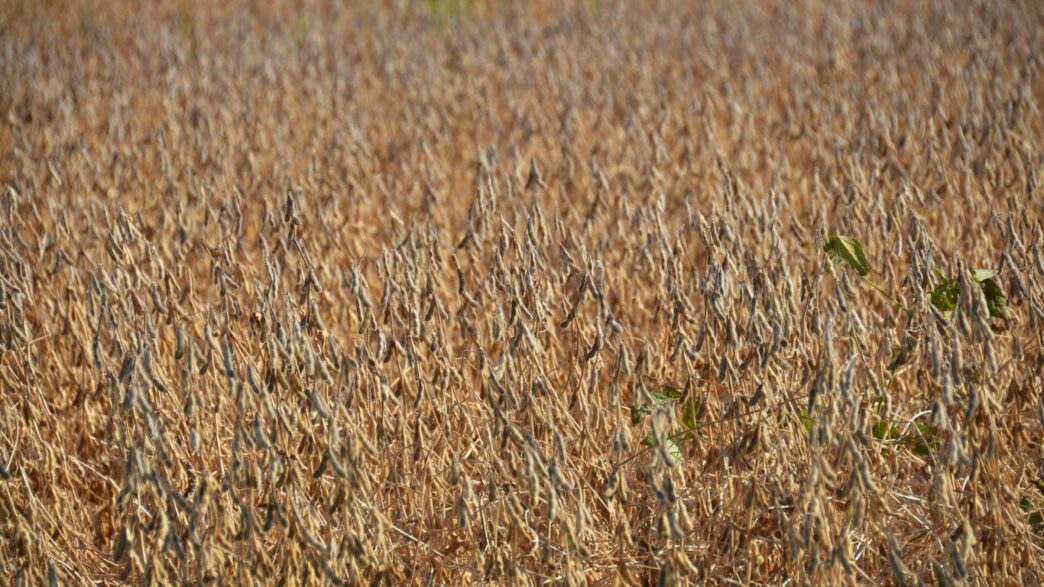
Double cropping, in the context of soybeans and corn, means growing two different crops on the same piece of land within a single growing year. It’s a way to get more out of your fields. Think of it like this: you plant soybeans, harvest them, and then, before the season is truly over, you plant corn. Or sometimes, it’s the other way around, though soybeans followed by corn is more common in many regions. This practice isn’t exactly new, but it’s seen a real surge in popularity lately, especially in areas with longer growing seasons. Farmers are looking for ways to boost their yields and make the most of their land, and double cropping offers a pretty neat solution.
Defining Double Cropping with Soybeans Corn
At its core, double cropping with soybeans and corn involves planting a second crop after the first one has been harvested. The key is that both crops need to mature within the same calendar year. This usually means selecting crop varieties that have shorter maturity times or planting them strategically to take advantage of favorable weather windows. For instance, early-maturing soybeans might be planted in the spring, harvested in late summer or early fall, and then a fast-growing corn hybrid could be planted to mature before the first hard frost. The goal is to maximize the use of sunlight, water, and nutrients over a longer period than a single crop would allow.
Historical Growth and Regional Expansion
While the concept of growing multiple crops a year has been around for ages, the specific soybean-corn double-cropping system has really taken off in certain parts of the world. Places like the Midwestern United States and parts of South America, particularly Brazil, have seen significant expansion. This growth is often tied to advancements in agricultural technology, like improved seed varieties and better farming equipment, as well as changing economic conditions that make it more profitable. The expansion isn’t just random; it’s happening in regions where the climate allows for it, meaning there’s enough warmth and rainfall to support two crops. It’s a shift from traditional single-crop farming to a more intensive system.
Key Agronomic Practices for Success
Making double cropping work isn’t just a matter of planting two crops back-to-back. It requires careful planning and specific farming techniques. Here are some of the main things farmers focus on:
- Variety Selection: Choosing soybean and corn varieties with shorter growing seasons is vital. This ensures they can mature before the weather turns unfavorable for the second crop.
- Timely Planting and Harvesting: Precision in timing is everything. Farmers need to plant the first crop early enough to allow for a timely harvest, creating a window for the second crop. Likewise, harvesting the first crop needs to be efficient to get the second crop in the ground quickly.
- Soil Management: Practices like reduced tillage or no-till farming are often used. This helps conserve soil moisture, reduce erosion, and prepare a good seedbed for the second crop with minimal disturbance.
- Nutrient Management: With two crops drawing from the soil, managing nutrients becomes even more important. This might involve adjusting fertilizer applications based on the needs of both crops and the soil’s capacity.
- Weed, Pest, and Disease Control: Managing these issues across two different crops in quick succession requires a well-thought-out strategy to prevent problems from carrying over or becoming unmanageable.
Environmental Implications of Soybeans Corn Production
Greenhouse Gas Emissions and Climate Outcomes
When we talk about growing soybeans and corn together, especially in a double-cropping system, it’s natural to wonder about the environmental side of things. One big area is greenhouse gas (GHG) emissions. Think of it like this: farming practices can either add to or take away from the gases warming our planet. Using crops to produce things like biofuels, instead of relying on fossil fuels, can actually lead to a net reduction in GHG emissions. This is partly because the plants themselves absorb carbon dioxide from the air as they grow. If you add in technologies that capture carbon during the production process, like with bioenergy with carbon capture and storage (BECCS), the benefit can be even bigger. This absorption of CO2 by crops is a key factor in how these systems can help mitigate climate change. However, it’s not always a simple win. The overall picture involves looking at the entire life cycle, from planting to processing, and comparing it to what we’re replacing.
Soil Health and Nutrient Cycling
Growing two crops back-to-back definitely changes how the soil behaves. On the plus side, having plants in the ground for a longer period means more organic matter can be added back into the soil. This can improve soil structure, making it better at holding water and nutrients. It also supports a more diverse community of soil microbes, which are super important for breaking down organic material and making nutrients available for the next crop. However, intensive farming, even with double cropping, can sometimes lead to nutrient depletion if not managed carefully. Farmers need to pay attention to what nutrients are being taken up by the crops and make sure they are replenished, often through fertilizers. The type of crops grown also plays a role; for instance, soybeans are legumes and can fix nitrogen from the air, which benefits the following corn crop. This natural process can reduce the need for synthetic nitrogen fertilizers, which have their own environmental footprint.
Water Use and Biodiversity Considerations
Water is a big deal in agriculture, and double cropping systems can put extra demands on water resources. Growing two crops means more water is needed for irrigation, especially in regions that don’t get consistent rainfall throughout the year. This can lead to increased competition for water, potentially impacting local water tables and ecosystems. On the biodiversity front, a more diverse landscape generally supports more wildlife. However, large-scale, monoculture-style farming, even if it involves two crops, can reduce the variety of habitats available for insects, birds, and other animals compared to more varied agricultural or natural landscapes. Efforts to manage water use efficiently, like using drip irrigation, and to incorporate practices that support local wildlife, such as planting cover crops or maintaining buffer zones, can help lessen these impacts. It’s a balancing act, trying to get the most out of the land while also looking after the natural environment.
Economic Impact of Dual Crop Production
When you start growing soybeans and then follow up with corn on the same land within a single year, it really shakes things up economically. It’s not just about getting more crops out of the ground; it’s about how that affects farmers’ wallets, local economies, and even the bigger picture of food and fuel prices.
Farm Profitability and Land Use Efficiency
This double-cropping approach is a game-changer for making the most of farmland. Instead of one harvest, you’re aiming for two, which can significantly boost a farmer’s income from the same piece of land. Think about it: you’re getting revenue from both soybeans and corn, often in the same growing season. This efficiency means less land is needed to produce the same amount of food and feed, which is a big deal, especially where land is scarce or expensive.
- Increased Revenue Streams: Farmers can earn from two distinct crops, diversifying their income and reducing reliance on a single commodity.
- Optimized Land Utilization: Maximizing the use of arable land throughout the year, leading to higher output per acre.
- Reduced Overhead per Crop: Spreading fixed costs like equipment and labor over two harvests can lower the cost per unit of production.
Impacts on Local and Global Commodity Markets
When more farmers adopt this double-cropping method, it leads to a larger overall supply of both soybeans and corn. This increased supply can have ripple effects. On a local level, it might mean more business for grain elevators, transportation services, and input suppliers. Globally, a significant increase in production could influence market prices. If the supply of corn goes up substantially, for instance, it might lower prices for animal feed, which in turn could affect the cost of meat and dairy products. Similarly, more soybean availability could impact prices for oil and animal feed.
| Commodity | Production Change | Potential Price Impact |
|---|---|---|
| Soybeans | Increase | Downward pressure |
| Corn | Increase | Downward pressure |
Influence on Rural Employment and Incomes
Farming is often the backbone of rural communities, and changes in farming practices directly affect jobs and income. The adoption of double cropping can create new employment opportunities. You might need more hands for planting the second crop, harvesting, and managing the increased yield. This can lead to more stable or even increased employment in rural areas. Furthermore, the higher farm profitability that often comes with double cropping can translate into more disposable income for farm families, which they tend to spend locally, supporting small businesses and services in their towns. This creates a positive cycle for the rural economy.
Market Dynamics and Value Chains for Soybeans Corn
International Trade Opportunities and Challenges
When we talk about soybeans and corn, trade is a huge piece of the puzzle. For soybeans, international demand is pretty strong, which helps offset some of the costs of shipping them overseas. It’s a bit different for corn, though. The markets for corn don’t always have that same pull, making it tougher to boost the production of a second corn crop, especially when you factor in shipping.
Domestic Supply Chain Innovations
Things are getting interesting right here at home too. The way we get these crops from the farm to our tables, or to factories, is changing. Think about how we handle storage, transportation, and processing. Innovations here can make a big difference in how much we can produce and how efficiently we can get it where it needs to go. This efficiency is key to making double-cropping systems work well economically.
Integration with Bioenergy and Livestock Sectors
It’s not just about food anymore. The corn we grow, especially as a second crop, is a big deal for bioenergy, like making ethanol. Plus, the byproducts from making ethanol, like DDGS (distiller’s dried grains with solubles), are a great source of animal feed. This creates a kind of cycle where the corn crop supports both energy production and the livestock industry. This integration can really boost the economy in farming regions, creating more opportunities and making better use of the crops grown.
Technological Innovations Driving Productivity
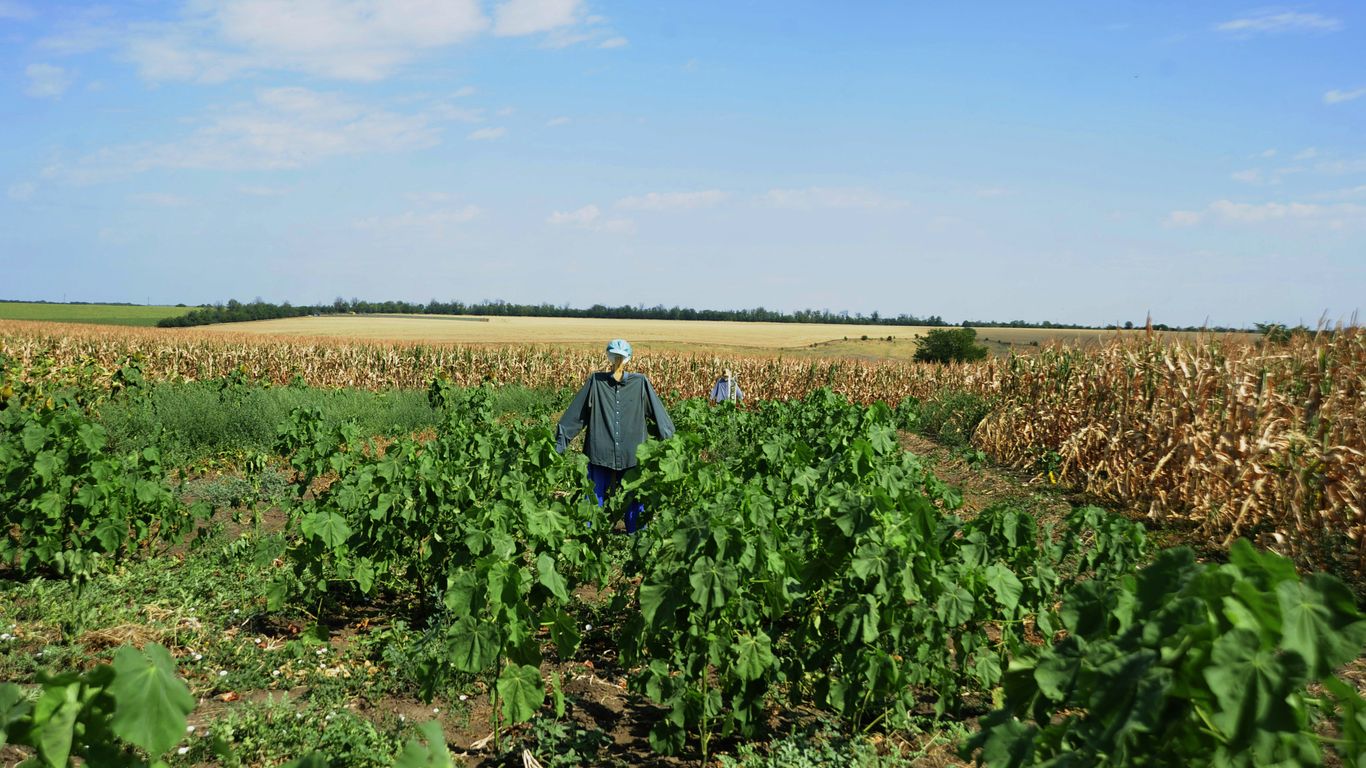
It’s pretty amazing how much science is helping farmers get more out of their land these days, especially when they’re juggling soybeans and corn. We’re not just talking about bigger tractors anymore; there’s a whole lot of smart tech making a difference.
Advancements in Crop Genetics and Varieties
Think about it: the seeds themselves are getting way better. Breeders are working hard to develop soybean and corn varieties that can handle tough conditions, like dry spells or pesky diseases. They’re also focusing on traits that make them grow faster or produce more, which is a big deal for double cropping. This means farmers can potentially get two good harvests in a single growing season where it used to be a struggle. It’s like giving the plants a built-in advantage right from the start.
Precision Agriculture and Digital Tools
This is where things get really interesting. Precision agriculture is all about using data to make smarter decisions on the farm. We’re talking about GPS-guided equipment that plants seeds exactly where they need to go, reducing waste. Then there are sensors that can tell farmers exactly how much water or fertilizer a specific part of the field needs. Drones and satellite imagery give a bird’s-eye view, spotting problems early. All this information helps farmers use their resources more efficiently, saving money and reducing environmental impact. It’s a far cry from the old days of just guessing.
Integrated Pest and Weed Management Strategies
Keeping pests and weeds in check is always a challenge, but new strategies are making it easier and more targeted. Instead of just blanket spraying chemicals, farmers are using a mix of approaches. This can include using biological controls (like beneficial insects), planting cover crops that suppress weeds, and using advanced monitoring systems to know exactly when and where treatment is needed. The goal is to reduce reliance on broad-spectrum pesticides, which is better for the environment and can help prevent pests from becoming resistant. It’s a more thoughtful, science-based way to protect the crops.
Policy, Sustainability, and Land Use Change
Regional and National Policy Frameworks
Governments play a big role in how we grow crops, especially when we’re talking about things like soybeans and corn grown back-to-back. Policies can really shape whether farmers can even do this kind of farming, or if they’ll get help to do it better. Think about subsidies, for example. If there are programs that support farmers who use certain practices, like cover cropping between harvests, that makes a huge difference. Then there are regulations, too. Some rules might be about how much fertilizer you can use, or how you manage water runoff. These aren’t always popular, but they’re often put in place to protect the environment. It’s a balancing act, for sure. The goal is usually to encourage farming methods that are good for the land and the community, without making it impossible for farmers to make a living.
Sustainable Development Goals Alignment
When we talk about growing soybeans and corn together, it’s not just about making money or feeding people. It’s also about fitting into the bigger picture of global sustainability. The United Nations has these Sustainable Development Goals (SDGs), and farming practices can really impact them. For instance, growing crops efficiently can help with SDG 2 (Zero Hunger) and SDG 12 (Responsible Consumption and Production). If this kind of farming also helps reduce greenhouse gases, that’s a win for SDG 13 (Climate Action). But we also have to watch out. If it uses too much water, that could affect SDG 6 (Clean Water and Sanitation). It’s all connected.
Here’s a quick look at how double cropping might touch on a few SDGs:
- SDG 2: Zero Hunger – Increased food production through efficient land use.
- SDG 7: Affordable and Clean Energy – Potential for biomass production alongside food crops.
- SDG 13: Climate Action – Reduced greenhouse gas emissions through better soil management and potentially less land needed overall.
- SDG 15: Life on Land – Impacts on biodiversity and soil health depend heavily on specific practices.
Land Use Modeling and Scenario Analysis
Figuring out the best way to use land is complicated. Scientists use computer models to look at different possibilities. They can simulate what might happen if more farmers started double-cropping soybeans and corn. These models look at things like how much food we could produce, how it might affect land prices, and even what the impact on the environment could be. For example, a model might show that expanding double cropping in a certain region could reduce the need to clear new land for farming, which is good for forests. Or, it might show that if we don’t manage it right, it could lead to more water pollution. These scenarios help policymakers and farmers make smarter decisions about the future.
Socio-Economic Benefits and Challenges
Food Security and Household Well-Being
Double cropping with soybeans and corn can help regions grow more food and raw materials from the same land, giving a direct boost to food production and family income. That adds up when you look at local economies relying on agriculture. When farmers bring in two harvests—first soybeans, then corn—they spread their risk and keep cash flowing through longer parts of the year.
Key points to consider:
- Boosts local supply: With more crops per year, local food and feed supplies tend to go up, which can help stabilize prices.
- Income smoothing: Two crops mean families often have more regular income and can handle setbacks better.
- Spillover effects: Extra crops can support more local businesses, from seed dealers to food processors and truckers.
But there’s a hitch. If more of the new crops go to things like biofuels or animal feed, less is left for plates. That can create tough choices during short years or when demand spikes globally.
| Impact | Local Effect | Broader Effect |
|---|---|---|
| Food output | Higher | Sometimes higher |
| Market prices | Lower | Mixed |
| Household income | Higher | Small change |
Societal Trade-Offs and Land Tenure Issues
Whenever industries boom, there’s bound to be some friction. With soybeans-corn systems, the big social challenges often swing around ownership and access to land.
- Land concentration: Bigger, better-equipped operations usually get the most from double-cropping, which can pull land out of the hands of smaller farms.
- Rental rates: As profits grow, land rents crawl up, sometimes pushing tenants or smallholders aside.
- Conflicting goals: More bioenergy production might mean less food in some cases, so communities have to weigh what’s best—energy, exports, or feeding themselves.
Local traditions, legal rights, and policy all play into whether double-cropping lifts up whole communities or just a select few. Some regions have set up land-use councils or cooperative models, but it’s not one-size-fits-all.
Adoption Barriers and Knowledge Transfer
Adopting soybeans-corn dual cropping usually takes know-how, inputs, and sometimes a leap of faith. Here’s where roadblocks tend to appear:
- Access to technology: Small farmers might not afford or know about the best seeds, machinery, or irrigation needed for two crops.
- Training gaps: Methods that work in one place don’t always work everywhere. Farmers need training that fits their local conditions.
- Market volatility: Big swings in prices for corn or soybeans can make dual cropping a gamble.
Overcoming these barriers requires partnerships. Extension services, co-ops, and even cell phone apps are helping bridge the gap between cutting-edge research and what’s actually happening in the fields. But patience is key—change usually moves slower than folks wish.
In sum, soybeans-corn double cropping has clear payoffs for income and local economies, but it comes with social choices that often need fresh thinking and policy tweaks.
Wrapping It Up: The Big Picture
So, when you look at growing soybeans and then corn right after on the same land, it’s not just about getting more crops out of the ground. It seems to be a pretty smart move for the economy, helping out farmers and even boosting things like food security for families. Plus, when you factor in making fuel from that second crop of corn, it looks good for the environment too, especially with newer tech that can capture carbon. It’s not a perfect system, and there are always things to watch out for, like water use, but the overall trend suggests this double-cropping approach is a win-win. It shows how smart farming can really make a difference, not just for the farm itself, but for the wider community and the planet.
Frequently Asked Questions
What is ‘double cropping’ with soybeans and corn?
Double cropping means growing two crops on the same piece of land in a single year. Usually, a farmer plants soybeans, harvests them, and then plants a second crop, like corn, in the same field before the year ends. It’s like getting two harvests from one field!
Why would a farmer grow both soybeans and corn together?
Farmers do this to make the most of their land and time. By growing a second crop, they can get more food or crops from their fields. It can also help them make more money and use their farming equipment more often throughout the year.
Does growing two crops affect the environment?
It can, in both good and not-so-good ways. Growing two crops can sometimes mean less land is needed overall, which is good. However, using more fertilizer or water for the second crop might have impacts that need to be managed carefully. Researchers are studying these effects.
How does growing soybeans and corn together impact food prices?
When more crops are grown, it can lead to a bigger supply of food and animal feed. A larger supply often helps keep prices lower for everyone. It can also make sure there’s enough food available, which is important for communities.
Are there new technologies helping with double cropping?
Yes! Scientists are developing new types of soybean and corn seeds that grow better and faster. Also, special farming tools and computer programs help farmers know exactly where and when to plant, water, and fertilize, making the whole process more efficient.
What are the challenges of double cropping?
It’s not always easy. Farmers need the right weather, good soil, and access to new farming methods and seeds. Sometimes, rules or the cost of new equipment can make it hard for farmers to start or continue double cropping. Sharing knowledge is key to helping more farmers succeed.