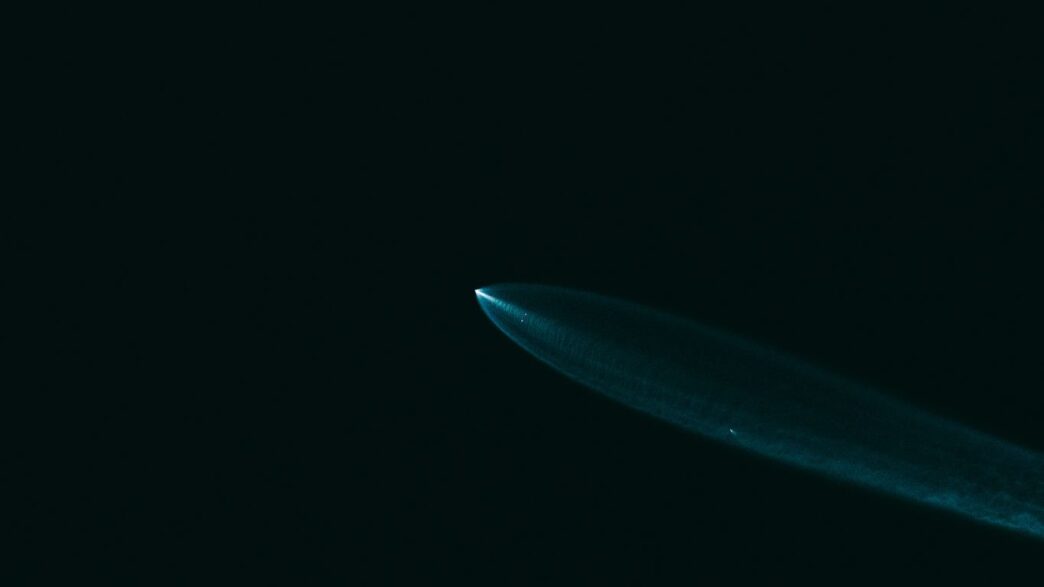
Crew-9 Mission Launch Details
Initial Launch Plans and Delays
Originally, the Crew-9 mission was set to lift off in mid-August 2024, aiming for a standard six-month stay on the International Space Station (ISS). The initial crew was a full team of four: NASA astronauts Zena Cardman as commander, Nick Hague as pilot, and Stephanie Wilson as mission specialist, joined by Roscosmos cosmonaut Aleksandr Gorbunov as a mission specialist. However, things got complicated pretty quickly. The big reason for the delay? The Boeing Starliner spacecraft, which was on its test flight to the ISS. NASA decided it was safer to bring Starliner back to Earth without its crew, which meant a whole new plan had to be put in place. This decision alone pushed the Crew-9 launch back significantly, giving NASA time to figure out how to get the Starliner back safely and reconfigure its systems for an uncrewed return. Plus, the ISS only has two docking ports, and one was occupied by the Crew-8 mission while Starliner was there. So, Crew-9 couldn’t launch until Starliner was out of the way. It was a bit of a domino effect, really.
Weather-Related Scrub and Successful Liftoff
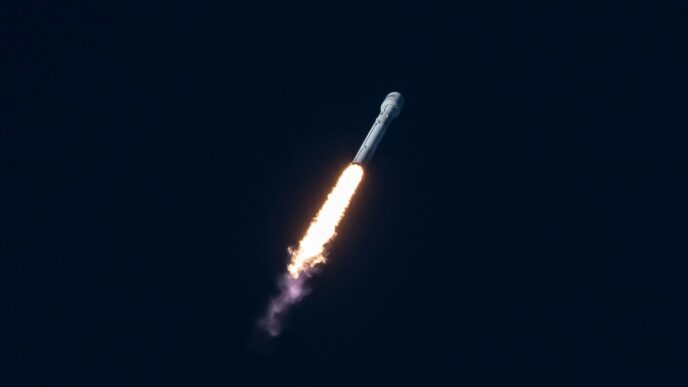
After the Starliner situation caused the initial delay, the next hurdle was Mother Nature. The first launch attempt was scheduled for September 24, 2024, but unfortunately, Hurricane Helene was making its way towards the launch site. Safety first, always, so the Falcon 9 rocket had to be rolled back to its hangar. This meant another wait. Finally, after all the adjustments and waiting for clear skies, the second launch attempt was made on September 28, 2024. The weather forecast was looking better, around 70% chance of good conditions, and thankfully, it held up. The Falcon 9 rocket carrying the Crew Dragon Freedom lifted off successfully at 1:17:21 PM Eastern Daylight Time. It was a relief to see it finally heading to space after all the back and forth.
Launch Site and Vehicle Information
The Crew-9 mission launched from Space Launch Complex 40 (SLC-40) at Cape Canaveral Space Force Station in Florida. This was actually the first time a crewed mission launched from this particular pad, which is pretty neat. The rocket itself was a SpaceX Falcon 9, a workhorse we’ve seen a lot of. The first-stage booster, identified as B1085, was on its second flight. The spacecraft carrying the astronauts was the Crew Dragon, named ‘Freedom’. This capsule isn’t new to space travel; it’s been on previous missions like SpaceX’s Crew-4 and Axiom Space’s Ax-2 and Ax-3 flights. So, it’s a pretty experienced ride heading to the ISS.
Crew-9 Mission Objectives and Crew Composition
Original Crew Assignment for Expedition 72
Originally, the Crew-9 mission was set to be a full house, with four astronauts heading to the International Space Station for Expedition 72. The lineup included NASA astronauts Zena Cardman as commander, Nick Hague as pilot, and Stephanie Wilson as a mission specialist. Rounding out the crew was Roscosmos cosmonaut Aleksandr Gorbunov, also a mission specialist. This group was all geared up for a six-month stay, focusing on a bunch of science experiments.
Adaptation for Starliner Crew Return
Well, things got a bit complicated thanks to the Boeing Starliner situation. You know, the Starliner Crew Flight Test had some issues, and NASA needed a way to get those astronauts back safely. So, the plan changed. Instead of a full crew of four, Crew-9 ended up launching with just two people. The mission’s primary goal shifted to include bringing back the two astronauts who were on the Starliner. This meant some quick adjustments to the mission profile and crew roles.
Crew Dragon Freedom’s Role
The spacecraft for this mission was the trusty Crew Dragon, named Freedom. This wasn’t Freedom’s first rodeo; it had already flown several missions, including NASA’s Crew-4 and a couple of Axiom private astronaut missions (Ax-2 and Ax-3). For Crew-9, Nick Hague took on the commander role, flying alongside cosmonaut Aleksandr Gorbunov. This setup was a bit different, with Hague essentially covering duties that might have otherwise been split between a pilot and commander, given Gorbunov’s specific training and limitations. It was a real team effort to make sure everything was covered.
International Space Station Operations
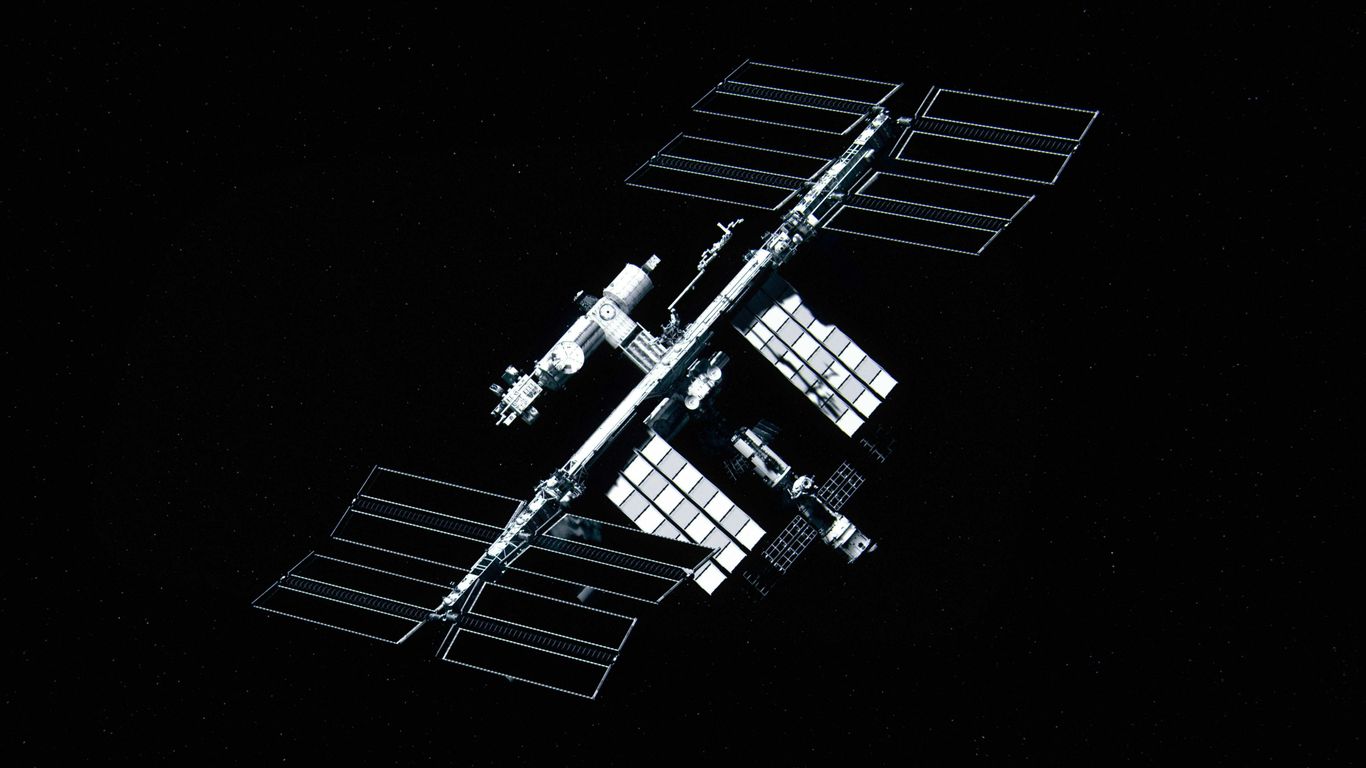
Once Crew Dragon Freedom reached orbit, the real work began. Docking with the International Space Station (ISS) isn’t just a simple parking maneuver; it involves a series of precise steps. Freedom approached the station and latched onto the forward port of the Harmony module. This docking was particularly interesting because the station’s docking ports were quite busy. Crew-8 was already there, and the Boeing Starliner ‘Calypso’ was also docked, meaning Freedom had to wait for Calypso to undock before it could secure its spot. This required some careful planning and adjustments to the station’s configuration.
Docking and Relocation Maneuvers
The Crew-9 mission saw Commander Nick Hague and Cosmonaut Aleksandr Gorbunov arrive at the ISS. Their Dragon capsule, Freedom, successfully docked with the station’s Harmony module. This wasn’t just a quick stop; the crew had to ensure a secure connection. After docking, the crew performed checks to make sure everything was sealed and stable. The station’s busy schedule meant that the Starliner ‘Calypso’, which had been experiencing some thruster issues, had to undock first. This allowed Freedom to take its designated spot. The crew then had to get accustomed to life aboard the station, which involves a lot of moving around and getting used to the microgravity environment.
Duration of ISS Stay
Hague and Gorbunov were slated for a significant stay aboard the ISS, contributing to ongoing research and station maintenance. Their mission duration was planned to be around six months, a standard timeframe for many ISS expeditions. This extended period allows the crew to conduct a wide range of scientific experiments and participate in critical technology demonstrations. The exact length of their stay could be adjusted based on mission needs or unforeseen circumstances, as NASA often monitors systems and crew well-being to make informed decisions about extending or shortening missions.
Crew Handover with Crew-10
A key part of any ISS mission is the handover between incoming and outgoing crews. As Crew-9 settled in, preparations would have been underway for the arrival of the next crew, SpaceX Crew-10. This handover involves sharing knowledge about ongoing experiments, station systems, and daily routines. It’s a period where the outgoing crew briefs the new arrivals, ensuring a smooth transition and continuity of operations. For Hague and Gorbunov, this meant not only completing their own objectives but also preparing the station for the next team, a testament to the collaborative nature of space exploration.
Crew-9 Mission Milestones and Significance
This mission really packed a punch when it comes to firsts and important moments. It wasn’t just another trip to the space station; it marked some pretty significant achievements for both NASA and SpaceX.
First Crewed Launch from SLC-40
For the first time ever, a crewed mission blasted off from Space Launch Complex 40 (SLC-40) at Cape Canaveral Space Force Station. This is a big deal because it shows the flexibility and capability of different launch pads. While SLC-40 has seen plenty of rocket launches, sending humans into orbit from there is a new chapter. It’s a testament to the ongoing work to make space access more robust and varied.
Space Force Guardian’s Inaugural Spaceflight
Astronaut Nick Hague made history as the first active U.S. Space Force Guardian to fly to space. This is a pretty cool moment, highlighting the growing role of the Space Force in human spaceflight endeavors. It’s not just about satellites and orbital assets anymore; Guardians are now part of the crew heading to the ISS. This flight opens the door for more Guardians to potentially follow in his footsteps.
Final Eastern Seaboard Splashdown for Dragon
The Crew-9 mission’s return marked the last time a SpaceX Dragon capsule would splash down on the eastern seaboard of the United States. This signals a shift in recovery operations, likely moving splashdowns to other locations. While it’s the end of an era for eastern splashdowns, it’s part of the program’s evolution, adapting recovery strategies as needed. It’s a bit like closing one chapter to start another, all part of making sure the whole process runs smoothly.
Scientific Research and Technology Demonstrations
Overview of Experiments Conducted
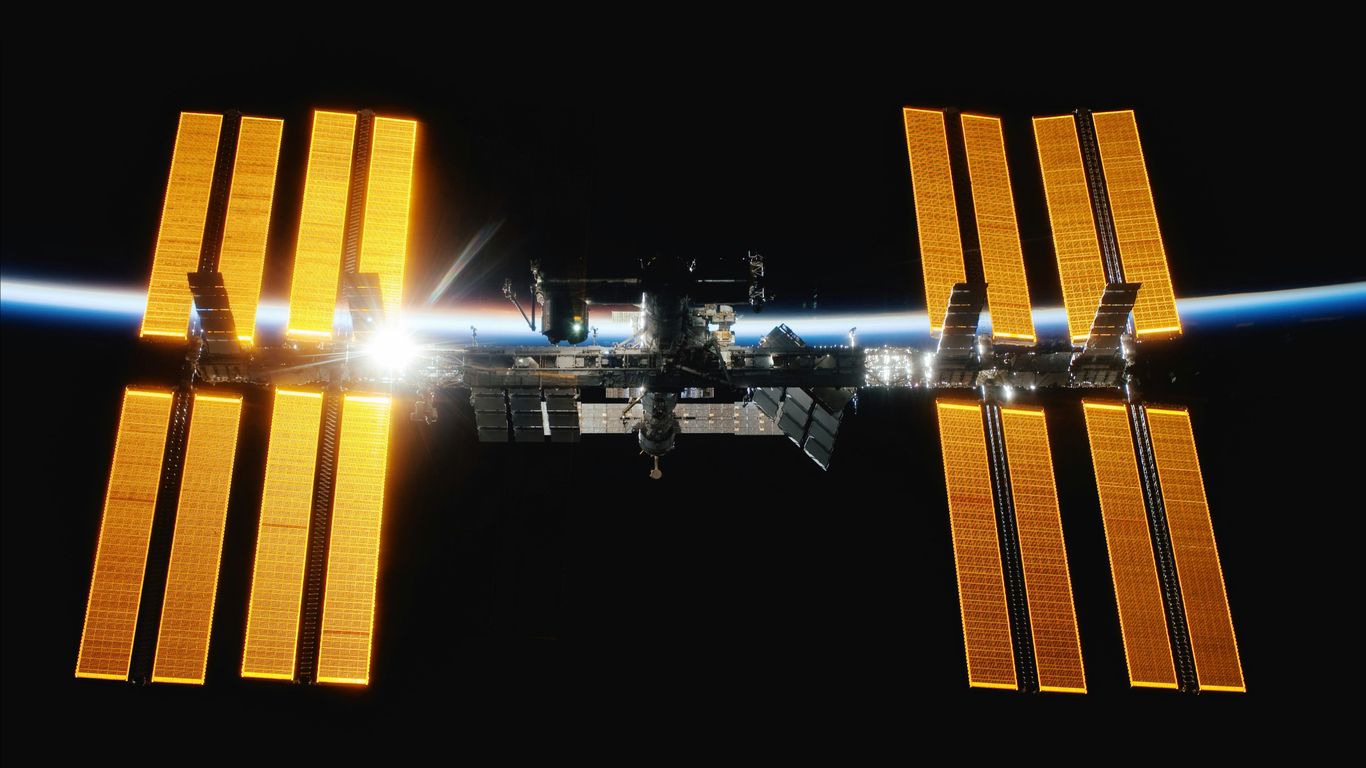
The Crew-9 mission wasn’t just about getting astronauts to and from the International Space Station; it was a floating laboratory, packed with science. The crew spent a significant amount of time conducting over 150 different scientific experiments and technology tests. We’re talking about more than 900 hours dedicated to research, pushing the boundaries of what we know about space and how we can live and work there. This mission really highlighted the ISS as a vital testbed for future exploration.
Focus on Life Sciences and Materials
A big chunk of the research focused on how living things react in microgravity and how different materials behave. They looked into things like plant growth, trying to figure out the best ways to grow food in space for longer missions. There was also some really interesting work on stem cell technology. The goal here is to see if we can use these amazing cells to help treat diseases like blood disorders, autoimmune conditions, and even cancers. Imagine being able to treat serious illnesses in space – that’s the kind of future this research is building towards. They also tested out new lighting systems, which might seem simple, but they’re designed to help astronauts keep their body clocks in sync, which is a big deal for long-duration spaceflight.
Space Station Exterior Sampling
This is a pretty cool one. The crew took samples from the outside of the space station itself. The idea is to see if tiny life forms, like microorganisms, can actually survive out there in the harsh environment of space. It’s like sending out little explorers to see what’s clinging to the hull. They also had a unique experiment involving the first wooden satellite, testing how it holds up in orbit before its deployment. It’s all about understanding how different materials and even potential life can cope with the conditions beyond Earth’s atmosphere.
Crew-9 Return and Recovery
Splashdown Location and Recovery Vessels
After a successful mission aboard the International Space Station, the Crew-9 Dragon spacecraft, named Freedom, made its return to Earth. The splashdown occurred on December 2nd, 2025, in the Gulf of Mexico, specifically off the coast of Tallahassee, Florida. This location is a familiar recovery zone for SpaceX missions. Teams aboard specialized SpaceX recovery vessels were on standby, ready to meet the capsule as soon as it hit the water. Their job is to quickly secure the spacecraft and safely bring the astronauts back to solid ground. It’s a pretty intense operation, making sure everything goes smoothly after months in space.
Crew Reintegration and Debriefing
Once the astronauts were safely back on the recovery ship, the immediate medical checks began. This is a standard procedure to make sure everyone is doing okay after the physical demands of spaceflight and re-entry. From there, the crew was transported to NASA’s Johnson Space Center in Houston, Texas. This is where the real work of reintegration starts. They’ll spend time getting used to gravity again, which always takes a bit of adjustment. Plus, there’s a whole debriefing process. They’ll go over every detail of the mission with the ground teams, sharing their experiences and any observations they made. It’s super important for planning future missions.
Mission Duration and Accomplishments
The Crew-9 mission had a unique start and an extended stay, ultimately lasting longer than initially planned due to the Starliner situation. The crew spent a significant amount of time on the ISS, conducting valuable scientific research and helping with station operations. Their safe return marks the successful completion of NASA’s ninth commercial crew rotation mission. The astronauts involved, Nick Hague and Aleksandr Gorbunov, along with the Starliner crew they helped bring home, demonstrated incredible adaptability and teamwork throughout the entire process. It was a mission that really tested everyone’s ability to adjust on the fly, and they absolutely nailed it.
Wrapping Up Crew-9
So, the SpaceX Crew-9 mission wrapped up with a splashdown in the Gulf of Mexico, bringing astronauts Nick Hague and Aleksandr Gorbunov back to Earth. It was quite the journey, especially with the whole Starliner situation that changed the crew plans mid-stream. This mission really showed how flexible things can be in spaceflight, with the Dragon capsule picking up Wilmore and Williams for their ride home. It’s always a relief to see the capsule land safely, and the crew back on solid ground after a long stay on the space station. Now, the focus shifts to the next missions and what comes next for the Crew Dragon program.