Understanding the Transporter 15 Mission
Alright, let’s talk about SpaceX’s Transporter 15 mission. It’s part of a bigger picture, their SmallSat Rideshare Program. Basically, SpaceX figured out that launching lots of small satellites all at once on their big Falcon 9 rockets is a pretty smart way to get a lot of different customers into orbit without them having to book a whole rocket themselves. It’s like a bus service for satellites, but way faster and going way higher.
SpaceX’s SmallSat Rideshare Program Overview
So, this whole rideshare thing is SpaceX’s answer to the growing need for small satellite launches. Instead of a single company paying for an entire rocket, they can buy a spot on a Falcon 9. This makes space a lot more accessible for smaller players – think universities, startups, or even countries that don’t have their own launch capabilities. The program aims to make launching small satellites more affordable and predictable. It’s a big deal because it lowers the barrier to entry for so many different kinds of space missions.
The Significance of Transporter Missions
The ‘Transporter’ missions are the workhorses of this program. They are dedicated rideshare flights, meaning the rocket is packed with dozens, sometimes even hundreds, of small satellites from various customers. These missions happen pretty regularly, which is key. It means companies can plan their satellite deployments with a reasonable expectation of when they’ll get to fly. It’s not just about getting one satellite up; it’s about building constellations and enabling new services that rely on having many satellites working together. Think about Earth observation, internet services, or scientific research – they all benefit from these frequent, cost-effective launches.
Key Objectives of Transporter 15
For Transporter 15 specifically, the main goal is, of course, to successfully deploy all the customer payloads into their intended orbits. But beyond that, each Transporter mission helps SpaceX refine its processes for integrating so many different satellites and managing complex deployment sequences. They’re constantly learning how to make these missions even more efficient and reliable. It’s also about continuing to prove the viability of the rideshare model, showing that it’s a robust and dependable way for the small satellite industry to grow. Plus, every successful launch and booster landing reinforces SpaceX’s commitment to reusability, which is a huge part of their cost-saving strategy.
Payloads and Deployments on Transporter 15
Alright, let’s talk about what was actually on the Transporter-15 mission. This isn’t just about getting a rocket into space; it’s about what that rocket carries and how it gets there. SpaceX’s rideshare program is all about packing a lot of different customers onto one Falcon 9, and Transporter-15 was no different.
Diverse Satellite Manifest
This mission carried a real mix of satellites. We’re talking about everything from tiny CubeSats, which are often just the size of a shoebox, to larger, more complex microsatellites. These aren’t all for the same purpose, either. You had satellites for Earth observation, which are basically taking pictures of our planet for various uses like tracking weather or monitoring environmental changes. Then there were communications satellites, designed to boost internet access or provide other data services. Some were for scientific research, pushing the boundaries of what we know about space or our own world. The sheer variety shows how rideshare missions are becoming a go-to for a wide range of space-based needs.
Customer Deployments and Partnerships
SpaceX works with a lot of different companies and organizations to get their satellites into orbit. For Transporter-15, this meant partnering with launch integrators like Exolaunch, who help manage the payload and ensure everything is ready for launch. These partnerships are key because not every company has the resources or expertise to handle all the complexities of a space launch. It’s a collaborative effort, with SpaceX providing the ride and the integrators handling the specifics of each satellite.
Technological Innovations in Payload Delivery
Getting dozens of satellites into orbit requires some clever engineering. SpaceX uses specialized adapters and deployment systems to release each satellite safely and precisely into its intended orbit. Think of it like a carefully choreographed dance in space. The Falcon 9’s upper stage acts as the delivery vehicle, and the systems onboard ensure that each satellite is ejected at the right time and in the right direction. This precision is vital to avoid collisions and to make sure each satellite starts its mission in the correct orbital path. The success of these deployments is a testament to the advanced technology SpaceX and its partners employ.
Launch Vehicle and Mission Profile
Falcon 9 Performance and Capabilities
The Falcon 9 rocket is the workhorse for SpaceX’s rideshare missions, and Transporter-15 was no exception. This rocket is known for its reliability and its ability to carry a significant payload mass to orbit. It’s a two-stage rocket, with the first stage powered by nine Merlin engines. These engines provide a massive amount of thrust at liftoff, getting the whole stack moving.
The Falcon 9’s reusability is a big deal for making space access more affordable. After the first stage does its job, it separates and heads back to Earth for a controlled landing, usually on a drone ship or a landing pad. This allows SpaceX to refurbish and reuse the most expensive part of the rocket, cutting down on costs for future launches. For Transporter missions, this capability means more satellites can get to space without breaking the bank.
Ascent and Orbital Insertion Details
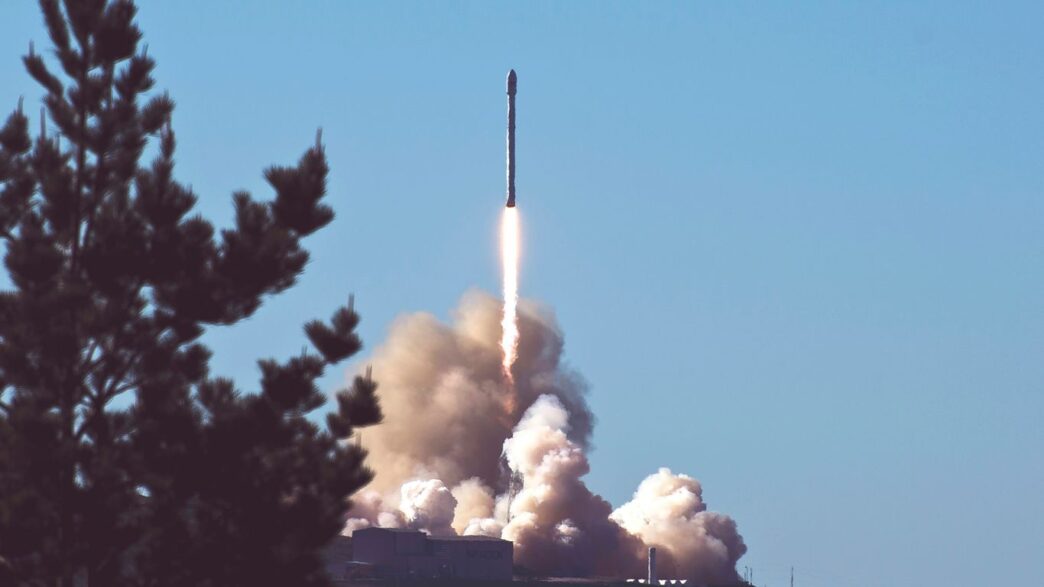
The journey to orbit for Transporter-15 started with a powerful liftoff. The Falcon 9’s first stage burned for a few minutes, pushing the rocket through the thickest part of the atmosphere. Once that stage was spent, it separated, and the second stage’s engine ignited. This second stage is responsible for carrying the payload the rest of the way to its intended orbit.
For a rideshare mission like Transporter-15, the second stage doesn’t just put everything in one spot. It performs a series of burns and separations over a period of time. This allows the diverse set of satellites, each with its own orbital requirements, to be deployed precisely where they need to be. It’s a carefully choreographed ballet in space, with the rocket acting as the conductor.
Booster Recovery and Reusability
As mentioned, booster recovery is a hallmark of the Falcon 9. After stage separation, the first stage performs boostback and re-entry burns to slow itself down and orient for landing. It then executes a landing burn to gently touch down.
Here’s a general idea of the booster recovery process:
- Stage Separation: The first and second stages split apart.
- Boostback Burn: The first stage reignites its engines to change its trajectory back towards the launch site or drone ship.
- Re-entry Burn: Another burn helps slow the booster down as it enters the atmosphere.
- Landing Burn: Finally, a last burn slows the booster for a soft touchdown.
This reusability isn’t just about saving money; it also means SpaceX can launch more frequently. With Transporter missions packing so many satellites, having a reliable and reusable launch vehicle is key to meeting the demand for small satellite deployment.
Historical Context of Transporter Missions

SpaceX’s Transporter missions didn’t just appear out of nowhere. They’re a big part of the company’s plan to make getting satellites into space easier and cheaper for everyone. Think of it like this: before, launching a small satellite was like trying to book a whole airplane just for one package. It was super expensive and didn’t happen very often.
Evolution of SpaceX’s Rideshare Program
SpaceX started figuring out how to pack more than one satellite onto a rocket a while back. They first started putting customer satellites on their Starlink missions back in 2020. This was a pretty big deal because it meant more people could get their small satellites up without paying for a whole rocket themselves. Then came the official Transporter series. The very first one, Transporter-1, launched in January 2021. It was a huge success, carrying 133 small satellites. Since then, SpaceX has been running these missions pretty regularly, almost like a bus service for satellites.
Successes of Previous Transporter Missions
Looking back, these missions have been incredibly successful. Each Transporter flight has carried more and more satellites, showing how much demand there is. For example, Transporter-6 in December 2022 carried 114 payloads, and Transporter-7 in March 2023 launched 50. By the time Transporter-13 rolled around in March 2025, they were launching even more, with Exolaunch alone deploying 27 satellites on that single mission. It’s clear that these rideshare flights are becoming the go-to option for many satellite operators.
Lessons Learned from Prior Deployments
With each mission, SpaceX and its partners, like Exolaunch, learn a lot. They’ve gotten really good at managing a large number of satellites from different customers all on one rocket. This involves figuring out the best way to separate each satellite so they don’t bump into each other and making sure they all get to their correct orbits. The sheer volume and regularity of these missions have pushed the industry to develop better integration and deployment systems. They’ve also learned how to handle the logistics of getting so many different payloads ready for launch, which is no small feat. This continuous improvement means future missions are likely to be even more efficient.
The Role of Exolaunch in Transporter 15
When you think about getting a bunch of small satellites into space on a big rocket like SpaceX’s Falcon 9, it’s not just about the rocket itself. There’s a whole lot of coordination and specialized gear needed to make sure each little satellite gets to its right spot safely. That’s where companies like Exolaunch come in, and they’ve been a pretty big deal for SpaceX’s rideshare missions, including Transporter 15.
Exolaunch’s Launch Integration Services
Exolaunch basically acts as a go-between, handling a lot of the tricky details that go into preparing dozens of different satellites for a single launch. They work with all sorts of customers, from big companies to smaller startups, making sure their satellites are ready to fly. This involves a lot of planning, like figuring out where each satellite will fit on the rocket and how it will be released. They’ve gotten really good at this, managing hundreds of satellites across many missions. Their ability to coordinate so many different payloads is a key reason why rideshare missions are so successful.
Satellite Separation Systems
Once the Falcon 9 reaches orbit, the satellites need to be deployed. This isn’t just a case of opening a door; it requires specific systems to push each satellite out gently and in the right direction. Exolaunch designs and provides these separation systems. They have different types of hardware, like their CarboNIX adapters, which are built to work with SpaceX’s requirements for mass and where the satellite sits on the rocket. They’ve also developed newer systems, like the "Quadro" separation system, which they debuted on a recent mission. These systems are designed to be reliable, making sure each satellite gets a clean break from the rocket and its neighbors.
Milestones Achieved with Exolaunch
Exolaunch has been involved with SpaceX’s rideshare program since the very beginning. They put satellites on the first Falcon 9 rideshare mission back in 2021 and have been on pretty much every Transporter mission since then. They’ve helped deploy hundreds of satellites over the years. For example, on Transporter-13, they deployed a significant number of satellites and even hit their 500th satellite deployment milestone. They also have a history of working with various satellite companies, signing agreements for multiple launches, which shows the trust customers place in their services for getting satellites into orbit reliably.
Future Implications of Transporter 15
So, what does the Transporter-15 mission mean for the future? It’s more than just another launch; it’s a sign of where the small satellite industry is headed. Think about it: SpaceX is making it way easier and cheaper for lots of different companies and countries to get their satellites into space. This isn’t just about launching a few satellites anymore; it’s about building entire constellations and doing all sorts of new things in orbit.
Impact on the Small Satellite Market
This mission, and others like it, are really shaking things up for small satellite companies. Before, getting a satellite launched was a huge hurdle, often costing millions and taking years to arrange. Now, with rideshare missions like Transporter-15, the cost is way down, and the schedule is much more predictable. This means more players can enter the market, from big companies building global internet networks to smaller research groups and even countries that didn’t have their own launch capabilities before.
- Increased Competition: More companies can afford to launch, leading to more innovation and potentially lower prices.
- New Business Models: Companies can focus on building and operating satellites, rather than worrying about launch logistics.
- Faster Development Cycles: Getting to orbit quicker means quicker testing and iteration of new technologies.
Advancements in Space Access
SpaceX’s Falcon 9 rocket is a workhorse, and these Transporter missions show just how good it is at carrying a lot of different things to space efficiently. It’s not just about getting satellites up there; it’s about how they get deployed. Systems developed by partners like Exolaunch are getting really good at releasing these small satellites precisely where they need to go, without them bumping into each other. This regular, reliable access is paving the way for more complex operations in orbit, like servicing satellites or even building things in space.
Next Steps for SpaceX Rideshare
Looking ahead, SpaceX isn’t slowing down. They’ve got more Transporter missions planned, and they’re always looking at how to make things even better. We’re likely to see even larger numbers of satellites on future missions, perhaps with even more specialized deployment needs. The success of Transporter-15 shows that this model works, and it’s going to be a big part of how we use space for years to come. It’s exciting to think about what kind of new applications and services will emerge as space becomes more accessible to everyone.
Wrapping Up Transporter-15
So, that’s the rundown on the Transporter-15 mission. It’s pretty wild to think about how many satellites can fit on one rocket these days. SpaceX keeps pushing the limits with these rideshare missions, making space more accessible for all sorts of projects. We’ve seen them launch tons of satellites before, and this one was no different, just another successful trip to orbit. It really shows how much the small satellite game has changed, and it’s exciting to see what comes next.