

Navigating Extended Producer Responsibility In 2026
Understanding EPR’s Accelerating Momentum
Extended Producer Responsibility, or EPR, is really starting to pick up steam across the US. It’s not just a few states anymore; more and more are jumping on board with laws that make producers responsible for the end-of-life management of their packaging. Think of it like this: if you make it, you help pay for its cleanup or recycling. This shift is happening fast, and by 2026, it’s going to be a major factor for anyone putting products on the market.
The core idea is simple: shift the financial and operational burden of waste management from taxpayers and municipalities to the companies that produce the packaging in the first place. This isn’t just about recycling rates; it’s about encouraging better design from the get-go, pushing for less waste, and making sure materials can actually be reused or recycled effectively. We’re seeing different approaches, but the trend is clear – EPR is here to stay and grow.
Addressing Rising Costs and Fee Structures
So, what does this mean for businesses? Well, it means costs. EPR laws typically involve fees that producers have to pay. These fees are often based on the amount and type of packaging a company uses. It’s not always straightforward, though. Different states have different ways of calculating these fees, and the money collected is supposed to fund recycling programs, public education, and infrastructure improvements. It’s a complex puzzle, and figuring out how these fees will impact your bottom line is a big part of the challenge.
Here’s a look at how some states are setting things up:
- California (SB 54): Fees are expected to start in 2027. The exact amounts will depend on the packaging material and its recyclability. Producers will pay into a system managed by a Producer Responsibility Organization (PRO).
- Minnesota: Producers will cover half of the state’s recycling costs by 2029, ramping up to 90% by 2031. This is a shared responsibility model, meaning producers don’t foot the entire bill alone.
- Oregon: Similar to Minnesota, this state also uses a shared responsibility model where producers contribute to recycling costs.
Harmonizing Disparate State Regulations
One of the trickiest parts of EPR is that every state seems to be doing its own thing. California has its SB 54, Minnesota has its new law, and other states are in various stages of developing or implementing their own rules. This creates a patchwork of regulations that can be really confusing for companies operating nationwide. What’s considered acceptable packaging in one state might be a problem in another. Trying to keep track of all these different requirements, deadlines, and fee structures is a huge undertaking.
For example, producer registration deadlines have been a big point of focus. In states like California, Colorado, and Oregon, producers had to register with their designated PRO (like the Circular Action Alliance) by July 1st. Missing these deadlines can lead to penalties. Then there are the reporting requirements, which often come with their own timelines. California’s SB 54, for instance, had a reporting deadline of November 15, 2025, even though the regulations weren’t fully finalized. This means companies had to make educated guesses and prepare for compliance based on draft rules. It’s a constant effort to stay updated and ensure you’re meeting the specific demands of each jurisdiction.
Innovation Fueled by Sustainability Mandates
Extended Producer Responsibility (EPR) laws aren’t just about fees and compliance anymore. They’re actually pushing companies to get creative with their packaging. Think of it like this: the more sustainable your packaging is, the less you might have to pay. This has companies looking at new ways to design and use materials.
Leveraging EPR Fees for Packaging Innovation
So, EPR fees are a thing, and they can add up. But instead of just seeing them as a cost, some businesses are figuring out how to use that money – or the savings from avoiding those fees – to invest in better packaging. It’s like a nudge to innovate. For example, a company might spend less on EPR if they switch to packaging that’s easier to recycle or uses less material overall. That saved money can then go into research and development for even more eco-friendly options.
- Reducing virgin plastic use: Companies are looking for ways to cut down on new plastic and use more recycled content instead. This often means redesigning packaging to use less material or switching to materials that are more readily recycled.
- Designing for recyclability: Packaging that can actually be recycled in most places is a big win. This means avoiding certain inks, adhesives, or mixed materials that make recycling difficult.
- Exploring new material sources: Beyond just recycled content, there’s a growing interest in materials that are compostable or made from renewable resources, though these often come with their own set of challenges and end-of-life considerations.
The Role of AI in Driving Packaging Advancements
Artificial intelligence (AI) is starting to pop up in a lot of places, and packaging is no exception. It’s not just about robots on an assembly line anymore. AI can help analyze huge amounts of data to figure out the best packaging designs. It can predict how materials will perform, identify potential problems before they happen, and even help optimize supply chains to reduce waste.
Imagine AI helping to design a package that uses the absolute minimum amount of material while still protecting the product. Or AI could track packaging through its lifecycle, providing data that helps companies meet EPR requirements and identify areas for improvement. This data-driven approach is becoming key to making packaging both sustainable and efficient.
Emerging Materials and Eco-Modulation Trends
Beyond the usual suspects, there’s a whole world of new materials and ideas coming into play. Eco-modulation is a fancy term for adjusting fees based on how environmentally friendly a package is. So, a package that’s made from recycled materials or is easily recyclable might get a break on fees.
We’re seeing more interest in things like:
- Mono-material packaging: This means using just one type of plastic or material for a package, which makes it much easier to recycle than mixed materials.
- Bio-based plastics: These are plastics made from plants or other renewable sources, though their actual environmental benefit can vary depending on how they’re produced and disposed of.
- Advanced recycling technologies: While not a material itself, new ways to break down plastics into their basic components are emerging, which could help create higher-quality recycled content for packaging.
It’s a complex space, and companies are really having to pay attention to the details to stay ahead of the curve.
The Evolving Landscape of Packaging Policy
It feels like every week there’s a new law or update about packaging, and honestly, it’s a lot to keep up with. States are really starting to get serious about Extended Producer Responsibility (EPR), and it’s changing how we think about packaging from start to finish. It’s not just about what happens at the end of a product’s life anymore; it’s about the whole picture.
Key Policy Updates Across U.S. States
Things are moving fast across the country. We’re seeing states roll out new rules that cover everything from how we report data to what kind of labels we can put on packaging. It’s a patchwork of regulations, and figuring out how to comply with all of them can be a real headache for businesses.
- Maine was one of the first to pass an EPR law and has since made updates to make it work better with other states’ rules. This should make things a bit easier for companies operating nationwide.
- Hawaii and Rhode Island have both passed "pre-EPR" bills, which are basically needs assessments. They’re laying the groundwork for future EPR programs, so it’s worth keeping an eye on them.
- Maryland and Washington are also moving forward with their own EPR efforts after years of work.
The Impact of California’s Truth in Labeling Law
California’s SB 343, also known as the Truth in Labeling Law, is a big deal. The state’s recycling agency, CalRecycle, has put out a FAQ to help everyone understand what it means for packaging recyclability claims. This law is making companies really think twice about what they put on their labels to avoid misleading consumers. It’s all about making sure that when something says it’s recyclable, it actually is, and that the systems are in place to handle it.
European Union’s Packaging and Waste Regulation
Over in Europe, the Packaging and Packaging Waste Regulation (PPWR) is also a major piece of policy shaping the industry. It’s a pretty comprehensive set of rules aimed at reducing packaging waste and increasing recycling rates across all EU member states. The goal is to make packaging more sustainable and circular. This regulation is influencing global packaging trends, so even if you’re not operating in the EU, it’s good to know what’s happening there.
Shaping the Future of Tertiary Packaging
Tertiary packaging used to be sort of an afterthought—wrap some pallets, throw on some tape, and move on. But now, with new rules and more people tracking what happens at every step, how companies handle this kind of packaging is suddenly under the microscope. Regulators care, retailers care, and the pressure is on for brands to rethink what wraps and protects their shipments.
The Critical Role of Tertiary Packaging in EPR
For anyone not keeping up, Extended Producer Responsibility (EPR) rules don’t just focus on the plastic bottles or snack wrappers on the shelf. They’re looking at what happens behind the scenes, too. Tertiary packaging—stuff like stretch wrap, pallets, cornerboards, and dunnage—has become a bigger part of company waste numbers. Here’s why it matters:
- Fees for wasteful packaging are on the rise under EPR.
- Every layer or ounce of unnecessary material increases both cost and carbon footprint.
- Failing to track this packaging can mean fines or lost contracts with big retailers.
So brands are waking up: this isn’t just about what the customer sees, it’s about every material used between the factory and the store.
Tracking and Measuring Material Use for Compliance
Measuring every single material in your supply chain isn’t easy, but it’s quickly becoming non-negotiable. Companies are putting software to work so they can produce clean spreadsheets for regulators. Here are a few things brands are focusing on for 2026:
- Tracking how much stretch film and tape goes onto each pallet
- Monitoring recycled content in corrugated board or shrink wrap
- Recording volume of cornerboard and dunnage used per shipment
| Packaging Item | 2025 Avg. Use per Pallet | 2026 Target Use per Pallet |
|---|---|---|
| Stretch Film | 150g | 120g |
| Cornerboard | 2 pieces | 1 piece |
| Dunnage | 250g | 200g |
What gets measured, gets improved—and, eventually, what gets reported affects a company’s fees.
Mono-Material Packaging for Enhanced Circularity
Here’s something that keeps popping up at every conference: mono-material solutions. In plain English, this means picking one material for all packaging, making recycling much simpler. Why are folks getting into it?
- Mono-materials (like all-PE or all-PP) work well with recycling systems—there’s less confusion about what goes where.
- They help companies prove they’re cutting out complex, hard-to-sort waste.
- Using a single type of material in tertiary packaging lowers EPR fees, since it’s easier for the recycler.
To sum up: if you want to cut costs and meet all these rules, it’s worth looking at every bit of your packaging—especially the unglamorous stuff at the back of the warehouse. Focus on tracking, trimming, and switching to simpler materials, and you’re more likely to be ready when the next wave of regulations hits.
Strategic Approaches to Sustainable Packaging
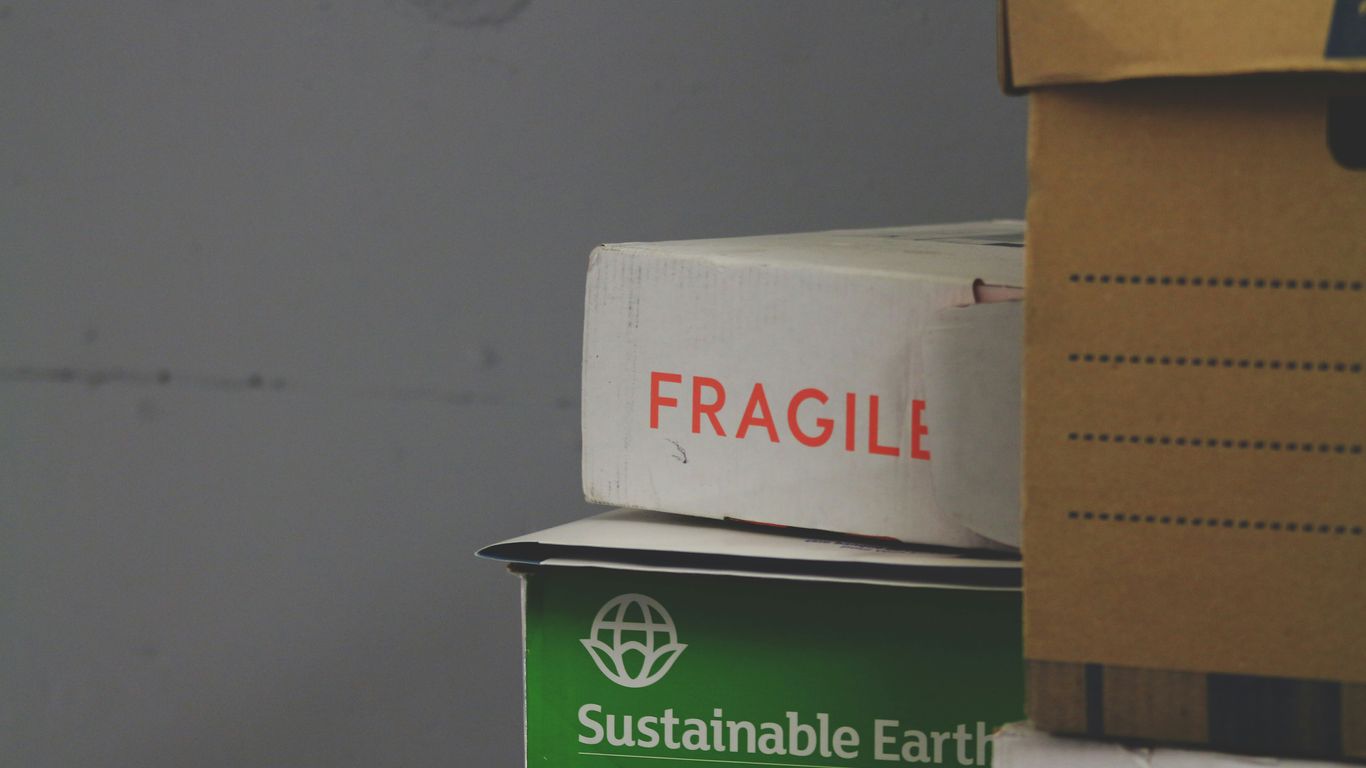
When we talk about sustainable packaging in 2026, it’s not just about looking good on the shelf anymore. It’s about making smart choices that work for the planet and your bottom line. This means really digging into how we design, use, and manage materials from start to finish.
Designing for Recyclability and Waste Reduction
This is where it all begins. We need to think about what happens to packaging after it’s used. Are the materials easy to sort at recycling facilities? Can they actually be turned into something new? Focusing on designs that use fewer materials or materials that are widely accepted in recycling programs is key. It’s about making things simpler for the recycling system.
- Prioritize mono-material packaging: Using a single type of plastic, like polyethylene (PE) or polypropylene (PP), makes it much easier to recycle compared to mixed materials.
- Reduce unnecessary components: Think about things like excessive labels, coatings, or mixed-material closures that can contaminate recycling streams.
- Consider end-of-life: Design with the recycling process in mind, choosing materials that have established recycling markets.
Optimizing Material Use and Source Reduction
This is all about using less stuff in the first place. It’s not just about recycling; it’s about cutting down on waste before it even becomes a problem. Think about how much stretch film you’re using on a pallet, or if you can use lighter-weight materials without compromising product protection. Every bit of material saved is a win for sustainability and cost savings.
Here’s a quick look at how material optimization can play out:
| Area of Focus | Potential Savings (Estimated) | Notes |
|---|---|---|
| Stretch Film | 10-20% reduction | Thinner films, optimized wrap patterns |
| Cardboard (Corrugate) | 5-15% reduction | Right-sizing boxes, lighter board grades |
| Dunnage (Void Fill) | 20-30% reduction | Alternative fill, better product bracing |
Collaboration and Long-Term Planning for Compliance
Nobody can do this alone. With Extended Producer Responsibility (EPR) laws popping up all over, understanding what’s coming and planning ahead is super important. This means talking to your suppliers, your customers, and even industry groups. Sharing information and working together can help everyone meet new rules without a huge headache. It’s about building a strategy that lasts, not just a quick fix. Getting ahead of these regulations means you’re not scrambling when deadlines hit, and you can actually use these changes to your advantage.
Industry Collaboration and Sponsorship

It’s pretty clear that tackling the complexities of sustainable packaging, especially with Extended Producer Responsibility (EPR) laws becoming more common, isn’t something any single company can do alone. That’s where working together and getting support from industry events really comes into play. Think of it like a big potluck – everyone brings a dish, and the whole group gets a much better meal.
Showcasing Brands at Key Industry Events
Events like SPC Impact 2026 are a big deal for companies wanting to get their name out there. When you sponsor an event, you’re not just throwing money at it; you’re getting a platform. Imagine having a spot where hundreds of people who actually care about packaging sustainability can see what you’re doing. It’s a chance to show off new materials, smart designs, or even services that help others meet their goals. For example, Amcor, an anchor sponsor, has been around for ages, making packaging that’s supposed to be better for the planet. They get to highlight their work in reducing waste and using recycled stuff, right in front of potential customers and partners. It’s a direct line to people who are actively looking for solutions.
Building Collaborative Projects with Industry Leaders
Beyond just showing up, these events are breeding grounds for actual teamwork. You might meet someone from another company, maybe a material supplier or a brand owner, and realize you’re both wrestling with the same problem. That’s when ideas for joint projects start to form. Take the Circular Action Alliance (CAA), for instance. They’re a PRO, meaning they help companies follow EPR rules. By being at these events, they can connect with producers who need that help and start working on compliance strategies together. It’s about pooling resources and knowledge. Even companies like Henkel, with their wide range of products, can find partners to test out new sustainable packaging ideas. It’s not just about selling; it’s about building something better, together.
The Value of Sponsorship in Driving Sustainable Initiatives
Sponsorship isn’t just about visibility; it’s about actively pushing the needle forward. When companies like Tetra Pak or Trayak sponsor these gatherings, they’re signaling their commitment to sustainability. This financial backing helps make these events happen, bringing together the minds that can solve tough problems. It also means more resources can be dedicated to things like research and development. For example, CJ Biomaterials is developing new biopolymers. Sponsoring an event gives them a chance to talk about their PHA technology with potential users, accelerating the adoption of these newer, greener materials. Ultimately, sponsorship is an investment in a more sustainable future for packaging, benefiting everyone involved.
Here’s a quick look at how different sponsors contribute:
- Anchor Sponsors: These are usually the big players, providing significant financial support and often setting the tone for the event. Think of them as the main course.
- Event Sponsors: These companies offer substantial backing, helping to cover event costs and gain prominent visibility. They’re like the popular side dishes.
- Exhibitors: While not always direct sponsors, exhibitors showcase their products and services, contributing to the overall exchange of ideas and solutions. They’re the attendees bringing their own unique contributions.
Looking Ahead to 2026 and Beyond
So, what does all this mean as we look towards 2026? It’s clear that the packaging world is in for some big changes. Extended Producer Responsibility, or EPR, is really picking up steam across different states, and companies are figuring out how to deal with the costs and different rules. We’re also seeing how technology, like AI, might help us find better packaging solutions. It’s not just about making things look good anymore; it’s about making them work better for the planet and following new laws. Staying on top of these trends, like the ones discussed at SPC Impact, will be key for businesses wanting to keep up and do their part. It’s going to be an interesting few years for sure.