Keeping up with the power plant news and trends can feel like a full-time job these days. The energy world is changing fast, and what worked yesterday might not cut it tomorrow. From new demands on the grid to how we build and run our power sources, there’s a lot to consider. This article breaks down some of the big shifts happening, looking at what they mean for the industry and how we can all stay on track.
Key Takeaways
- The grid is facing new demands from things like electric cars and AI, changing the old patterns of energy use.
- Getting new power projects connected and moving electricity where it’s needed is getting harder due to grid limits and long waiting lists.
- Building and updating power infrastructure costs a lot, and balancing these expenses with keeping bills fair for customers is a major challenge, especially with rising prices and supply issues.
- Nuclear power is getting a second look, while solar and wind continue to grow, with battery storage playing a bigger role in keeping the power steady.
- The industry needs more workers, and using digital tools and working with schools will be key to keeping operations running smoothly and efficiently.
Navigating The New Load Curve: Electrification And AI Demand
The Electrification Of Everything
Remember when the power grid mostly just powered lights and maybe a few appliances? Those days are long gone. We’re seeing a massive shift across the board. Cars are going electric, homes are switching to electric heating, and even factories are plugging into the grid more than ever. This widespread "electrification of everything" means the baseline demand for electricity is climbing steadily. It’s not just about powering your phone anymore; it’s about powering entire transportation systems and industrial processes.
AI’s Impact On Energy Consumption
And then there’s Artificial Intelligence. It’s not just a buzzword; it’s a huge energy consumer. Think about all those massive data centers churning away 24/7, training AI models and crunching numbers. These facilities are becoming incredibly power-hungry, often needing as much electricity as hundreds of thousands of homes, all concentrated in one spot. Some new projects are even talking about needing over a gigawatt of power – that’s a staggering amount. This demand is growing at a speed we haven’t seen in decades, putting a real strain on our existing power infrastructure.
The Rise Of Hyperscale Users
These AI and data center operations are what we call "hyperscale users." They’re not your typical energy consumers. They need enormous amounts of power, and they need it reliably. The problem is, they often want to build these facilities on timelines that are much faster than the traditional utility planning and construction cycles. This creates a real challenge: how do we build out the necessary power generation and, more importantly, the transmission and distribution lines to get that power to these specific locations quickly and efficiently? It’s a balancing act that’s forcing a rethink of how we plan and build our energy systems.
Addressing Grid Constraints And Interconnection Challenges
So, the grid is getting pretty crowded, and getting new power sources hooked up is becoming a real headache. It feels like everyone wants to plug in, but the system wasn’t really built for this kind of rush.
The Growing Interconnection Queues
Imagine a really long line at the DMV, but instead of cars, it’s for new power projects wanting to connect to the grid. That’s kind of what’s happening with interconnection queues right now. We’re seeing record numbers of projects waiting, and this is really slowing things down for everything from solar farms to big data centers. It’s not just renewables; any new power source is stuck waiting, sometimes for years. This backlog means we’re not getting new energy online as fast as we need it.
Transmission Congestion And Its Impact
Even when we have power, getting it where it needs to go is another story. Think of it like traffic jams on the highway. Transmission lines, which are the highways for electricity, are often full. This means that sometimes, even if there’s plenty of power being generated, it can’t reach the areas that need it most. This congestion leads to wasted energy (called curtailment) and makes electricity prices jump around more than they should. It also means we’re not using the power we already have as efficiently as possible.
Implementing An All-Of-The-Above Energy Strategy
Because of these issues, it’s becoming clear that we can’t just rely on one or two types of power. We really need to look at everything available. This means:
- Boosting renewables: Continuing to build out solar and wind, but making sure they’re paired with battery storage so they can provide power even when the sun isn’t shining or the wind isn’t blowing.
- Adding firm power: Bringing more natural gas plants online or upgrading existing ones. These can be turned on quickly when needed and provide reliable power.
- Exploring new options: Keeping an open mind about other technologies that can help balance the grid and meet demand reliably.
This balanced approach is key to making sure we have enough power, when and where we need it, without breaking the bank. It’s a complex puzzle, but figuring out how to get all these pieces to work together is what the industry is focused on right now.
The Infrastructure Buildout Versus Affordability Balancing Act
So, we’ve got this massive push to build out our power grid, right? It’s like a once-in-a-generation project. We’re talking about upgrading old power plants, putting in new transmission lines, replacing tons of equipment, and even burying some of it. All this is happening at a time when electricity demand is shooting up, thanks to things like electric cars and all those new data centers. It’s a huge undertaking, and the price tag is pretty hefty.
Upgrading Aging Power Plant Infrastructure
Much of the power infrastructure we rely on today was built decades ago, and it’s showing its age. Think of it like an old car that’s constantly breaking down. We need to replace outdated generators and transmission lines that just can’t handle the new demands. This isn’t just about keeping the lights on; it’s about making sure the grid can handle the increased load from electrification and the massive computing power needed for AI. It’s a big job, and it costs a lot of money.
Managing Costs For Ratepayers
Here’s the tricky part: all these upgrades cost money, and guess who ends up paying for them? We do, through our electricity bills. People are already feeling the pinch with rising costs for everything, and nobody wants their power bill to go through the roof. Regulators are paying close attention to this, trying to find ways to keep costs down for regular folks while still getting the necessary work done. It’s a tough balancing act, for sure.
Inflation And Supply Chain Bottlenecks
On top of everything else, we’re dealing with inflation, which makes materials and labor more expensive. Plus, getting all the necessary parts and equipment can be a challenge due to supply chain issues. It’s like trying to build something complicated when half the parts are stuck on a ship somewhere or cost way more than you expected. This just adds to the overall cost and complexity of upgrading the grid.
The Evolving Role Of Nuclear And Renewable Power
Renewed Interest In Nuclear Energy
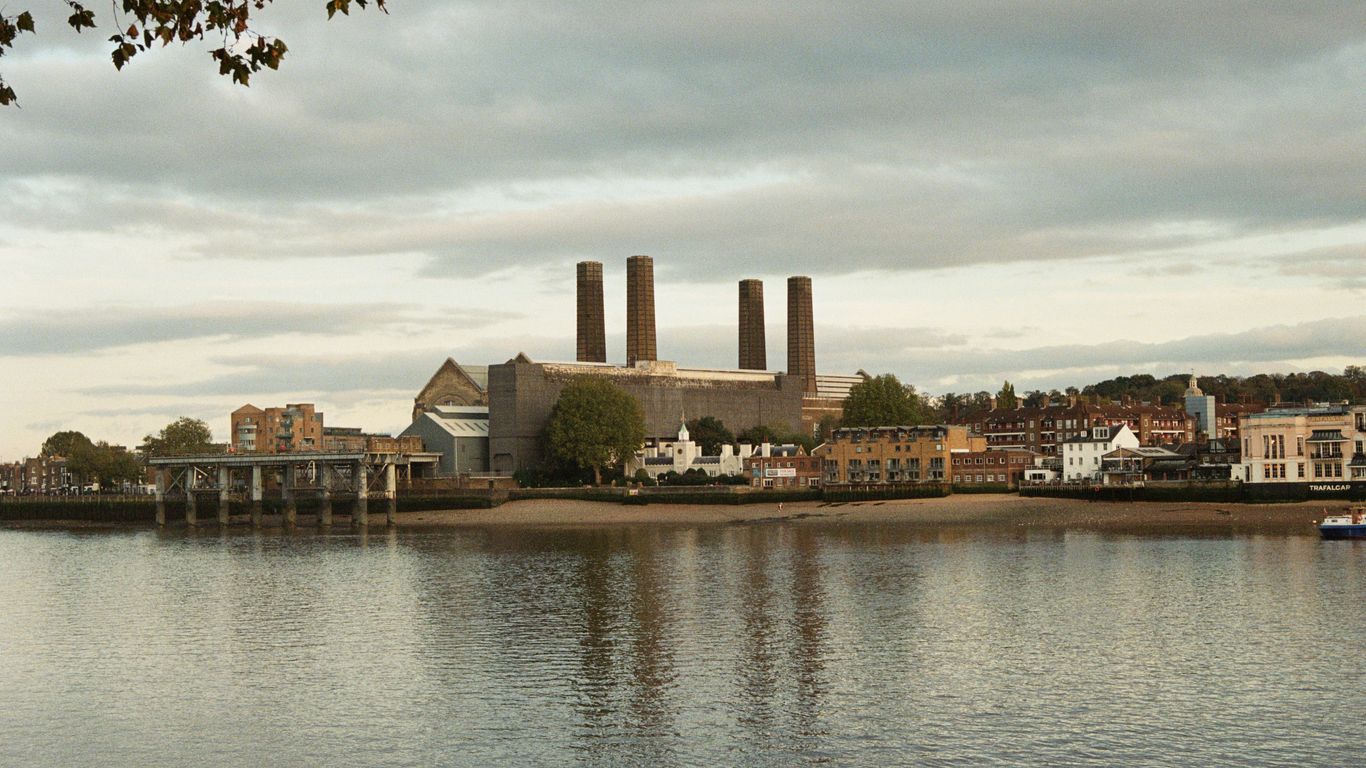
It feels like nuclear power is having a bit of a comeback, doesn’t it? After years of being in the background, there’s a noticeable buzz around it again. We’re seeing global nuclear generation hit new highs, which is pretty significant. Part of this renewed interest is the development of smaller, more flexible reactor designs, like Small Modular Reactors (SMRs). These aren’t your grandpa’s giant power plants; they’re designed to be more adaptable. Plus, there’s still a place for the big, traditional nuclear plants to provide a steady, reliable power source. It’s all about finding the right mix to meet growing energy needs.
The Growth Of Renewable Energy Sources
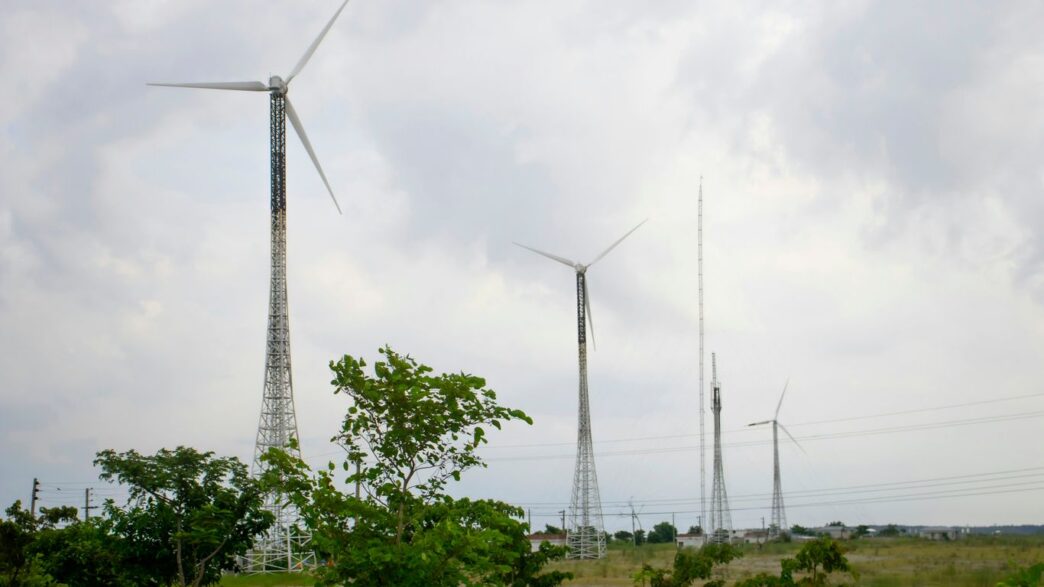
On the other side of the coin, renewables are really taking off. Solar and wind power are on the verge of becoming the world’s biggest source of electricity, even surpassing coal. This growth is fueled by a few things: technology is getting better and cheaper, and there’s a big push for cleaner energy. It’s not just about adding more panels or turbines; it’s about integrating them smarter into the grid. We’re seeing a lot more projects getting planned, but sometimes they get held up waiting for grid connections, which is a whole other headache we’ll talk about later.
Battery Storage As A Flexibility Solution
So, we’ve got more solar and wind, which are great, but they don’t produce power when the sun isn’t shining or the wind isn’t blowing. That’s where battery storage comes in. It’s becoming a really big deal, and it’s starting to make financial sense even without government help. Think of batteries as the grid’s shock absorbers. They can store excess energy when it’s plentiful and then release it when demand is high or when renewable sources aren’t producing. This ability to store and release power quickly is what we call flexibility, and it’s becoming super important for keeping the lights on reliably as we add more variable renewable energy to the mix. It’s a game-changer for grid stability.
Workforce Dynamics And Digitally-Driven Efficiency
It’s no secret that the power industry is facing a bit of a people problem. We’ve got a lot of work to do, from building new infrastructure to keeping the lights on, but the number of skilled workers isn’t keeping pace. Many experienced folks are retiring, and we’re not bringing in enough new talent to fill those shoes. This isn’t just about needing more hands; it’s about needing the right skills for a grid that’s getting more complex by the day.
Addressing Talent Shortages In The Industry
The energy transition is creating a real bottleneck when it comes to skilled workers. Think engineers, system operators, and the crews out in the field – they’re all in short supply. With a lot of the current workforce nearing retirement age, these shortages are hitting us hard, right when we need their expertise the most to handle all these new challenges. It feels like we’re trying to build a skyscraper with a limited crew.
Leveraging Digital Tools For Productivity
This is where technology can really help us out. Instead of just trying to hire more people, which is tough, we can use digital tools to make the folks we do have much more productive. Think of it as giving your team a super-powered toolkit. These applications aren’t meant to replace people; they’re designed to multiply their effectiveness. When you’re trying to do more with fewer resources, smart tech can be a game-changer.
Here are a few ways digital tools are making a difference:
- Predictive Maintenance: Using sensors and data analysis to fix equipment before it breaks, saving time and preventing costly outages.
- Automated Reporting: Cutting down on the hours spent manually compiling data, freeing up staff for more critical tasks.
- Remote Monitoring: Allowing experts to oversee operations from afar, reducing the need for constant on-site presence and speeding up response times.
The Importance Of Industry-Academic Collaboration
We can’t solve this talent gap alone. We need to work more closely with schools and training programs. This means partnering with universities and technical colleges to make sure their programs are teaching the skills we actually need today. Updating what’s taught in power engineering courses to reflect the modern grid, and getting students hands-on experience through internships and apprenticeships, is key. Building these bridges between the industry and academia is how we’ll develop the next generation of grid experts and keep our knowledge base strong. It’s also a good way to keep experienced workers engaged, perhaps through mentorship programs, passing down that valuable institutional knowledge before it walks out the door.
Enhancing Resilience In A Changing Landscape
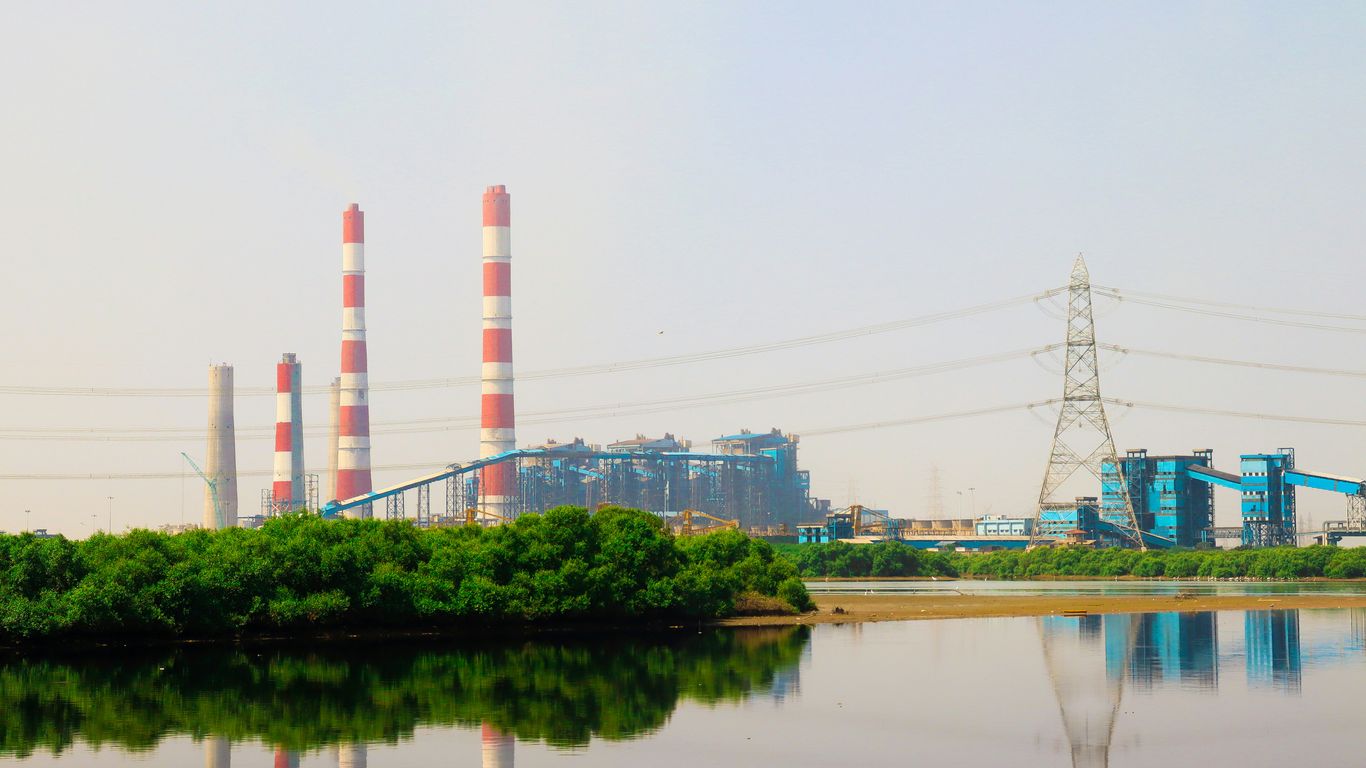
The weather seems to be getting wilder, doesn’t it? We’re seeing more intense storms, longer droughts, and just generally more unpredictable conditions. This means power plants and the grid need to be tougher than ever. It’s not just about bouncing back after a disaster; it’s about building systems that can handle these events from the start.
Integrated Resilience Programs
Utilities are starting to think about resilience in a more connected way. Instead of just focusing on one part of the system, they’re looking at the whole picture. This means making sure different parts of the grid can work together even when things go wrong. Think of it like a well-coordinated team rather than a bunch of individual players. These programs help keep things running smoothly by improving how we see what’s happening on the grid and having backup plans ready. Plus, lining up these long-term resilience projects with how we account for aging equipment can help keep costs down for customers over time. Using money from government programs alongside a mix of different solutions also makes the whole system stronger.
Cybersecurity As A Core Resilience Element
In today’s world, a lot of our power systems run on digital technology. That’s great for efficiency, but it also means we have to worry about cyber threats. Protecting our digital systems is just as important as making sure the physical parts of the power plant can withstand a hurricane. If hackers get in, they could cause major disruptions, even if the power lines themselves are fine. So, keeping those computer systems secure is a big part of making sure the lights stay on.
Strengthening Storm Response Capabilities
Most power companies already have plans for when bad weather hits, and that’s a good start. But with the increasing severity of storms, these plans need to be even better. This involves getting crews and equipment ready faster, making sure everyone is on the same page, and having enough resources to handle widespread damage. It’s about improving the logistics and coordination so that when a storm does strike, power can be restored more quickly to the communities that need it. Combining these improved response efforts with broader resilience programs means we can lessen the impact of disasters and speed up recovery.
Looking Ahead
So, it’s pretty clear things are changing fast in the power plant world. We’re seeing huge shifts with new demands from things like AI and electric cars, plus the grid itself is getting stretched. It’s not just about keeping the lights on anymore; it’s about building a smarter, tougher system for the future. Staying on top of these trends, from new tech to how we manage our workforce, is key. It’s a lot to take in, but by keeping an eye on what’s next, we can all be better prepared for whatever comes our way.