The world of energy is changing fast, and battery storage is right at the center of it all. It feels like every week there’s some new development or a big announcement about how we store and use power. From making our grids more reliable to powering the next generation of electric cars, battery storage news is something you’ll want to keep an eye on. This article dives into what’s happening now and what’s coming next in battery storage.
Key Takeaways
- The battery storage market saw huge growth in 2023, almost tripling in size, with prices dropping significantly, especially in China.
- New battery tech like solid-state batteries is making waves, promising safer and more efficient energy storage.
- Hybrid energy storage systems, which combine different types of storage, are becoming popular because they can save money and use resources better.
- Storing energy for longer periods, like over ten hours, is becoming really important for making sure renewable energy sources like solar and wind can be used reliably.
- Safety is a big focus, with industry groups and first responders working together to create and follow strict safety rules for battery storage systems.
Global Battery Storage Market Trends
Wow, the battery storage market really took off in 2023. It was a massive year for expansion, almost tripling in size. A big reason for this boom? Prices dropped like crazy, especially in places like China. We saw the cost of some energy storage systems hit a historic low, which is pretty wild when you think about it.
Record Expansion in 2023
The year 2023 was a landmark year for battery storage, with the market nearly tripling its previous size. This rapid growth was largely fueled by significantly lower prices, particularly evident in markets like China where the cost of turnkey two-hour energy storage systems dropped by 43% year-over-year by February, reaching an all-time low of $115 per kilowatt-hour.
Key Market Drivers by Region
Different parts of the world are seeing unique trends. The United States is a major player, with state-level goals, utility projects, and favorable economics in areas like Texas pushing things forward. Meanwhile, in Europe, the Middle East, and Africa, residential battery installations are leading the way, with Germany and Italy at the forefront. Other countries like Austria, Switzerland, Belgium, Sweden, Spain, and the UK are also contributing significantly to this growth.
Technological Innovations Fueling Growth
It’s not just about prices and policies, though. New technologies are playing a huge role in making energy storage better and more accessible. These innovations are key to the market’s high value and continued expansion, making storage systems more efficient and reliable for a variety of applications.
Emerging Battery Storage Innovations
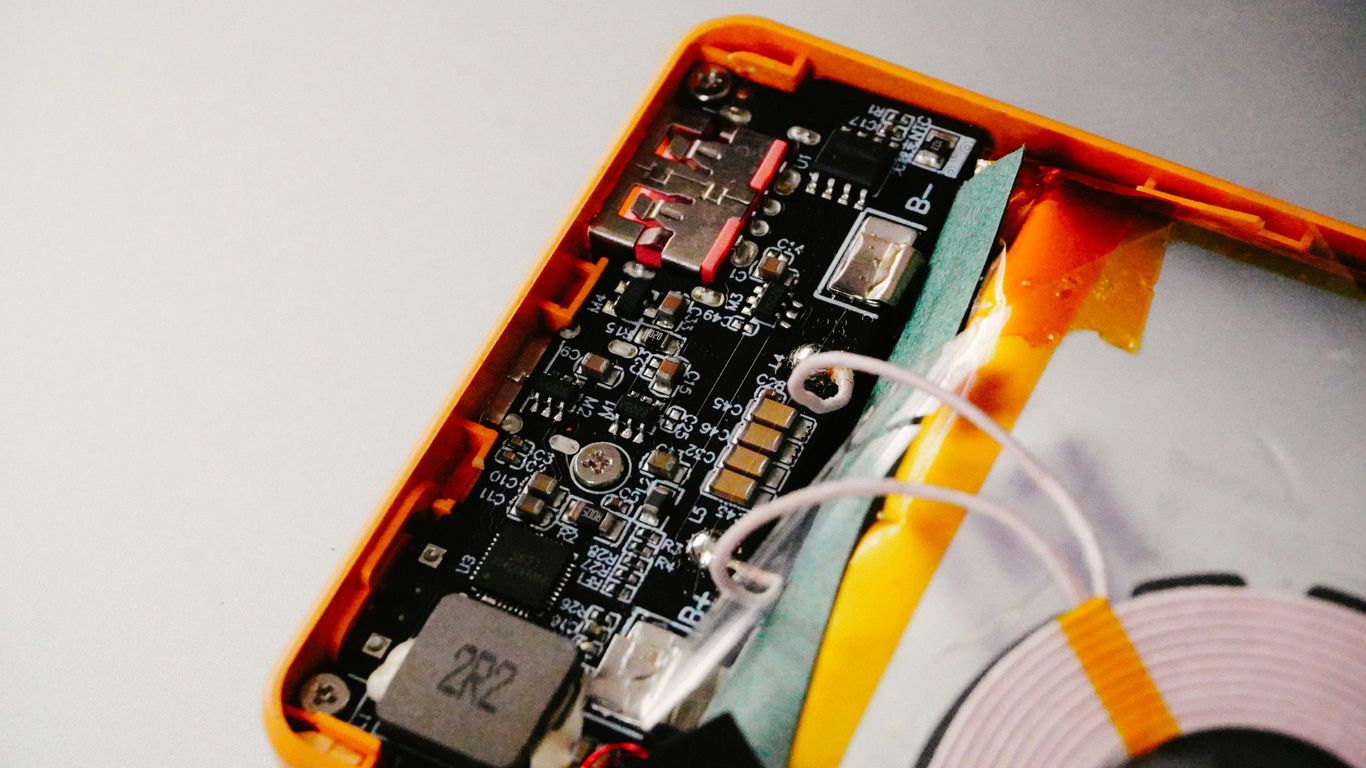
Things are really heating up in the battery world, and it’s not just about making your phone last longer. We’re seeing some pretty cool new ideas pop up that could change how we power everything from our homes to entire cities. It feels like every week there’s something new being talked about, and it’s exciting to see where it’s all headed.
Solid-State Batteries: A Safer Alternative
So, you know those lithium-ion batteries in most of our gadgets? They use a liquid stuff inside to move energy around. Solid-state batteries are different. They swap that liquid for a solid material. This makes them way less likely to catch fire or explode, which is a big deal for safety. Plus, they can pack more energy into the same space, meaning smaller, lighter batteries for things like electric cars or even your next smartphone. The main hurdle right now is figuring out how to make them cheaply and in big enough numbers. It’s a bit like trying to build a really complex Lego set, but with tiny, precise parts.
Hybrid Energy Storage Systems Explained
Think of a hybrid system as a team of different battery types working together. Instead of relying on just one kind of storage, these systems mix and match. You might have one battery that’s great for quick bursts of power and another that can hold a lot of energy for a long time. This combination means you get the best of both worlds.
Here are a few ways these systems are put together:
- Power-to-heat/battery: Uses electricity to create heat and also stores it in batteries.
- Battery/Battery: Combines different types of batteries for varied performance.
- Ultracapacitor/battery: Pairs a super-fast capacitor with a traditional battery.
These systems are smart because they can use the same equipment for different jobs, which cuts down on costs. The market for these hybrid setups was already worth billions in 2021 and is expected to keep growing steadily.
The Rise of Long-Duration Energy Storage
This is where things get really interesting for the power grid. Long-duration energy storage, or LDES, is all about storing massive amounts of energy for extended periods – think more than ten hours. Why is this important? Well, renewable energy sources like solar and wind can be a bit unpredictable. Sometimes the sun doesn’t shine, or the wind doesn’t blow. LDES systems act like a giant backup, making sure we have power even when those sources aren’t producing. The U.S. Department of Energy is pushing hard to make these systems cheaper, aiming for a big drop in costs by 2030. This is key to relying more on clean energy without worrying about blackouts.
Advancements in Solid-State Battery Technology
Enhanced Energy Density and Compact Design
Solid-state batteries are really shaking things up when it comes to how much power we can pack into a smaller space. Think about it: they can hold about two to two-and-a-half times the energy of the lithium-ion batteries we use now. This means devices can get smaller and lighter, which is a big deal for everything from our phones to electric cars. A big part of this jump in energy density comes from using a pure metal anode. With solid-state, the ions stay put during the transfer, and we can ditch some of the heavier, less active parts that are needed in current batteries. It’s like getting more bang for your buck, energy-wise.
Ultra-Fast Charging Capabilities
Remember waiting forever for your phone to charge? Or even your EV? Well, solid-state batteries promise to change that dramatically. Some studies show they can charge up to six times faster than what’s on the market today. Imagine going from nearly empty to 80% charged in under 15 minutes – that’s what companies like QuantumScape are already demonstrating. While some earlier fast-charging attempts came with trade-offs in performance, the latest advancements are looking to give us speed without sacrificing too much else. It’s a game-changer for convenience and usability.
Addressing Manufacturing Complexities
Okay, so solid-state batteries sound amazing, but getting them made isn’t exactly a walk in the park. The production process is pretty intricate. We’re talking about needing specialized tools for very precise material placement. These batteries are built by carefully layering electrodes with solid electrolytes in between. The trick is that these solid electrolytes need to be really good at stopping
The Strategic Importance of Hybrid Systems
Maximizing Resource Utilization
Think of hybrid energy storage systems as a smart way to combine different energy storage technologies. Instead of relying on just one type, like a standard battery, a hybrid system mixes two or more. This could be a battery paired with a supercapacitor, or even a battery with a thermal storage unit. The main idea is to get the best of all worlds. For instance, a supercapacitor can handle quick bursts of power, like smoothing out the sudden ups and downs from solar or wind power. Meanwhile, a battery can store energy for longer periods, providing backup or handling steady demand. This combination means you’re using your energy resources much more efficiently. It reduces waste and makes sure the system is working at its best, whether it’s dealing with fast power fluctuations or longer-term storage needs. It’s like having a toolbox with different tools for different jobs, rather than just a hammer for everything.
Cost-Saving Opportunities
Beyond just being efficient, hybrid systems can also save you money. When you have multiple storage units working together, they can often share equipment. This means you might only need one set of power electronics or one connection to the grid, instead of separate ones for each storage type. This can cut down on both the initial cost of setting up the system and the ongoing expenses for maintenance and operation. Plus, by using energy more effectively, you can reduce reliance on expensive grid power during peak times. It’s a smart financial move that pays off over time.
Market Growth Projections
The market for hybrid energy storage systems is really taking off. Back in 2021, the global market was valued at around $11.93 billion. Experts are predicting it will grow to about $22.30 billion by 2030. That’s a pretty significant jump, showing that more and more people and businesses are seeing the benefits. A big reason for this growth is the increasing demand for systems that can handle load shifting – basically, moving energy use from busy times to less busy times. Small and medium-sized businesses are also a big part of this expansion, looking for flexible and cost-effective energy solutions.
Long-Duration Energy Storage: A Grid Necessity
Storing Energy for Over Ten Hours
So, we’ve talked about batteries and hybrid systems, but what about storing energy for really long stretches? That’s where long-duration energy storage, or LDES, comes in. Think of it as the marathon runner of energy storage. While many batteries are great for a quick sprint, LDES systems are designed to keep power flowing for ten hours or more. This is a big deal for making our power grid more stable, especially as we rely more on things like solar and wind power that don’t produce electricity all the time.
Supporting Intermittent Renewables
Renewable energy sources like solar and wind are fantastic, but they have a quirk: the sun doesn’t always shine, and the wind doesn’t always blow. This is what we mean by ‘intermittent.’ When there’s a lull in renewable production, we need a way to keep the lights on without flipping back to fossil fuels. LDES is the answer. It can store excess energy generated during peak sunshine or windy periods and then release it when demand is high or renewable output drops. This ability to bridge gaps is absolutely vital for a grid powered by renewables. Without it, we’d constantly be facing supply shortages or needing to fire up less clean power sources.
Cost Reduction Initiatives
Getting LDES off the ground hasn’t always been cheap. Historically, technologies like pumped hydro storage have been around, but scaling them up and developing new LDES solutions is a major undertaking. The U.S. Department of Energy, for instance, has an initiative aimed at cutting the costs of grid-scale LDES by a huge amount by 2030. The goal is to make storing energy for 10+ hours much more affordable. This push is important because lower costs will encourage more widespread adoption, making the whole energy system more efficient and less reliant on expensive, imported fuels. It’s a long game, but one that promises significant savings down the line.
Safety and Regulatory Landscape
Collaboration with First Responders
It’s not just about building the batteries; it’s about making sure everyone knows how to handle them safely. Local fire departments and first responders are teaming up with battery storage companies. They’re sharing info on how these systems work and creating plans together for emergencies. This kind of teamwork is super important for keeping communities safe.
Adoption of Safety Standards
To make sure we’re all on the same page with safety, governments are looking at standards. One big one is NFPA 855. Fire service pros and experts helped create it, and it’s basically the go-to guide for energy storage safety. When places adopt this standard, it means they’re using the best practices out there. It helps make sure that no matter where you are in the U.S., the same high safety rules are being followed.
Ensuring Grid Reliability
Safety is also about making sure the grid itself stays dependable. Battery storage systems are getting really good at this. They’re built with advanced safety features and are watched closely 24/7. These systems are becoming a leading resource for keeping the lights on, even when things get tough. Incidents at these facilities are rare, and the industry is always working to make things even safer as the technology gets better and regulations catch up. It’s all part of the plan to have a reliable power system for everyone.
Economic Impact and Job Creation
Reducing Consumer Energy Costs
Battery storage systems are really starting to make a difference for everyday people. Think about it: when there’s a lot of solar or wind power being generated, but not many people need it, that energy can be stored. Later, when demand goes up and electricity prices would normally spike, that stored energy can be released. This helps keep prices more stable. In Nevada, for example, one project is expected to cut energy bills for customers by about 15-20%. That’s real money back in people’s pockets. Plus, when extreme weather hits and the grid is stressed, storage acts like a backup, preventing costly outages that can damage homes and businesses.
Boosting American Manufacturing
This whole energy storage boom is also a big win for American jobs and factories. There’s a huge push to build the entire supply chain right here in the U.S., from the raw materials to the finished battery packs. Companies are investing billions – over $100 billion has already been committed – to build new manufacturing plants. This isn’t just about making batteries; it’s about creating good-paying jobs in construction, manufacturing, and maintenance. We’re talking about hundreds of thousands of new jobs being created across the country, revitalizing industries and bringing production back home.
Investment in Clean Energy Resources
Energy storage is a game-changer for clean energy. It allows us to use more of the cheap electricity generated by wind and solar, even when the sun isn’t shining or the wind isn’t blowing. This means we can rely less on imported energy and more on our own abundant, clean resources. The growth in storage is directly supporting more investment in these American-made clean energy projects. It’s estimated that energy storage is enabling about $48 billion in annual investment into new clean energy resources across the U.S. This creates a positive cycle: more storage means more clean energy, which means more investment, and ultimately, a more reliable and affordable energy future for everyone.
What’s Next for Battery Storage?
So, we’ve looked at some pretty cool stuff happening in the battery storage world. From solid-state batteries that could change how we charge our gadgets to hybrid systems and long-duration storage that help keep the lights on, it’s clear things are moving fast. The market is growing like crazy, and companies are pouring money into making these technologies better and cheaper. It’s not just about powering our phones anymore; it’s about making our power grids more reliable and using more clean energy. Keep an eye on this space, because the next big thing is probably just around the corner.