
Saving money on your energy bills is a smart move, not just for your wallet but for the planet too. High energy costs can really add up, and finding ways to cut them can make a big difference in your monthly budget. Plus, using less energy means a smaller carbon footprint. This guide is packed with practical tips, from easy fixes to bigger investments, to help you make your home more energy-efficient. Whether you’re looking to trim costs or design a greener home, we’ve got you covered.
Key Takeaways
- Understand where your energy is going by doing an energy audit and tracking usage patterns to find areas for improvement.
- Upgrade your home with better insulation, energy-efficient windows and doors, and modern appliances to reduce energy waste.
- Incorporate smart home technology like intelligent thermostats and lighting controls to automate savings and monitor consumption.
- Implement simple, quick fixes like sealing air leaks, adjusting thermostat settings, and using lighting and appliances efficiently for immediate savings.
- Explore renewable energy sources like solar power and adopt sustainable lifestyle choices to achieve long-term energy efficiency and cost reduction.
Understanding Your Home’s Energy Consumption
Before you can really start saving money on your energy bills, you’ve got to figure out where all that energy is actually going. It’s like trying to fix a leaky faucet without knowing which pipe is dripping, right? So, the first big step is getting a handle on your home’s energy habits.
Conducting A Comprehensive Energy Audit
Think of an energy audit as a check-up for your house. It helps you spot the energy hogs and the places where heat (or cool air) is just sneaking out. You can hire someone to do a super detailed one, or you can do a pretty good job yourself. Just walk around your place. Feel for drafts near windows and doors. Check out your attic and basement – is the insulation looking a bit thin? Also, take a peek at your appliances. That fridge from the 90s? It’s probably working way harder (and using way more power) than a newer model.
Tracking Your Energy Usage Patterns
Once you have a general idea from the audit, it’s time to get specific. Many utility companies now offer smart meters that can show you your energy use in real-time. Seriously, you can often see how much power you’re using just by turning on a light. There are also home energy monitors you can buy that plug into your electrical panel and tell you exactly how much juice each appliance is sucking up. Seeing these numbers laid out can be a real eye-opener and helps you pinpoint exactly where to make changes.
Here’s a quick look at what you might track:
- Heating and Cooling: This is usually the biggest chunk of your energy bill, especially in extreme weather.
- Water Heating: Showers, dishwashers, and washing machines all use hot water.
- Lighting: How often are lights left on in empty rooms?
- Appliances: Refrigerators, TVs, computers, and other gadgets add up.
- Electronics: Even things on standby can use a surprising amount of power.
Identifying Areas For Improvement
After you’ve done your audit and tracked your usage, you’ll start to see patterns. Maybe your electricity bill spikes every time you run the dryer and the dishwasher at the same time. Or perhaps you notice that your heating costs are way higher in the winter than you expected, suggesting your insulation might need a boost. This information is gold. It means you’re not just guessing anymore; you know exactly which areas to focus on to get the most bang for your buck when it comes to saving energy.
Maximizing Energy Efficiency Through Home Upgrades
So, you’ve looked at where your energy is going, and now it’s time to actually do something about it. Making some upgrades to your house can really make a difference in your energy bills. It’s not just about small fixes; sometimes you need to invest a bit more for bigger, long-term savings.
Insulation Mastery For Temperature Regulation
Think of insulation as your home’s cozy blanket. It’s what keeps the heat in during the winter and out during the summer. If your attic, walls, or crawl spaces aren’t properly insulated, you’re basically paying to heat or cool the outside air. Adding more insulation, or upgrading to a better type, is often one of the most effective ways to cut down on heating and cooling costs. It’s a bit of work, sure, but the payoff is pretty sweet.
- Attic Insulation: This is usually the easiest and most cost-effective place to start. Heat rises, so a poorly insulated attic is a major energy drain.
- Wall Insulation: If your home is older, the walls might not have much insulation at all. Adding it during a renovation can be a big help.
- Basement/Crawl Space Insulation: Don’t forget these areas! They can also contribute to heat loss or gain.
Energy-Efficient Windows And Doors
Old windows and doors can be real energy leakers. They might look fine, but if they’re drafty or have single-pane glass, they’re letting your conditioned air escape. Upgrading to double or triple-pane windows with special coatings can make a huge difference. Same goes for doors – look for ones that are well-sealed and insulated. It’s not just about keeping the weather out; it’s about keeping your comfortable temperature in.
Upgrading Appliances And Systems
Your appliances and the systems that heat and cool your home are big energy users. If your fridge is from the last century or your furnace is wheezing its last breath, it’s probably time for an upgrade. Look for the ENERGY STAR label when you’re shopping. These appliances are designed to use less energy without sacrificing performance. This applies to everything from your washing machine and dryer to your water heater and HVAC system. A new, efficient HVAC system, for example, can drastically cut down on your heating and cooling bills, which are often the biggest chunk of your energy expenses.
Smart Technology For Enhanced Energy Efficiency
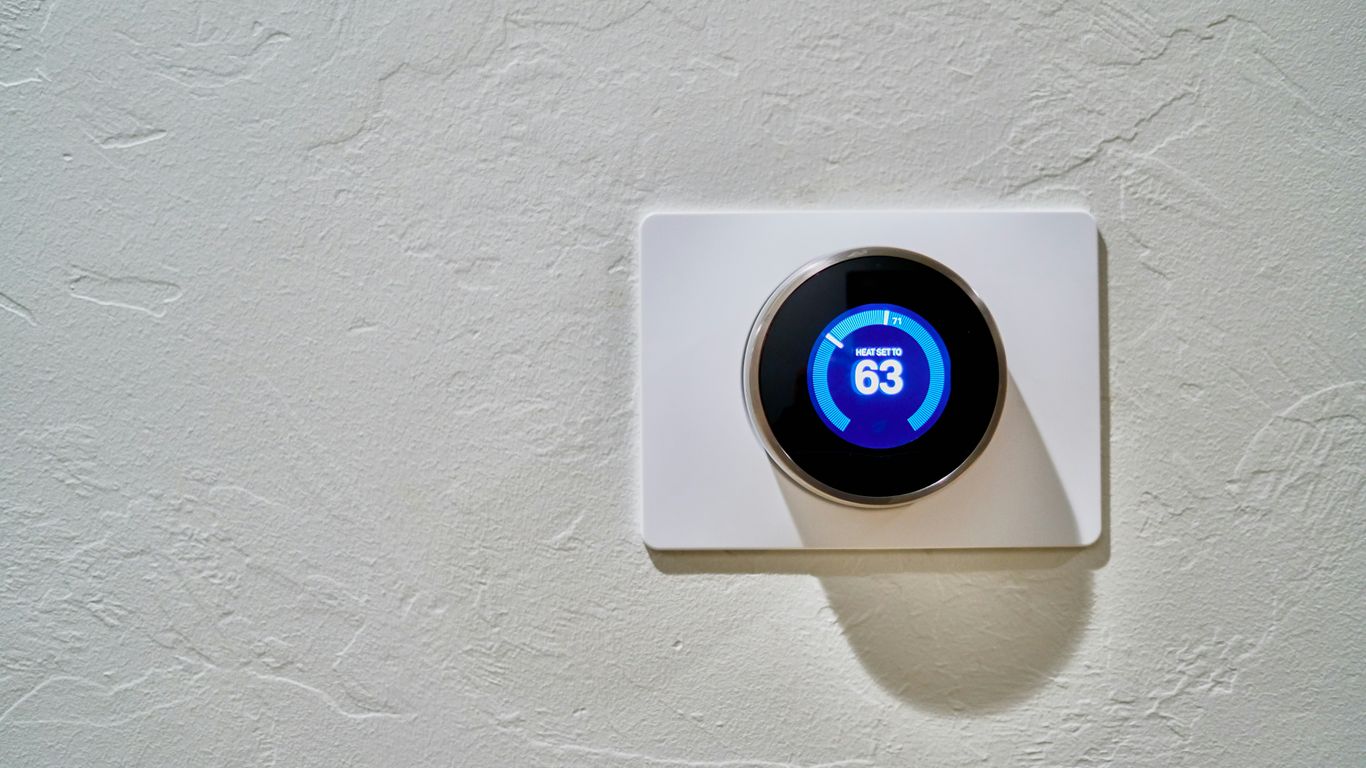
Okay, so we’ve talked about insulation and windows, but what about the brains of the operation? That’s where smart technology comes in. It’s not just about fancy gadgets; it’s about making your home work smarter, not harder, to save energy. These tools can automate savings, often without you even thinking about it.
Intelligent Thermostats and Lighting Controls
Think of a smart thermostat as your home’s personal climate manager. It learns your routine – when you’re usually home, when you’re out, when you sleep – and adjusts the heating and cooling automatically. No more heating an empty house or waking up to a chilly room. Some even let you control the temperature from your phone, so you can warm things up on your way home from work.
Lighting controls are similar. You can get smart bulbs or switches that dim lights, turn them off after a certain period of inactivity, or even respond to natural light levels. Motion sensors in rooms you don’t use often are a great example. Why keep the lights on in a spare bathroom if no one’s in there?
Home Energy Management Systems
These are a bit more involved, but they give you a really clear picture of where your energy is going. A Home Energy Management System (HEMS) connects to your major appliances and systems, tracking their energy use in real-time. It’s like having a detailed report card for your home’s energy habits.
Here’s what you might see:
- Appliance Breakdown: See exactly how much energy your refrigerator, HVAC, water heater, and other big users are consuming.
- Usage Patterns: Identify peak usage times and understand how your daily activities affect your energy bill.
- Alerts and Recommendations: Get notified if an appliance is using an unusual amount of energy or receive suggestions for how to cut back.
Leveraging Smart Devices For Savings
Beyond thermostats and lighting, there’s a whole ecosystem of smart devices that can contribute to energy savings. Smart plugs, for instance, can turn
Quick Wins For Immediate Energy Savings
Sometimes, you just want to see results without a huge project. The good news is, there are plenty of ways to cut down on your energy use that don’t involve major renovations or big spending. These are the kinds of things you can tackle this weekend and start noticing a difference on your next bill.
Sealing Air Leaks And Drafts
Think of your home like a cozy sweater. If there are holes in it, the warmth escapes, and you get cold. The same happens with your house. Gaps and cracks, especially around windows, doors, and where pipes or wires enter your home, let out all that precious heated or cooled air. It’s like leaving the door open when the AC is on.
- Check for drafts: On a windy day, you can often feel drafts. If you can’t feel them, try holding a lit incense stick or a thin piece of tissue paper near potential leak spots. If the smoke or tissue moves, you’ve found a leak.
- Caulk it up: For small cracks and gaps, especially around stationary elements like window frames and baseboards, caulk is your best friend. It’s cheap and easy to apply.
- Weatherstripping is key: For moving parts like doors and operable windows, weatherstripping is the way to go. It creates a flexible seal that compresses when the door or window is closed.
- Don’t forget the attic and basement: These areas often have more openings and can be major culprits for air leakage.
Optimizing Thermostat Settings
Your thermostat is like the brain of your home’s heating and cooling system. Telling it the right things can save you a surprising amount of money. The goal is simple: don’t heat or cool an empty house.
- When you’re home: Aim for around 23°C (73°F) in the winter and 25°C (77°F) in the summer. Using fans can make these temperatures feel more comfortable without cranking the AC.
- When you’re asleep or away: Lower the temperature by a few degrees in the winter (say, to 18-20°C or 65-68°F) and raise it a few degrees in the summer (to 27-29°C or 80-84°F). Even a small adjustment makes a difference over time.
- Consider a programmable or smart thermostat: These devices can automate these changes for you, so you don’t have to remember to adjust it every time you leave or go to bed. Smart thermostats can even learn your habits.
Efficient Lighting And Appliance Use
Lighting and how you use your appliances can also add up. Small changes here can lead to noticeable savings.
- Switch to LEDs: If you’re still using old incandescent bulbs, swap them out for LEDs. They use way less electricity – up to 80% less – and last much, much longer. It’s a no-brainer.
- Use natural light: Open up those curtains and blinds during the day. Let the sun do the work of lighting your rooms.
- Appliance habits: Run your dishwasher and washing machine only when they’re full. When doing laundry, use cold water whenever possible; heating water uses a lot of energy. And unplug electronics when they’re not in use – that "phantom load" from devices on standby can add up.
These aren’t complicated fixes. They’re practical steps that, when done consistently, can really trim down your energy bills without a lot of fuss.
Integrating Renewable Energy Sources
So, you’ve done the upgrades, you’re smart with your tech, and you’re even sealing up those little drafts. That’s awesome! But what about taking things a step further and actually generating your own clean power? That’s where renewable energy comes in.
Harnessing Solar Power’s Potential
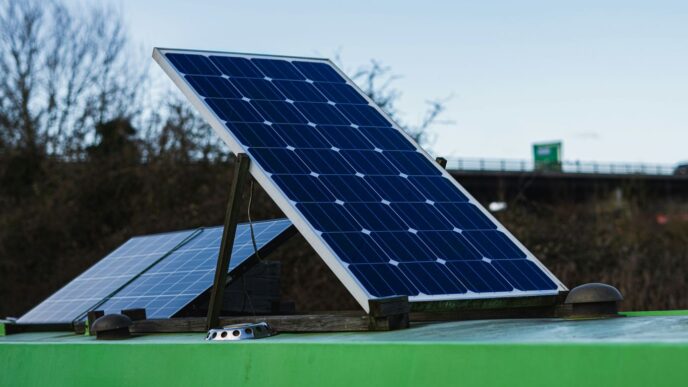
This is probably the one most people think of first. Solar panels on your roof. They take sunlight and turn it into electricity for your home. The upfront cost can feel like a lot, no doubt about it, but think of it as a long-term investment. Over the years, the money you save on electricity bills can really add up, sometimes even paying back the initial price. Plus, in some places, you can even sell extra power back to the electric company. It’s worth looking into what kind of government help, like tax credits or rebates, might be available in your area to bring that initial price down. It makes going solar a lot more doable.
Exploring Other Sustainable Options
Solar isn’t the only game in town, though. Depending on where you live, other options might make sense.
- Small Wind Turbines: If you’re in a place that gets a good amount of wind, a small wind turbine could be an option. Like solar, they have a cost to get started, but they provide clean energy. They do need space and consistent wind, so they aren’t for everyone, but for the right spot, they’re a solid choice.
- Geothermal Systems: These systems tap into the earth’s stable temperature to heat and cool your home. They’re very efficient but usually involve significant installation work, often best done during new construction or major renovations.
- Consider Your Location: What works best really depends on your specific situation. A sunny, open area is great for solar. A windy, rural spot might suit a turbine. It’s all about matching the technology to your environment.
Before you jump in, do your homework. Look into local incentives, get quotes from a few different installers, and really crunch the numbers on how long it might take for the system to pay for itself. It’s a big step, but one that can really change your home’s energy game.
Sustainable Lifestyle Choices For Energy Efficiency
Beyond the big upgrades and fancy gadgets, how we live day-to-day really matters when it comes to saving energy. It’s not just about the house itself, but about the habits of the people inside it. Making small, consistent changes can add up to some serious savings and a lighter footprint on the planet.
Mindful Consumption Habits
Think about what you bring into your home and how you use things. Do you really need that new gadget, or can you make do with what you have? Repairing items instead of replacing them is a great way to save resources and energy. When you do need to buy something, look for products that are built to last and have good energy ratings. It’s about being a bit more thoughtful about our purchases and how we use them.
Optimizing Laundry Day Efficiency
Laundry might seem like a simple chore, but it can be a hidden energy hog. Here are a few ways to make it more efficient:
- Wash with cold water whenever possible. Most of the energy used by washing machines goes into heating the water. Modern detergents work just fine in cold water for most loads.
- Run full loads. Waiting until you have a full load means fewer cycles overall, saving water and electricity.
- Skip the dryer when you can. Air-drying clothes on a line or rack uses zero energy. If you must use the dryer, clean the lint filter after every use to help it run more efficiently.
Behavioral Changes For Long-Term Savings
Some of the biggest energy savings come from simple shifts in our daily routines. It’s about being aware and making conscious choices.
- Turn off lights and electronics when you leave a room. It sounds obvious, but it’s easy to forget. Make it a habit for everyone in the house.
- Take shorter showers. Heating water takes a lot of energy. Even cutting a few minutes off your shower time can make a difference.
- Cook smart. Use lids on pots and pans to trap heat, and consider using smaller appliances like microwaves or toaster ovens for smaller meals, as they often use less energy than a full-sized oven.
Your Energy-Saving Journey Starts Now
So, we’ve gone over a bunch of ways to make your home use less energy. It might seem like a lot at first, but remember, you don’t have to do everything at once. Start with the simple stuff, like sealing up drafts or switching to LED bulbs. Then, as you can, think about bigger changes like better insulation or more efficient appliances. Every little bit helps, not just for your wallet, but for the planet too. Making your home more energy-efficient is a smart move that pays off over time. Give it a shot and see the difference it makes.