
Thinking about making your home a bit greener and maybe saving some cash on bills? It can feel like a lot to figure out, right? Luckily, there’s a place that can help. The Energy Saving Trust website is a really useful resource for anyone wanting to make their home more energy efficient. They break down all sorts of options, from insulation to electric cars, and explain how they can help you and the planet. Let’s take a look at what you can find there.
Key Takeaways
- The Energy Saving Trust website is a great place to start if you want to make your home more energy efficient.
- You can find out about things like insulation, solar panels, and heat pumps to save money and energy.
- The site also has info on electric cars and how to charge them at home.
- There’s help available for grants and financial support for energy-saving projects.
- Using the energy saving trust website can help you understand how to contribute to the UK’s net zero goals.
Understanding Your Home’s Energy Performance
Before you start thinking about making changes to your home to save energy, it’s a good idea to get a handle on how your home is doing right now. Think of it like a check-up for your house. The Energy Saving Trust website can help you figure this out, and it all starts with understanding your home’s energy performance.
The Role of Energy Performance Certificates
So, what exactly is an Energy Performance Certificate, or EPC? Basically, it’s a report that tells you how energy-efficient your home is. It gives your home a rating, kind of like a school report card, but for energy use. This rating goes from A (very efficient) to G (not efficient at all). The higher the rating, the less you’ll likely spend on energy bills. An EPC also includes a list of suggested improvements that could make your home more efficient, along with an estimate of how much those improvements might save you on your energy bills and in carbon emissions. It’s a really useful starting point if you’re not sure where to begin.
Recommendations for Home Improvements
Once you have an idea of your home’s current energy performance, the next step is looking at what you can actually do to improve it. The Energy Saving Trust website breaks down different types of improvements. They talk about things like:
- Insulation: This is a big one. A lot of heat can escape through your roof and walls if they aren’t properly insulated. Adding insulation can make a noticeable difference.
- Windows and Doors: Older, drafty windows and doors can let a lot of cold air in and warm air out. Upgrading these can help a lot.
- Heating Systems: How you heat your home plays a huge role. Things like upgrading your boiler or looking into heat pumps can save energy.
- Lighting: Switching to LED bulbs is a simple change that adds up over time.
They often provide estimated savings for these improvements, which can help you decide which ones to tackle first based on cost and potential benefit.
Identifying Insulation Needs
Insulation is often highlighted as one of the most effective ways to make a home more energy-efficient. Did you know that a significant amount of heat can be lost through an uninsulated roof? Some sources say up to a quarter of your home’s heat can escape that way. Walls are another major area where heat can leak out. The Energy Saving Trust website often provides specific figures for potential savings. For example, adding a good amount of loft insulation could save you a couple of hundred pounds a year on your energy bills and reduce your carbon footprint by a noticeable amount. They might also mention cavity wall insulation as another option, depending on your home’s construction. Figuring out if your home has adequate insulation is a key step in planning your energy-saving journey.
Key Energy Saving Solutions on the Energy Saving Trust Website
So, you’re looking to make your home a bit greener and maybe save some cash on those energy bills? The Energy Saving Trust website is a pretty good place to start. They’ve got a bunch of information that can help you figure out what makes sense for your situation.
Exploring Solar Panel Benefits
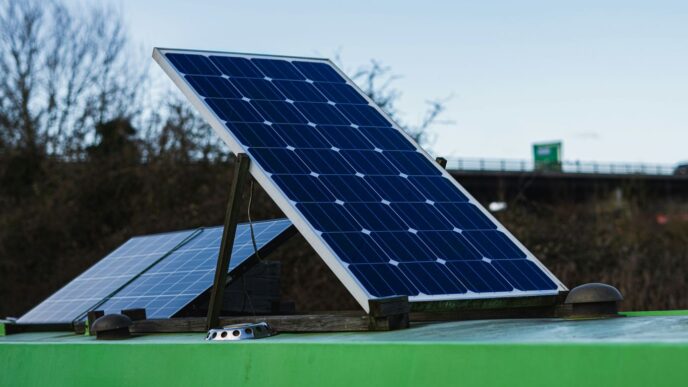
Solar panels are a big topic these days, and for good reason. They harness the sun’s power to give you electricity, which can really cut down on what you buy from the grid. The Energy Saving Trust website breaks down how solar panels work and what kind of savings you might see. They also talk about solar batteries, which let you store that daytime energy for use after the sun goes down. This means you can use your own solar power even at night, saving you money on every unit of electricity you use from your battery. It’s a way to get more out of your solar setup.
Understanding Heat Pump Technology
Heat pumps are another area the Energy Saving Trust covers. These systems are a more modern way to heat your home, often replacing older boilers. They work by pulling heat from the outside air, even when it’s cold, and transferring it inside. The website explains the different types, like air source heat pumps, and what kind of savings you could be looking at. For example, swapping out an old boiler for an air source heat pump could save you a good chunk of money on your yearly energy bills, and it’s a lot better for the environment too, cutting down on carbon emissions significantly.
The Advantages of Smart Meters
Smart meters are becoming more common, and the Energy Saving Trust highlights why they’re useful. They give you a clearer picture of how much energy you’re actually using, right in your home. This can help you spot where you might be wasting energy and make changes to save money and reduce your carbon footprint. Plus, they mean you don’t have to worry about sending meter readings anymore – the meter does it for you. They’re also the gateway to some special energy tariffs, especially if you have things like an electric car, solar panels, or a heat pump. These tariffs can offer lower rates at certain times, helping you save even more.
Making Your Home More Efficient
So, you want to make your house a bit kinder to the planet and your wallet? That’s a great goal. There are a few key areas where you can make a real difference, and the Energy Saving Trust website has loads of info to help you figure it out.
Insulation for Roofs and Walls
Did you know a big chunk of the heat in your home can escape through the roof and walls if they aren’t insulated properly? It’s like trying to keep a cup of coffee warm in a leaky mug. Adding insulation is one of those home improvements that can really pay off. It’s not just about keeping warm in winter; it helps keep things cooler in the summer too. The Energy Saving Trust site talks about how much you can save on your energy bills by getting this done. They even mention grants that might be available, which is always good to hear.
Upgrading Windows and Lighting
Old, drafty windows can let a lot of cold air in and warm air out. Replacing them with more efficient ones can make a noticeable difference. It’s not always a cheap fix, but it’s worth looking into. And don’t forget about lighting! Switching to LED bulbs is a super simple change that uses way less electricity than older types of bulbs. You’ll be surprised how quickly those little savings add up.
Improving Heating and Ventilation Systems
Your heating system is a big energy user, so making sure it’s running efficiently is important. This could mean getting a new boiler, or maybe just having your current one serviced regularly. The website also touches on ventilation. While you want to keep your home sealed up to save heat, you still need fresh air. Smart ventilation systems can help with this without wasting energy. It’s all about finding that balance to keep your home comfortable and efficient.
Embracing Electric Vehicle Technology
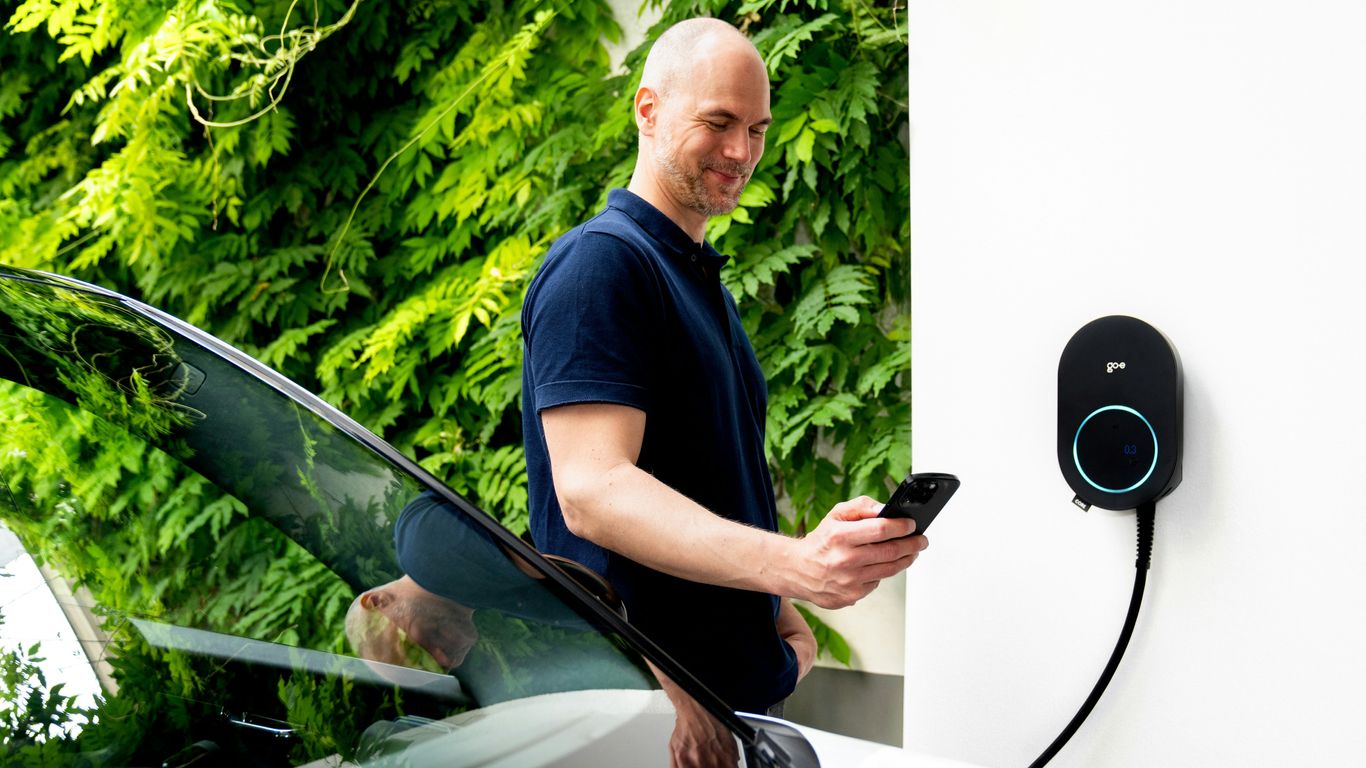
Thinking about switching to an electric car? It’s a big step, but the Energy Saving Trust website has some solid info to help you figure it out.
Leasing Electric Cars
Buying an electric car outright can be a bit much for some folks. That’s where leasing comes in. It lets you drive a new EV without that huge upfront cost. Basically, you pay a monthly fee to use the car for a set period. It can make going electric way more accessible. Plus, running costs are generally lower than gas cars. For example, an EV can be around £528 cheaper to run annually compared to a petrol car, and they produce a lot less carbon over their lifespan.
Installing Home EV Chargers
Charging up your electric car is super convenient when you have a charger at home. You can even save money doing it. Public chargers can cost about 1.5 times more than charging at your place. The Energy Saving Trust website points you towards options for home chargers, often with special electricity tariffs that give you lower rates during off-peak hours. This means you can power up your car overnight for less.
Accessing Exclusive EV Tariffs
Speaking of tariffs, this is a big one for saving money. Some energy providers offer special electricity plans just for EV owners. These ‘EV tariffs’ often have much lower prices for electricity used during certain times, usually overnight. This allows you to charge your car and even power your home for less. It’s worth checking out what’s available, as it can really cut down your energy bills. Some plans might even let you power your car and home for less, potentially reducing your bills significantly.
Financial Support and Grants
Thinking about making your home more energy-efficient or installing some green tech? It can feel like a big upfront cost, right? Well, the Energy Saving Trust website is a good place to look for information on financial help. They know that making these changes isn’t always cheap, so they point people towards various grants and funding options.
Applying for Renewable Energy Grants
If you’re eyeing solar panels, a heat pump, or maybe even a small wind turbine, there are often grants available to help cover the initial price tag. These aren’t usually for the whole cost, but they can make a significant dent, making renewable energy systems much more within reach for regular folks. The Energy Saving Trust website can guide you on what types of systems might be eligible and where to find these opportunities.
Understanding Insulation Grants
Insulation is a big one for saving energy, especially in older homes. Drafty walls and poorly insulated attics mean you’re basically paying to heat the outdoors. Grants specifically for insulation and other home efficiency upgrades are out there. These programs aim to reduce heat loss and energy waste, which not only lowers your heating bills but also helps with the bigger picture of reducing carbon emissions. It’s a win-win, really.
Community Energy Project Funding
Beyond individual homes, the Energy Saving Trust also supports community-level energy projects. Think local groups setting up a shared solar farm or a community-run energy scheme. They offer advice and can point towards funding streams that help these initiatives get off the ground. These projects can bring a lot of benefits to a local area, from cheaper energy to a stronger sense of community and resilience against energy price hikes. It’s pretty cool to see how local action can make a difference.
The Energy Saving Trust’s Broader Impact
The Energy Saving Trust does more than just help individual homes become more efficient. It’s a big part of the UK’s plan to hit its climate goals, like reaching net zero emissions by 2050. Think of them as a central hub connecting people, communities, and even local governments to work towards a greener future.
Contributing to Net Zero Goals
The Trust’s advice and support directly help reduce the country’s carbon footprint. By encouraging things like better insulation, solar panels, and efficient heating systems, they help lower overall energy use. This isn’t just about saving money on bills; it’s about making a real difference in the fight against climate change. They also keep an eye on new technologies, like advanced heat pumps and smart grids, figuring out how to best bring them into homes and businesses across the UK.
Supporting Sustainable Communities
It’s not all about individual houses. The Energy Saving Trust also backs community energy projects. These are local initiatives where groups of people come together to generate their own renewable energy, maybe through a community solar farm or a wind cooperative. This not only provides clean energy but also helps build local resilience and can even create jobs. It’s a way to make sure that the shift to green energy benefits everyone, not just a few.
Partnering with Local Authorities
To really make a difference, the Trust works closely with local councils and authorities. They share information and resources, helping these local bodies implement green initiatives. This could mean anything from setting up local grant schemes for insulation to promoting electric vehicle charging points. By teaming up, they can reach more people and make sure that sustainable energy solutions are available and practical for communities all over the UK.
Wrapping Up Your Green Journey
So, that’s a look at what the Energy Saving Trust has to offer. It’s pretty clear they’re a big help for anyone wanting to make their home a bit kinder to the planet, and your wallet. Whether you’re thinking about adding some insulation, looking into solar panels, or even considering an electric car, the site has loads of practical advice and information on grants. It’s not always easy to figure out the best steps, but the Energy Saving Trust website really does break it down. Give it a browse – you might be surprised at how much you can save and how good it feels to make those changes.