Want to cut down on your electricity bill? It’s not as hard as you might think. There are plenty of simple things you can do around the house, starting today, that will make a difference. We’re talking about small changes that add up, helping you save energy today and keep more money in your pocket. Let’s get started with some easy tips.
Key Takeaways
- Adjust your thermostat settings a few degrees, especially when you’re asleep or away from home.
- Switch to LED light bulbs, as they use much less electricity and last longer than old incandescent bulbs.
- Unplug electronics when not in use, or use power strips to easily turn them off, to stop ‘vampire’ energy drain.
- Wash clothes in cold water and clean your dryer’s lint trap regularly for laundry efficiency.
- Seal air leaks around windows and doors, and check/replace HVAC filters to make your heating and cooling systems work better.
Smart Habits To Save Energy Today
It’s amazing how many little things we do every day that just eat up energy without us even thinking about it. But the good news is, changing a few habits can make a real difference in your energy bills. You don’t need to do anything drastic, just some simple tweaks.
Adjust Your Thermostat Settings
This is a big one. Your heating and cooling system is probably the biggest energy user in your home. When you’re home and awake, try setting your thermostat a few degrees lower in the winter and a few degrees higher in the summer. You might be surprised how quickly you get used to it. For every degree you adjust your thermostat, you can save around 3% on your heating bill. When you leave the house or go to sleep, you can adjust it even more. Dropping it by 7-10 degrees for 8 hours a day can save you a good chunk of change over the year. Think about it – why heat or cool an empty house?
Unplug ‘Vampire’ Electronics
You know those little lights on your TV, computer, or chargers even when they’re "off"? Those are called "vampire" electronics because they’re always drawing a little bit of power. It might not seem like much, but it adds up. Over time, these phantom loads can really contribute to your electricity bill. The easiest fix? Just unplug them when you’re not using them. Or, if you have a lot of devices plugged into one area, like your entertainment center or a computer desk, consider plugging them into a power strip and just flipping the switch off on the strip when you’re done. It’s a simple step that stops that constant drain.
Optimize Water Heater Temperature
Most water heaters are set way higher than they need to be. The default setting is often around 140°F, but for most households, 120°F is perfectly fine. Lowering your water heater temperature to 120°F can save you money on water heating costs and also reduces the risk of scalding. Heating water takes a lot of energy, so keeping that temperature just right is a smart move. If you’re not sure how to adjust it, check your water heater’s manual or look for a dial on the unit itself. Just be careful when making adjustments and make sure it’s set to a safe temperature for everyone in the house.
Efficient Lighting Strategies

Lighting up your home doesn’t have to be a huge drain on your wallet. There are some pretty simple things you can do to make your lights work smarter, not harder. Switching to LED bulbs is probably the biggest bang for your buck.
Switch to LED Bulbs
Okay, so incandescent bulbs are practically ancient history at this point, and even those CFLs (compact fluorescent lamps) have been mostly replaced by LEDs. Why? Because LEDs use way less electricity. We’re talking up to 80% less energy compared to old-school bulbs, and they last a whole lot longer too. Think about it: fewer trips to the store to buy replacements means less hassle and more money in your pocket. It might seem like a small change, but when you multiply that savings across all the bulbs in your house, it really adds up.
Utilize Task Lighting
Instead of flooding an entire room with light from a big overhead fixture, try using smaller, focused lights where you actually need them. Got a book you’re reading? A small lamp next to your chair is much more efficient than turning on the main ceiling light for the whole room. Same goes for doing crafts, cooking, or any activity that requires you to see clearly in a specific spot. It’s like using a spotlight instead of a floodlight – you only light up what’s important.
Dim Lights for Ambiance
Dimmer switches are pretty neat. They don’t just change the mood for movie night; they actually reduce the amount of electricity your lights use. When you dim a light, you’re lowering its wattage, which directly translates to energy savings. Some newer dimmers can even be controlled with your phone, so if you forget to turn off a light when you leave, you can just do it from your couch. It’s a small step, but it helps create a cozier atmosphere while saving a bit on your bill.
Kitchen Energy Saving Tips
Your kitchen is often the heart of the home, but it can also be a big energy user. Luckily, there are some pretty simple things you can do to make it more efficient without a ton of effort. Making small changes in how you cook and store food can really add up to lower energy bills.
Match Cookware to Burner Size
This one’s a bit of a no-brainer, but it’s surprising how often people don’t think about it. When you use a pot or pan that’s too small for the burner, a lot of heat just escapes into the air instead of going into your food. It’s like trying to heat a swimming pool with a single match – inefficient!
- Small burner, small pot: Use a pot or pan that fits the burner size. This directs the heat where it needs to go, cooking your food faster and using less energy.
- Avoid wide-bottomed pans on small burners: This is a common mistake that wastes a lot of heat.
- Consider electric vs. gas: On electric stoves, matching is even more important because the heat is concentrated directly under the element.
Keep Lids On Pots and Pans
Seriously, just put a lid on it! It sounds so basic, but keeping a lid on your pots and pans while cooking can make a big difference. It traps the heat and moisture inside, which means your food cooks much faster. Think about it – you’re essentially creating a mini-oven effect.
- Faster cooking times: This can cut down cooking time by up to 50% in some cases.
- Less energy used: Because food cooks faster, you’re using less energy overall.
- Moist results: It also helps keep food from drying out, leading to better texture and flavor.
Use Smaller Appliances for Small Portions
Got a single serving of leftovers or just need to heat up a cup of soup? Don’t fire up that giant oven or the big stovetop burner. Using smaller appliances is way more energy-smart for smaller jobs.
- Microwave: These are fantastic for reheating small amounts of food quickly. They use significantly less energy than a full-sized oven.
- Toaster Oven: Great for baking or broiling small items like a single slice of pizza or a couple of cookies. They heat up much faster and use less energy than a conventional oven.
- Electric Kettle: If you just need hot water for tea or instant coffee, an electric kettle is often more efficient than heating water on the stove.
Laundry Room Efficiency
Your laundry room might be using more energy than you think. Little changes here can add up to noticeable savings on your utility bills. It’s not just about the washing machine itself, but how you use it and the dryer too.
Wash Clothes in Cold Water
Did you know that heating the water accounts for almost 90% of the energy a washing machine uses? Modern detergents are formulated to work just fine in colder temperatures. Unless you’re dealing with a really tough stain, switch to cold water for most of your loads. You’ll save a good chunk of energy without sacrificing cleanliness.
Clean Dryer Lint Traps Regularly
This is a simple one, but super important. Cleaning out the lint trap after every single load is key to keeping your dryer running efficiently. A clogged trap makes the dryer work harder and longer to dry your clothes, using more energy. Plus, it’s a fire hazard, so it’s a win-win to keep it clean.
Air Dry Clothes When Possible
If you have the space and the time, skip the dryer altogether sometimes. Using a clothesline outside or a drying rack inside can save a significant amount of energy. It’s gentler on your clothes too, helping them last longer. Think of it as a free, eco-friendly drying method that also gives your clothes a fresh scent.
Appliance and Home Maintenance
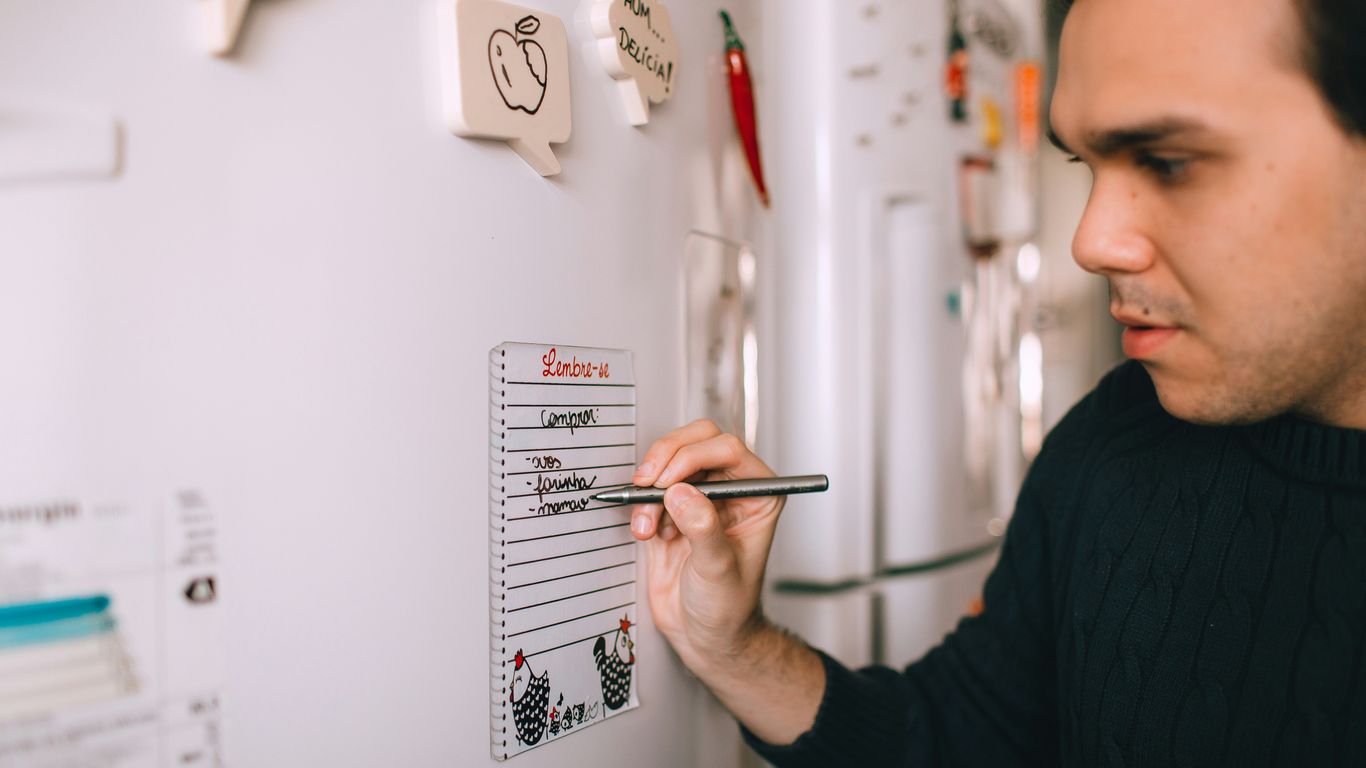
Taking care of your appliances and home isn’t just about keeping things running smoothly; it’s a big part of saving energy and keeping those utility bills down. Think of it like giving your house a tune-up. A little attention here and there can make a surprising difference.
Check and Replace HVAC Filters
Your heating and cooling system works hard, and a dirty filter makes it work even harder. When filters get clogged with dust and debris, air can’t flow through as easily. This means your system has to push more, using up extra electricity or gas. It’s a good idea to check these filters every couple of months. You can usually tell if it needs changing by holding it up to a light. If you can’t see much light through it, it’s time for a new one. Make sure to turn your thermostat to ‘off’ before you swap it out, so nothing gets sucked into the system. Also, pay attention to the arrows on the filter; they show you which way the air is supposed to flow, and you want the new one to go in the same direction.
Seal Air Leaks Around Windows and Doors
Drafts aren’t just annoying; they’re energy vampires. Little gaps around your windows and doors let all that nice conditioned air escape, and then your system has to work overtime to replace it. You can often fix this yourself with some caulk and weather stripping. It’s not a difficult job, and there are plenty of videos online that can show you how. While you’re at it, take a walk around the outside of your house. If you see any other gaps, like where pipes come into the house or around the foundation, a can of spray foam insulation can seal those up pretty effectively.
Ensure Air Vents Are Clear
This one’s pretty straightforward. Your home has vents that let the heated or cooled air circulate. If furniture, rugs, or even toys are blocking them, the air can’t get where it needs to go. This makes your system less efficient because it’s struggling to push air through obstructions. Just take a quick walk around your house and make sure all your vents are open and nothing is piled on top of them. It’s a simple step, but it really helps your HVAC system do its job without wasting energy.
Water Conservation for Energy Savings
You know, heating water takes a surprising amount of energy. So, using less hot water means using less energy, which is a win-win for your wallet and the planet. It’s not about drastic changes, just small shifts in how we do things.
Take Shorter Showers
This is a pretty straightforward one. Try to cut your shower time down. If you usually take 15-minute showers, aim for 10. Even shaving off a few minutes can add up. Think about it: every minute less in a hot shower saves energy and water. You can even time yourself with a waterproof shower timer or just a regular clock outside the shower. It’s a simple habit that makes a difference.
Install Water-Saving Fixtures
There are some neat gadgets out there now that help reduce water flow without you even noticing a difference. Look for fixtures like showerheads and faucet aerators that have the WaterSense label. These are designed to use less water while still giving you good performance. Installing these can cut down on the amount of hot water you use significantly each year. It’s a one-time fix that keeps saving you money and energy over time.
Run Full Loads in the Dishwasher
This one applies to both your dishwasher and washing machine. Don’t run them unless they’re completely full. Waiting for a full load means you’re using the machine’s energy and water for the maximum amount of dishes or clothes possible. Also, if your dishwasher is newer, you might not even need to pre-rinse dishes. Just scrape off any big chunks and let the machine do the work. Pre-rinsing often uses more water than the dishwasher itself!
Keep It Up!
So there you have it – a bunch of simple things you can do right now to cut down on energy use. It’s not about making huge changes overnight. Honestly, just picking a few of these ideas and making them part of your routine can really add up. Think about it: less energy used means lower bills, and that’s a win-win. Plus, you’re doing a little something good for the planet too. Give a few a try this week and see how it feels. You might be surprised at how easy it is to make a difference.