You know, keeping up with climate tech news can feel like a full-time job these days. It seems like every week there’s some new gadget or big investment announcement. But if you’re trying to stay ahead, especially heading into 2026, there are a few big themes you really need to watch. It’s not just about the flashy new ideas anymore; it’s about what’s actually getting built and making a difference. Let’s break down some of the major shifts happening in climate tech.
Key Takeaways
- Climate tech is moving past its early, experimental phase. By 2026, expect more focus on practical applications and proven results rather than just new ideas. Investment is getting smarter, looking for projects that can actually scale and deliver.
- Money for clean energy is growing, but it’s also getting more selective. Corporate money is playing a bigger role, and investors are looking closely at how stable government policies are before committing funds.
- Green hydrogen is still important, but the industry is facing a reality check. Projects that move forward will need clear buyers, solid plans, and connected supply chains to get funding.
- The energy demands from things like AI and data centers are becoming a major challenge. Finding ways to power these and keep the grid stable, especially with more renewables, will be a big focus.
- Where things are made matters more now. Companies are looking to build factories and supply chains closer to home to reduce risks and costs, driven by government policies and global uncertainties.
The Maturing Landscape Of Climate Tech News

Alright, let’s talk about where climate tech is heading in 2026. It feels like just yesterday we were hearing about all these wild, futuristic ideas, but things are really settling down now. Climate tech isn’t some fringe thing anymore; it’s becoming a regular part of the investment world, attracting both the specialists and the folks who just want to put their money where it makes sense. We’re seeing fewer crazy headlines and more actual progress, which is a good thing, honestly.
Investment Trends Shaping The Sector
Money is definitely still flowing into climate solutions, but it’s not just a free-for-all. Investors are getting smarter, looking more closely at what actually works and what has a real shot at making a difference. Think of it like this: the days of throwing money at any "green" idea are fading. Now, it’s about backing projects that can prove they’re viable and built to last. We’re seeing more specialized funds pop up, but also bigger, more traditional investors getting involved. It’s a sign that the sector is growing up.
From Niche To Mainstream: A New Era
This shift means climate tech is moving out of the "special interest" category and into the main conversation. It’s not just about cutting emissions anymore; it’s about building real businesses that can handle the challenges of a changing planet. This broader view is opening doors for all sorts of innovations, from how we grow food to how we manage our energy. It’s a big deal because it means more resources and attention are being directed towards practical solutions.
Focus On Execution Over Experimentation
So, what does this mean for companies? It means showing you can actually do what you say you can. The focus in 2026 is squarely on execution – making things happen, delivering results, and proving your model works in the real world. Investors want to see tangible achievements, not just ambitious plans. This push for practical application is driving a more disciplined approach across the board. It’s less about the "what if" and more about the "here’s how it’s done."
Energy Transition Finance Broadens And Deepens
Shifting Investment Criteria For Clean Energy
The money flowing into clean energy and related climate tech is still huge, topping $2 trillion annually. But it’s not just a free-for-all anymore. In 2026, investors are getting much more selective. They’re looking past the flashy ideas and focusing on projects that can actually prove they work and make a real difference. Think less about wild guesses and more about solid plans.
Here’s a look at what’s changing:
- Scale and Viability: Projects that can show they can operate at a large scale and are built on sound, proven technology are getting the green light. Small, experimental ideas are finding it harder to get funding.
- Durability and Impact: Investors want to see that a project is built to last and will have a measurable, positive effect on the climate. It’s about long-term results, not just short-term buzz.
- Pragmatism Over Hype: The days of funding purely speculative ventures are fading. There’s a strong preference for blended finance models and carefully costed, project-specific structures that make financial sense.
The Role Of Corporate Venture Capital
This shift towards more careful investing is actually creating a good environment for corporate venture capital (CVC) arms. Big companies are using their existing knowledge and resources to find climate tech opportunities that fit their long-term goals. They’re stepping in where some traditional venture capital firms might be pulling back, forming important partnerships with startups and founders. This means climate tech is becoming a bigger part of how companies plan their future operations and industrial strategies.
Navigating Policy Durability In Funding
When looking at where to put money, especially for things like manufacturing and supply chains, understanding how long government support will last is key. Policies like the US Inflation Reduction Act or the EU’s Net-Zero Industry Act are pushing for changes, but political winds can shift. Investors and companies need to carefully assess the ‘policy durability’ – how stable these incentives and directives are likely to be over time. This involves looking at potential changes in political leadership and evolving trade relationships to make sure investments aren’t left stranded if government support dries up.
Hydrogen’s Necessary Reset For A Functional Economy
Okay, so hydrogen. For a while there, it felt like every other climate tech announcement was about some new green hydrogen project. It was all very exciting, and honestly, a bit much. We saw a lot of big promises, but not always a clear plan for who would actually buy the hydrogen, or how it would get where it needed to go, or even if the economics made sense. Back then, with so much money flowing into climate tech and a general eagerness to try new things, founders had the upper hand. But 2026 is different. The projects getting attention now are the ones with a solid plan for who needs the hydrogen, clear backing from governments, and a well-thought-out plan for the whole process.
Reappraising Green Hydrogen Potential
Green hydrogen still holds a lot of promise as a clean energy source, no doubt. But the initial rush has cooled down a bit. We’re seeing a more realistic look at what’s actually possible right now. The massive pipeline of projects announced in previous years is shrinking, and investors are taking a much closer look. They’re asking tougher questions about the technology, the costs, and the real-world applications. It’s less about the hype and more about what actually works and can be scaled.
Regional Support And Export Ambitions
Hydrogen development isn’t happening in a vacuum. Different parts of the world are stepping up in their own ways. Europe and Japan are continuing to put targeted support behind hydrogen initiatives, which is helping to move things along. In the US, the incentives from the Inflation Reduction Act are still a big draw for companies looking to develop hydrogen tech. Meanwhile, countries in the Middle East are looking to become major exporters of hydrogen, which is adding another layer of global interest and investment.
Demand Anchors And Integrated Value Chains
What’s really changing the game in 2026 is the focus on actual demand. Projects that have clear buyers lined up – whether that’s for industrial processes, transportation, or something else – are the ones that are getting funded. It’s not enough to just produce hydrogen; you need to know where it’s going and how it fits into the bigger picture. This means looking at the entire value chain, from production to delivery and use. Having a clear offtake agreement is becoming the most important factor for securing hydrogen project funding.
Here’s what a more functional hydrogen economy looks like:
- Clear Demand: Projects have identified specific industries or applications that will purchase the hydrogen.
- Policy Alignment: Government regulations and incentives directly support the project’s viability.
- Integrated Chains: The entire process, from production to end-use, is well-planned and connected.
- Realistic Economics: The financial model is sound, accounting for current costs and market prices.
The AI-Electrification Demand Shock
So, let’s talk about AI and how it’s suddenly making us rethink our entire energy setup. It’s kind of wild, right? We’re seeing these massive data centers popping up, and they’re not just a little bit hungry for power; they’re practically vacuuming it up. This surge in energy demand from AI is becoming one of the biggest challenges in climate tech right now.
Addressing Energy Demands Of Data Centers
These new, super-sized data centers need a gigawatt or more of power. That’s comparable to a whole nuclear power plant, just for one facility. It’s no wonder this is causing a stir. We’re already seeing strains on electrical grids, and there’s a real risk of emissions going up if we don’t handle this right. It’s a bit of a wake-up call, forcing us to look at how we manage energy consumption. The escalating demand for power from AI data centers is creating a significant energy crisis, straining electrical grids and causing substantial shifts in global energy markets. This intense demand is also leading to delays in infrastructure development.
Innovations For Grid Resilience
What does this mean for our power grids? Well, we need to get smarter, fast. The focus is shifting towards energy efficiency and finding flexible ways to manage this new demand. Think large-scale energy storage facilities – they’re going to be key to keeping the grid stable when these AI power demands spike. We also need companies that can improve battery materials or create better systems for managing heat and grid software. Basically, anyone who can help make the grid more robust and responsive is going to be in high demand.
The Convergence Of Digital And Physical Infrastructure
This whole AI-electrification thing highlights a major trend: the blending of digital and physical infrastructure. It’s not just about the tech itself anymore; it’s about how that tech interacts with the real world, especially our energy systems. We’re looking at a future where these two worlds are more intertwined than ever. It’s a complex puzzle, but figuring out how to power the digital revolution without derailing our climate goals is the big task ahead.
Manufacturing And Supply-Chain Localization
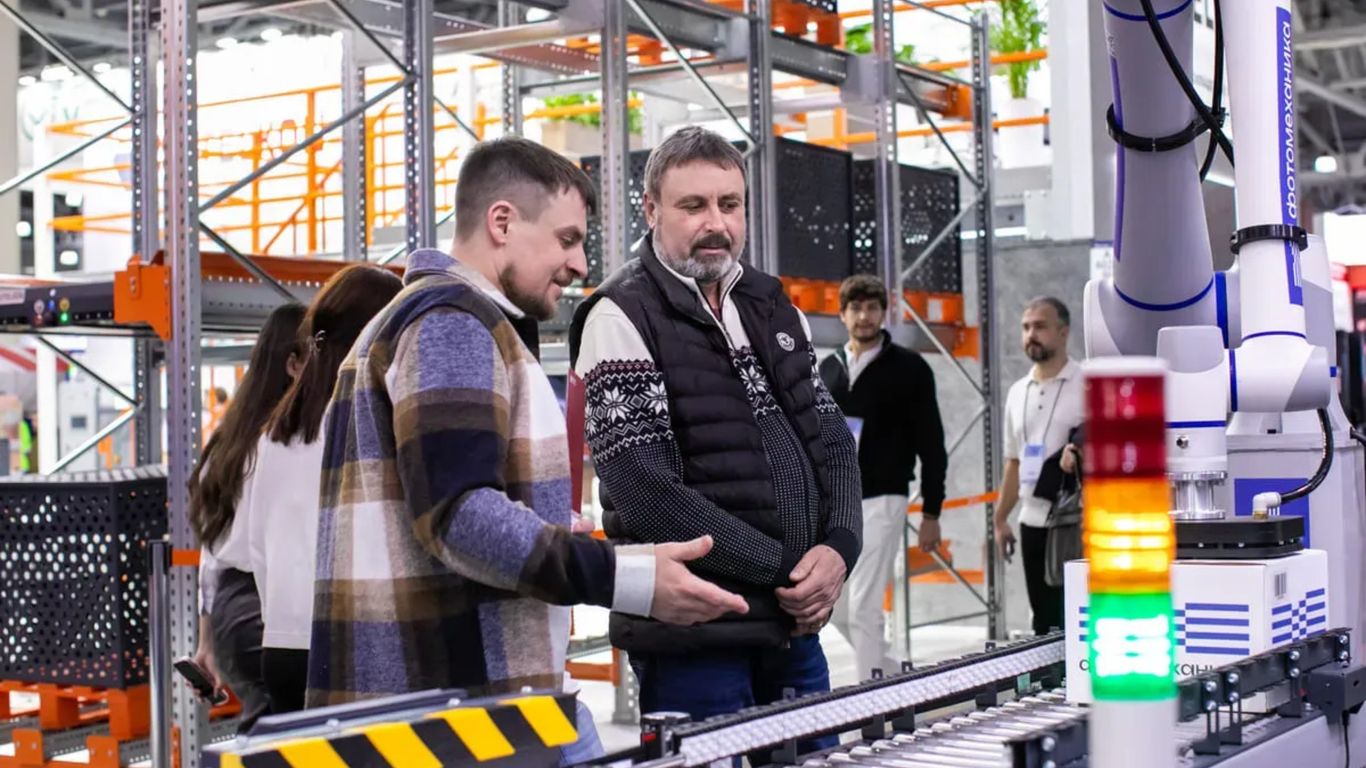
It’s not just about what climate tech we’re making anymore; it’s increasingly about where we’re making it. By 2026, the location of manufacturing and supply chain hubs is becoming a really big deal. Think about it: major policies like the US Inflation Reduction Act and the EU’s Net-Zero Industry Act are pushing companies to set up shop closer to home. This isn’t just about following rules; it’s about national security and making sure we have what we need.
This shift means that processing things like battery materials and solar components needs to happen nearer to where they’ll be used. Companies are looking at this and thinking about how to cut down on risks from global politics and make their operations more stable. But there’s a catch: "policy durability." That’s a fancy way of saying we need to figure out if these government incentives and rules will stick around, especially with how politics can change.
Strategic Importance Of Production Location
Setting up manufacturing closer to major markets isn’t just a trend; it’s becoming a smart business move. It gives companies better control over the quality of their products. Plus, it can cut down on shipping costs and reduce the carbon footprint associated with long-distance transport. The old ideas about how globalization worked are looking a bit shaky, and being closer to your customers just makes sense for long-term stability.
Policy Drivers For Reshaping Supply Chains
Governments are actively pushing for this change. They want to build up domestic industries and reduce reliance on other countries for critical technologies. This means incentives are being offered for building factories and processing facilities locally. It’s a big push to create more resilient supply chains that can withstand disruptions, whether they’re political, economic, or environmental.
Balancing Geopolitical Risk And Policy Durability
Companies are now weighing two big factors: reducing the risks that come from international tensions and making sure that government support for local manufacturing will last. It’s a tricky balance. You don’t want to invest heavily in a location based on incentives that might disappear next year. So, while the drive to localize is strong, businesses are also doing their homework to ensure the long-term viability of these strategies. It’s about building a solid foundation, not just chasing short-term benefits.
Climate Change Adaptation Becomes Investable
It feels like just yesterday climate tech was all about cutting emissions, right? Like, the main goal was just to get to net zero, and that’s where all the money and brainpower went. But things are shifting, and honestly, it’s about time. We’re seeing a big move from just trying to stop climate change to actually dealing with the mess it’s already making and will continue to make. This means a whole new set of opportunities are opening up for investors.
Expanding Beyond Mitigation To Resilience
Think about it: even if we stopped all emissions today, we’d still have to deal with the impacts of the warming that’s already happened. That’s where resilience comes in. It’s not just about preventing future problems anymore; it’s about building systems that can handle the extreme weather, rising sea levels, and other changes we’re already facing. This pivot from solely focusing on mitigation to embracing adaptation is a major sign of the sector’s maturity. It’s moving from a niche concern to a mainstream investment thesis. We’re talking about technologies that help communities and businesses bounce back from climate shocks.
Investment Opportunities In Water And Agriculture
Two big areas where this adaptation focus is really shining are water management and agriculture. With changing rainfall patterns and more frequent droughts or floods, securing clean water is becoming a huge challenge. Companies developing advanced water purification, efficient irrigation, or even flood defense systems are getting a lot more attention. Similarly, agriculture is on the front lines. We need to feed a growing population, but the growing conditions are getting tougher. So, there’s a lot of interest in things like drought-resistant crops, precision farming tools that use less water, and even vertical farming solutions. These aren’t just nice-to-haves anymore; they’re becoming necessities. It’s a smart move for investors looking for real-world impact and solid returns. You can find some great strategic opportunities in this space, like those outlined in six strategic opportunities.
From Net Zero To Climate Readiness
So, the conversation is changing. It’s not just about reaching a ‘net zero’ target anymore. The new buzzword, or maybe more like a practical goal, is ‘climate readiness.’ This means being prepared for whatever the climate throws at us. It covers a wide range of innovations:
- Early warning systems for extreme weather events.
- Infrastructure that can withstand floods or heatwaves.
- Supply chains that are less vulnerable to climate disruptions.
- New insurance models for climate-related risks.
This shift is making climate tech a much broader and more stable investment area. It’s less about speculative bets on future tech and more about practical solutions for current and unavoidable problems. It’s a more grounded approach, and frankly, it’s what we need.
Emerging Innovations In Battery Technology
When we talk about powering our future, batteries are a pretty big deal. For years, lithium-ion has been the go-to, powering everything from our phones to electric cars and even big grid storage systems. But, as you know, lithium isn’t exactly everywhere, and its price can jump around a lot. That’s why folks have been working hard to find alternatives.
The Rise Of Sodium-Ion Batteries
This is where sodium-ion batteries really shine. Think about it: sodium is way more common than lithium, which could mean cheaper batteries down the line. Plus, they might even be a bit safer, with a lower fire risk. It feels like sodium-ion is finally ready to move beyond the lab and into the real world. Companies, especially in China, have been pushing this tech, and some are already starting to produce them at a large scale. They might not hold quite as much energy as lithium-ion cells, but for things like storing power for the grid or for smaller electric vehicles, that might not even be a problem.
Alternatives To Lithium-Ion
Beyond sodium, there’s a whole bunch of other battery chemistry being explored. Researchers are tweaking materials and designs to get better performance, longer life, and lower costs. It’s not just about finding a direct replacement for lithium-ion; it’s about creating batteries that are better suited for specific jobs. This could mean batteries that charge faster, last longer in extreme temperatures, or use materials that are easier to get and recycle.
Supporting Grid Stability With New Battery Solutions
Our power grids are facing new challenges, especially with the rise of things like AI and more renewable energy sources. Batteries are going to play a huge role in keeping everything stable. We’re seeing a push for grid-scale battery systems that can store excess renewable energy when it’s plentiful and then release it when demand is high or when the sun isn’t shining. Innovations here aren’t just about the battery chemistry itself, but also about the software and systems that manage them. Think smarter controls, better thermal management, and ways to integrate these batteries more effectively into the existing grid infrastructure. It’s all about making the grid more reliable and flexible.
Looking Ahead
So, as we wrap up our look at climate tech in 2026, it’s clear things are getting more serious. We’re moving past the big talk and into the real work. Investors are being pickier, focusing on what actually works and can be scaled up. Whether it’s making our food systems tougher against weird weather, figuring out how to power all those new AI tools without breaking the grid, or bringing manufacturing closer to home, the focus is on practical results. It’s not just about new ideas anymore; it’s about making them happen and making them last. The next few years are going to be about building things that can handle what’s coming, and that’s a pretty big deal for all of us.
Frequently Asked Questions
What is climate tech?
Climate tech refers to technologies and innovations designed to help reduce the effects of climate change, like pollution, and to help us deal with the changes that are already happening, like extreme weather. It covers areas like clean energy, ways to capture carbon, and making farming more resilient.
Is climate tech still new and experimental?
No, climate tech is growing up! In 2026, it’s moving from being a niche idea to something much more common. Investors are looking for real results and proven ideas, not just wild guesses. It’s becoming a big part of how companies and countries plan for the future.
Why is energy important in climate tech?
A lot of climate tech is about changing how we get and use energy. This includes things like solar power, wind power, and new ways to store energy. As we use more clean energy, we need to make sure our power grids can handle it, especially with new demands from things like AI.
What’s new with hydrogen?
Hydrogen, especially ‘green hydrogen’ made with clean energy, was once seen as a magic solution. Now, people are being more realistic. While it’s still important, projects need to show they have a clear plan, the right support, and a real need for the hydrogen they produce to get funding.
How is AI affecting climate tech?
Artificial intelligence (AI) uses a lot of electricity. This is creating a big challenge for our power systems. Climate tech is now focused on finding ways to meet this growing energy demand without harming the environment, and making sure our power grids are strong and reliable.
What does ‘climate adaptation’ mean?
Instead of just trying to stop climate change (mitigation), adaptation means getting ready for the changes that are already happening. This includes finding ways to protect our food supply from bad weather, manage water better, and build communities that can handle things like floods or heatwaves.