Keeping up with the world of cryptocurrency can feel like trying to catch a greased piglet – it’s fast, a bit messy, and always moving. Whether you’re just dipping your toes in or you’ve been around the block a few times, knowing what’s happening is pretty important. This guide is here to help you make sense of all the news in cryptocurrency, from spotting the next big thing to just not getting caught out by a sudden market dip. Let’s get you up to speed.
Key Takeaways
- Keep an eye on reliable news sources for the latest crypto updates.
- Understand how social media plays a role in spreading crypto news.
- Use the right tools to look at market trends and make smart trading choices.
- Learn about new cryptocurrencies to find potential investment chances.
- Be aware of regulations affecting the crypto market to avoid problems.
Navigating The Ever-Changing World Of Crypto News
Why Staying Informed Is Crucial
The world of cryptocurrency moves at a breakneck pace. What was big news yesterday might be old hat by lunchtime today. If you’re involved in crypto, whether you’re just dipping your toes in or you’ve been trading for years, keeping up with what’s happening isn’t just a good idea, it’s pretty much a requirement. Prices can swing wildly, sometimes in just a few hours, and having the latest information can make the difference between a decent profit and a nasty surprise. Think of it like checking the weather before you head out – you wouldn’t want to get caught in a downpour without an umbrella, right? Staying informed means you can react quickly, spot chances, and generally avoid getting caught out.
Accessing Reliable News Sources
With so much information flying around, it’s easy to get lost or, worse, be fed rubbish. Finding trustworthy places to get your news is a big deal. You want facts, not just hype. Here are a few places that tend to be pretty solid:
- CoinDesk: They’ve been around for a while and cover a lot, from the big coins like Bitcoin to new trends and what governments are saying.
- Cointelegraph: Another big name, offering news, market breakdowns, and educational bits.
- The Block: This one often looks at the bigger picture, like how big companies and institutions are getting involved.
- Reddit (r/CryptoCurrency): While you have to be careful, it’s a good place to see what the general chatter is. Just remember to cross-reference what you read.
It’s easy to get swept up in the excitement or panic of the crypto market. Having a routine of checking a few trusted news outlets can help you keep a level head and make more sensible decisions based on actual events rather than just rumour.
The Role Of Social Media In Crypto News
Social media, especially platforms like Twitter and Reddit, has become a massive part of how crypto news spreads. You’ll find loads of people sharing their thoughts, predictions, and what they see happening. It can be a great way to get real-time updates and hear from people who are really in the thick of it. However, and this is a big ‘however’, you’ve got to be really careful. Not everyone on social media knows what they’re talking about, and some people might even be trying to mislead you. Always try to see if the person sharing the info is someone reputable or if they have a track record of being right. It’s best to use social media as a starting point and then check what you find with more established news sources before you do anything.
Spotting Opportunities In Emerging Cryptocurrencies
Finding the next big thing in the crypto world can feel a bit like searching for a needle in a haystack. With thousands of altcoins popping up, figuring out which ones might actually go somewhere is a real challenge. It’s not just about chasing the latest hype; it’s about doing your homework.
Identifying Promising Altcoins
So, how do you even start looking for these promising altcoins? First off, read the project’s whitepaper. This document should lay out exactly what the project aims to do, how it plans to do it, and why it’s needed. Don’t just skim it; try to get a grasp of the technical details and the problem it’s trying to solve. Next, check out the team behind the coin. Are they experienced? Do they have a track record? A strong, transparent team is a good sign. Also, look at their roadmap. Does it seem realistic? Are they hitting their milestones? Finally, see what people are saying. Check out forums, social media, and community channels. Is there genuine interest and discussion, or just a lot of noise?
- Read the Whitepaper: Understand the project’s goals and technology.
- Research the Team: Look for experience and transparency.
- Examine the Roadmap: Assess the project’s future plans and feasibility.
- Gauge Community Sentiment: See what actual users are discussing.
Evaluating New Blockchain Technologies
Blockchain technology itself is evolving way beyond just digital money. We’re seeing new developments in areas like smart contracts, which automate agreements, and decentralized finance (DeFi), which aims to recreate financial systems without intermediaries. When you’re looking at these new technologies, think about their practical uses. Can this project actually solve a real-world problem, or does it offer a significant improvement over what’s already out there? Partnerships and collaborations can also be a good indicator. If a new project is working with established players, it suggests they have some credibility and potential. Keep an eye on five key predictions for the cryptocurrency landscape as these can influence which technologies gain traction.
New blockchain technologies are often evaluated based on their potential for real-world application and adoption. Projects that address existing inefficiencies or offer novel solutions tend to attract more attention and investment. The success of these technologies is also often tied to the broader ecosystem, including partnerships and community support.
It’s also worth considering how these new technologies might fit into the wider crypto space. For instance, some might focus on privacy, while others aim for faster transaction speeds or greater scalability. Understanding these different focuses helps you see where they might fit into a diversified portfolio.
Mastering Crypto Trading And Market Analysis
Right then, let’s talk about actually making some money in this crypto game. It’s not just about buying something and hoping for the best, you know. You’ve got to get your head around how the markets work and have a plan. Getting this bit right can make all the difference between making a tidy profit and just watching your money disappear.
Essential Tools For Every Trader
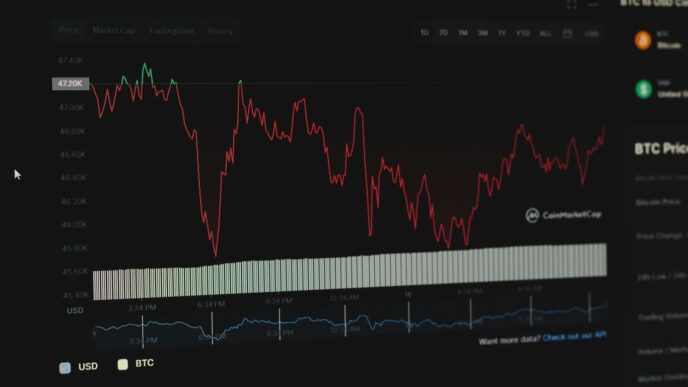
To even think about trading properly, you need the right gear. First off, you’ll need a decent exchange. Don’t just pick the first one you see; have a look at their fees, how easy it is to use, and if they’ve got a good rep. Then there’s your wallet. For anything more than a bit of pocket money, a hardware wallet is probably the way to go – keeps your coins offline and safer from hackers. And finally, you absolutely need charting tools. These are your eyes on the market, showing you price history, trends, and all sorts of useful data.
Analysing Market Trends Effectively
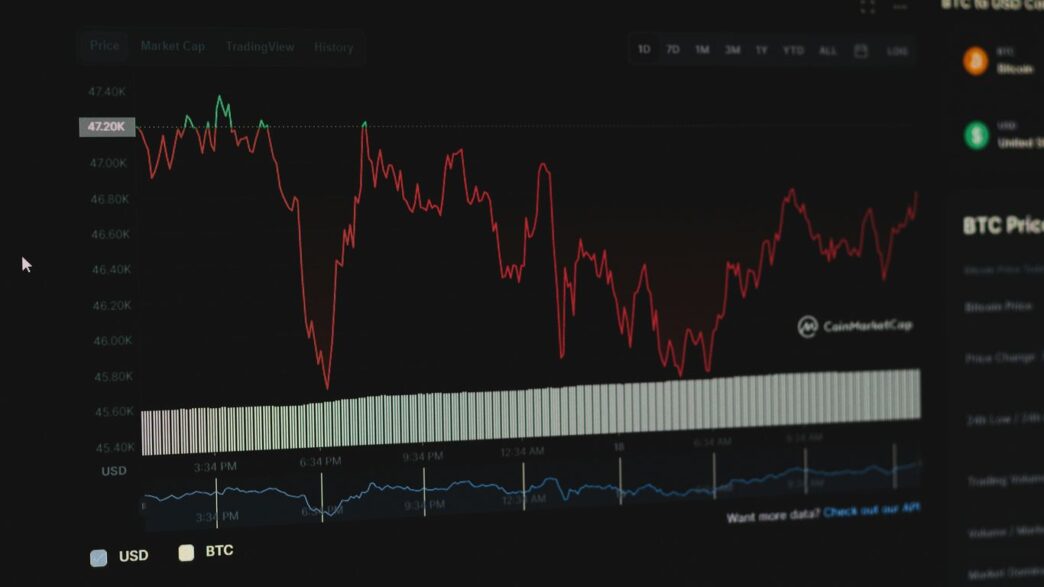
Looking at charts isn’t just about pretty lines. You’ve got to understand what they’re telling you. Things like moving averages can show you the general direction prices are heading, while indicators like the RSI can give you a hint if something’s overbought or oversold. It’s also a good idea to keep an ear to the ground for any big news that might shake things up. Some traders swear by following analysts, but remember, they’re not always right. Setting up price alerts is a smart move, though – it means you won’t miss a big move while you’re busy making a cuppa.
Here’s a quick look at some common indicators:
- Moving Averages (MA): Smooths out price data to show the average price over a specific period. Useful for identifying trends.
- Relative Strength Index (RSI): A momentum oscillator that measures the speed and change of price movements. Typically used to identify overbought or oversold conditions.
- MACD (Moving Average Convergence Divergence): A trend-following momentum indicator that shows the relationship between two moving averages of a security’s prices.
The crypto market moves fast, and trying to predict its every twitch is a fool’s errand. Instead, focus on understanding the patterns and probabilities. Don’t get caught up in the hype; stick to your strategy.
Risk Management Tips For Traders
This is probably the most important bit. Trading without a plan for what happens if things go wrong is just asking for trouble. You need to decide beforehand how much you’re willing to lose on any single trade – and stick to it. Using stop-loss orders is a must; they automatically sell your crypto if the price drops to a certain level, stopping you from losing more than you intended. Also, don’t put all your eggs in one basket. Spreading your money across different cryptos can help cushion the blow if one of them tanks. Remember, the goal is to survive to trade another day.
Understanding The Regulatory Landscape
Right then, let’s talk about the rules of the road in the crypto world. It’s a bit like the Wild West sometimes, but more and more regulations are popping up. Keeping an eye on these is pretty important if you want your investments to stay safe and sound. You’ve got bodies like the SEC in the US, for instance, who are watching digital assets closely. They’re particularly interested in which cryptocurrencies might be classed as securities. Over in Europe, the ESMA has a similar job. Knowing if your crypto is considered a security could save you a fair bit of bother down the line. It’s not just about avoiding trouble, though; these rules are designed to make the market more stable and secure for everyone involved. So, while it might seem like a bit of a chore, staying informed about regulatory changes is just part of being a smart crypto investor.
Key Regulations To Watch
There’s a lot happening on the regulatory front, and it’s worth keeping tabs on a few key areas. For starters, watch out for how different countries are classifying digital assets. Is it a commodity, a currency, or a security? This classification can have a big impact on how it’s taxed and traded. Anti-Money Laundering (AML) and Know Your Customer (KYC) rules are also becoming standard. You’ll see exchanges asking for more ID verification, which is all part of keeping things above board. Also, keep an eye on any developments regarding stablecoins, as regulators are paying close attention to these. Finally, any news from major financial bodies like the CNBC Crypto World can signal shifts in the broader regulatory approach.
Impact Of Regulations On Market Dynamics
Regulations can really shake things up. When new rules are announced, you might see the market get a bit jumpy. Prices can swing quite a bit as everyone tries to figure out what it all means. This volatility is something to get used to. However, the aim of these regulations is often to create a more predictable and safer environment. This can boost investor confidence in the long run, which is good for the whole crypto space. Think of it like building a better road system – it might involve some temporary disruption, but it makes travel smoother and safer for everyone eventually.
Compliance Tips For Crypto Investors
So, how do you make sure you’re playing by the rules? It’s not as complicated as it sounds.
- Use Reputable Exchanges: Stick to platforms that clearly state they comply with AML and KYC requirements. They’ll ask for your ID, but that’s a good sign.
- Track Your Transactions: Keep a good record of all your buying and selling. This will make tax time much easier and help you avoid any nasty surprises.
- Understand Privacy Policies: Get familiar with how the platforms you use handle your data. Transparency is key here.
- Stay Informed: Keep up with the latest regulatory news relevant to your location. What’s happening in one country might not apply elsewhere.
Staying on top of regulations isn’t just about avoiding penalties; it’s about protecting your investments from scams and ensuring you’re part of a more secure financial future. It’s a necessary step for anyone serious about crypto.
Leveraging Technology For Crypto Success
Right then, let’s talk about how you can actually use technology to get a bit of an edge in the crypto world. It’s not just about buying and selling; it’s about using the smart tools out there to make better decisions and keep your digital assets safe. Honestly, if you’re not using some of these, you’re probably making things harder for yourself.
Using Advanced Charting Tools
So, you’ve probably seen those charts with all the lines and squiggles. They’re not just for show. Advanced charting tools are your best mate when it comes to figuring out what the market might do next. They give you a much clearer picture than just looking at a price. You can spot patterns, see where prices have been struggling to break through, or where they’ve found support. It’s like having a weather forecast for crypto prices, but you’ve got to learn how to read the signs.
Here’s a quick rundown of what these tools can help you with:
- Identifying Trends: Spotting whether prices are generally going up, down, or sideways.
- Predicting Support and Resistance: Finding price levels where buying or selling pressure has historically been strong.
- Timing Entries and Exits: Helping you decide the best moments to buy or sell to maximise your gains and minimise losses.
- Visualising Data: Making complex market information easier to understand at a glance.
These tools can really transform your trading from a bit of a gamble into something more calculated.
Maximising Your Use Of Crypto Newsletters
Now, keeping up with the news is one thing, but getting it delivered straight to your inbox, curated and often with some expert commentary? That’s where crypto newsletters come in. They can save you a heap of time by sifting through the noise and giving you the important bits. Think of them as your personal crypto news digest.
When you’re picking a newsletter, look for ones that:
- Focus on your interests: Whether it’s DeFi, NFTs, or just general market news.
- Are transparent about their sources: You want to know where the information is coming from.
- Offer analysis, not just headlines: Good newsletters will explain why something is happening, not just that it’s happening.
- Have a good track record: See if they’ve been consistently providing useful insights.
It’s easy to get overwhelmed by the sheer volume of information flying around in the crypto space. Newsletters can act as a filter, helping you focus on what truly matters for your investments and trading strategies. Don’t just skim the headlines; try to understand the context and potential implications of the news they share.
Connecting With The Crypto Community
Networking Opportunities In Crypto
Look, getting into crypto isn’t just about watching charts and hoping for the best. It’s also about the people you meet along the way. Building connections can open doors you didn’t even know existed and give you insights that you just won’t find in a news article. The crypto world is massive, and there are loads of places to chat with others. Think Telegram groups, Discord servers, Reddit forums, and of course, Twitter. These are your go-to spots for sharing ideas and learning.
- Join the conversation: Jump into discussions on forums and groups. Ask questions, share what you’ve learned, or even just offer your opinion. You never know who might have the answer you’re looking for or a completely new way of looking at things.
- Attend online events: Lots of crypto projects put on virtual meetups and webinars. It’s a great chance to hear directly from people involved and connect with others who are just as interested as you are.
- Get involved in challenges: Things like hackathons or trading competitions are brilliant for showing off what you can do and meeting people who might become collaborators or even future employers.
Learning From Industry Experts
This whole crypto space moves at a breakneck speed, so keeping up can feel like a full-time job. Learning from folks who’ve been around the block can save you a lot of time and potential mistakes. These experts often share their thoughts through podcasts, webinars, and written pieces. Here’s how to find them:
- Follow the big names: Figure out who the key players are in crypto and follow them on social media. Their takes on market shifts and new tech can be really helpful.
- Read up: Plenty of books and articles out there offer solid advice on investing and market analysis. Don’t be afraid to do some reading.
- Take a course: Structured online courses can be a good way to build your knowledge step-by-step.
The crypto community is a bit like a bustling marketplace. Everyone’s got something to say, and if you listen carefully, you can pick up some real gems. Don’t be shy about jumping in; most people are happy to share their experiences and help out newcomers.
The most successful people in crypto often have a strong network they can rely on. It’s not just about having the best tech or the most capital; it’s about the collective knowledge and support you can tap into.
Wrapping Up
So, that’s the lowdown on keeping your head above water in the crypto world. It’s a bit like trying to catch a greased pig sometimes, isn’t it? Things move fast, and what’s hot today might be yesterday’s news tomorrow. But by keeping an eye on reliable sources, understanding the risks, and maybe even joining a few online chats, you’ll be in a much better spot. Don’t get bogged down in all the noise; just focus on what makes sense for you. The crypto journey is ongoing, so keep learning, stay sharp, and you’ll do just fine.
Frequently Asked Questions
What exactly is cryptocurrency?
Think of cryptocurrency as digital money. It’s not like the coins or notes you hold in your hand. Instead, it exists online and uses clever computer code to keep it safe and track who owns what. This system is often called blockchain, which is like a super secure digital diary for all the transactions.
How can I get my hands on some cryptocurrency?
You can buy cryptocurrency on special websites called exchanges. You’ll need to sign up, maybe show some ID, and then you can swap your regular money, like pounds, for digital coins. It’s a bit like using an online shop for digital cash.
Why do crypto prices jump around so much?
The price of crypto changes a lot because of something called supply and demand. If lots of people want to buy a certain coin, its price usually goes up. If more people want to sell it, the price tends to drop. It’s all about how popular it is at any given moment.
Is it safe to use cryptocurrency?
Cryptocurrency can be safe, but you need to be careful, just like with anything online. Make sure you keep your digital ‘wallet’ (where you store your crypto) super secure and be wary of anyone trying to trick you. Always use well-known and trusted places to buy and keep your crypto.
Can I actually buy stuff with cryptocurrency?
Yes, you can! Some shops and online places now accept cryptocurrency as payment. However, it’s not everywhere yet, so you’ll need to check if a shop accepts it before you try to buy something with your digital coins.
What’s this ‘blockchain’ thing everyone talks about?
A blockchain is like a digital record book that keeps track of all the cryptocurrency transactions. Imagine it as a long chain made of blocks, where each block holds a list of recent deals. It’s designed to be very secure and almost impossible to tamper with, which is why it’s so important for crypto.