Keeping up with what’s happening in Iowa farming can feel like a full-time job. From financial ups and downs to new government programs and ongoing trade talks, there’s a lot to track. This article breaks down the latest iowa farming news and updates, giving you a clearer picture of the challenges and support available to farmers today.
Key Takeaways
- Iowa farmers are facing significant financial strain due to trade disputes, high costs for supplies, and lower crop prices, leading to an increase in farm bankruptcies.
- A $12 billion government aid package, the Farmer Bridge Assistance Program, has been announced to help farmers cope with trade disruptions and market instability.
- While the aid offers short-term relief, many farmers emphasize their preference for stable markets and fair trade deals over government assistance.
- Trade policy, including tariffs and market access, continues to be a major factor influencing the economic well-being of Iowa’s agricultural sector.
- Looking ahead, the finalization of the Farm Bill and the strengthening of domestic markets are seen as important steps for the long-term health of Iowa farming.
Iowa Farmers Navigate Financial Challenges
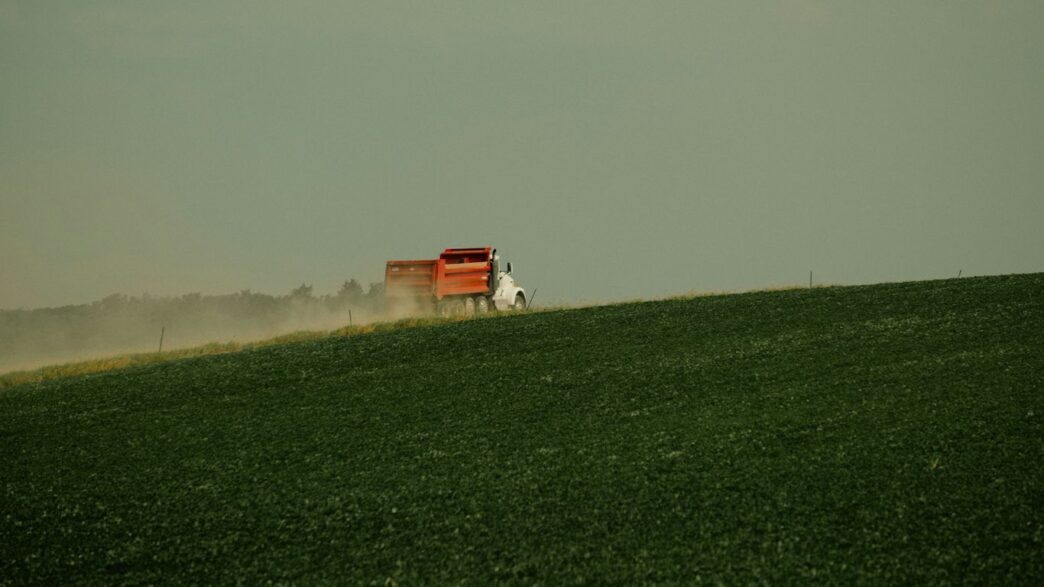
It’s been a rough patch for a lot of folks farming out here in Iowa lately. We’re talking about serious money troubles, and it’s not just one thing. The trade situation has really messed with farm income, making it harder to get a fair price for what we grow. Some farmers are really feeling the pinch, and we’ve seen more bankruptcies popping up. It’s tough when you’re putting in all this work and the numbers just aren’t adding up.
Impact of Trade Wars on Farm Income
The back-and-forth with trade has thrown a wrench into things. Tariffs and changing trade deals mean that what we used to count on for selling our crops, especially soybeans and corn, isn’t as reliable anymore. This uncertainty makes it hard to plan for the next season. The ripple effect of these trade disputes is a significant drop in what farmers are actually bringing home.
Rising Farm Bankruptcies and Loan Defaults
When income drops and costs stay high, people start to struggle. We’ve seen a noticeable increase in farmers having to file for bankruptcy. It’s a sign that many operations are running on fumes, using up savings just to keep things going. Loan defaults are also on the rise, which is a worrying trend for the whole agricultural community.
Struggles with High Input Costs and Declining Crop Prices
On top of everything else, the cost of just running a farm keeps going up. Things like fertilizer, fuel, and equipment parts are costing more. But at the same time, the prices we’re getting for our crops haven’t kept pace. It feels like we’re caught in a squeeze, with expenses climbing while our income is shrinking. It’s a difficult balancing act trying to make ends meet when these two factors are working against you.
Government Aid for Iowa Agriculture

It’s been a rough patch for Iowa farmers lately, and the government is stepping in with some help. A new $12 billion aid package has been announced, aiming to ease some of the financial strain. This funding is intended to act as a bridge, helping farmers get through current market challenges and look toward a more stable future.
Overview of the $12 Billion Farmer Bridge Assistance Program
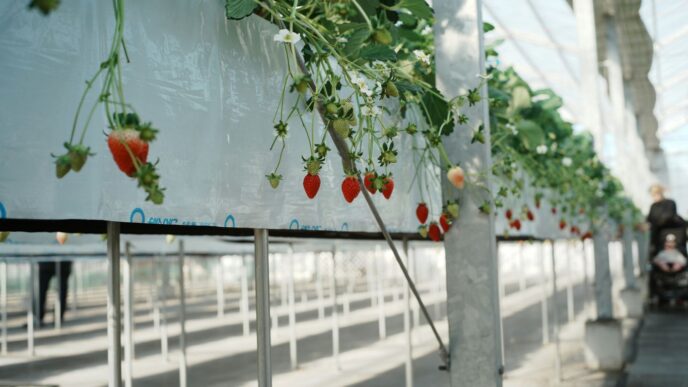
The bulk of this money, $11 billion, is earmarked for row crop farmers. Another $1 billion is set aside for those growing specialty crops. This program is a direct response to the market disruptions caused by trade issues and the rising costs of doing business. It’s designed to provide one-time payments to help producers manage their operations.
Distribution of Funds for Row Crops and Specialty Crops
The distribution is pretty straightforward. The majority of the funds are going to those growing corn, soybeans, and other major row crops. The remaining portion is for farmers cultivating fruits, vegetables, and other specialty items. The exact amounts each farmer will receive are still being worked out, but the USDA is expected to release more details soon.
Timeline for Application and Payment Dispersal
Farmers need to make sure their 2025 acreage reports are accurate by December 19th. While more specific information on payment rates should be available around December 22nd, the USDA has stated that all payments should be dispersed no later than February 28th, 2026. Some farmers were hoping for the funds sooner to help with immediate budgeting needs for the upcoming year, but this timeline is what’s been set.
Perspectives on Farm Support
Farmer Calls for Stable Markets Over Aid
Look, nobody’s saying no to a little help when times are tough, right? Iowa farmers are definitely grateful for the $12 billion Farmer Bridge Assistance Program. It’s like a temporary fix, a way to keep things going while we wait for better days. But honestly, most folks I’ve talked to aren’t looking for handouts. What they really want is a steady market where they can sell their crops for a fair price. This whole situation with trade wars and tariffs has made things so unpredictable. One minute you think you have a market, the next it’s gone. It makes planning for next year feel like a shot in the dark.
Political Reactions to the Assistance Package
The $12 billion aid package has definitely stirred up some talk. The administration says it’s a necessary step to help farmers deal with trade disruptions and high costs. They’re framing it as a bridge to get us to more stable markets and a stronger farm safety net. But not everyone’s on board. Some national Democrats have been pretty vocal, calling it a temporary fix that doesn’t address the root problems. It seems like there’s a real divide on whether this kind of government intervention is the right way to go.
Short-Term Relief vs. Long-Term Solutions
So, we’ve got this bridge payment, which is nice for the here and now. It helps cover some of the immediate losses and keeps the farm running for another year, which is a big deal. But what about down the road? Farmers are worried about the long haul. They’re hoping that things like the new Farm Bill, which is supposed to be more modern and fit today’s market realities, will actually make a difference. The real goal is to get to a point where farms can stand on their own two feet without constantly needing government help. That means stable markets, lower costs, and a plan that actually works for the long run, not just a quick fix.
The Role of Trade Policy in Iowa Farming
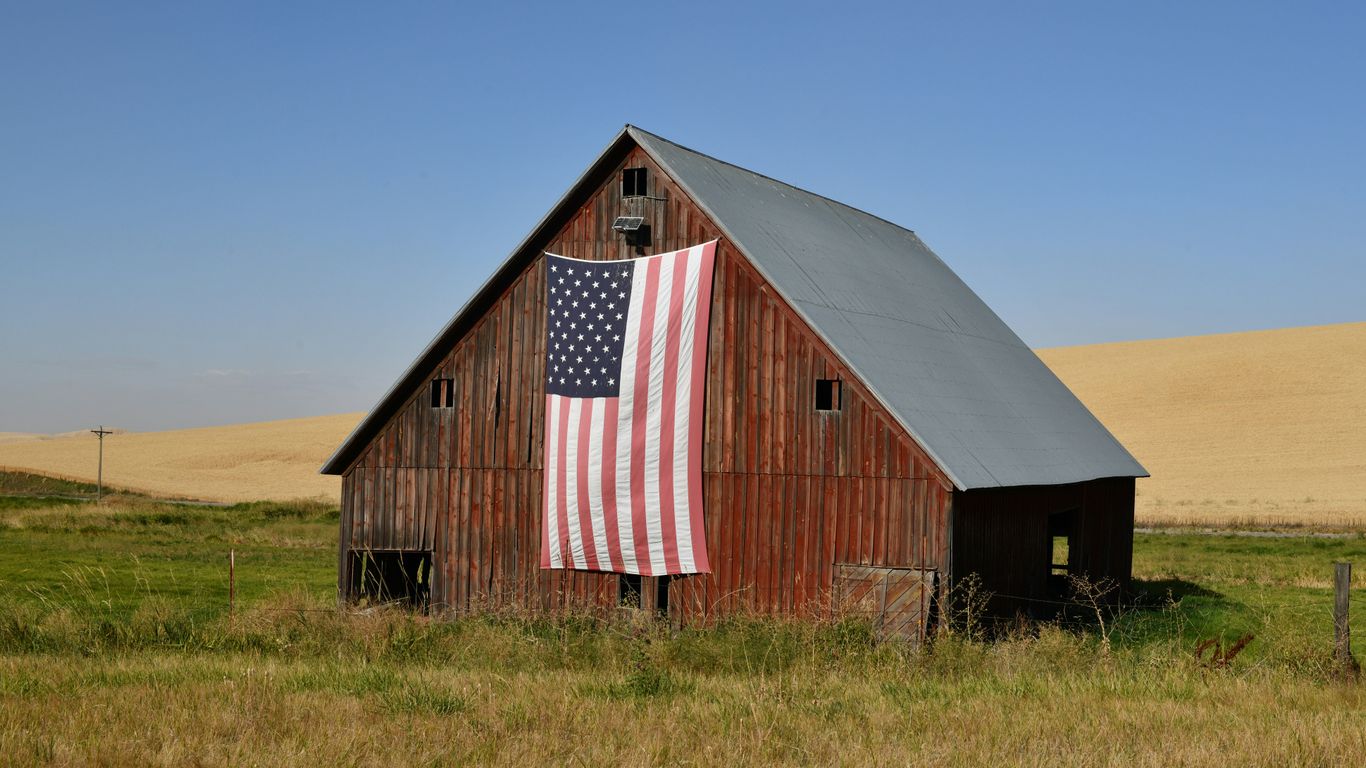
Trade policy. It’s a big deal for us here in Iowa, and honestly, it’s been a bumpy ride. You know, we grow a lot of stuff – corn, soybeans, you name it – and a good chunk of that is meant for folks overseas. When trade deals get shaky or tariffs start flying, it hits us right where it hurts: our wallets.
Impact of Tariffs on Soybean and Corn Exports
It feels like every time there’s a tariff war, our soybean and corn exports take a hit. China, for example, is a huge buyer for us. When they get upset about tariffs, they tend to buy less U.S. corn and soybeans. This isn’t just a small dip; we’re talking about billions of dollars in lost sales. It makes it really hard to sell what we grow, and prices can drop pretty fast.
Here’s a look at how exports have been affected:
| Year | Soybean Exports (Bushels) | Corn Exports (Bushels) | Major Trade Partner |
|---|---|---|---|
| 2022 | 2.1 billion | 1.8 billion | China |
| 2023 | 1.7 billion | 1.5 billion | China |
| 2024 (Est.) | 1.5 billion | 1.4 billion | China |
Note: These are simplified estimates to show trends.
Calls for Fairer Trade Deals and Market Access
What most farmers want isn’t handouts. We want a level playing field. We want trade deals that are fair and open up markets so we can sell our crops. It’s about having consistent access to buyers, not just when it’s politically convenient. We’re good at growing crops, really good, but we need reliable places to sell them. That means pushing for agreements that don’t put us at a disadvantage and making sure our products can get to customers around the world without unnecessary roadblocks.
Uncertainty in International Trade Relationships
Honestly, the constant back-and-forth in international trade makes planning for the next season a real headache. You invest a lot of money and time into your crops, hoping for a good return. But when trade relationships are unpredictable, it’s tough to know what to expect. Will our biggest buyers still be there next year? Will new tariffs pop up overnight? This uncertainty is a major stressor for farmers and their families, making it hard to secure loans and invest in the future of our farms. We need stability, not just for today, but for the long haul.
Future of Iowa Farming and Policy
Importance of the Finalized Farm Bill
The farm bill is a big deal for farmers, and the current one is pretty old, passed back in 2018. A lot has changed since then, right? The market is different, and farming itself has changed. Getting a new farm bill finalized is super important. It’s supposed to be a safety net, but if it’s not up-to-date, it might not really help like it should. Think of it like trying to use an old map for a new highway system – it just doesn’t work. We need a farm bill that actually fits today’s farming world.
Strengthening Domestic and Local Markets
While trade deals are important, a lot of farmers are saying they’d rather have stable markets at home. It makes sense, doesn’t it? Relying too much on what happens overseas can be risky. Building up our own markets, supporting local food systems, and making sure there’s demand for Iowa-grown products right here can make things more predictable. It’s about having a solid base that isn’t as easily shaken by international issues. This could mean more direct sales, better support for smaller farms, and a stronger connection between farmers and the people eating their food.
Modernizing Agriculture for Market Realities
Farming isn’t what it used to be. Technology is changing things fast, and the way we sell crops has shifted too. To keep up, agriculture needs to keep evolving. This means looking at new ways to grow things, using data to make better decisions, and adapting to what consumers want. Iowa farmers are tough, but they need policies and support systems that help them stay competitive in a world that’s always moving. It’s not just about getting through tough times; it’s about setting up farming for success in the years to come, making sure it can handle whatever the market throws at it.
Looking Ahead
So, that’s a quick look at what’s been happening in Iowa farming news. It’s clear things have been pretty tough lately, with a lot of farmers feeling the pinch from trade issues and rising costs. The recent aid package is a help, for sure, but everyone agrees it’s just a temporary fix. The real goal is getting back to stable markets and fair prices, and that means continuing to work on trade deals and maybe even looking at new ways to sell crops. We’ll keep an eye on how the farm bill shapes up and what other steps are taken to support the folks who feed us. Stay tuned for more updates as they come.
Frequently Asked Questions
Why are Iowa farmers facing financial problems?
Iowa farmers are dealing with tough times because of a few big reasons. Trade wars have made it harder to sell their crops, and the cost of things they need, like fuel and fertilizer, has gone up a lot. At the same time, the prices they get for their crops have gone down, making it hard to make money and pay their bills. This has led to more farmers having to file for bankruptcy.
What is the Farmer Bridge Assistance Program?
The Farmer Bridge Assistance Program is a plan to give money to farmers who are struggling. It’s a way to help them get through difficult times, like when trade issues make it hard to sell their products or when costs are very high. The program provides one-time payments to help them keep their farms running.
How much money is in the aid package, and who gets it?
The total aid package is $12 billion. Most of this money, about $11 billion, is for farmers who grow crops like corn and soybeans (row crops). The remaining $1 billion is set aside for farmers who grow other types of crops, like fruits and vegetables.
When will farmers receive this financial help?
Farmers need to apply for the aid, and the deadline to do so is usually in December. The government plans to send out the payments by the end of February. This timing is meant to help farmers as they finish selling their current crops and get ready for the next planting season.
Do farmers prefer government aid or stable markets?
Most farmers would rather have stable markets where they can reliably sell their products at fair prices. While they appreciate the help from government aid programs during tough times, they say that having consistent demand and good prices for their crops is the best way to ensure their farms can succeed long-term.
How do trade policies affect Iowa farmers?
Trade policies, especially tariffs (taxes on imported and exported goods), can really shake things up for Iowa farmers. When tariffs are put in place, it can make it harder and more expensive to sell crops like soybeans and corn to other countries. This uncertainty in international trade makes it difficult for farmers to plan and can lead to lower incomes.