Keeping up with the world of renewable energy can feel like a full-time job. Things change fast, from new government rules to the latest tech gadgets that promise to make things greener. We’re seeing big shifts in how projects get funded, how old wind farms get a new lease on life, and how companies are using smart tech like AI to manage power better. Plus, there’s a lot happening with trade and how different states are setting their own clean energy goals. It’s a lot to track, but staying informed is key.
Key Takeaways
- New government policies and tax credit rules are changing how clean energy projects move forward, affecting timelines and investment.
- Companies are finding new ways to fund clean energy projects, including making older wind and solar farms more efficient and using transferability of credits.
- Technology, especially AI, is playing a bigger role in managing energy storage, improving geothermal energy, and even helping build solar farms faster.
- Trade issues and different state-level rules are creating a complex market for renewable energy components and development.
- Data centers are increasingly looking to renewable energy and storage to power their operations, sometimes leading to new partnerships with gas utilities or a push for solar and battery combinations.
Navigating The Evolving Renewable Energy Landscape
The world of renewable energy is always changing, and keeping up can feel like a full-time job. New rules, tax breaks, and even who’s investing can shift things pretty quickly. It’s not just about building more solar panels or wind turbines; it’s about how these projects get the green light and who’s behind them.
Key Policy Shifts Impacting Clean Energy
Government policies are a big deal for clean energy. Think about tax credits – they’re like a discount that makes projects more affordable. But these credits have deadlines, and when they change, it can speed things up or slow them down. For example, new rules about where components come from can affect projects planned for 2026 and beyond. If a project is tied to certain countries, it might not get the full tax benefit. This is a big change that developers are watching closely.
Understanding Tax Credit Timelines and Their Effects
Tax credits are a major driver for renewable projects. The government offers these incentives to encourage the build-out of clean energy. However, the rules around these credits can be complex, especially regarding when a project needs to start construction to qualify. For instance, projects beginning construction in 2026 or later might face new requirements related to "Foreign Entities of Concern" (FEOCs). This means companies from specific countries might be restricted from claiming these credits, impacting project financing and development.
The Role of Foreign Entities in Energy Projects
When we talk about who’s involved in energy projects, foreign companies can play a significant role. They might invest money, supply equipment, or even help build the projects. However, new regulations are looking closely at entities linked to certain nations. This scrutiny can affect whether projects qualify for important tax benefits. It’s a developing area, and companies need to be aware of these rules to avoid issues with claiming credits, especially for projects starting construction soon.
Investment And Project Development Trends
Bridging Demand and Financing in Clean Energy
It feels like every week there’s a new announcement about a massive clean energy project getting the green light. But getting these projects off the ground isn’t just about having a good idea; it’s about making sure the money lines up. Developers are constantly looking for ways to connect with investors, and sometimes that means getting creative. One big way this is happening is through what they call "voluntary offtake agreements." Basically, companies that want to use clean energy are signing deals directly with renewable energy developers. This gives developers the confidence they need to secure financing because they know there’s a buyer for the power they’ll generate. It’s a pretty smart way to make sure demand meets supply, and it’s helping a lot of new solar and wind farms get built.
Repowering America’s Aging Wind and Solar Infrastructure
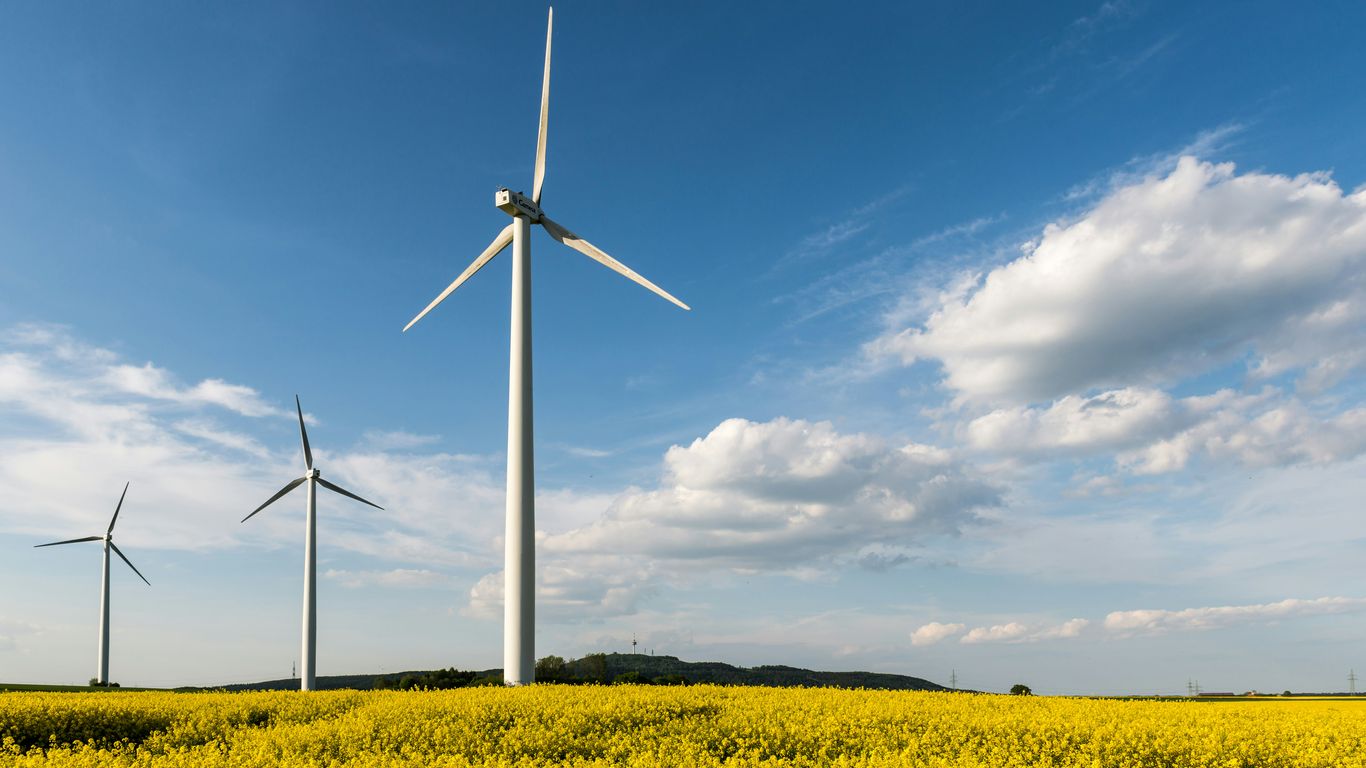
You know how sometimes you have to update old equipment to keep things running smoothly? Well, the same thing is happening with our wind and solar farms. A lot of the early installations are getting a bit long in the tooth. Instead of just tearing them down, there’s a growing trend to "repower" them. This means upgrading the old turbines or solar panels with newer, more efficient technology. It’s a bit like giving an old car a new engine – it can keep going for years longer and perform much better. This approach is not only good for keeping renewable energy production high but also for making sure we’re using our land and resources as effectively as possible. It’s a smart way to get more bang for our buck.
The Rise of Transferability in Project Finance
This is a really interesting development that’s changing how clean energy projects get funded. Before, if a company wanted to take advantage of tax credits for renewable energy projects, they pretty much had to own the project themselves. But now, with "transferability," they can actually sell those tax credits to other companies. Think of it like this: if you have a coupon you can’t use, but someone else really wants it, you can sell it to them. This opens up a whole new pool of money for renewable energy projects. Companies that might not have the direct need for the tax credit can now monetize it, and developers get access to capital more easily. It’s making it simpler for projects to get the funding they need to move forward.
Technological Innovations Driving Renewables
It feels like every week there’s some new gadget or idea popping up that could change how we get our energy. It’s pretty wild to think about.
AI’s Growing Influence in Energy Storage Optimization
Artificial intelligence, or AI, is starting to show up in a lot of places, and energy storage is one of them. Think about it: batteries are key to making sure the sun keeps shining and the wind keeps blowing, even when they’re not. AI can help manage these batteries way better. It can predict when we’ll need more power and when we can store it, making the whole system more efficient. This smart management means less wasted energy and a more reliable grid. It’s like having a super-smart assistant for your power storage.
Geothermal Energy Advancements Fueled by AI
Geothermal energy, which uses heat from inside the Earth, has always been a bit tricky to tap into. You need to know exactly where to drill. Now, AI is stepping in to help. By looking at tons of geological data, AI can help pinpoint the best spots for geothermal plants. It can also help figure out how to drill more effectively and manage the plants once they’re running. This could make geothermal a much bigger player in our energy mix.
Robotic Assembly for Large-Scale Solar Parks
Putting together massive solar farms used to be a huge manual job. But that’s changing. Companies are starting to use robots for building these parks. These robots can handle the heavy lifting and precise placement of solar panels, especially in big projects. This means faster construction times and potentially lower costs. It’s a big step towards making solar power even more accessible.
Market Dynamics And Trade Considerations
It feels like every week there’s a new trade investigation or tariff announcement affecting renewable energy components. It’s a lot to keep track of, honestly. We’re seeing ongoing investigations into things like solar cells and modules coming from India, Indonesia, and Laos. Plus, there are still those Section 232 investigations looking at wind turbine parts, polysilicon, and even critical minerals. These trade actions can really shake up supply chains and project costs.
On top of international trade, state-level rules are also playing a big part. Many states have their own renewable energy standards, and these can push projects forward or, sometimes, slow them down depending on the specifics. It’s a patchwork of regulations across the country.
Here’s a quick look at some of the trade actions impacting the sector:
- Antidumping and Countervailing Duty Investigations: These are looking into whether certain imported solar cells and modules are being sold too cheaply or unfairly subsidized. Countries like Cambodia, Malaysia, Thailand, and Vietnam have been part of these.
- Section 232 Investigations: These focus on whether imports pose a threat to national security. Currently, wind turbines, polysilicon, and critical minerals are under scrutiny.
- Battery Active Anode Material: Imports from China are also facing scrutiny in these investigations.
These trade dynamics, combined with state policies, are shaping how renewable energy projects get built and what they cost. It’s a complex picture, and staying informed about these market signals is key for anyone involved in the clean energy transition.
Emerging Trends In Clean Energy News
Things are really moving fast in the clean energy world, and it feels like every week there’s something new popping up. It’s not just about solar panels and wind turbines anymore, though those are still big players. We’re seeing some pretty interesting developments that are changing how we think about renewable power.
Offshore Wind Project Developments
Offshore wind is definitely a hot topic. These massive projects, often far out at sea, are becoming more common. They can generate a lot of power, and developers are getting better at building them. It’s not without its challenges, of course. Getting the equipment out there and dealing with the ocean environment takes some serious planning. But the potential for clean energy is huge, and that’s driving a lot of investment and innovation in this area.
Expedited Clean Energy Development Strategies
There’s a big push to get clean energy projects up and running faster. Think about it: the sooner we can get these projects online, the sooner we can start cutting down on emissions. This means looking at new ways to streamline the planning and construction phases. It could involve things like better permitting processes or using new construction techniques. The goal is to make it easier and quicker to build the renewable energy infrastructure we need.
Public Support for Nuclear Energy’s Role
While we often focus on solar and wind, nuclear energy is also part of the clean energy conversation again. There seems to be growing recognition that nuclear power plants don’t produce greenhouse gases while they’re running. This has led to more discussion about its role in a low-carbon future. It’s a complex topic, with different views on safety and waste disposal, but it’s certainly an emerging trend to watch as the energy landscape continues to shift.
The Intersection Of Data Centers And Renewable Energy
Data Centers Powering Their Own Energy Solutions
Data centers are getting serious about their energy needs, and it’s not just about keeping the lights on anymore. With the explosion of AI and big data, these facilities are consuming more power than ever. Many are now looking to generate their own clean energy to keep up. This means more companies are investing in on-site solar farms and battery storage systems. It’s a smart move for reliability and to meet sustainability goals. Think of it as building your own power plant, but a green one.
Addressing Power Bottlenecks with Gas Utilities
Sometimes, even with on-site generation, the local power grid can’t keep up. This is where gas utilities are stepping in. They’re making deals to provide power to new data centers, especially in areas where the grid is already strained. It’s not the greenest solution, but it’s a way to get these massive energy users online quickly. Some areas are seeing a real push for these kinds of arrangements to avoid delays.
The Synergy of Solar and Storage for AI Leaders
For the big players in AI, the combination of solar power and energy storage is becoming the go-to strategy. Solar provides the clean energy during the day, and storage systems keep the power flowing when the sun isn’t shining. This setup offers a reliable and sustainable power source that can handle the intense demands of AI processing. It’s a powerful duo that’s helping to fuel the next wave of technological advancement.
Renewable Energy News And Market Signals

Rising Renewable Energy Contract Prices
It looks like the cost of signing contracts for renewable energy projects is going up. This isn’t just a small bump; reports show a noticeable increase in prices for things like solar and wind power purchase agreements (PPAs). This trend suggests that demand is really strong, and projects are getting snapped up quickly. Some analysts are even saying projects are "flying off the shelves." This could be due to a few things, like increased demand from corporations looking to meet sustainability goals, or maybe some supply chain issues are starting to pinch.
The Role of Battery Types in Data Center Energy
Data centers are huge energy consumers, and they’re increasingly looking at batteries to help manage their power needs. It’s not just about having any battery, though. Different types of batteries are being considered for different jobs. For instance, some might be better for short bursts of power, while others could provide longer-term backup. This is becoming a big deal as data centers grow and need more reliable, flexible power. We’re seeing developers talk about how alternative battery chemistries could become more common because of this demand.
Energy Storage Solutions for Grid Optimization
Grid operators are really starting to lean on energy storage, especially batteries, to keep the lights on and the power flowing smoothly. Think of it like a shock absorber for the electricity grid. When demand spikes, storage can release power quickly. When there’s too much power, it can soak it up. This helps stabilize the grid, especially with more intermittent sources like solar and wind coming online. Different regions are actively looking for and selecting projects to help with this. New York, for example, is pushing forward with its energy storage roadmap, and grid operators like PJM are choosing projects to meet growing electricity needs. It’s all about making the grid more resilient and efficient.
Wrapping Up: What’s Next for Renewables?
So, that’s a quick look at what’s happening in the world of renewable energy. It’s a busy space, with new tech popping up and rules changing pretty regularly. From solar and wind getting cheaper to new ways of storing power and even how AI is getting involved, things are definitely moving. It’s not always a straight line, and there are challenges, like making sure we have enough materials and dealing with different policies. But overall, the push towards cleaner energy sources seems to be picking up steam. Keeping an eye on these developments is key if you want to understand where our energy is headed.