Keeping up with consumer energy news can feel like a full-time job these days. Things are changing fast, from how we power our homes to what big companies are planning. This article breaks down some of the latest updates and trends, so you can stay in the loop without getting overwhelmed. We’ll look at what’s happening with utilities, government rules, and what all this means for you.
Key Takeaways
- Exelon is putting a lot of money into improving its electricity transmission lines, planning to spend over $41 billion in the next five years.
- Data centers are looking for ways to generate their own power on-site, partly because of cost concerns and the need for reliable energy.
- New York City is updating its building rules to push for more electric heating and better energy efficiency, affecting new construction and renovations.
- Major utility companies like Consumers Energy and AEP are making big investment plans, with AEP seeing a huge increase in demand for large electricity contracts, especially from data centers.
- Government watchdogs, like the GAO, are pointing out that the Department of Energy needs better oversight for the billions of dollars it manages for energy programs.
Navigating The Evolving Consumer Energy Landscape
The way we get and use energy is changing, and it’s not just about big power plants anymore. Lots of smaller things are popping up, like solar panels on roofs and electric cars that can even send power back to the grid. This makes things a bit more complicated for everyone involved, from the companies that manage the power lines to us as consumers. We need to start thinking about how these smaller energy sources, sometimes called consumer energy resources (CER), will affect the whole system.
Understanding Key Energy Solutions
When we talk about energy solutions today, it’s a much wider picture than just electricity and natural gas from the utility. We’re seeing a mix of options:
- Electricity: Still the main player, but now with more ways to generate it locally.
- Natural Gas: Remains important for heating and some industrial uses, though its role is being re-evaluated.
- Sustainability: This isn’t just a buzzword; it’s about choosing cleaner energy sources and using less energy overall. Think solar, wind, and energy efficiency programs.
- Water and Petroleum: While not directly consumer energy in the same way, their availability and cost can be tied to broader energy infrastructure and policies.
Industries Impacted by Energy Trends
It’s not just homeowners feeling the shift. Many industries are directly affected by these energy changes:
- Property Management: Needs to consider energy efficiency in buildings to attract tenants and manage costs.
- Manufacturing: Often has high energy demands and is looking for ways to reduce costs and meet environmental goals.
- Retail Chains: Energy costs are a significant part of operating expenses, so efficiency and smart energy use are key.
- Data Centers: These places use a ton of electricity and are increasingly looking at on-site power generation to ensure reliability and manage costs.
The Role of Sustainability in Energy Choices
Sustainability is becoming a bigger deal when people make energy decisions. It used to be mostly about the cheapest option, but now folks are thinking about the planet too. This means looking at:
- Renewable Energy Sources: Like solar and wind power, which don’t produce greenhouse gases.
- Energy Efficiency: Using less energy to do the same job, whether it’s a better-insulated home or more efficient appliances.
- Reducing Carbon Footprints: Making choices that lower the amount of carbon dioxide released into the atmosphere. This can involve everything from driving an electric car to choosing an energy provider that uses more renewables.
Key Developments in Consumer Energy News
It feels like every week there’s something new popping up in the energy world, and keeping track can be a job in itself. Let’s look at a few of the big stories making waves right now.
Exelon’s Capital Spending Focus on Transmission
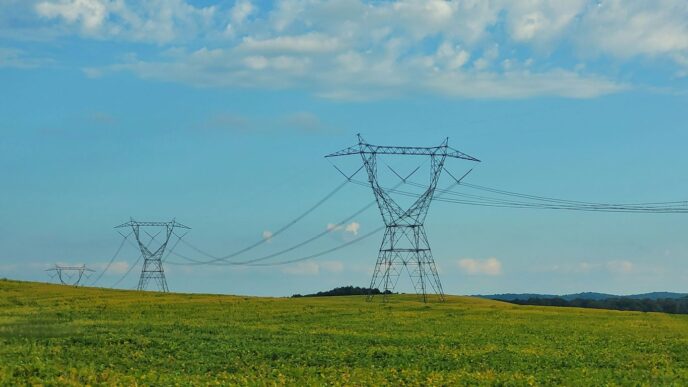
Exelon is putting a lot of its money into transmission lines. They’ve got a pretty big capital spending plan, aiming for around $41.3 billion. This focus on transmission is interesting because it’s all about making sure the electricity can get where it needs to go, especially with more renewable energy coming online and demand growing in certain areas. It’s a behind-the-scenes kind of investment, but super important for keeping the lights on reliably.
Data Centers Prioritize On-Site Power
Data centers are getting really serious about having their own power sources. A report from Bank of America pointed out that these massive facilities are looking at on-site power options more and more. Why? Well, affordability is a big driver, but also reliability. They can’t afford to have their operations go down, so generating their own power, or having backup systems right there, is becoming a top priority. It’s a shift from relying solely on the grid.
Grid Resilience and Climate Change Considerations
There’s a growing conversation about how our electricity grids need to be tougher, especially with climate change bringing more extreme weather. This isn’t just about storms, though. It’s about making sure the grid can handle all sorts of stresses. Utilities are thinking about this when they plan their investments, and regulators are paying attention too. It’s a complex issue, balancing the need for reliable power with the costs of upgrading infrastructure to withstand a changing climate. This often comes up in rate cases, where utilities ask for approval to spend money on these upgrades, and the impact on customers’ bills is a big part of the discussion.
Regional Energy Policy and Updates
Keeping tabs on what’s happening with energy policies in different regions can feel like a full-time job, right? Things are always shifting, and what works in one place might not make sense somewhere else. Let’s look at a couple of recent developments that show how different areas are handling energy.
Ontario Energy Board’s Capacity Information Map
The Ontario Energy Board (OEB) recently rolled out something called the Centralized Capacity Information Map (CCIM). Basically, it’s a way to see all at once how much space electricity distributors have for new customers and for things like solar farms or other energy sources that generate power locally. The idea is to make it easier for businesses to know where they can set up shop and grow, which should help the economy. It gives a clearer picture across the whole province, which is pretty handy if you’re looking to invest or build something new.
Natural Gas Price Comparison Templates
For folks looking at natural gas contracts, the OEB also put out some price comparison templates. These are specific to certain providers, like Utilities Kingston, and cover a set period. It’s a good way to get a handle on what you might be paying. They update these regularly, so you can check back to see the latest.
Electricity Distributor Variance Settlement Factors
Ever wonder about those credits or charges when you switch away from the standard electricity plan? The OEB has a specific factor they use for this, called the "Final RPP Variance Settlement Factor." They update this monthly. It’s a bit technical, but it’s what helps figure out those one-time adjustments for customers who decide to get their electricity from a different source than the usual regulated plan. It’s all part of making sure the system balances out correctly.
Major Utility Investments and Strategies
Utilities are really putting their money where their mouth is when it comes to upgrading and expanding the grid. It’s not just small stuff either; we’re talking about massive capital investment plans aimed at keeping up with demand and making the whole system more reliable.
Consumers Energy’s Five-Year Capital Investment Plan
Consumers Energy has laid out a pretty ambitious five-year plan, focusing a good chunk of its budget on improving the energy infrastructure. They’re looking at upgrading power lines, modernizing substations, and investing in cleaner energy sources. The goal is to make sure everyone has dependable power, even as more people start using electricity for things like heating and electric cars. It’s a big undertaking, and they’re planning to spend billions over the next few years to make it happen.
AEP’s Growing Pipeline for Large Load Contracts
American Electric Power (AEP) is seeing a huge surge in interest from big industrial customers, like factories and, notably, data centers. These large operations need a ton of electricity, and AEP is busy building out the capacity to serve them. They’ve got a growing list of potential contracts, which means they’re investing in the transmission and distribution lines needed to handle that extra power draw. It’s a sign that the economy is growing, but it also puts pressure on the grid to keep up.
AEP Ohio’s Data Center Demand Forecasts
Speaking of data centers, AEP Ohio specifically is forecasting a massive increase in demand from these facilities. They’re expecting data centers to need significantly more power in the coming years than they do now. This isn’t just a small bump; it’s a substantial jump that requires careful planning. AEP Ohio is looking at how to best meet this demand, which likely involves upgrades to their existing infrastructure and possibly building new facilities to handle the load. It’s a trend that’s reshaping how utilities think about future energy needs.
Emerging Trends in Energy Consumption
Things are changing fast in how we use energy. It’s not just about flipping a switch anymore. We’re seeing a big shift towards more flexible and distributed ways of getting and using power. This means the old ways of planning for energy use just don’t cut it anymore.
New York City’s Electrification and Efficiency Codes
New York City is really pushing the envelope when it comes to making buildings more energy-friendly. They’ve updated their energy codes to really focus on electrification and making things more efficient. What does this mean in practice? Well, for starters, they’re beefing up requirements for backup electric heating systems. This is a big deal for making sure people stay warm even when the main power goes out. They’re also making sure buildings are sealed up tight by mandating air-leak testing for all buildings. Think of it like making sure your house doesn’t have drafts – but on a much bigger scale. Plus, they’re putting in place rules for commercial water heating and lighting systems that require them to be ready to adjust their energy use when the grid needs it. This is called demand response, and it helps keep the whole system stable.
The Rise of Distributed Energy Resources
We’re seeing more and more smaller energy sources popping up all over the place, not just from big power plants. These are called Distributed Energy Resources, or DERs. Think rooftop solar panels on homes, or even batteries people are installing in their houses. Electric vehicles (EVs) are also becoming a huge part of this. Some forecasts suggest that by around 2035, we could have millions of EVs on the road. If even a small percentage of those can send power back to the grid when needed, it’s like adding a massive battery storage system. This is a game-changer because it means energy isn’t just coming from one direction anymore. It’s coming from everywhere. This shift is so significant that it’s expected to make up a big chunk of the grid’s storage capacity in the coming years. It’s a bit like how rooftop solar changed the game for big solar farms.
Understanding Material Assistance Cost Ratios
This is a bit more technical, but it’s important for understanding how energy costs are managed, especially for those who need help. Basically, it’s about figuring out the ratio between the cost of materials needed for energy projects or repairs and the overall cost. This helps in budgeting and making sure that funds, especially those meant for assistance programs, are used wisely. It’s about making sure that the money spent on materials doesn’t balloon out of proportion to the total project or assistance provided. This kind of ratio is key for transparency and for making sure that energy assistance programs are effective and sustainable. It helps planners and administrators make smart decisions about where to allocate resources.
Government Oversight and Energy Funding
When it comes to energy, especially with all the changes happening, keeping an eye on how government money is spent and how things are regulated is pretty important. It’s not always the most exciting topic, but it directly affects our bills and the reliability of our power.
GAO Report on DOE Energy Fund Oversight
The Government Accountability Office (GAO) recently put out a report that basically said the Department of Energy (DOE) doesn’t really have a solid plan for overseeing the billions of dollars it’s handing out for energy projects. This is a big deal because, with so much money involved, you’d expect a clear strategy for making sure it’s used effectively and responsibly. The report highlighted that the DOE needs to step up its game in tracking these funds to prevent waste and ensure the projects actually achieve their goals. Without proper oversight, there’s a risk that taxpayer money might not be put to its best use, potentially slowing down progress on important energy initiatives.
The Impact of Emergency Orders on Coal Plants
Sometimes, the government steps in with emergency orders that can have a significant impact on energy providers. We’ve seen instances where these orders have kept coal plants running longer than planned. For example, a company like Consumers Energy, which had plans to retire a coal plant, was affected by such an order. While the stated goal might be to ensure grid reliability during a pinch, these decisions can complicate long-term energy transition plans and potentially keep more expensive, older power sources online. It raises questions about how these emergency measures align with broader goals for cleaner energy and cost savings for consumers. The companies themselves often hint that shutting down these older plants would eventually lead to cost reductions, but these orders can delay that.
Wrapping It Up
So, that’s a quick look at what’s been happening in the world of energy for consumers. Things are always changing, whether it’s new rules coming out, big companies making plans, or cities updating how buildings should work. It can feel like a lot to keep track of, but staying a little bit informed helps. Knowing about these shifts, like how data centers are thinking about power or what new maps are available for energy capacity, can make a difference. Keep an eye on these updates; they affect how we all use and pay for energy.