Global Robot Demand and Growth Trends
Industrial Robots: Demand Doubles Over A Decade
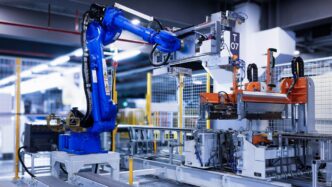
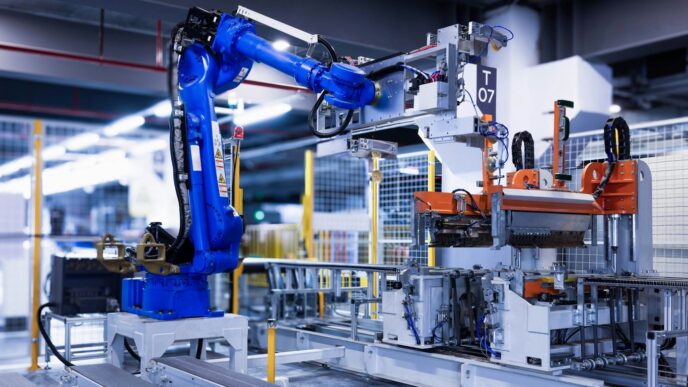
It’s pretty wild to think about how much industrial robots have taken off. We’re talking about numbers that have doubled over the last ten years. Back in 2014, around 250,000 industrial robots were installed worldwide. Fast forward to 2024, and that number shot up to over 542,000 units. That’s more than double, and it’s been happening for a few years now, with installations consistently hitting that half-million mark annually. Asia is really leading the charge here, accounting for about 74% of all new robot deployments. Europe is next, at around 16%, and the Americas make up about 9%. This surge isn’t just about more factories getting robots; it’s about how essential they’ve become for keeping production lines moving and staying competitive.
Service Robots Experience Significant Global Growth
Beyond the factory floor, service robots are also seeing some serious global growth. These are the robots that help out in all sorts of places, not just manufacturing. Think about robots used in logistics, agriculture, or even cleaning. In 2024, sales for professional service robots went up by about 9%. That might not sound huge, but when you consider the sheer number of units, it’s a big deal. We’re talking over 199,000 professional service robots sold that year. It just goes to show that robots are moving into more areas of our lives and work.
Medical Robots See Remarkable Sales Increase
One of the most eye-opening areas of growth is in medical robots. These specialized machines are making a huge impact in healthcare. In 2024, sales for medical robots specifically jumped by a massive 91%. That’s almost a doubling in sales for these critical devices. Close to 16,700 medical robots were sold that year. This kind of increase points to how much hospitals and medical facilities are relying on robotic technology for everything from surgery to patient care and even disinfection, especially in light of recent global health events.
The Evolving Landscape of Robotics
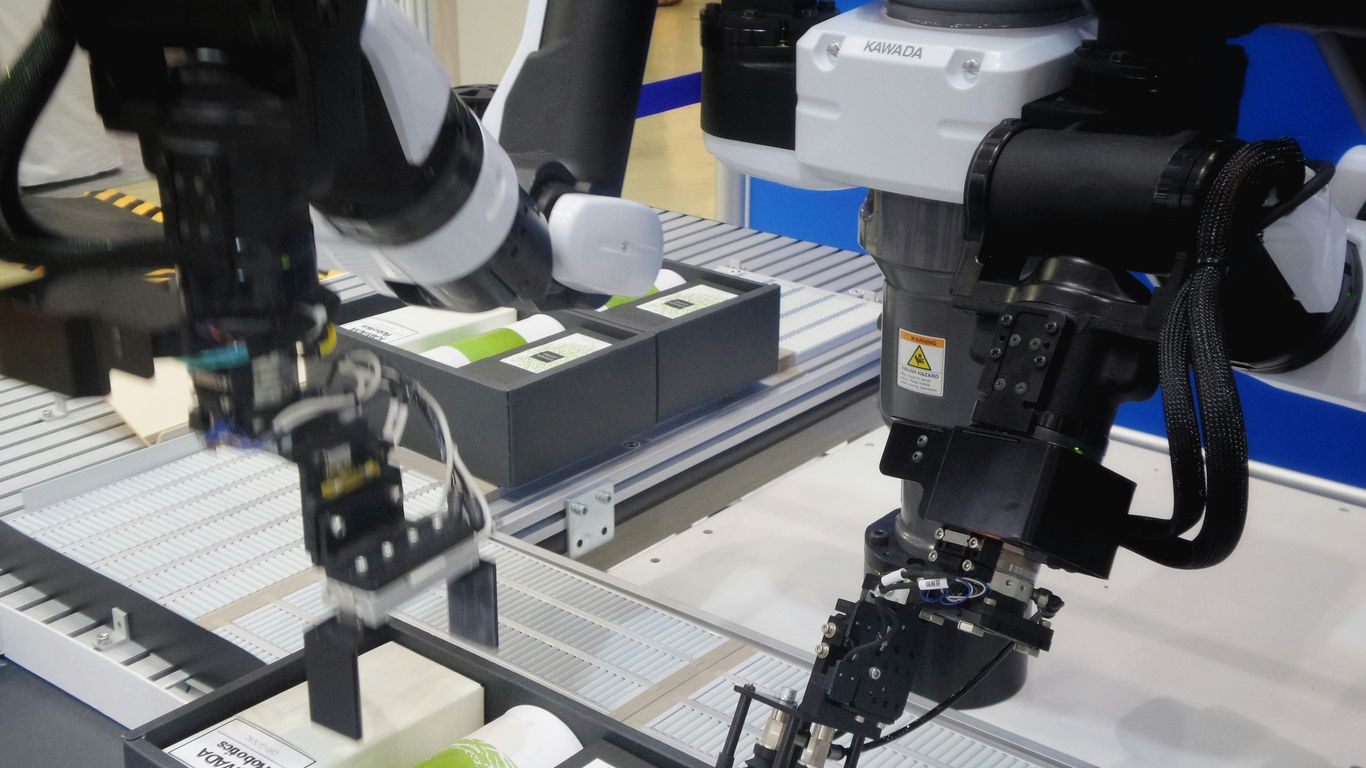
Robotics isn’t just about building cool machines that move; it’s a field that pulls together a bunch of different areas. Think mechanical engineering for the body, computer science for the brains, and electrical engineering for the power and sensors. It’s this mix that lets us create robots capable of doing all sorts of jobs, from heavy lifting on factory floors to helping out in hospitals.
Robotics: A Multidisciplinary Field
It’s pretty wild how many different disciplines come together to make robots work. You’ve got the folks designing the physical structure, making sure it can move and handle tasks without falling apart. Then there are the programmers writing the code that tells the robot what to do, how to react, and how to learn. And don’t forget the electrical engineers who make sure everything is powered up and all the sensors can talk to the main computer. This combination is what allows robots to tackle increasingly complex challenges.
Robots in Automation and Machine Learning
When we talk about robots in automation, we’re often talking about them working alongside or instead of humans in repetitive or dangerous tasks. But it’s machine learning that’s really changing the game. Instead of programming every single move, robots can now learn from data and experience. This means they can adapt to new situations, improve their performance over time, and even figure out how to do things they weren’t explicitly taught. It’s like giving them a bit of a brain, allowing them to get smarter the more they work.
Ethical Considerations in Robotics
As robots become more common and more capable, we have to think about the right and wrong ways to use them. This isn’t just about making sure they don’t hurt people, though that’s a big one. It also involves questions about jobs – will robots take over too many human roles? What about privacy, especially with robots that can see and hear? And who’s responsible when a robot makes a mistake? These are big questions that society, engineers, and policymakers are grappling with as the technology moves forward.
Key Developments in Robotics
Top Robot Trends for the Coming Years
The robotics field is always buzzing with new ideas and advancements. Looking ahead, we’re seeing a few big trends shaping how robots will be used. Automation is becoming more sophisticated, moving beyond simple repetitive tasks to handle more complex jobs. This means robots are getting smarter, thanks to better machine learning and AI. We’re also seeing a push for robots that can work more closely with people, making workplaces safer and more efficient. Think collaborative robots, or ‘cobots,’ that can assist human workers without needing cages.
Robots’ Role in Post-COVID Economy
The pandemic really highlighted how useful robots can be. They stepped up in areas like logistics, delivery, and even healthcare, helping to reduce human contact and keep essential services running. This has accelerated the adoption of robots in many industries. Some people worried robots would take jobs, but research suggests they actually create new ones, often requiring different skills. The focus is shifting towards how robots can help businesses become more resilient and productive in a changing world.
Nations Invest in Robotics Research
Governments around the globe recognize that robotics is key to future economic growth and competitiveness. Many countries are putting significant money into research and development programs. These initiatives aim to push the boundaries of what robots can do, from advanced manufacturing to healthcare and environmental monitoring. This investment isn’t just about building better robots; it’s about developing the infrastructure, talent, and policies needed to support a thriving robotics ecosystem.
Understanding Robot Categories
Robots aren’t all the same, you know? They’re built for different jobs and come in various shapes and sizes. Think of it like tools in a toolbox – you wouldn’t use a hammer to screw in a bolt, right? The same goes for robots. We can generally sort them into a few main groups based on what they do.
Defining Industrial Robots
These are the workhorses you often see in factories. The International Federation of Robotics (IFR) has a pretty specific definition for them: an "automatically controlled, reprogrammable multipurpose manipulator programmable in three or more axes." Basically, it’s a machine arm that can be programmed to do a bunch of different tasks, moving in multiple directions. They’re designed for repetitive, often heavy-duty jobs on assembly lines, like welding, painting, or moving heavy parts. Their main goal is to boost efficiency and precision in manufacturing.
Defining Service Robots
This category is a bit broader. The ISO defines a "service robot" as a "robot in personal use or professional use that performs useful tasks for humans or equipment." This means they can be found anywhere from your home to a hospital. Think about robots that help with surgery, clean your floors, or even deliver medication. They’re built to assist people or handle tasks that might be difficult, dangerous, or just plain boring for humans.
Exploring Robotics Research
This isn’t a type of robot itself, but rather the whole field dedicated to figuring out how to make robots better and create new ones. It’s where engineers and scientists dream up new ideas, test out new technologies, and figure out how robots can do even more amazing things. Organizations like the IFR play a big part here, connecting industry folks with researchers to share what they’re learning. It’s all about pushing the boundaries of what robots can do for us in the future.
Robotics in Action and Future Impact
Robots aren’t just science fiction anymore; they’re out there, doing real work. We’re seeing them pop up in all sorts of places, making things happen.
Case Studies of Robot Applications
Think about factories. Robots have been a big part of manufacturing for a while, doing repetitive tasks like welding or painting. But it’s not just heavy industry. We’ve got robots helping in warehouses, sorting packages at lightning speed. Even in agriculture, robots are starting to plant seeds and harvest crops. It’s pretty wild to see how they’re being used.
- Manufacturing: Assembly lines are getting faster and more precise with robotic arms.
- Logistics: Automated guided vehicles (AGVs) move goods around warehouses efficiently.
- Agriculture: Drones and specialized machines are helping with crop monitoring and harvesting.
- Healthcare: Robotic systems assist surgeons with delicate procedures, leading to less invasive operations.
Robots and Sustainability Goals
It’s not all about efficiency, though. Robots can actually help us with some pretty big global challenges, like sustainability. For example, robots can help manage waste by sorting recyclables more accurately than humans can. They can also be used in renewable energy projects, like inspecting wind turbines or solar panels in hard-to-reach places. This technology has the potential to make our planet a bit greener.
Here’s how robots can contribute:
- Resource Management: Optimizing energy use in factories and buildings.
- Waste Reduction: Improving recycling processes and hazardous material handling.
- Environmental Monitoring: Collecting data in remote or dangerous environments to track pollution or climate change.
- Sustainable Agriculture: Precision farming reduces water and pesticide use.
The Future of Human-Robot Interaction
So, what’s next? We’re moving towards a future where humans and robots work side-by-side more often. Imagine robots helping out in homes, assisting the elderly, or even working alongside us in offices. The way we interact with robots is changing. They’re becoming more intuitive, able to understand voice commands and even gestures. It’s going to be interesting to see how this partnership evolves and what new possibilities it opens up.
Industry Insights and Expert Perspectives
IFR’s Role in the Robotics Community
The International Federation of Robotics (IFR) is a pretty big deal in the robotics world. Think of them as a central hub, bringing together folks from all over the globe who are into robots. They’re all about sharing information and ideas, which really helps robotics move forward. They also put out a lot of data, like how many industrial robots were installed last year – over 542,000 units, which is double what it was a decade ago! It’s not just factories, either. Service robots, especially medical ones, are seeing some serious growth. Medical robot sales jumped by 91% in 2024, which is pretty wild.
Expert Views on Robotics Advancement
People who really know their stuff in robotics have a lot to say about where things are headed. Professor Alexander Verl from the University of Stuttgart mentioned how the IFR helps researchers and engineers show off their new work. And Jong-Oh Park, a professor at Chonnam National University, pointed out that the market data from IFR is super important for anyone working with robots. It helps connect people in the industry with those in universities, which is great for networking. Plus, some folks think the IFR does a good job of showing the public how robots can actually help the economy and aren’t just something to be scared of.
Networking Opportunities in Robotics
Getting together with other people in the robotics field is a big part of how things get done. The IFR helps with this by organizing events and providing a platform for discussion. It’s a chance to meet up with professionals and entrepreneurs, share what you know, and figure out how to get more companies and people using robot technology. Marina Bill from ABB even said that robotics, AI, and related tech could change pretty much everything in the next ten years. Being part of groups like the IFR means you can be in on those conversations and maybe even help shape the future.
Upcoming Robotics Events and Conferences
Planning to stay on top of the latest in robotics? You’ll want to mark your calendar for these key events happening in 2026. It’s a great way to see new tech, meet people in the field, and get a feel for where things are headed.
Elmia Automation Fair
This is a big automation fair happening in Jönköping, Sweden. It runs from May 19th to May 22nd, 2026. If you’re interested in industrial automation and how robots are changing manufacturing, this is the place to be. You’ll see a lot of different companies showing off their latest equipment and solutions.
ICRA 2026
ICRA, which stands for the IEEE International Conference on Robotics and Automation, is a major academic and research conference. It’s scheduled for June 1st to June 5th, 2026. This is where researchers present their newest findings and ideas. It’s a bit more technical, but it gives you a look at the cutting edge of robotics science.
Automate 2026
Taking place from June 22nd to June 25th, 2026, Automate is a huge show in North America. It covers not just robotics but also machine vision, motion control, and AI. It’s a really good spot to see a wide range of automation technologies and how they’re being applied across different industries. This event is a must-see for anyone involved in automation.
Attending these events can really give you a clearer picture of the robotics landscape. You get to see the machines in action, hear from experts, and connect with others who are passionate about this field. It’s more than just looking at brochures; it’s about experiencing the innovation firsthand.
Wrapping Up: What’s Next for Robots?
So, it’s pretty clear that robots aren’t just science fiction anymore. They’re showing up everywhere, from factories to hospitals, and that trend is only going to keep going. We’re seeing more and more industrial robots being put to work, and service robots are booming too. It’s a fast-moving field, and keeping up with all the new developments can feel like a lot. But staying informed helps us understand how these machines are changing our world, for better or worse. It’s going to be interesting to see what happens next.