Keeping up with the power plants news can feel like a full-time job these days. Things are changing fast, from how we power our homes to how we keep the lights on during peak demand. We’re seeing new projects pop up, old ones get upgrades, and a whole lot of talk about making the grid smarter and more reliable. Let’s break down what’s happening across the industry.
Key Takeaways
- The U.S. is seeing a significant uptick in new gas-fired power generation projects, with billions of dollars in development, while also preparing for necessary maintenance at existing facilities.
- Grid modernization efforts are driving a manufacturing boom, particularly for transformers, to meet growing demand from new housing and the needs of an AI-driven economy.
- Nuclear energy is being eyed as a key player in supporting the massive power needs of data centers, with AI also influencing how sustainable data centers operate.
- Policy shifts, like ‘safe harbor’ rules for clean energy tax credits and discussions around resource adequacy, are shaping investments in power infrastructure.
- Artificial intelligence is becoming a bigger part of power plant operations, aiming to improve safety and efficiency, while also raising questions about governance and risk.
U.S. Power Plants News and Project Developments
Gas-Fired Power Generation Projects on the Rise
Looks like natural gas is still a big player in the U.S. power scene. We’re seeing a bunch of new gas-fired power plant projects getting planned. Industrial Info is keeping tabs on over $11 billion worth of these projects, both already in the works and just proposed, with a lot expected to get going in the first quarter of 2026. It seems like the demand for reliable power generation is keeping these projects moving forward.
Maintenance Outages for U.S. Gas-Fired Power Plants
With all these plants running, maintenance is a big deal. Industrial Info is also tracking more than 120 projects focused on maintenance at natural gas power plants across the country. Many of these are scheduled to start in early 2026, with about half of them happening down South. Keeping these plants in good shape is key to making sure the lights stay on.
EU Shifts Away from Russian Gas Supply
On the international front, there’s a significant shift happening in Europe. The European Commission has made it clear they’re moving away from Russian natural gas, calling it an unreliable supplier. This decision could have ripple effects on global energy markets and how countries secure their power sources.
Grid Modernization and Technology Trends
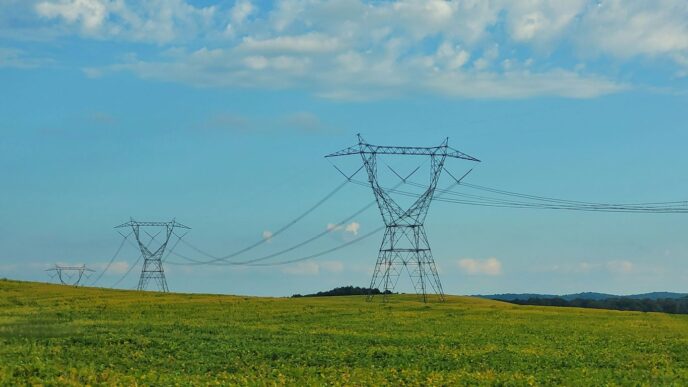
The way we power our homes and businesses is changing, and a big part of that is updating our old electrical grids. Think of it like upgrading your home’s wiring from the 1950s to handle all the new gadgets we use today. Utilities are busy making these upgrades, and it’s creating a bit of a manufacturing boom.
Manufacturing Boom Fueled by Grid Modernization
This push for modernization means more demand for all sorts of equipment. We’re talking about advanced sensors, smart meters, and the software to manage it all. Utilities are investing heavily, and that’s good news for the companies making this gear. It’s a cycle: the grid needs updating, so manufacturers ramp up production, which in turn helps utilities get the job done faster.
Transformer Demand for Growing Subdivisions
One specific piece of equipment that’s seeing a lot of demand is the transformer. As new neighborhoods pop up and more people move in, especially with the rise of electric vehicles and other high-draw appliances, the local power infrastructure needs to keep up. Utilities are working hard to make sure they have enough transformers ready to go, sometimes even pre-ordering to avoid delays. It’s a constant race to match power supply with where people are living and working.
Regulatory Sandboxes Accelerate Utility Innovation
Sometimes, trying out new technologies can be tricky because of all the existing rules. That’s where "regulatory sandboxes" come in. These are basically controlled environments where utilities can test out new ideas and technologies without immediately having to meet every single regulation. It’s a way to speed up innovation and see what works best before rolling it out everywhere. Think of it as a pilot program for grid tech. This approach is gaining traction, helping utilities explore things like advanced grid monitoring and new ways to manage energy flow more efficiently.
Emerging Power Sector Dynamics
The power sector is in a constant state of change, with new demands and technologies reshaping how we generate and distribute electricity. One of the most talked-about areas right now is the growing need for power to support the explosion of data centers. These massive facilities, which house the servers that power everything from cloud computing to artificial intelligence, are hungry for reliable and substantial amounts of electricity.
Nuclear Energy’s Role in Data Center Growth
As data centers expand, the search for consistent and carbon-free power sources intensifies. Nuclear power is re-emerging as a potential solution for these energy-intensive operations. Its ability to provide a steady, baseload power supply, independent of weather conditions, makes it attractive for data centers that require uninterrupted operation. While challenges remain regarding public perception and waste disposal, the sheer energy demand from data centers is prompting a serious look at nuclear’s capabilities. This could lead to new plant constructions or the repurposing of existing facilities to meet this specific demand.
AI’s Impact on Powering Sustainable Data Centers
Artificial intelligence isn’t just using power; it’s also helping to make data centers more efficient. AI algorithms can optimize cooling systems, predict hardware failures, and manage energy loads in real-time. This means data centers can reduce their energy footprint significantly. Furthermore, AI can help integrate renewable energy sources more effectively into data center operations. By forecasting solar and wind output, AI can help manage power consumption to align with periods of high renewable availability, reducing reliance on fossil fuels.
Transmission Interconnection Queues for Power Plants
Getting new power plants, whether they’re solar farms, wind turbines, or even nuclear facilities, connected to the grid is a major hurdle. The "interconnection queue" refers to the backlog of projects waiting to be connected to the transmission system. These queues have grown enormously in recent years, largely due to the surge in renewable energy projects and the increasing demand from data centers.
Here’s a look at the situation:
- Massive Growth: The number of projects in interconnection queues has more than doubled in the last few years.
- Renewable Dominance: The vast majority of projects in the queue are for solar, wind, and battery storage.
- Delays and Costs: Long wait times and high costs associated with grid upgrades are common for developers.
This bottleneck is a significant challenge for expanding clean energy capacity and meeting future electricity needs. Addressing these queues is a top priority for grid operators and policymakers.
Policy and Investment in Power Infrastructure
Safe Harbor Rules for Clean Energy Tax Credits
Getting clean energy projects off the ground often hinges on tax credits, and the "safe harbor" rules are a big deal for developers. Basically, these IRS rules give project builders a clear path to qualify for those credits. They just need to meet certain deadlines, like starting construction or getting the project up and running within a set timeframe. It’s all about providing some certainty in a complex investment landscape. Without these guidelines, the financial planning for many renewable energy ventures would be a lot trickier.
Resource Adequacy and Grid Reliability
Keeping the lights on is the main job, right? That’s where "resource adequacy" comes in. It’s a fancy term for making sure there’s enough power generation capacity to meet demand, even when things get a bit wild, like during heatwaves or unexpected plant shutdowns. The Department of Energy has been looking into this, and groups like the North American Electric Reliability Corporation (NERC) are working on how to measure and manage it. It’s a constant balancing act to make sure the grid can handle whatever comes its way.
Infrastructure Keeping Pace with AI Economy
This is a newer one, but it’s getting a lot of attention. The rise of artificial intelligence, especially with massive data centers needing tons of power, is putting new demands on our existing infrastructure. We’re talking about needing more electricity generation, but also a lot more robust transmission and distribution systems to get that power where it needs to go. Some reports suggest that coal and gas plants might see a bit of a resurgence just to meet this new demand, at least in the short term, while longer-term solutions are figured out. It’s a big question mark for infrastructure planning right now.
Financial Strategies in the Power Sector
When you look at how the power industry is funded these days, it’s a bit of a mixed bag. There’s a lot of money moving around, and different approaches are being used to pay for everything from new power plants to keeping the lights on.
Private Equity Interest in Power Utilities
It seems like private equity firms are really starting to notice power utilities. With electricity bills going up and big tech companies needing more and more power for their data centers, these firms see a chance to make some money. They’re buying into utilities, which can sometimes change how things are run, but it also means there’s capital available for upgrades and new projects. It’s a trend that’s been picking up steam, and it’s worth keeping an eye on.
Securitization for Affordable Energy Transition
This is a pretty interesting financial tool that’s gaining traction. Securitization basically means bundling up future revenue streams, like customer payments, and selling them off as bonds. For the power sector, this can be a way to pay for big, expensive projects, like those needed for the energy transition, without burdening customers with huge upfront costs. Think of it like getting a big loan now by promising to pay it back over time with money from your customers. It’s seen as a way to keep energy costs down while still making necessary investments.
Equity Issuance Drivers in the Power Sector
Companies in the power sector are also looking to raise money by selling more stock, which is called equity issuance. What’s driving this? Well, a few things. For starters, the general outlook for utilities in North America is pretty stable, which makes investors feel more comfortable. Plus, there’s a lot of excitement about new technologies and the need to upgrade the grid. Companies are also looking to fund projects related to the growing demand for energy, especially from things like AI and data centers. It’s a way for them to get the cash they need for growth and modernization.
Artificial Intelligence in Power Plant Operations
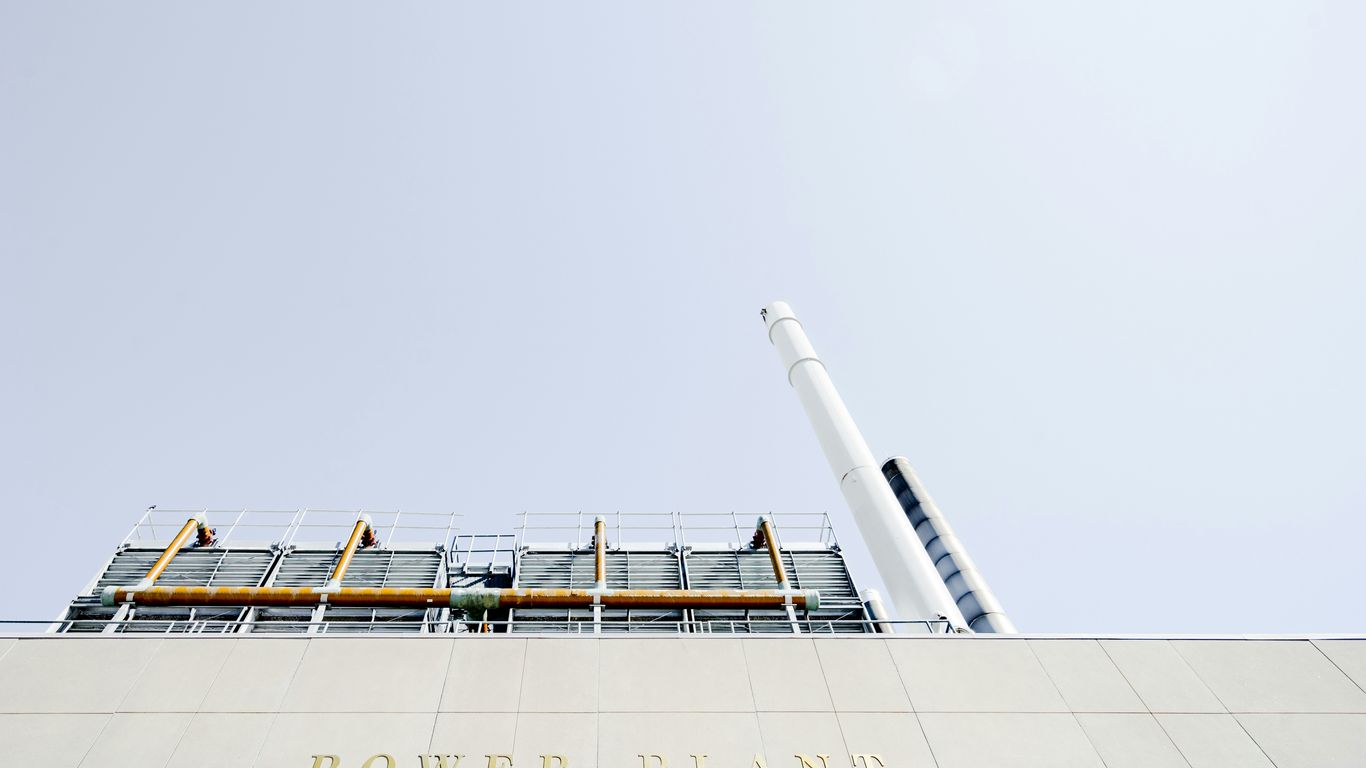
It’s pretty wild how much artificial intelligence is changing how power plants run these days. We’re not just talking about fancy computers anymore; AI is getting into the nitty-gritty of keeping the lights on, making things safer, and honestly, just running smoother.
AI Enhancing Safety and Efficiency in Utilities
Think about all the moving parts in a power plant. There are a lot of things that can go wrong, and keeping workers safe is always the top priority. AI is starting to help with this in a few ways. For example, AI can look at data from sensors and cameras to spot potential problems before they become big issues. It can flag if a piece of equipment is running too hot or making weird noises, giving operators a heads-up to check it out. This kind of early warning system can prevent accidents and costly breakdowns. Plus, AI can help automate some of the more repetitive or dangerous tasks, letting people focus on more complex jobs. This shift means fewer risks for the folks working on the ground.
Machine Learning in Real-Time System Operations
Keeping the grid balanced is a constant juggling act. Demand for electricity changes by the minute, and power plants need to respond quickly. Machine learning, a type of AI, is getting really good at predicting these changes. It can analyze historical data, weather patterns, and even social media trends to forecast electricity needs with more accuracy. This allows plant operators to adjust power output more effectively, reducing waste and making sure there’s enough power when and where it’s needed. It’s like having a super-smart assistant who can see the future of energy demand.
AI Governance and Risk Mitigation in Electric Utilities
Now, all this new tech comes with its own set of challenges. As utilities bring more AI into their operations, they also need to think about how to manage it responsibly. This means having clear rules and procedures in place. What happens if an AI system makes a mistake? How do we protect sensitive data? Who is responsible when something goes wrong? These are the kinds of questions that fall under AI governance. Utilities are working on setting up frameworks to address these issues, making sure that AI is used in a way that is secure, fair, and reliable. It’s a bit like building the guardrails for a new highway – you need them to make sure everyone travels safely.
Global Power Plant News and Outlooks
South Africa’s Integrated Resource Plan Focuses on Renewables
South Africa has given the green light to its updated Integrated Resource Plan (IRP 2025). This plan lays out a pretty ambitious path for adding new power generation capacity over the next decade and a half, aiming for over 105 gigawatts (GW) by 2039. A big chunk of that is going into solar photovoltaic and wind power. We’re talking about 25 GW of solar and 34 GW of wind capacity to be added by 2039. It’s a clear signal that the country is leaning heavily into renewable energy sources to meet its future power needs.
IEA Report on Global Oil and Gas Investment Trends
The International Energy Agency (IEA) recently put out a report that looks at what’s happening with oil and gas fields around the world. It points out that these fields are seeing declining production rates. While the report is mostly technical, it does touch on how investment in oil and gas might need to change depending on how much global demand there is up to 2050. It’s a complex picture, with different scenarios suggesting varying levels of investment will be necessary. It’s not a simple yes or no answer on future investment, but more of a "it depends" situation based on demand forecasts and how quickly fields deplete.
Wrapping Up: What’s Next for Power Plants
So, that’s a look at what’s happening in the world of power plants right now. We’ve seen a lot of movement, from new projects getting planned to the ongoing work needed to keep existing ones running smoothly. Things are definitely changing, with new technologies and different energy sources coming into play. It’s a busy time, and staying on top of these updates is key for anyone involved or just interested in how we get our power. Keep an eye out, because the energy landscape isn’t standing still.