Trying to keep all your marketing stuff in one place can feel like a juggling act, right? You’ve got emails here, social media there, and don’t even get me started on tracking leads. It’s a lot. That’s where the idea of an all in one marketing platform comes in. Instead of using a bunch of different tools that don’t talk to each other, these platforms try to put everything you need into a single spot. Think of it like having one toolbox for all your marketing jobs instead of a bunch of scattered drawers. This guide is all about figuring out if that makes sense for your business and what to look for.
Key Takeaways
- An all in one marketing platform combines different marketing tools like email, CRM, and automation into one system.
- Using a single platform can make managing campaigns easier and save you time.
- These tools help by keeping all your customer data in one place, making reporting simpler.
- Businesses of all sizes, from small startups to big companies and agencies, can find benefits in these platforms.
- When choosing a platform, check if it has the features you actually need, like CRM, email, automation, and landing page builders.
Understanding All-In-One Marketing Platforms

So, what exactly are we talking about when we say "all-in-one marketing platform"? Think of it like this: instead of juggling a bunch of different apps and services for your marketing – one for emails, another for social media, a third for tracking customers, and maybe a fourth for building landing pages – you get one system that does most of it. It’s about bringing all those scattered marketing tasks under one roof.
What Constitutes a Unified Marketing Solution?
A unified marketing solution is basically a software system that bundles together several key marketing functions. We’re talking about things like managing your customer list (CRM), sending out email blasts, running automated sequences, and seeing how your campaigns are doing, all within a single program. The main idea is to stop you from having to pay for and manage a bunch of separate tools. This consolidation aims to make your marketing efforts smoother and more effective by giving you one central place for everything. It’s like having your marketing team all in one office instead of spread out across town.
The Core Components of Integrated Marketing Software
Most integrated marketing software will have a few main parts. You’ll usually find a customer relationship management (CRM) system to keep track of your contacts and their interactions with your business. Then there’s the email marketing part, which lets you create and send newsletters or promotional emails. Automation is a big one too; this lets you set up automatic responses or sequences based on what your customers do. Finally, most platforms include tools for building landing pages or simple websites to capture leads. Some also add SMS marketing and analytics dashboards.
Here’s a quick look at what you might find:
- CRM: Keeps all your customer info organized.
- Email Marketing: Design and send emails to your list.
- Automation: Set up automatic workflows.
- Landing Pages: Create pages to collect leads.
- Analytics: Track campaign performance.
Bridging Gaps: How Integrated Platforms Enhance Efficiency
One of the biggest wins with these platforms is how they connect everything. When your email tool and your CRM are talking to each other directly, you don’t have to manually move data around or worry about it being out of date. For example, if someone signs up on a landing page, they can automatically be added to an email welcome series without you lifting a finger. This kind of connection means less chance for errors and a lot more speed in getting your marketing messages out. It helps avoid those annoying data silos where information gets stuck in one place and can’t be used by other parts of your marketing. Having all your marketing data in one spot makes it much easier to see the whole picture and make smarter decisions about where to put your efforts. You can avoid spending thousands of dollars on separate tools by utilizing this all-in-one digital marketing platform.
Key Advantages of Adopting an All-In-One Strategy
So, you’re thinking about ditching the patchwork of marketing tools for something more… unified? Smart move. Sticking with separate apps for email, social media, CRM, and landing pages can feel like juggling chainsaws while riding a unicycle. It’s messy, inefficient, and frankly, a bit stressful. An all-in-one platform changes that whole picture.
Streamlining Campaign Execution and Management
Imagine this: you have an idea for a new promotion. With separate tools, you’d be building a landing page here, setting up an email sequence there, maybe tweaking an ad campaign somewhere else. That’s a lot of switching tabs and hoping everything talks to each other. An integrated system means you can often build that landing page, link it to an automated follow-up email, and get it all live without leaving one dashboard. It cuts down on the back-and-forth, meaning your campaigns get out the door faster. This is a big deal when you’re trying to respond quickly to market changes.
Simplifying Performance Reporting and Attribution
Remember trying to figure out which campaign actually brought in the sales? You’d be pulling reports from your email tool, your ad platform, maybe your website analytics, and then trying to mash them all together. It’s a headache. With an all-in-one solution, all that data lives in one place. You can see how your email clicks compare to your ad conversions, all side-by-side. This makes it way easier to see what’s working and what’s not, so you can put your budget where it counts.
Here’s a quick look at what you can typically track:
- Email open and click-through rates
- SMS engagement metrics
- Landing page conversion rates
- Revenue attributed to specific campaigns
- Customer journey touchpoints
Reducing Costs and Eliminating Data Silos
Let’s talk money. Paying for five or six different marketing subscriptions adds up. Often, you’ll need extra tools just to make them talk to each other, like Zapier. Consolidating into one platform usually means a lower overall monthly bill. Plus, when all your customer information is in one spot – your CRM, your email list, your sales data – it’s all consistent. No more worrying about outdated contact info or duplicate entries. This unified customer data is gold for making sure every message you send is relevant.
Who Benefits from All-In-One Marketing Tools?
So, who exactly is this all-in-one marketing magic designed for? Honestly, it’s pretty much anyone trying to get their message out there and grow their business. It’s not just for the tech giants or the marketing gurus; these platforms are built to be flexible.
Empowering Startups and Small Businesses
For startups and small businesses, time and money are usually pretty tight. Juggling a bunch of different software subscriptions for email, social media, and customer tracking can get expensive fast, and figuring out how they all talk to each other is a headache. An all-in-one platform cuts down on those costs and simplifies things. You get a central place to manage your contacts, send out newsletters, and see what’s working, all without needing a huge budget or a dedicated IT team. It’s like getting a whole marketing department in a box. Many platforms even use AI to help simplify operations, which is a big help when you’re just getting started. LinkedIn’s CRM and automation tools are a good example of how this tech can help smaller operations.
Scaling Operations for Large Corporations
Big companies often have complex marketing structures with multiple teams and campaigns running simultaneously. Keeping all that data in sync across different tools can lead to errors and missed opportunities. An all-in-one solution brings everything together, giving marketing managers a clear view of campaign performance across all channels. This unified data makes it easier to make smart decisions, coordinate efforts, and ensure brand consistency. Plus, it can help reduce the number of software licenses the company is paying for, which adds up.
Supporting Agencies and Freelance Marketers
Agencies and freelancers work with multiple clients, each with their own unique needs and marketing goals. Managing separate logins and data for each client on different platforms is a recipe for confusion and wasted time. An all-in-one platform allows them to organize client accounts, run campaigns, and report on results from a single dashboard. This efficiency boost means they can take on more clients or dedicate more time to strategy rather than administrative tasks. It’s a game-changer for productivity and client satisfaction. Local businesses also see significant benefits from this kind of consolidation.
Essential Features for Your All-In-One Platform
So, you’re looking at these all-in-one marketing platforms and wondering what exactly you should be looking for. It’s not just about having a bunch of tools crammed together; it’s about how they work together. Think of it like a well-oiled machine – each part has a job, but they all contribute to the whole thing running smoothly.
Integrated CRM and Contact Management
This is pretty much the brain of the operation. A good platform will have a Customer Relationship Management (CRM) system built right in. This means all your contact information – names, emails, phone numbers, past interactions – lives in one spot. No more jumping between spreadsheets and different software to find out who’s who or what they’ve done. Having your CRM integrated means every other tool in the platform knows who it’s talking to. This helps a lot when you’re trying to send targeted messages or track customer journeys. It’s like having a Rolodex that talks to your email system and your sales tracker all at once.
Robust Email and SMS Campaign Capabilities
Email marketing is still a big deal, and SMS can be super effective for quick updates or offers. Your all-in-one platform should let you create, send, and track both from the same place. This means you can segment your audience based on their behavior or data in your CRM and send them the right message at the right time, whether it’s an email newsletter or a text alert. You want to be able to see how many people opened your email, clicked a link, or responded to your text, all without logging into a separate email service. This is key for coordinating your messages across different channels.
Advanced Automation Workflow Builders
This is where things get really interesting. Forget simple autoresponders; we’re talking about building out entire customer journeys. Imagine setting up a workflow where a new lead gets a welcome email, then a follow-up a few days later, and if they click a certain link, they get added to a special segment for a targeted offer. These platforms usually have visual builders, kind of like flowcharts, where you can map out these sequences based on triggers like a form submission, a purchase, or even inactivity. This saves you a ton of manual work and makes sure no lead falls through the cracks. It’s a big step up from just sending out mass emails.
Seamless Landing Page and Funnel Creation
Getting people to sign up or buy something often starts with a good landing page or a sales funnel. An all-in-one platform should give you the tools to build these without needing a web developer. Look for drag-and-drop editors that make it easy to design pages, add forms to capture leads, and link them together into multi-step funnels. The best part is when these pages and forms are directly connected to your CRM and automation tools. So, when someone fills out a form on your landing page, they’re automatically added to your contact list and can trigger an automation sequence. This connection is what makes the whole system work efficiently, and you can find platforms that do this well, like Kartra.
Here’s a quick look at what you might expect:
- Drag-and-Drop Editor: For easy page design.
- Pre-built Templates: To get started quickly.
- Form Integration: Directly linked to your contact database.
- A/B Testing: To see which pages perform best.
When you’re comparing different options, it’s worth checking out resources that rank these platforms, like this guide to marketing platforms, to see how they stack up feature-wise.
Evaluating Top All-In-One Marketing Solutions
So, you’re ready to pick an all-in-one marketing platform. That’s great! But with so many options out there, how do you actually choose the right one? It’s not just about picking the one with the flashiest name. You really need to look at what fits your business best. Think of it like picking a tool for a specific job – you wouldn’t use a hammer to screw in a bolt, right?
Feature Depth and Pricing Structures
When you’re comparing platforms, pay close attention to what each one actually does. Some might be amazing at email marketing but a bit weak on social media management. Others might have a super robust CRM but charge a premium for it. It’s a balancing act. You’ll want to see if the features offered match what you actually need to do.
Here’s a quick look at how features and pricing can stack up:
| Platform Type | Key Features | Typical Price Range (Monthly) |
|---|---|---|
| Basic | Email, basic CRM, social posting | $20 – $75 |
| Mid-Tier | Advanced automation, landing pages, SMS | $75 – $250 |
| Advanced | Full CRM, complex workflows, analytics | $250+ |
Don’t just look at the monthly cost. Some platforms have hidden fees or charge extra for more contacts or features. Always check the fine print. You can find some great options for small businesses that won’t break the bank, like those mentioned in this guide to simple marketing platforms.
Platform Fit for Diverse Business Needs
What works for a solo freelancer might be totally different from what a large corporation needs. Consider your team size, your industry, and your growth plans. Are you looking for something to help you get started, or do you need a system that can handle complex, multi-channel campaigns? Some platforms are built with specific industries in mind, while others are more general. For instance, if social media is your main focus, you might look at platforms that excel there, like Sprout Social for social media or HubSpot for broader CRM needs.
Real-World Testing and User Insights
Reviews and testimonials are your friends here. See what actual users are saying. Did they find the platform easy to use? Was customer support helpful when they ran into problems? Sometimes, the best way to know if a platform is right for you is to try it out. Most platforms offer free trials, so take advantage of them. Test out the features you think you’ll use the most. See if the workflow makes sense for you and your team. It’s better to spend a little time testing now than to be stuck with a platform that doesn’t work for you later on.
Maximizing Your Marketing Potential with Integrated Platforms
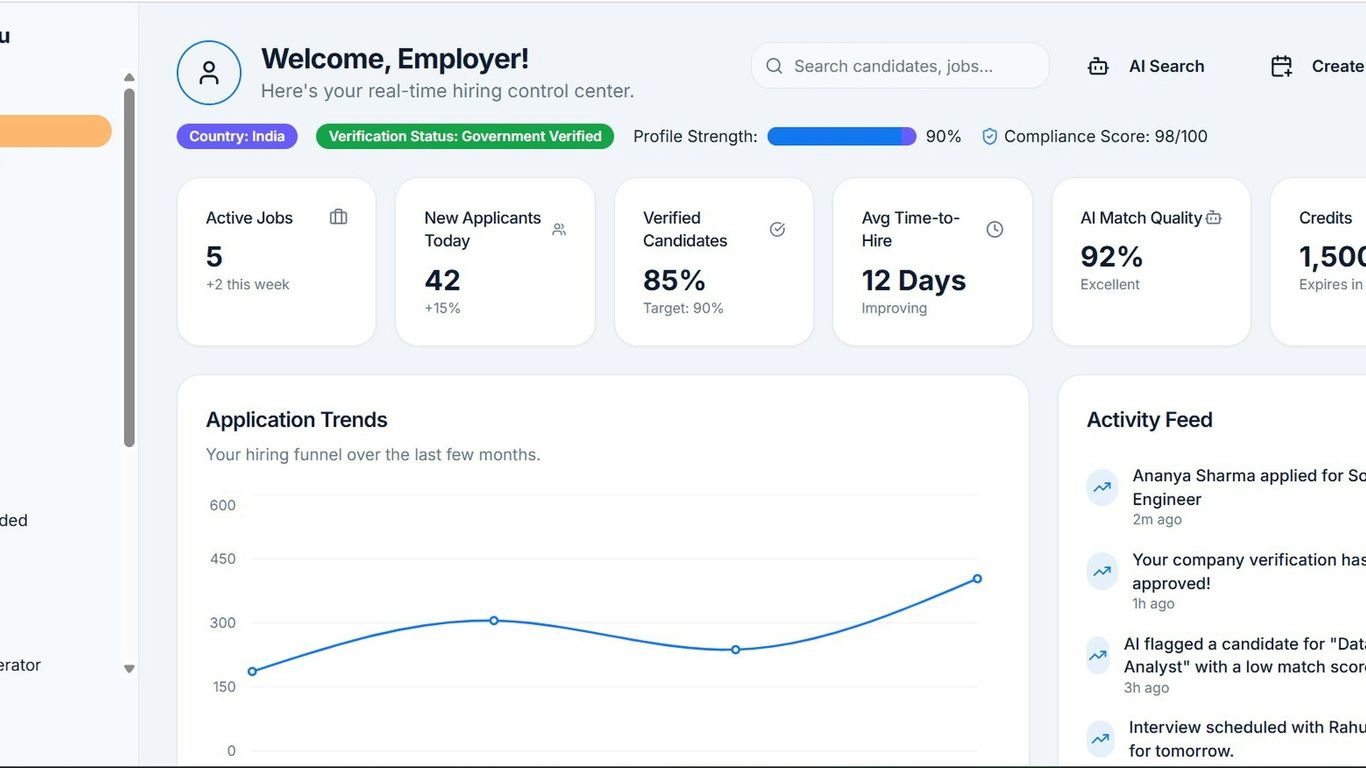
So, you’ve got your all-in-one marketing platform set up. Now what? It’s time to really put it to work and see what it can do for your business. Think of it like getting a fancy new toolset; you don’t just let it sit there, right? You start building things.
Accelerating Time-to-Market for Campaigns
One of the biggest wins with these platforms is how fast you can get campaigns out the door. Instead of hopping between five different logins and trying to make sure everything talks to each other, it’s all right there. You can build an email, design a landing page, and schedule social posts from one spot. This means less time fiddling with tech and more time actually talking to your customers. This unified approach cuts down on the back-and-forth, letting you launch promotions and announcements much quicker. It’s like having a pit crew for your marketing efforts, ready to get you back on the track fast. This kind of coordination is key to staying competitive in today’s market, making sure your message gets out consistently and on time. It really helps brands show up more frequently and cohesively in front of their target audience [3b9b].
Achieving Deeper Customer Insights
Remember when you had customer data scattered across spreadsheets, email lists, and maybe even a sticky note on your monitor? Yeah, that was rough. An all-in-one platform pulls all that information into one place. Your CRM talks to your email marketing, which talks to your website analytics. This connection lets you see the whole journey a customer takes with your brand. You can figure out which emails they opened, what pages they visited, and what products they looked at. This isn’t just about knowing names; it’s about understanding what makes them tick. You can then use this information to send them more relevant messages, which usually means they’re more likely to buy something or engage with your content. It’s about making your marketing feel less like shouting into the void and more like a helpful conversation.
Driving Business Growth Through Unified Efforts
When all your marketing activities are working together, the results tend to be pretty good. Instead of isolated efforts that might overlap or even contradict each other, you get a consistent brand experience for everyone who interacts with your business. This consistency builds trust and makes your brand more memorable. Plus, when you can easily see what’s working and what’s not across all your channels, you can adjust your strategy on the fly. This means you’re not wasting money on campaigns that aren’t performing. It’s about making smarter decisions based on real data, not just guesses. The goal is to create a marketing engine that not only attracts new customers but also keeps existing ones happy and coming back for more. This integrated marketing communications strategy really helps streamline communication across all channels, minimizing duplicated efforts and ensuring a consistent message [b66c].
Here’s a quick look at how different parts of your marketing can work better together:
- Email Campaigns: Send targeted emails based on website activity or past purchases.
- Social Media: Promote blog posts or new offers to your followers.
- Website: Capture leads through forms that automatically add contacts to your CRM.
- Analytics: Track which channels are bringing in the most valuable customers.
Wrapping It Up
So, we’ve looked at a bunch of these all-in-one marketing platforms. They really do seem to simplify things, pulling all your marketing tasks into one spot. Instead of jumping between different apps, you can manage emails, social media, and customer info all from one place. It saves time, cuts down on confusion, and can even save you money compared to paying for lots of separate tools. Picking the right one depends on what your business needs, but the idea is to make your marketing work smoother so you can focus on growing your company. Give one a try and see if it makes your marketing life easier.
Frequently Asked Questions
What exactly is an all-in-one marketing platform?
Think of it like a multi-tool for your marketing. Instead of using a bunch of separate apps for emails, social media, and tracking customers, an all-in-one platform puts all those tools together in one easy-to-use spot. It helps you manage everything from one place, saving you time and hassle.
Why should I use an all-in-one marketing tool instead of separate ones?
Using separate tools can get messy and expensive. With an all-in-one platform, everything works together smoothly. You save money because you’re not paying for multiple subscriptions, and your information stays organized, making it easier to see how your marketing is doing.
Can small businesses and startups really afford these platforms?
Yes! Many all-in-one platforms have different plans, including affordable options perfect for smaller businesses or those just starting out. They help you grow without breaking the bank, giving you powerful tools that might otherwise be too expensive.
What are the most important features to look for?
You’ll want a platform that can handle your customer list (like a CRM), send emails and texts, help you build websites or landing pages, and automate tasks. Being able to see all your results in one place is also super important.
How do these platforms help me understand my customers better?
Since all your customer information and marketing activities are in one place, you get a clearer picture of what people are doing. You can see which emails they open, which ads they click, and how they interact with your website, helping you tailor your messages to them.
Will using an all-in-one platform actually make my marketing faster?
Definitely! When you don’t have to switch between different apps or try to connect them, you can set up and launch campaigns much quicker. It means less time fiddling with technology and more time focusing on creating great marketing.