

So, there’s this big bill floating around Congress, called the ‘One Big Beautiful Bill Act,’ and it’s got everyone talking, especially when it comes to AI. It’s proposing a 10-year pause on states making their own AI rules. This whole thing is stirring up a lot of debate about how we should actually regulate artificial intelligence, and it’s got states and tech companies on different sides of the fence. We’re going to break down what this big beautiful bill ai regulation means for everyone involved.
Key Takeaways
- A proposed 10-year moratorium on state-level AI regulation, included in the ‘One Big Beautiful Bill Act,’ aims to create a unified approach but faces significant criticism.
- Federal action on AI regulation has been slow, leading states like California, Colorado, and New York to take the lead with their own AI governance frameworks.
- The ‘Big Beautiful Bill’ could disrupt existing or planned state AI compliance efforts, potentially penalizing early adopters while offering a ‘hall pass’ to latecomers.
- Debates continue on whether AI regulation should be technology-neutral, focusing on outcomes, or technology-specific, with proactive duties for developers and deployers.
- Financial services face a complex regulatory environment, with some state laws like Colorado’s offering specific exceptions while others, like California’s, impose broad consumer protections.
The ‘Big Beautiful Bill’ and Its AI Regulation Moratorium
Understanding the ‘One Big Beautiful Bill Act’
So, there’s this big piece of legislation making its way through Congress, and folks are calling it the ‘One Big Beautiful Bill Act.’ It’s a pretty hefty package, and buried deep inside is a proposal that’s got a lot of people talking – a 10-year moratorium on states making their own rules about artificial intelligence. The idea, from what I gather, is to keep things simple for companies working with AI. They’re worried that a bunch of different state laws popping up everywhere would just make it too complicated and slow down progress. It’s like trying to build something with instructions in ten different languages, right?
The Proposed 10-Year Moratorium on State AI Regulation
This moratorium is the really sticky part. If it passes as proposed, it would put a freeze on any new state laws or regulations concerning AI for a whole decade. Think about it: over 45 states have already introduced AI-related bills, and some have even passed laws. This bill could essentially put all that on hold. The proponents say it’s about creating a unified approach and not letting a patchwork of rules stifle innovation. They want to give the AI industry room to grow without constantly looking over their shoulders at varying state requirements. It’s a pretty bold move, aiming to centralize AI governance and avoid what they see as regulatory chaos.
Arguments For and Against the Moratorium
Now, this moratorium isn’t exactly a crowd-pleaser for everyone. On one side, you have the tech companies and their supporters arguing that a consistent, federal approach is best for a rapidly evolving field like AI. They believe a 10-year pause on state-level action will prevent fragmentation and allow for more predictable development and deployment of AI technologies. It’s about creating a clear runway for innovation.
But then you have a whole other group, including many state lawmakers and consumer advocates, who are pretty unhappy about this. They’re worried that a moratorium would strip states of their ability to protect their residents. What about issues like bias in AI, job displacement, or privacy concerns? States often step in when federal action is slow or nonexistent, and this bill could prevent them from addressing urgent local needs. They see it as a federal overreach that could leave citizens vulnerable. It’s a classic tug-of-war between federal control and state autonomy, with AI caught right in the middle.
Federal Inaction and the Rise of State-Led AI Governance
It’s kind of wild how quickly things are moving with AI, right? One minute it’s all theoretical, the next it’s woven into everything. But when you look at the federal government, it feels like they’re still trying to figure out what’s going on. There’s this big gap, a real regulatory vacuum, when it comes to AI policy at the national level. This silence from Washington has basically handed the reins over to individual states, and they’re not waiting around.
The Regulatory Vacuum in Federal AI Policy
While the federal government has been busy with other things, or maybe just taking its time, states have stepped up. They’re the ones actually starting to put rules in place. Think of it like this: the federal government is the big, slow-moving ship, and the states are the smaller, faster boats zipping ahead, charting new waters. This has led to a situation where different states are coming up with their own ideas for how to manage AI risks. It’s not a unified approach, but it’s definitely an approach, which is more than we’re seeing nationally.
States Pioneering AI Risk Frameworks
So, what are these states actually doing? They’re creating frameworks, basically sets of guidelines and rules, to deal with the potential problems AI can cause. This isn’t just about saying ‘don’t do bad things.’ It’s more structured, looking at different types of AI and how they might be used. For example, some states are thinking about how AI is used in things like debt collection or hiring. They’re trying to get ahead of issues before they become widespread problems. It’s a bit of a test-and-learn situation, with each state trying out different ideas.
The Federal Stalemate on AI Legislation
Meanwhile, back in Congress, it’s been a different story. Lots of bills get introduced, talking about AI, but they just don’t seem to go anywhere. It’s like a legislative standstill. This lack of federal action is exactly why the states have felt the need to jump in. The "One Big Beautiful Bill Act" tried to put a pause on state-level AI rules, but that part didn’t make it into the final version, signaling that states will likely continue to lead the way in AI governance for the foreseeable future. It’s a complex situation, with companies often caught between wanting clear national rules and dealing with a growing number of state-specific regulations.
Key State AI Regulations Shaping the Landscape

So, while the federal government has been a bit slow on the uptake with AI rules, a bunch of states have decided to jump in and start making their own. It’s kind of like a race to see who can put the first guardrails on this new tech. This means companies aren’t just dealing with one set of rules anymore; they’ve got to keep an eye on what’s happening in different states, and honestly, it’s getting pretty complicated.
California’s Automated Decision-Making Technology Rules
California has been pretty active in the AI space. Their rules, especially those concerning automated decision-making technology, are a big deal for businesses. If you’re running a data center or building your own AI models in California, you’ve got direct obligations to worry about. It’s not just about the AI itself, but how it makes decisions and what impact those decisions have.
The Colorado AI Act and Its Risk-Based Framework
Colorado was one of the first out of the gate with a comprehensive AI law, called the Colorado AI Act (CAIA). What’s interesting about this one is its focus on risk. It sets up a framework for anyone creating or using AI that’s considered "high-risk." This includes a lot of financial applications, by the way. The Act basically says that developers and users of AI have a duty to be "reasonably careful" to protect people from potential problems. One of the big concerns they call out is "algorithmic discrimination," which is when AI treats people unfairly based on protected characteristics. It’s a pretty detailed approach.
Here’s a look at some of the duties under CAIA:
- Developers and deployers must identify and manage risks of algorithmic discrimination.
- They need to conduct impact assessments before deploying high-risk AI.
- Transparency is key; consumers should be informed when they interact with high-risk AI.
New York’s Responsible AI Safety and Education Act
New York is also stepping into the AI regulation arena. While details can still be worked out, their approach often emphasizes safety and education. This means looking at how AI systems are developed and deployed with a focus on preventing harm and making sure people understand how these systems work. It’s a move towards making AI more accountable and understandable for everyone involved.
Impact of the ‘Big Beautiful Bill’ on Industry and Compliance
So, this ‘Big Beautiful Bill’ is causing quite a stir, especially with its proposed 10-year freeze on states making their own AI rules. For businesses, this could mean a lot of rethinking. Companies that have already spent time and money trying to keep up with various state-level AI regulations might find those efforts wasted if the bill passes. It’s like building a custom suit for a climate that suddenly changes its mind about the weather.
Consequences for Early Adopters of AI Compliance
If this moratorium actually goes through, those who jumped ahead and invested heavily in complying with a patchwork of state AI laws could be in a tough spot. Think about it: you hired consultants, updated your software, trained your staff, all based on, say, California’s rules or Colorado’s new framework. Suddenly, those investments might not be directly applicable nationwide for a decade. It’s a bit of a slap in the face for being proactive. You might have to re-do a lot of work, or at least put it on hold, which is frustrating when you were trying to be ahead of the curve. It really punishes the early birds.
Navigating a Patchwork of State and Federal AI Laws
Even with the proposed moratorium, the AI regulatory landscape isn’t exactly simple. Companies operating across different states, or even internationally, still have to deal with existing laws and regulations. Plus, the federal government has its own approach, as seen with the executive order establishing a national policy framework for artificial intelligence, asserting that excessive state regulation hinders innovation. So, while the bill aims to simplify things by stopping new state laws, businesses still need to figure out how to comply with whatever federal guidelines exist and any international rules, like the European Union’s AI Act. It’s a complex puzzle, and this bill just changes one piece of it. You can’t just ignore everything else.
The Role of Existing Laws in AI Governance
It’s not like AI is a completely unregulated Wild West right now. Even without specific AI laws in every state, plenty of existing legal frameworks still apply. Think about anti-discrimination laws, data privacy regulations, and consumer protection statutes. These can all be used to address harms caused by AI systems. For instance, if an AI hiring tool is found to be discriminatory, lawsuits can still be filed under existing employment laws. Companies need to remember that legal risk doesn’t disappear just because a new, specific AI law hasn’t been passed or is on hold. Focusing on ethical AI practices and robust internal governance can help mitigate these risks, regardless of the specific AI legislation on the books. It’s about building good practices that hold up under various legal umbrellas.
The Debate Over AI Regulation Approaches
So, how exactly should we be thinking about regulating AI? It turns out, there are a couple of pretty different ideas floating around, and the "Big Beautiful Bill" has thrown a bit of a wrench into the works, especially with its proposed moratorium on state-level rules. It’s not just a simple yes or no question; it’s about the whole philosophy behind how we put guardrails on this powerful technology.
Technology-Neutral vs. Technology-Specific Regulation
One camp argues for a "technology-neutral" approach. Basically, their thinking is that we already have laws on the books for things like discrimination, fraud, and defamation. If an AI does something wrong, these existing laws should cover it. They believe we don’t need a whole new set of rules just for AI itself. It’s more about focusing on the bad outcomes, whatever the cause, rather than trying to regulate the AI technology directly. This approach suggests that the current legal framework is sufficient, and new legislation might just create unnecessary hurdles. It’s a bit like saying we don’t need new laws for every new type of car; existing traffic laws apply.
On the flip side, you have those who want specific rules for AI technology. States like Colorado and California are really leaning into this. They’re not just tweaking old laws; they’re creating entirely new categories, like "deployers" and "developers" of AI, and assigning them specific responsibilities. This perspective believes that AI is different enough to warrant its own set of rigorous rules to protect consumers. They’re pushing for proactive duties of care, meaning companies have to actively prevent harm before it happens, rather than just dealing with the fallout afterward. This is a more hands-on approach, aiming to shape the technology’s development from the ground up.
Punishing Bad Outcomes vs. Regulating the Technology Itself
This ties directly into the previous point. The "punish bad outcomes" crowd believes that if an AI system causes harm – say, it unfairly denies someone a loan or spreads misinformation – the focus should be on holding the responsible parties accountable after the damage is done. They might point to existing legal precedents where companies have been fined or sued for the negative consequences of their products, regardless of the specific technology used. It’s a reactive stance, waiting for problems to arise before stepping in.
Conversely, regulating the technology itself is a proactive strategy. This means setting standards and requirements for AI systems before they are widely deployed. Think about safety standards for bridges or food safety regulations. The idea is to build safety and fairness into the AI from the start. This approach requires a deeper dive into how AI works and what potential risks it poses, leading to rules that might govern data used for training, algorithmic transparency, or bias mitigation. It’s about preventing problems before they even have a chance to manifest, which could be particularly important given the rapid pace of AI development and its potential for widespread impact. The push for a federal order concerning AI regulation highlights this tension, with states often taking the lead when federal action is slow a federal order concerning AI regulation.
Proactive Duties of Care for AI Developers and Deployers
This is where things get really interesting, especially with the new state laws. Instead of just waiting for something to go wrong, these laws are starting to impose "duties of care" on the people and companies building and using AI. It’s a significant shift. For example, the Colorado AI Act, which is a pretty big deal in this space, requires developers and deployers of AI to take "reasonable care" to protect consumers from risks. What does that mean in practice? Well, it could involve:
- Conducting thorough risk assessments before deploying AI systems.
- Implementing measures to prevent algorithmic discrimination against protected groups.
- Providing clear information to consumers about how AI is being used and its potential impacts.
- Establishing processes for addressing consumer complaints and correcting errors.
This proactive stance means companies can’t just build and deploy AI and hope for the best. They have to actively think about potential harms and put systems in place to mitigate them. It’s a move towards greater accountability and a recognition that AI isn’t just another piece of software; it’s a technology with unique societal implications that requires a more thoughtful, forward-looking regulatory approach.
Financial Services and AI Regulation Under the ‘Big Beautiful Bill’
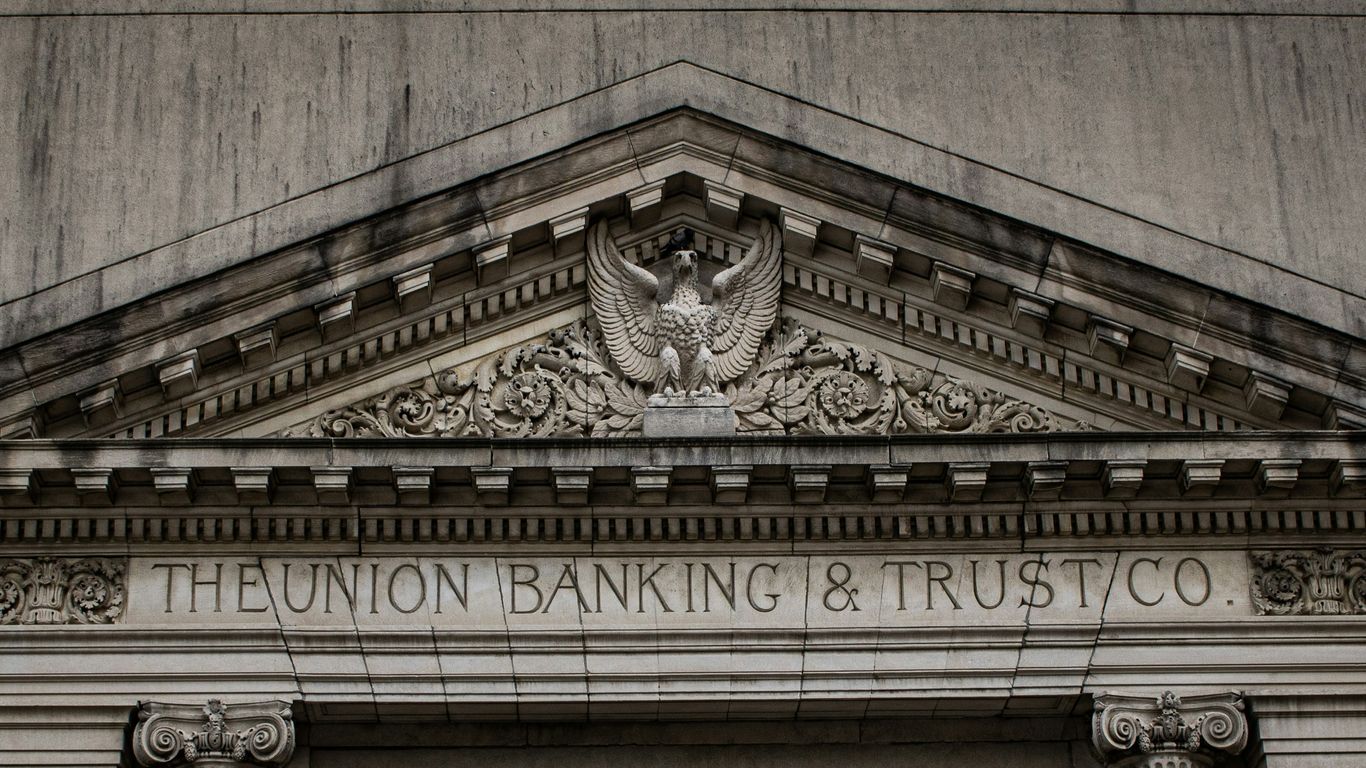
AI in Financial Services: A Regulatory Frontier
The financial sector has always been a heavily regulated space, and the rapid integration of AI is adding a whole new layer to that. Think about it: banks, lenders, insurance companies – they’re all using AI for everything from approving loans to detecting fraud. But with this new tech comes new questions about fairness, transparency, and who’s responsible when things go wrong. The federal government hasn’t exactly jumped on this, leaving a bit of a gap. This is where states have started stepping in, creating their own rules for how AI can be used, especially in areas that directly impact consumers.
The Colorado AI Act’s Financial Compliance Exception
Colorado’s AI Act is one of those state-level efforts trying to get ahead of the curve. It’s a risk-based approach, meaning the rules get tougher depending on how risky the AI application is. For financial services, this is a big deal. While the Act aims to protect consumers from biased or harmful AI, it also includes some specific considerations for financial institutions. The goal is to balance consumer protection with the practical realities of financial operations.
Here’s a quick look at how it might play out:
- Risk Assessment: Financial companies need to figure out how risky their AI systems are. High-risk AI, like systems used for credit scoring, will face more scrutiny.
- Transparency Requirements: Companies might need to explain how their AI makes decisions, especially when those decisions affect a consumer’s finances.
- Impact on Existing Rules: The Act doesn’t erase all other financial regulations. Companies still have to follow existing laws, which can make compliance a bit of a juggling act.
California’s Regulations and Financial Institutions
California is also making waves with its rules on Automated Decision-Making Technology (ADMT). These regulations are pretty consumer-focused and are set to take effect soon. For financial institutions, this means:
- Notice Before Use: If a financial company uses AI for a significant decision about you – like whether to approve a loan or set your insurance premium – they have to tell you beforehand. They also need to explain how the AI works in a way that’s easy to understand.
- Right to Opt-Out: In some cases, you might be able to tell the company not to use AI for decisions about you.
- Access to Information: Consumers can ask for details about the logic behind the AI’s decisions. This is a big one for financial services, as it pushes companies to be more open about their AI processes.
These state-level rules, especially when you consider the potential impact of the ‘Big Beautiful Bill’ and its moratorium, create a complex environment. Financial firms are essentially trying to comply with a growing number of state-specific AI regulations while the federal government figures out its own approach. It’s a lot to keep track of, and it’s definitely changing how financial companies develop and deploy AI.
Future Implications of the ‘Big Beautiful Bill’ AI Regulation Debate
Potential Constitutional Challenges to the Moratorium
So, the ‘Big Beautiful Bill’ might have a 10-year pause button for state AI rules, but don’t pack your bags just yet. There’s a good chance this whole moratorium thing could end up in court. Think about it: states have their own ways of doing things, and a federal law telling them they can’t regulate something for a decade? That sounds like it might step on some toes, constitutionally speaking. Lawyers are already talking about potential challenges, and honestly, it wouldn’t be the first time a big federal law got tangled up in legal fights over states’ rights. It’s like trying to tell your neighbor they can’t plant tomatoes in their garden for ten years because you decided you don’t like them. Doesn’t quite sit right, does it?
The Long-Term Impact on AI Development and Deployment
If this moratorium actually sticks, it’s going to be a wild ride for AI companies. On one hand, not having to deal with a crazy quilt of different state laws sounds like a dream. Companies could focus on building cool new AI stuff without constantly worrying about breaking some obscure rule in Rhode Island or Texas. But, and this is a big ‘but’, what happens when something goes wrong? Without states having the power to step in and create their own guardrails, we might see some serious issues pop up that nobody is prepared for. It’s a bit of a gamble – speed now, potential problems later. We’re already seeing lawsuits pop up over AI hiring tools, and that’s without a federal moratorium.
Ethical AI Practices as a Competitive Differentiator
Even if the government is slow to catch up with AI rules, businesses that are smart are already thinking about doing the right thing. Companies that focus on building AI ethically and responsibly are going to stand out. It’s not just about avoiding trouble; it’s about building trust with customers and employees. Think about it: would you rather use a product from a company that’s known for being shady with data, or one that’s upfront and fair? Most people would pick the latter. Plus, with all the talk about AI bias and fairness, being a leader in ethical AI could actually be a big selling point. It’s like getting a good reputation – it takes time, but it pays off in the long run. We’re already seeing companies that are ahead of the curve in compliance and responsible AI practices potentially gain an edge, even if the regulatory landscape is still a bit fuzzy.
Wrapping Up the AI Regulatory Maze
So, what’s the takeaway from all this? It’s pretty clear that figuring out AI rules is a bit of a mess right now. The whole ‘One Big Beautiful Bill’ idea, with its talk of pausing state rules, really stirred things up. Even though that specific part might not have made it through cleanly, it definitely highlighted the tension between wanting national consistency and states wanting to protect their own people. We’re seeing states like California and Colorado jump ahead with their own ideas, creating new rules that companies have to pay attention to. It feels like a race where everyone’s trying to keep up, and honestly, it’s hard to predict exactly where this is all headed. One thing’s for sure, though: ignoring AI’s impact and the growing number of regulations isn’t an option for businesses anymore. Staying informed and adaptable seems like the only way forward in this fast-changing landscape.
Frequently Asked Questions
What is the ‘Big Beautiful Bill’ and why is it important for AI rules?
The ‘Big Beautiful Bill’ is a big government spending plan that includes a part that would stop states from making their own rules about Artificial Intelligence (AI) for 10 years. Supporters say this will help AI companies grow without being slowed down by too many different state laws. However, many people worry this will stop states from protecting their citizens from AI problems.
Why are states making AI rules instead of the federal government?
The main government in Washington D.C. hasn’t made many specific rules for AI yet. Because of this, individual states have started creating their own rules to handle AI. States like California and Colorado are creating new ways to manage AI risks and decide how it should be used, especially in important areas like finance.
What are some examples of state AI rules?
California has rules about AI systems that make big decisions about people, like for loans or jobs. Colorado has a law that requires AI makers and users to be careful and protect people from AI risks, like unfair treatment. New York is also working on rules for powerful AI systems to make sure they are safe.
What happens to companies that already started following AI rules if the ‘Big Beautiful Bill’ passes?
If the bill creates a 10-year pause on state AI rules, companies that spent time and money getting ready for different state laws might find that effort was for nothing. They might have to change their plans or start over, which could be frustrating and costly.
Are there different ideas about how AI should be regulated?
Yes, there are. Some people think we should use the laws we already have for things like discrimination or lying, and just apply them to AI. This means focusing on punishing bad results from AI. Others believe we need completely new, specific rules just for AI technology itself, to make sure developers and users are careful from the start.
How might the ‘Big Beautiful Bill’ affect the future of AI?
The part of the bill about stopping state rules could face legal challenges because it might go against how states usually make their own laws. Even if the pause happens, companies will likely keep trying to build AI responsibly because it can help them gain trust. Also, lawsuits can still happen even without new laws, so companies need to be careful.