The Expanding Robotics Landscape in India
India’s robotics scene is really taking off, and it’s not just about shiny new machines. It’s more about how these robots are changing the way businesses work, from factories to warehouses. We’re seeing a big shift towards smarter, more adaptable robots that can handle a wider range of tasks. This growth isn’t happening in a vacuum; it’s fueled by a mix of technological leaps and supportive government policies.
Key Industry Segments Driving Growth
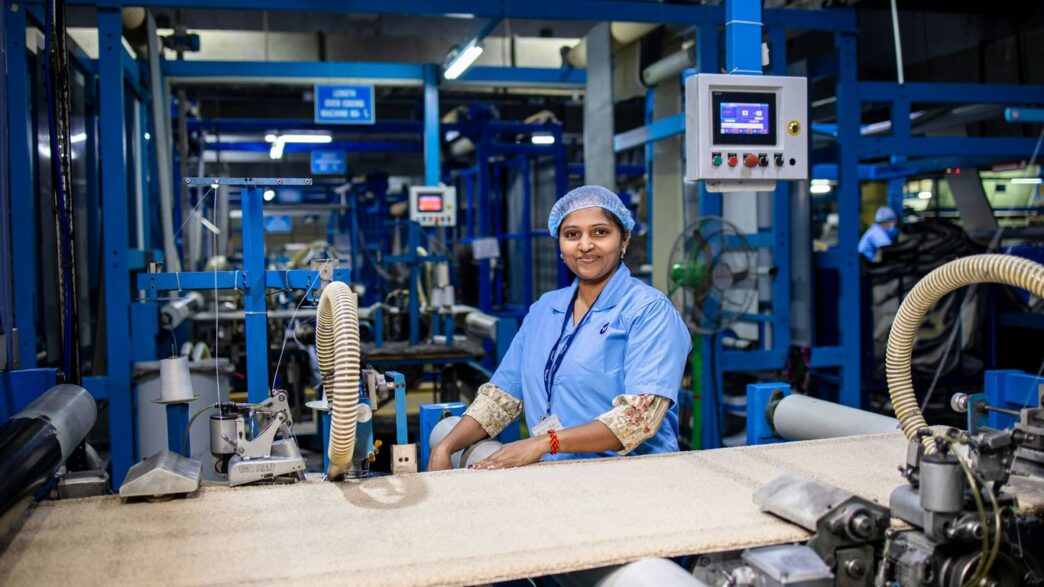
Several sectors are really pushing the adoption of robotics in India. Manufacturing, for instance, is a huge driver. Companies are looking to boost production speed and consistency, and robots are a big part of that. Then there’s the booming e-commerce and logistics industry. Think about all those packages that need sorting and moving – robots are becoming indispensable here for efficiency.
- Manufacturing: Automating assembly lines, quality checks, and material handling.
- E-commerce & Logistics: Robots for picking, packing, sorting, and managing warehouse inventory.
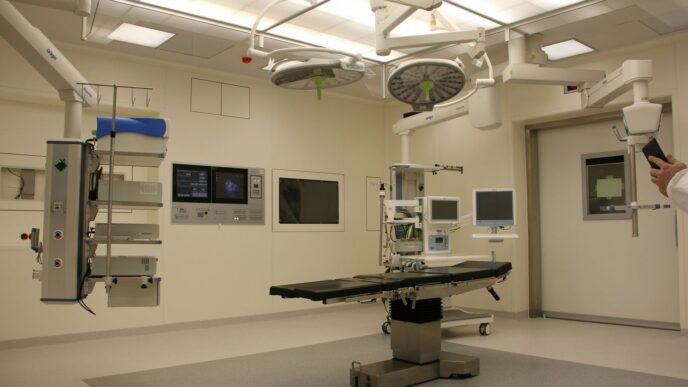
- Healthcare: Robotic assistance in surgeries, patient care, and lab automation.
- Agriculture: Drones and automated systems for crop monitoring and harvesting.
Technological Advancements Fueling Innovation
What’s making all this possible? It’s the tech. Artificial intelligence (AI) is a game-changer, allowing robots to learn, adapt, and make decisions on their own. Cloud robotics is another big one, letting us manage and monitor fleets of robots from anywhere. Plus, the development of collaborative robots, or ‘cobots’, means robots can now work safely alongside humans, which opens up a lot of new possibilities.
Government Initiatives Supporting Robotics Adoption
The Indian government is also playing a role. Initiatives like ‘Make in India’ and the push for digital transformation are encouraging businesses to invest in automation. There’s a growing recognition that robotics is key to staying competitive globally. Policies aimed at boosting domestic manufacturing and R&D are helping to create a more favorable environment for robotics companies and adopters alike.
Key Trends Shaping the Robotics Industry in India
The robotics scene in India is really changing, moving beyond just basic machines. We’re seeing some big shifts that are making robots smarter and more useful.
Shift Towards AI-Powered Autonomous Robots
This is a pretty major change. Robots aren’t just following pre-set instructions anymore. Thanks to artificial intelligence, they can actually make decisions on their own. Think about it: they use things like computer vision and machine learning to figure out what’s going on around them and then act accordingly, often without a person telling them what to do every step of the way. This is a big deal for places like factories and warehouses where things can change quickly. Companies are putting a lot of money into making these robots better at seeing and adapting.
Expansion of Cloud Robotics and Remote Management
Another trend is how robots are connecting to the cloud. This means you can manage a whole bunch of robots from one central place, even if they’re spread out all over. It makes updating them, keeping an eye on them, and processing all the data they collect much easier. Plus, you can often change what a robot is doing without actually having to go to it, which saves a lot of time and hassle. This is especially helpful when you have robots working in different locations.
Growing Deployment of Collaborative Robots (Cobots)
Cobots are robots designed to work safely alongside people. They’re becoming more popular in India because they’re safer, easier to set up, and don’t cost as much as traditional industrial robots. They rely a lot on smart software to make sure they don’t bump into people and can share workspaces. We’re starting to see them used not just in factories but also in places like shops and hospitals. It’s all about people and robots working together more closely.
Robotics Adoption Across Indian Sectors
It’s pretty wild how quickly robots are showing up everywhere in India, not just in the usual factory spots. Companies are really starting to see them as a way to get more done and maybe even save some money.
Manufacturing and Industry 4.0 Integration
This is where you’d expect robots, right? Factories are getting a serious upgrade. Think about it: robots can do the same repetitive tasks over and over without getting tired or making mistakes. This is a big deal for making things like cars or electronics. Plus, with all this talk about "Industry 4.0" and "smart factories," robots are key. They’re not just standalone machines anymore; they’re talking to each other and to the main computer systems. This means production lines can be way more flexible. If you need to make a different product, you can change things up faster.
- Boosting productivity: Robots handle tasks faster and more consistently than humans.
- Improving quality: Precision tasks are done with fewer errors.
- Enabling flexibility: Production lines can adapt to new product demands more easily.
E-commerce and Logistics Automation Boom
Okay, this one is huge. With online shopping exploding in India, warehouses are struggling to keep up. Robots are stepping in to sort packages, move them around, and get them ready for delivery. You’ve probably seen or heard about those little robots zipping around warehouses – those are often called Autonomous Mobile Robots (AMRs). They’re great for moving stuff from one place to another without needing a human driver. This whole area is getting a massive boost because people want their online orders super fast, and companies need to make that happen without costing a fortune.
Healthcare and Service Robotics Advancements
This is where things get really interesting, and maybe a bit sci-fi. In hospitals, robots are starting to help with surgeries, making them more precise. They can also help with tasks like delivering medicine or supplies, freeing up nurses and doctors to focus on patients. Beyond hospitals, you’re seeing robots in hotels for cleaning or even as receptionists. While these might not be as common as factory robots yet, they show how robots can help in places where human interaction is important, but some tasks can be automated. It’s all about making services more efficient and sometimes even safer.
The Crucial Role of Robot Software in India
You know, it’s easy to get caught up in the shiny metal and moving parts when we talk about robots. But honestly, the real magic, the brains behind the operation, that’s all in the software. In India, this is becoming super clear as more and more companies bring robots into their workplaces.
Software-Centric Architectures for Robotics
Think about it: robots aren’t just doing the same old thing over and over anymore. They’re getting smarter, more adaptable. This means the old way of just programming a fixed sequence isn’t cutting it. We’re seeing a big shift towards what they call ‘software-centric’ designs. This basically means the software is the main focus, dictating how the robot behaves, learns, and interacts. It’s like building a house – you can have the best bricks and mortar, but without a solid blueprint and smart wiring, it’s just a shell. For robots, the software is that blueprint and wiring, making them truly functional.
Simulation and Digital Twin Software Integration
Before you even put a robot on the factory floor, or in a warehouse, you can test it out. That’s where simulation and digital twins come in. Basically, you create a virtual copy of the robot and its environment. This lets engineers play around with different scenarios, tweak the programming, and figure out any potential problems without risking actual equipment or production time. It’s a huge time and money saver. Imagine trying out a new recipe a hundred times in your head before you even buy the ingredients – that’s kind of what simulation does for robots. It helps iron out the kinks before they become real-world headaches.
Enhancing Robot Capabilities with Advanced Software
So, what can this advanced software actually do? A lot, it turns out. We’re talking about robots that can use AI to figure things out on their own, like identifying different products on a conveyor belt or adjusting their movements based on what they ‘see’ with their cameras. This is what allows for things like:
- Adaptive task execution: Robots can change their approach on the fly if something unexpected happens.
- Predictive maintenance: Software can analyze a robot’s performance to flag potential issues before they cause a breakdown.
- Human-robot collaboration: Smarter software helps robots work safely alongside people, understanding their movements and intentions.
It’s this layer of intelligence and adaptability, all powered by software, that’s really pushing the robotics industry forward in India.
Market Dynamics and Growth Drivers
Rising Demand for Automation and Efficiency
The push for automation isn’t just a trend; it’s becoming a necessity for Indian businesses. Companies are looking to robots to speed up processes and cut down on errors. Think about it, repetitive tasks can be done faster and more consistently by machines than by people, especially in busy factories or warehouses. This drive for better output and fewer mistakes is a big reason why more and more businesses are considering robotic solutions.
Addressing Labor Shortages and Workforce Costs
India’s growing economy also brings challenges, like finding enough skilled workers for certain jobs and the rising cost of labor. Robots can step in to fill these gaps. They can handle tasks that are hard to staff or become too expensive to do manually. This isn’t about replacing people entirely, but more about using robots for jobs that are dangerous, dull, or demand a level of precision that’s hard to maintain with human workers over long periods. It’s a practical way to keep operations running smoothly and cost-effectively.
Impact of Digital Transformation and Smart Factories
We’re seeing a huge shift towards what people call ‘Industry 4.0’ or ‘smart factories’. This means connecting everything – machines, systems, and people – through digital technology. Robots are a key part of this. They can collect data, communicate with other machines, and adapt to changing production needs. As more Indian companies embrace digital tools and aim to build smarter, more connected workplaces, the role of robots becomes even more important. It’s all about creating more flexible, responsive, and productive operations.
Challenges and Opportunities in the Robotics Market
So, while the robotics scene in India is really taking off, it’s not all smooth sailing. There are definitely some hurdles to jump over, but also some pretty cool chances to grab.
High Implementation and Integration Costs
Let’s be real, getting robots up and running isn’t cheap. We’re talking about the initial price of the robots themselves, plus all the sensors, software, and the whole setup process. For smaller businesses, this can be a really big deal, making it tough to even get started. It’s not just about buying the hardware; it’s about making it all work together with what you already have. Sometimes, you need custom engineering or a whole IT overhaul, which adds more time and money. This upfront investment is probably the biggest barrier for many companies looking to automate.
Shortage of Skilled Robotics Professionals
Even if you can afford the robots, finding people who know how to set them up, run them, and fix them when they break is another challenge. There’s a noticeable gap in the workforce when it comes to specialized robotics skills. This means companies might struggle to get the most out of their robotic systems or even keep them running smoothly.
Cybersecurity Vulnerabilities in Connected Robots
As robots become more connected, especially with cloud robotics and AI, they also become potential targets for cyberattacks. A breach could disrupt operations, lead to data loss, or even cause physical harm if a robot’s controls are compromised. Keeping these systems secure is becoming increasingly important as they become more integrated into critical infrastructure and daily life.
Opportunities:
- Automation for Efficiency and Productivity: The drive for better efficiency and higher output is a massive opportunity. Robots can handle repetitive tasks faster and more consistently than humans, freeing up people for more complex jobs.
- Addressing Labor Gaps: In sectors facing worker shortages or rising labor costs, robots offer a practical solution to maintain production levels and competitiveness.
- Industry 4.0 and Smart Factories: The move towards smarter, more connected factories creates a huge demand for robots that can integrate with other systems, collect data, and adapt to changing production needs.
- New Service Models: The rise of Robotics-as-a-Service (RaaS) makes robotic technology more accessible, allowing businesses to pay for robot usage rather than owning the hardware outright. This lowers the entry barrier significantly.
Future Outlook for Robotics in India
Looking ahead, India’s robotics scene is set to get even more interesting. We’re talking about a future where robots aren’t just doing repetitive tasks on assembly lines, but are becoming smarter, more connected, and way more integrated into our daily lives and industries. The big picture is a hyper-connected, AI-driven robotic ecosystem.
Hyper-Connected, AI-Enabled Robotic Ecosystems
Imagine robots that can talk to each other, to machines, and to us, all in real-time. That’s the direction we’re heading. With the rollout of 5G and the continued growth of the Internet of Things (IoT), robots will be able to share data and coordinate actions much faster. This means more complex tasks can be handled, and systems can react to changes on the fly. AI is the brain behind this, allowing robots to learn, adapt, and make decisions independently. Think of robots in warehouses coordinating deliveries or robots in hospitals assisting with patient care, all working together smoothly.
Emergence of New Business Models like RaaS
Getting your hands on advanced robotics used to be a huge upfront investment, which was a big hurdle for many businesses, especially smaller ones. But that’s changing. We’re seeing a rise in models like Robotics-as-a-Service (RaaS). This is kind of like subscribing to a service instead of buying the whole thing. Companies can rent robots and the software they need, often paying based on usage. This makes cutting-edge automation much more accessible, allowing more businesses to benefit from efficiency gains without the massive capital outlay. It’s a game-changer for democratizing robotics.
Continued Innovation in Robot Intelligence and Autonomy
The quest for smarter robots isn’t slowing down. Developers are pushing the boundaries of what robots can do on their own. This means robots that can navigate complex, unpredictable environments without constant human guidance, understand spoken commands better, and even predict potential problems before they happen. We’ll see robots getting better at tasks that require fine motor skills, complex problem-solving, and nuanced interaction. This ongoing innovation will open up even more applications for robotics across sectors like agriculture, construction, and personalized services.
Wrapping It Up
So, it’s pretty clear that robotics in India isn’t just a passing trend; it’s really taking off. We’ve seen how everything from factories to warehouses to even hospitals are starting to use robots more and more. Things like AI and better software are making these machines smarter and more useful every day. While there are definitely some hurdles, like the cost and finding enough skilled people, the push for automation is strong. It looks like robots are going to become an even bigger part of how things get done here, making businesses more efficient and maybe even changing how we work and live. The future looks pretty exciting for this field in India.