Puerto Rico is going through a big change when it comes to electricity. For years, people have dealt with unreliable power and high bills, often from old, polluting generators. But now, there’s a growing movement to switch to solar energy. It’s not just about getting the lights on; it’s about making the island more resilient and independent. This shift is driven by regular folks, communities, and even some government efforts, all aiming for a cleaner, more stable energy future.
Key Takeaways
- A lot of people in Puerto Rico are putting up their own solar panels because the main power system is so unreliable. This has grown a lot since Hurricane Maria.
- Solar power is helping important places like fire stations stay on during blackouts, and people are adding batteries to store energy for when the sun isn’t shining.
- Big government money is coming to Puerto Rico to fix the power grid, and there’s a chance to invest in local solar power instead of building big, distant power plants.
- Many people can’t afford solar panels right now, and making sure everyone has access to clean energy is a major fairness issue that needs community and government solutions.
- Puerto Rico has a goal to get all its electricity from renewable sources by 2050, but right now, most of it still comes from oil and gas, causing pollution and high costs.
The Rise Of Solar Energy In Puerto Rico
A Grassroots Movement For Energy Independence
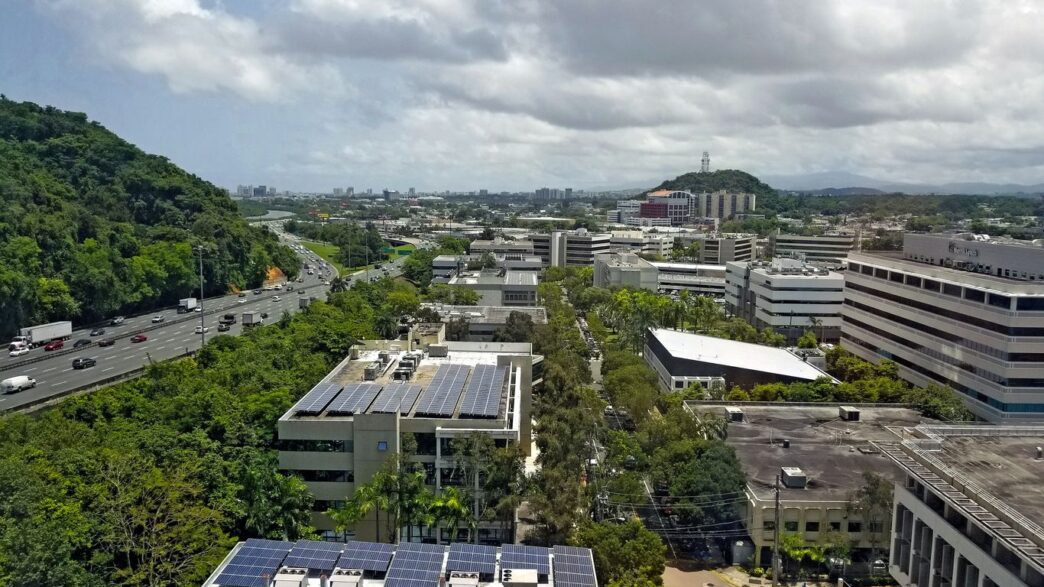
It feels like everywhere you look these days, there are solar panels popping up on rooftops across Puerto Rico. This isn’t just a trend; it’s a full-blown movement driven by people who are tired of unreliable power and high electricity bills. Think about it – after years of dealing with blackouts and a utility company that often falls short, folks here decided to take matters into their own hands. This "energy insurrection," as some call it, is happening without the big government incentives you see in places like California. People are investing in solar because they have to, facing down climate change impacts and a power system they just can’t count on.
Community-Led Solar Initiatives
One of the coolest examples of this is happening in Adjuntas, a town nestled in the mountains. A local group called Casa Pueblo, which has been helping people get solar power since way back in 1999, is now leading a project where businesses in the town square are all hooking up solar panels. They’re even planning to add battery storage so they can share power, almost like a mini, local power grid. It’s a real testament to what can happen when a community bands together. You see places like Lucy’s Pizza, right on the main square, with panels on the roof – a visible sign of their commitment to energy independence.
Overcoming Utility Headwinds
Now, it’s not all smooth sailing. The island’s main utility company, LUMA Energy, is facing a lot of criticism from residents who are fed up with ongoing outages and rising costs. While LUMA says it’s working towards clean energy goals, many solar advocates point out that the company is still investing in fossil fuels. This creates a bit of a tug-of-war. For solar to really take off for everyone, especially those who can’t afford it upfront, there needs to be more support and participation from the government and the utility. It’s a big challenge, but the momentum from the ground up is undeniable.
Building Resilience Through Distributed Power
After the hurricanes and earthquakes, it became really clear that relying on one big power plant or a shaky grid just wasn’t cutting it for Puerto Rico. That’s where distributed power, especially solar, comes in. Think of it like having lots of little power sources spread out, instead of one giant one that can fail. This makes the whole system tougher.
Solar Powering Essential Services
Many communities are now setting up solar and battery systems to keep important places running even when the main grid goes down. Places like community centers or local stores can become hubs for people to get food, charge their phones, or even get internet. It’s about making sure basic needs are met during a crisis. For example, some projects aim to keep businesses powered for up to a week without the grid. This means people can still get essentials, and businesses can keep operating, which is a big deal when disaster strikes.
Avoiding Outages With Rooftop Systems
More and more homes and businesses are putting solar panels on their roofs. It’s a way to get power directly where it’s needed and avoid the problems of the main grid. We’ve seen a huge jump in rooftop solar systems in recent years. It’s a direct response to the frequent blackouts and voltage spikes that can damage appliances. When the power goes out elsewhere, these homes and businesses can often stay lit. It’s like a daily victory for those who’ve made the switch.
Here’s a look at how rooftop solar has grown:
| Year End | Number of Rooftop Solar Systems | Change from 2016 |
|---|---|---|
| 2016 | ~5,000 | N/A |
| 2022 | ~42,000 | 740% increase |
The Role Of Battery Storage
Solar panels are great, but what happens when the sun isn’t shining? That’s where battery storage becomes super important. Batteries store the extra energy generated during the day so it can be used at night or during cloudy periods. This makes solar power much more reliable. Some systems are also looking at how to connect multiple solar and battery setups together, almost like a virtual power plant, to better manage energy across a neighborhood or even the island. This kind of smart management helps keep the lights on when they might otherwise go out.
Federal Investment And The Future Of Energy
Modernizing The Grid With Renewables
So, the big question is how Puerto Rico is going to get its energy game up to speed, right? A lot of it comes down to federal money and how it’s used. We’re talking about updating the whole power system, which, let’s be honest, has seen better days. The goal is to make it smarter and more reliable, and that means bringing in more renewable energy sources. Think of it like upgrading an old flip phone to the latest smartphone – it just works better and does more.
Right now, the island is trying to get more large-scale renewable projects approved. They’ve gotten the green light for a bunch of them, which is supposed to boost the amount of clean energy to about 23% by the end of 2024. That’s a step, but they’ve got a ways to go to hit their 2025 target of 40% renewables. It’s a bit of a race against time, and officials are trying to speed up the paperwork to make it happen.
A Crossroads For Energy Policy
It feels like Puerto Rico is standing at a major decision point for its energy future. On one hand, there’s a push for clean energy, with federal funding potentially helping to modernize the grid and integrate more solar and other renewables. This would mean less reliance on those old, polluting fossil fuels.
But then there’s this other thing happening: the island is also investing in fossil fuel infrastructure. For example, there was a big contract to switch some oil plants to run on natural gas. This included building a terminal for it. Some folks say this makes the fuel cleaner and cheaper, which sounds good. However, a lot of energy experts and environmental groups are worried. They think putting money into new gas infrastructure is a step backward, especially when the goal is to cut down on pollution and make the energy system more stable.
It’s a tough balancing act. Do you go all-in on renewables, or do you stick with some fossil fuels for now? The decisions made now will really shape what the energy landscape looks like for years to come.
Strategic Investment In Local Generation
When we talk about federal investment, it’s not just about big, island-wide projects. It’s also about making sure that local communities can generate their own power. This is where things like rooftop solar and battery storage really shine. The idea is to spread the power generation around, so it’s not all coming from one or two big plants.
This distributed approach makes the whole system more resilient. If one part of the grid goes down, others can keep running. It also means that more people can benefit directly from clean energy. There are programs and funding aimed at helping different communities, including those who might not have had access before, to get solar installed. The aim is to build a more robust and equitable energy system from the ground up.
Here’s a quick look at the renewable energy goals:
- 2019 Mandate: Goal of 100 percent renewable energy by 2050.
- End of 2024 Target: Aiming for 23 percent renewables.
- 2025 Near-Term Goal: Working towards 40 percent renewables.
It’s a big shift, and federal support is definitely a key piece of the puzzle to make it all happen.
Addressing Equity In Solar Access
Bridging The Gap For Low-Income Residents
It’s pretty clear that not everyone in Puerto Rico can afford to put solar panels on their roof. Right now, it feels like only folks with more money or big businesses can get their own power generation sorted. This leaves a lot of people out, especially those struggling with bills. We’ve seen how devastating blackouts can be, and it’s not fair that some communities are left in the dark more than others. Making sure everyone can access clean energy is a big deal for fairness.
Social Justice And Energy Equity
This isn’t just about electricity; it’s about social justice. When a storm hits or the grid goes down, it’s often the poorer neighborhoods that suffer the most. Having reliable solar power means keeping essential services running, like clinics and community centers, and it means families aren’t left without power for days. It’s about making sure that the benefits of new energy tech reach everyone, not just a select few. Think about it: if your neighbor has solar and stays powered up during an outage, but you don’t, that’s a real problem.
Collaborative Solutions For Wider Adoption
So, what can be done? Well, people are already trying different things. Some neighborhoods are organizing group buys for solar panels, which can bring down the cost for everyone involved. Others are looking at community solar projects where a larger system can serve multiple homes. There’s also talk about the main utility company using some of the funds it receives to install solar and battery systems on buildings. The idea is that people would still pay their bills, but the power would come from local, clean sources. It’s about finding smart ways to share resources and make sure that solar power isn’t just a luxury item. We need more of these community-driven ideas to get solar to more homes across the island.
Puerto Rico’s Renewable Energy Mandate
The Goal Of 100 Percent Renewables
Back in 2019, the governor’s office laid out a pretty ambitious plan: get Puerto Rico to 100 percent renewable energy by the year 2050. It’s a big goal, aiming to move away from the old ways of generating power and build a more sustainable future for the island. This isn’t just about being green; it’s about creating a more stable and reliable energy system for everyone.
Current State Of Renewable Energy
Right now, though, we’re not quite there yet. Only about 5 percent of the island’s electricity actually comes from renewable sources. The biggest chunk of our power, around 48 percent as of April, still comes from petroleum. This heavy reliance on imported fuels like diesel means our electricity bills can jump around a lot, especially when global oil prices go up. Plus, burning these fuels adds to greenhouse gases and pollutes the air in our communities.
But there’s some movement. In March, after a bit of a wait, regulators gave the green light to a bunch of large-scale solar projects. These should add about 884 megawatts, pushing our renewable share up to roughly 23 percent by the end of 2024. Officials are trying to speed up the process to hit a closer target: 40 percent renewables by 2025.
Here’s a quick look at where things stood recently:
| Fuel Source | Percentage of Generation (Approx.) |
|---|---|
| Petroleum/Diesel | 48% |
| Renewables | 5% |
| Other Fossil Fuels | Remaining |
Challenges In Transitioning From Fossil Fuels
Making this shift isn’t simple. Even as we aim for more renewables, there’s still investment happening in fossil fuel infrastructure. For example, a big contract was signed to convert some oil-burning plants to use natural gas. While some see this as a cleaner, cheaper option, many energy experts and environmentalists worry that building new fossil fuel facilities works against the goals of cutting emissions and making the grid more resilient. It feels like we’re sometimes taking one step forward and another step sideways. The permitting process itself has been slow, and getting new projects off the ground takes time and effort. We need a clear, consistent path forward that prioritizes clean energy at every turn.
- Grid Modernization: The existing grid needs significant upgrades to handle the variable nature of renewables.
- Fossil Fuel Investments: Balancing the need for immediate power with long-term renewable goals is tricky, especially when new fossil fuel projects are still being approved.
- Permitting Delays: Streamlining the approval process for renewable projects is key to meeting targets faster.
The Impact Of Solar Energy In Puerto Rico
Reducing Reliance On Diesel Generators
For years, the sound of diesel generators kicking in was a familiar, unwelcome noise across Puerto Rico whenever the main power grid faltered. These generators, often old and inefficient, meant constant noise, air pollution, and a hefty fuel bill. But things are changing. Solar power, especially when paired with battery storage, is stepping in to fill the gaps. Take the fire stations, for example. Many used to rely on small diesel units for backup power. Now, thanks to groups like Solar Responders, numerous stations have solar and battery systems. This switch means firefighters can keep essential equipment running during emergencies without the fumes and hassle of diesel. It’s a clear win for both operational readiness and the local environment.
Empowering Communities With Clean Energy
It’s not just about keeping the lights on during an outage. Solar energy is giving communities a real sense of control over their power. Think about towns like Adjuntas, high in the mountains. Organizations there have helped businesses and community centers install solar panels and batteries. This setup acts like a mini power plant, allowing participants to share the electricity they generate. It’s a powerful example of people taking energy into their own hands, creating a more stable and self-sufficient system from the ground up. This kind of local generation is a big deal, especially when the main utility has had its problems.
The Economic Benefits Of Solar Adoption
Beyond the immediate relief from power outages and cleaner air, adopting solar energy brings tangible economic advantages. While the initial setup can be an investment, the long-term savings are significant. Households and businesses that install solar systems see a noticeable drop in their monthly electricity bills. This frees up money that can be used elsewhere in the local economy. Furthermore, the growth of the solar industry itself creates jobs, from installation and maintenance to manufacturing and sales. As more solar projects come online, and with federal funds helping to modernize the grid, Puerto Rico is positioning itself for a more sustainable and economically sound energy future. The shift away from expensive imported fossil fuels towards locally generated solar power is a smart move for the island’s finances.
Here’s a look at how solar adoption is growing:
- 2016: Around 5,000 rooftop solar systems were part of the net-metering program.
- January 2022: This number jumped to about 42,000 systems.
This rapid increase shows a clear trend of people actively choosing solar, even without strong incentives, because they need reliable power and want cleaner energy.
Looking Ahead: A Brighter, More Reliable Future
So, what does all this mean for Puerto Rico? It’s clear that the island is at a turning point. People are taking energy into their own hands, installing solar panels and batteries to keep the lights on when the main grid fails. This grassroots movement is powerful, showing a real desire for change. But for solar energy to truly benefit everyone, especially those who can’t afford it right now, more help is needed. With a lot of federal money coming in, there’s a big chance to build a smarter, cleaner energy system that works for the whole island, not just a few. It’s about making sure that the future of energy in Puerto Rico is reliable, affordable, and powered by the sun for all its residents.