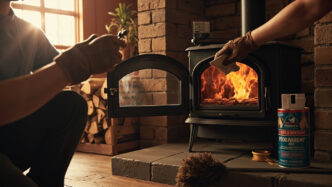
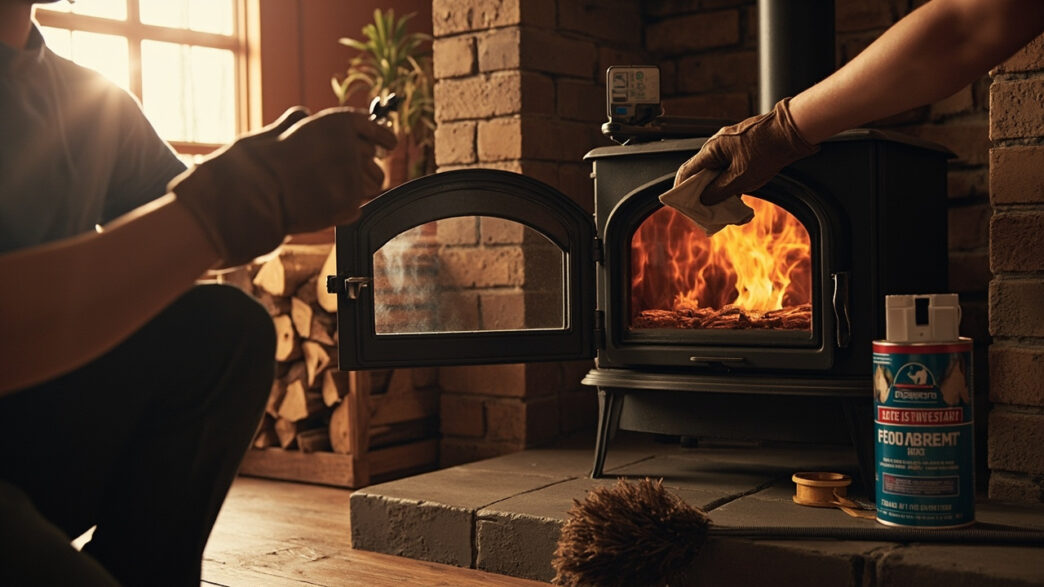
A wood stove is more than just a source of warmth. For many homeowners, it represents comfort, independence, energy efficiency, and even a connection to traditional living. Whether you rely on it as your primary heating system or use it to supplement central heating during colder months, proper care is essential. That’s where consistent entretien poele à bois becomes crucial.
Neglecting routine upkeep can lead to reduced efficiency, higher fuel consumption, smoke problems, dangerous creosote buildup, and even chimney fires. On the other hand, maintaining your stove properly ensures safe operation, lower heating costs, longer equipment lifespan, and reliable performance throughout the winter.
In this comprehensive guide, we’ll walk through everything you need to know about maintaining a wood stove the right way.
Why Wood Stove Maintenance Matters
Many homeowners assume that as long as the stove is producing heat, everything is working fine. Unfortunately, that assumption can be risky.
Over time, burning wood produces byproducts like soot, ash, and creosote. These materials accumulate inside the firebox, flue pipe, and chimney. If not removed regularly, they can:
- Restrict airflow
- Reduce heating efficiency
- Increase smoke inside the home
- Create strong odors
- Trigger dangerous chimney fires
Routine wood stove maintenance helps you catch small issues before they become costly repairs. It also ensures that your stove burns cleaner and hotter, which improves energy efficiency and reduces environmental impact.
Understanding How a Wood Stove Works
Before diving into maintenance tasks, it’s helpful to understand the basic components of a wood stove system:
- Firebox – The chamber where wood burns
- Air controls – Regulate airflow for combustion
- Baffle system – Directs smoke and gases for secondary combustion
- Door and gaskets – Seal the firebox
- Flue pipe – Connects stove to chimney
- Chimney – Vents smoke and gases outside
Each of these components requires periodic inspection and cleaning to function properly.
Daily and Weekly Maintenance Tasks
Some maintenance tasks are simple habits that should become part of your regular routine during heating season.
1. Ash Removal
Ash buildup can restrict airflow and reduce combustion efficiency. However, you don’t want to remove all ash completely, as a thin layer (about one inch) helps insulate coals and improve burn quality.
Best practices:
- Remove excess ash when it reaches 2–3 inches deep
- Use a metal ash shovel
- Store ashes in a metal container with a tight-fitting lid
- Keep the container away from combustible materials
Hot embers can remain active for days, so always treat ash as potentially hot.
2. Glass Cleaning
Over time, soot can darken the stove glass. While modern stoves are designed to minimize buildup, occasional cleaning is necessary.
To clean the glass:
- Wait until the stove is completely cool
- Use a damp cloth dipped lightly in fine ash
- Gently rub the glass surface
- Wipe clean with a dry cloth
Avoid harsh chemical cleaners, as they can damage ceramic glass.
3. Visual Inspection
Once a week, check for:
- Cracks in the firebrick
- Warped metal parts
- Loose door handles
- Smoke leaks around door edges
Spotting these early can prevent more serious damage later.
Monthly Maintenance During Heating Season
If you use your stove daily, a more detailed inspection once a month is recommended.
1. Check Door Gaskets
Door gaskets create an airtight seal. If they become worn or compressed, excess air can enter the firebox, causing over-firing and reduced efficiency.
Test the gasket by closing the door on a strip of paper:
- If the paper pulls out easily, the seal may need replacing
- If it resists firmly, the gasket is still effective
Replacing gaskets is inexpensive and straightforward but critical for safe operation.
2. Inspect the Baffle
The baffle plays a major role in secondary combustion. If it shifts, cracks, or deteriorates, efficiency drops significantly.
Carefully check for:
- Warping
- Cracks
- Heavy creosote buildup
If damaged, consult your stove manufacturer’s guidelines for replacement.
3. Check the Flue Pipe
Disconnecting the flue pipe periodically (if accessible) allows you to inspect for creosote buildup.
Creosote appears in three stages:
- Flaky soot
- Crunchy tar-like buildup
- Thick, shiny glaze (most dangerous)
If you notice more than 1/8 inch of buildup, cleaning is necessary.
Annual Deep Maintenance and Inspection
At least once a year—preferably before heating season—you should conduct a full system inspection.
1. Chimney Cleaning
Chimneys accumulate creosote over time. Professional chimney sweeping is strongly recommended annually, especially if you burn wood regularly.
A professional will:
- Remove creosote safely
- Check for blockages
- Inspect for cracks or structural issues
- Ensure proper drafting
Chimney fires often result from neglected cleaning, making this one of the most critical aspects of wood stove maintenance.
2. Inspect Firebricks
Firebricks line the interior of the firebox and protect the stove body from extreme heat.
Replace bricks if they:
- Are cracked in half
- Are severely crumbling
- Have large chunks missing
Minor surface cracks are normal, but significant damage should not be ignored.
3. Examine Exterior and Paint
Check for rust spots or chipped paint on the stove exterior. Sand lightly and apply high-temperature stove paint if needed to prevent corrosion.
This not only protects the stove but keeps it looking attractive.
Choosing the Right Wood for Better Performance
Maintenance isn’t only about cleaning—it also involves burning the right fuel.
Use:
- Seasoned hardwood (oak, maple, hickory)
- Wood dried for at least 6–12 months
- Moisture content below 20%
Avoid:
- Wet or green wood
- Treated lumber
- Painted or stained wood
- Garbage or cardboard
Burning poor-quality wood dramatically increases creosote buildup and shortens the life of your stove.
Warning Signs Your Wood Stove Needs Immediate Attention
Certain symptoms indicate urgent maintenance or professional inspection:
- Strong smoke smell indoors
- Difficulty starting or maintaining fire
- Excessive black smoke from chimney
- Rapid creosote accumulation
- Metal glowing red (over-firing)
- Carbon monoxide detector alerts
Never ignore these warning signs. Prompt action protects your home and family.
Safety Equipment to Pair With Your Wood Stove
Proper maintenance should always be combined with essential safety tools:
- Smoke detectors
- Carbon monoxide detectors
- Fire extinguisher rated for wood fires
- Heat-resistant gloves
- Metal ash bucket
Safety is just as important as efficiency.
Extending the Lifespan of Your Wood Stove
A well-maintained wood stove can last 15–25 years or more. To maximize longevity:
- Avoid overloading the firebox
- Don’t over-fire the stove
- Use correct airflow settings
- Follow manufacturer guidelines
- Perform consistent cleaning
Preventive care costs far less than replacing an entire heating system.
DIY vs. Professional Maintenance
Many tasks—such as ash removal and glass cleaning—are easy to handle yourself. However, professional chimney inspections and deep cleaning should not be skipped.
A certified chimney professional has tools and training to detect structural issues you may miss. Annual professional service is a small investment compared to the cost of fire damage repairs.
Creating a Maintenance Schedule
To stay consistent, consider this simple schedule:
Daily/Weekly
- Remove excess ash
- Wipe glass
- Quick visual inspection
Monthly
- Check gasket seal
- Inspect baffle
- Examine flue pipe
Annually
- Professional chimney cleaning
- Full inspection
- Replace worn components
Having a structured plan ensures nothing is overlooked.
Final Thoughts
A wood stove provides dependable, cozy heat—but only when cared for properly. Regular wood stove maintenance ensures your system operates safely, efficiently, and economically throughout the winter season.
By developing consistent cleaning habits, burning proper fuel, and scheduling professional inspections annually, you protect your investment and create a safer home environment. In the long run, maintenance is not just about preserving equipment—it’s about peace of mind.