
The Foundation of Uber Autonomous Vehicle Sensors
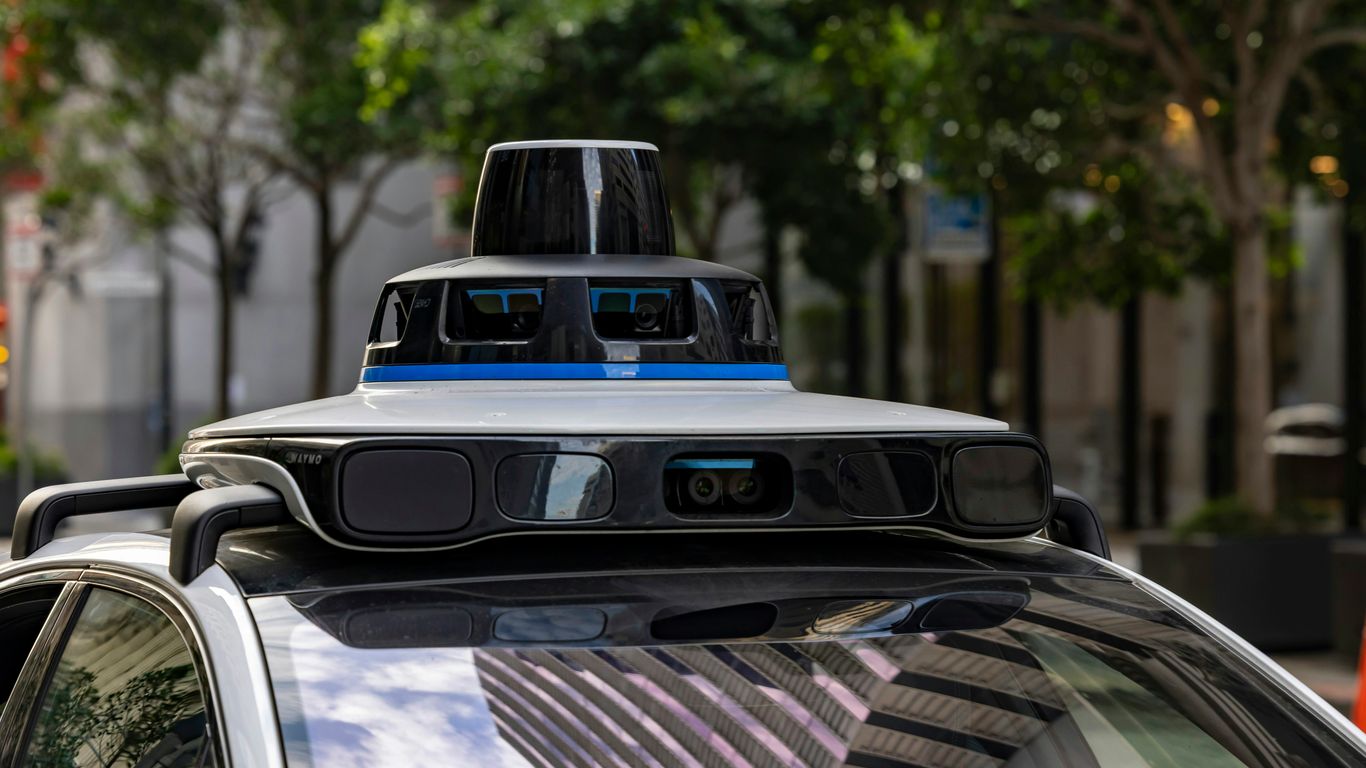
Building self-driving cars isn’t just about slapping some cameras and radar onto a vehicle. It’s a whole system, and the sensors are like the car’s eyes and ears. For Uber, getting this right is step one. They’re thinking about what their own engineers need to build and test these complex systems, but also what future riders will see and feel. The goal is to make the sensor setup look approachable, not like a science experiment gone wild.
Integrating Advanced Sensor Technology
Think of the sensors as the car’s senses. You’ve got cameras for seeing traffic lights and lane lines, lidar for mapping the surroundings in 3D, and radar for detecting objects even in bad weather. Uber is working with partners like Nvidia to put together a solid hardware package, often based on platforms like the Nvidia DRIVE AGX Hyperion 10. This isn’t just about picking parts; it’s about making sure they work together perfectly to give the car a clear picture of the world.
Prioritizing Safety Through Rigorous Testing
Safety is the big one, obviously. You can’t just put a car on the road and hope for the best. Uber is building a whole data factory, working with Nvidia’s tools, to process huge amounts of information. This data is used to train the car’s AI brain. They’re also creating fake data, called synthetic data, to test the car in all sorts of tricky situations that might not happen often in the real world. This means testing in simulated snowstorms or sudden traffic jams, all before the car ever hits a real street.
Designing for Approachability and User Experience
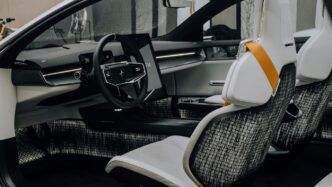
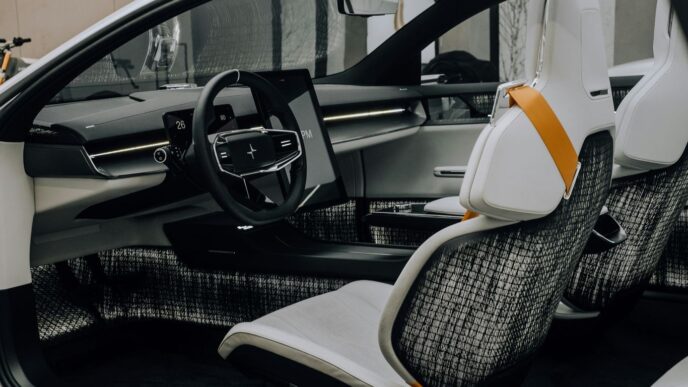
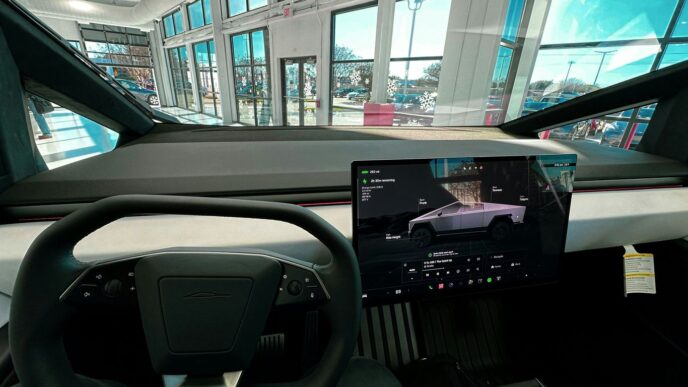
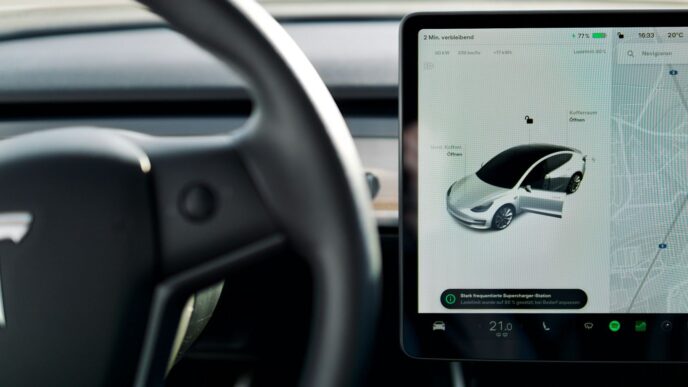
It’s not just about the tech; it’s about the ride. Uber wants the whole experience to feel smooth, from booking a ride on your phone to getting out at your destination. Inside the car, there might be screens showing you what the car sees or what it’s planning to do, so you feel informed. They’re also thinking about how the sensors look on the outside. The idea is to make the car feel friendly and familiar, not intimidating. It’s about building trust, so people feel comfortable hopping into a car with no driver.
Leveraging Partnerships for Accelerated Development
Building a self-driving car system from scratch is a massive undertaking. It requires huge amounts of computing power, specialized hardware, and, most importantly, tons of data. Uber realized early on that trying to do it all alone would take forever and cost a fortune. So, they decided to team up with some of the smartest companies out there.
The Uber-Nvidia Collaboration
One of the biggest partnerships Uber has is with Nvidia. Think of Nvidia as the powerhouse for all things AI and graphics. They make the super-fast chips that power everything from video games to complex scientific research. For Uber’s autonomous vehicles, Nvidia provides the brains and the muscle. They’re using Nvidia’s platforms, like the DRIVE AGX Hyperion, which is basically a super-computer for cars, and their software to help train the AI that drives the vehicles. This partnership is all about speeding things up and making sure the technology is ready for the real world. Nvidia also has this cool thing called Cosmos, which can create tons of fake driving scenarios – like a virtual test track – so Uber can train its cars without actually having to drive millions of miles on busy streets. It’s a smart way to get more data, faster.
Synergy with Waymo and Aurora Innovation
Uber isn’t putting all its eggs in one basket, though. They’re also working with other leaders in the autonomous vehicle space, like Waymo (which spun out of Google’s self-driving car project) and Aurora Innovation. This approach is sometimes called ‘asset-light.’ Instead of Uber having to invent every single piece of technology, they can integrate the best bits from these other companies. It’s like building a custom computer by buying the best components from different manufacturers instead of trying to build every chip yourself. This means Uber can focus on what it does best: running a massive ride-hailing network and figuring out how to get these self-driving cars into people’s hands.
An Asset-Light Approach to Technology Integration
So, what does this ‘asset-light’ strategy really mean on the ground? It means Uber can get to market faster and potentially with less risk. Instead of spending years and billions developing every sensor, every piece of software, and every AI model, they can tap into the work already done by specialists. This allows them to:
- Integrate advanced AV tech: Quickly add cutting-edge self-driving capabilities to their fleet.
- Reduce development costs: Avoid the massive expense of building everything from scratch.
- Focus on the user experience: Concentrate on making the ride-hailing service smooth and reliable, whether it’s with a human driver or an autonomous one.
- Scale more efficiently: Build out their autonomous fleet by working with partners who already have proven technology.
The Critical Role of Data in Autonomous Systems
You know, when you think about self-driving cars, you probably picture the fancy sensors and the AI brain. But what really makes all that work? It’s the data. Mountains and mountains of it. Without good data, those AI models are just guessing, and that’s not something you want when you’re hurtling down the highway.
Building a Dedicated Data Factory
Uber, working with folks like Nvidia, is setting up what they call a "data factory." Think of it like a super-organized kitchen for all the information the cars collect. This isn’t just about dumping raw sensor feeds into a hard drive. It’s about processing, cleaning, and making sense of it all. They’re using powerful tools to manage these huge datasets, which is pretty important for training the AI that drives the cars. The quality and sheer amount of data are what make these autonomous systems reliable. It’s a complex process, but it’s the backbone of making sure these vehicles can handle pretty much anything the real world throws at them.
The Power of Synthetic Data Generation
Now, real-world driving data is gold, but you can’t always find the exact situations you need to train for. What if you need to test how the car handles a sudden blizzard or a weird traffic jam? That’s where synthetic data comes in. It’s basically computer-generated data that mimics real-world scenarios. This lets developers create and test for all sorts of tricky situations in a safe, controlled way. It’s like practicing a difficult maneuver over and over in a simulator before trying it on the actual road. This helps fill in the gaps and makes the AI much more prepared for those rare, but important, edge cases.
Ensuring Data Quality for AI Model Training
So, you’ve got tons of data, both real and synthetic. What’s next? Making sure it’s actually good data. This means a lot of work goes into checking for errors, making sure the labels are correct (like identifying a pedestrian versus a lamppost), and that the data is diverse enough. If your training data is skewed – say, it only shows sunny days in a specific city – the AI won’t perform well when it encounters different conditions. It’s a bit like trying to learn a new language only from textbooks; you need real conversations too. This constant focus on data quality is what helps build AI models that are safe and dependable for everyday use.
Transforming Urban Mobility with Autonomous Fleets
Imagine a city where getting around is easier, cleaner, and just plain better. That’s the future Uber is building with its autonomous vehicle fleets. It’s not just about taking the driver out of the equation; it’s about rethinking how we all move.
Seamless Integration with Ride-Hailing Services
Uber’s big plan is to blend self-driving cars right into the service you already use. Think about it: you open the app, and you might get a car driven by a person, or you might get a robotaxi. This mixed fleet approach is key to making autonomous rides a normal part of everyday life, not some separate, futuristic thing. It means the system can handle more rides, more efficiently, by using both human and autonomous drivers. This flexibility helps manage demand, especially during busy times, and makes sure there are always cars available.
Scalability for Large-Scale Deployments
Getting a few self-driving cars on the road is one thing, but Uber is aiming for something much bigger – a fleet of 100,000 vehicles. To do that, they need technology that can grow with them. Partnerships with companies like NVIDIA are helping build the foundation for this massive rollout. It’s about having the right hardware and software that can be replicated across thousands of vehicles. This isn’t just about having the cars; it’s about having the network and the support systems to keep them running smoothly, safely, and efficiently across many cities.
Enhancing Efficiency and Reducing Costs
When you remove the driver, you also remove a significant operating cost. This opens the door to potentially lower ride prices for passengers. Beyond that, autonomous vehicles can operate for longer hours without needing breaks, and they can be routed more intelligently to pick up and drop off passengers. This all adds up to a more efficient system. Think about fewer empty miles driven, better traffic flow because the cars communicate with each other, and less wear and tear on vehicles due to smoother driving. It’s a domino effect that could make urban transportation much more affordable and practical for everyone.
AI and Machine Learning Driving Future Transportation
It’s pretty wild to think about how much artificial intelligence and machine learning are changing things, especially when it comes to how we get around. For Uber’s autonomous vehicles, these technologies aren’t just fancy add-ons; they’re the absolute core of making the whole system work safely and reliably. Without advanced AI, these cars would just be… well, cars.
The Driving Force Behind Future Mobility
Think of AI as the brain of the self-driving car. It’s constantly processing information from all those sensors – cameras, lidar, radar – and making split-second decisions. Machine learning, a subset of AI, is what allows these systems to learn and improve over time. It’s like teaching a new driver, but instead of a person, it’s a computer program that gets better with every mile driven and every scenario it encounters. This learning process is key to handling the unpredictable nature of real-world roads.
Supercharging Development of Safe Solutions
Developing safe autonomous systems is a massive undertaking. It requires mountains of data to train the AI models. This is where partnerships become really important. Companies like Uber are working with tech giants like Nvidia to build what they call a "data factory." This isn’t just about collecting raw sensor data; it’s about processing it, cleaning it up, and using it to train AI models that can handle all sorts of situations. They’re even using synthetic data – basically, computer-generated scenarios – to test the cars in ways that would be impossible or too risky in the real world. Imagine simulating a blizzard or a sudden road closure; AI can learn how to react to these without ever being in actual danger.
Computer Vision, Machine Learning, and Robotics
These three areas are super intertwined in autonomous vehicles. Computer vision is how the car "sees" and understands its surroundings – identifying pedestrians, other cars, traffic lights, and road signs. Machine learning then takes that visual information and helps the car decide what to do. Robotics is the physical aspect – the actual control of the steering, acceleration, and braking based on the AI’s decisions. It’s a complex dance between perception, decision-making, and action. The goal is to create a system that’s not just functional but also incredibly safe and predictable, making transportation better for everyone.
Addressing New Safety and Privacy Imperatives
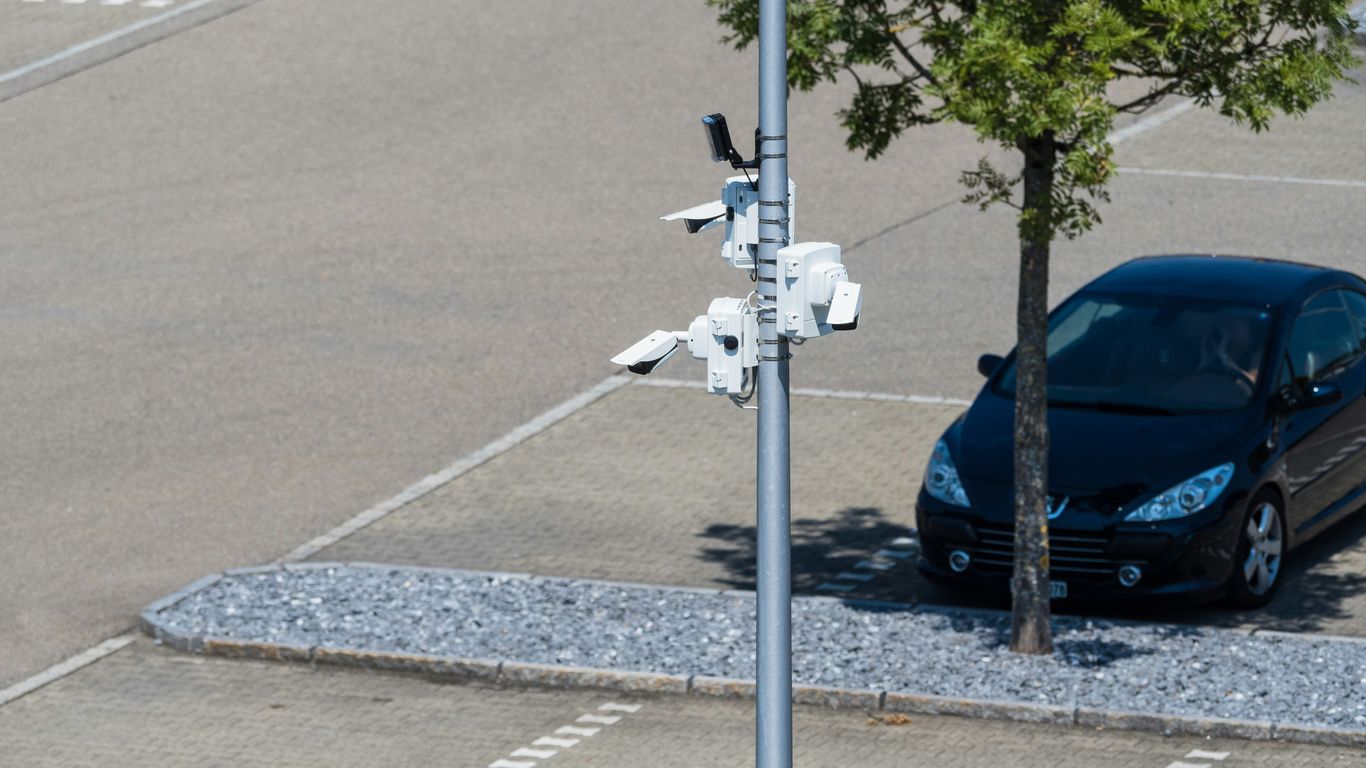
When we talk about self-driving cars, safety is obviously the big one, right? It’s not just about the car not crashing, though that’s super important. It’s also about how people feel when they’re in the car. We’ve been thinking a lot about how to make the whole experience feel secure, from the moment you book a ride to when you get to your destination.
Expanding the Definition of Privacy
Privacy used to mean things like not having your conversations overheard in a shared ride. But with everything that’s happened globally, we’ve had to rethink that. Think about needing groceries delivered without any contact, or wanting to visit family without worrying about spreading germs. Self-driving cars can help with that, but it also means we need to consider privacy in new ways. It’s not just about physical barriers inside the car anymore. We’re looking at how data is handled and how the car interacts with the outside world to keep everyone’s personal information protected.
Ensuring Safety During the Rider’s Journey
We want riders to feel completely at ease. That means a few things. First, the car itself needs to behave in a way that builds trust. How it moves, how it signals its intentions – it all matters. We’re testing how the car’s motion affects how safe people feel. Then there’s the in-car experience. We’re designing digital displays that give you just the right amount of information, so you know what’s happening without being overwhelmed. It’s about making you feel informed and secure throughout your trip.
Real-Time Assistance and Remote Operators
Even with the best technology, sometimes you just need a human to talk to. That’s why we’re building in ways for riders to connect with a remote operator in real-time if they need help. This is a backup, a safety net. It means that if something unexpected comes up, or if a rider just feels uneasy, they can get immediate assistance. This human connection, even when the car is driving itself, is a key part of making autonomous rides feel safe and reliable for everyone. We’re also looking at how these remote operators can help manage the fleet and respond to situations that the car’s AI might not be prepared for, making the whole system more robust.
Looking Ahead
So, what does all this mean for the future? It’s pretty clear that self-driving cars, with all their fancy sensors and smart tech, are going to change how we get around. Uber’s work with companies like Nvidia is a big part of making this happen faster. They’re not just building cars that drive themselves; they’re thinking about how these cars fit into our lives, making travel safer, easier, and maybe even more connected. It’s exciting to think about how this technology could help us do things we never thought possible, especially when unexpected things happen, like that whole pandemic situation. It’s a big shift, and we’re only just starting to see what it can do.