
The early 2000s really kicked off a whole new way of doing things, didn’t it? It feels like just yesterday we were figuring out dial-up, and then boom, everything changed. This period brought us some seriously game-changing new technology 2000 and beyond that we still rely on today. Let’s take a look back at some of the biggest shifts.
Key Takeaways
- Broadband internet went from a luxury to pretty much a must-have, speeding up everything online.
- Social media platforms popped up, changing how we connect and share with people near and far.
- Smartphones arrived, putting a powerful computer right into our pockets.
- Things like Skype made talking to people across the globe affordable and easy.
- Flash drives and early cloud services started making it simpler to store and access our digital stuff.
The Internet Revolutionizes Communication
Man, the early 2000s really changed how we all talked to each other, didn’t they? It felt like overnight, the internet went from something you only used at work or for really specific things, to being a part of everyday life. Suddenly, information and connection were at our fingertips in a way that was totally new.
Broadband Internet Becomes Mainstream
Remember dial-up? That screeching, tying-up-the-phone-line sound? Yeah, that was the norm for a long time. But then, broadband started showing up in homes. It was a game-changer. No more waiting ages for a single webpage to load, and you could actually use the phone and the internet at the same time! This faster connection opened the door for so much more. It made things like streaming music (though that was still pretty basic back then) and downloading files actually feasible. It really set the stage for everything that came next, making the internet a much more useful tool for everyone. It’s hard to imagine life without it now, but this was the period when it really started to become a household staple.
The Rise of Social Media Platforms
This is when things got really interesting, socially speaking. Platforms like MySpace, and then Facebook, popped up and suddenly everyone was creating profiles. It was wild. You could connect with old friends, make new ones, and share bits of your life with a whole network of people. It wasn’t just about sending emails anymore; it was about building online communities and sharing updates in real-time. People would spend hours customizing their MySpace pages with music and glitter graphics. It felt like a whole new way to hang out and keep up with what everyone was doing. This shift meant that communication wasn’t just one-to-one anymore; it was many-to-many, all happening online.
Web 2.0 and User-Generated Content
Beyond just connecting with friends, the internet started becoming a place where we created the content. This whole ‘Web 2.0’ idea meant that regular folks could easily share their thoughts, photos, and videos. Think about blogs becoming super popular, or sites like Wikipedia where anyone could contribute. And then YouTube came along in 2005, and suddenly, anyone with a camera could become a broadcaster. It turned the internet from a place where you mostly just consumed information to a place where you actively participated and created. This shift really democratized content creation and made the internet a much more dynamic and interactive space for everyone involved. It was the beginning of the internet as a truly collaborative space, a big step from the early days of the internet’s impact on society.
The Mobile Era Dawns
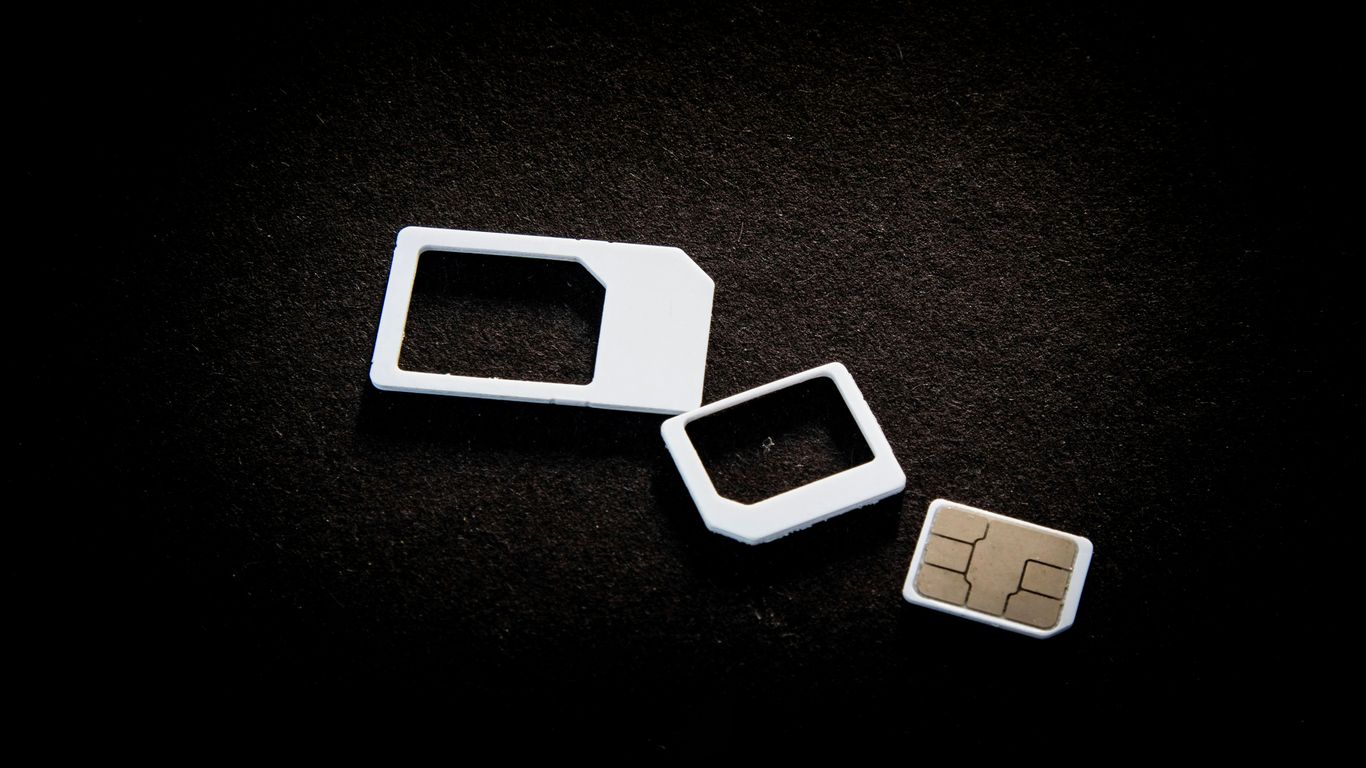
Looking back at the 2000s, you can’t overstate the changes brought on by mobile tech. Phones went from being clunky bricks mostly used for calling and the odd game of Snake to small computers in our pockets. This era didn’t just sneak up on us—it hit fast and changed everything about how we go about our days and keep in touch.
Smartphones Redefine Personal Technology
In the early 2000s, the word "smartphone" started to mean something real. It wasn’t just about making calls anymore. Devices like the BlackBerry got the ball rolling for on-the-go email and messaging, suddenly making people feel like they needed their work in their pocket at all times. Then in 2007, Apple dropped the iPhone, and honestly, nothing was the same after that.
- The iPhone had a big touch screen that actually worked well, not those pokey little resistive ones you needed a stylus for.
- It combined phone, web browser, camera, iPod, and so much more, making it feel futuristic.
- Other companies got moving—soon, Android popped up, and phone choices exploded.
Everyday tech became less about what you could do at your desk and more about what you could do anywhere.
Here’s a quick look at how smartphones exploded onto the scene:
| Year | Iconic Device(s) | Unique Feature |
|---|---|---|
| 2002 | BlackBerry 5810 | Full QWERTY keyboard, email |
| 2005 | Nokia N95 | 5MP camera, GPS navigation |
| 2007 | Apple iPhone | Multi-touch screen |
| 2008 | HTC Dream (G1) / Android | First Android phone |
The App Store and Mobile Applications
Before app stores, if you wanted a new feature, you either hoped your phone had it or you bought a new phone. That changed in 2008 when Apple opened the App Store. Suddenly, your phone was a blank canvas—you could choose the tools and toys to fill it with. Android Marketplace (now Google Play Store) followed fast.
Here’s what happened next:
- Millions of developers got in on the action.
- Almost everyone became obsessed with apps—games, maps, even banking.
- The phrase “There’s an app for that” spread like wildfire.
The result? People used their phones for stuff they’d never imagined—including ordering dinner, tracking steps, or even learning a language—all from their pocket.
Early Smartphone Operating Systems
In the early days, your phone’s software made a huge difference to what you could do. It wasn’t just about iOS vs Android (those came a bit later).
Some of the major players in the 2000s were:
- Symbian OS (Nokia): Weird menus, but so many features—if you could find them. Hugely popular in Europe and Asia.
- BlackBerry OS: Top choice for business. BlackBerry Messenger (BBM) had its own cult status.
- Windows Mobile: Looked a bit like a tiny PC. Ahead of its time in some ways, but clunky.
By the end of the decade, iOS (Apple) and Android were taking over. They made things smoother, better looking, and easier for both users and developers. Apps now worked on more phones, not just a few niche devices. That’s what made the mobile revolution turn global fast.
So, if you still remember your old Nokia ringtone or waiting for a web page to load on EDGE, you’re not alone. Those phones walked so today’s devices could run—sometimes literally, as we track our steps. The mobile era of the 2000s didn’t just update technology. It changed our everyday life, for good.
Transformative Digital Tools Emerge
The 2000s were a wild time for new digital gadgets and tools. Every year, something else popped up that made it easier to work, share, or just get through daily life with less hassle. This was the decade when a jumble of small innovations began to change daily routines everywhere. Let’s look at three big ones.
The Ubiquity of Flash Drives
Remember floppy disks? Not so great, honestly. Then came flash drives, and suddenly, files could fit in your pocket—no more stacks of floppy disks on your desk. These tiny things went from holding a measly 32 MB at the start of the 2000s to several gigabytes by the end. People used flash drives to:
- Share work projects at school or the office
- Back up photos and music
- Move big files between computers (especially when email wouldn’t cut it)
Here’s a quick look at how storage capacity grew over the decade:
| Year | Typical Flash Drive Size |
|---|---|
| 2002 | 32 MB – 128 MB |
| 2005 | 512 MB – 2 GB |
| 2009 | 4 GB – 32 GB |
Pretty wild how fast that changed, right? If you want to see what other tech milestones defined the century, you might enjoy these 25 significant breakthroughs of the 21st century.
Cross-Border Communication with Skype
Before Skype, long-distance calls were expensive and often awkward, with delays and dropped connections. Skype landed in 2003 and turned things upside down. Suddenly, anyone with an internet connection could make free (or super cheap) calls anywhere, even video calls. It’s hard to overstate what a game-changer this was for families, friends, and businesses trying to stay in touch across continents.
Some key changes Skype brought:
- Teachers running language classes with students around the world
- Grandparents video-calling their grandkids for the first time
- Office teams collaborating across time zones with group calls
It felt like the world really shrank overnight. Anyone could connect without worrying about phone bills.
Cloud Computing Powers Business Innovation
The idea of storing stuff in the “cloud” might have sounded fuzzy and strange at first, but it caught on fast. By the late 2000s, services like Dropbox, Google Docs, and Amazon Web Services let people store, share, and even work on documents together from different places. Businesses especially loved it—suddenly, employees didn’t need to be in the same city (or even country) to work together.
Benefits everyone noticed:
- Access your files from any computer or device
- Real-time group editing of documents
- No more “oops, I left my work on the home computer”
Cloud computing has driven huge changes in how we collaborate and do business. It made things faster and more flexible, paving the way for how we work today.
The 2000s were full of surprises—some digital, some just plain practical. These tools didn’t just show up and disappear—they stuck around, shaping the way we live and work.
Foundations of the Digital Age
The early 2000s were wild for tech, but honestly, everything starts with what was built in the years before. Today, it’s almost impossible to imagine a day without the internet or computers, but that’s a pretty recent thing when you look back. If you rolled the clock back to the 1970s or 1980s, computers filled entire rooms, data was clunky to move around, and "going online" meant something totally different—if you even knew the phrase.
The Internet’s Impact on Society
What really shook things up was the internet moving from research labs and a handful of universities to millions of homes and schools in the 1990s and early 2000s. Regular people could suddenly learn something new, chat with friends far away, or even start a business, all from their bedroom. Life started getting faster, for better or worse. Here’s how things started to change:
- Access to information became almost instant.
- Communication with anyone in the world turned normal, not special.
- Big and small businesses were forced to move everything online just to keep up.
Let’s look at some changes in numbers. By 2005, internet use had pretty much exploded:
| Year | Global Internet Users (approx.) |
|---|---|
| 1995 | 16 million |
| 2000 | 413 million |
| 2005 | 1 billion |
No joke—it went from a techie playground to something expected in every home.
Key Figures in Internet Development
None of this would’ve happened without a few people and groups pushing boundaries, usually with no idea how huge their work would become. Here are some standouts:
- Tim Berners-Lee – Created the World Wide Web in 1989, making the internet user-friendly.
- Vinton Cerf & Robert Kahn – Came up with TCP/IP, which is just nerd-speak for the rules that let computers talk to each other globally.
- Larry Roberts – One of the main folks behind ARPANET, the first real internet.
There were also huge leaps thanks to companies building the first home computers—shout out to IBM and Apple for dragging desktops out of offices and into bedrooms.
It’s wild to think about how fast everything changed once this foundation was set. Those building blocks didn’t just make the internet a thing—they set us up for everything we use today, from streaming movies to complaining about slow WiFi on social media.
Looking Back, Moving Forward
So, we’ve seen how the early 2000s really kicked things into high gear. From the internet becoming something everyone could actually use at home to the first steps of social media and the mobile phones that started to look like the ones we carry today, it was a busy time. These weren’t just small changes; they completely shifted how we talk to each other, find information, and even entertain ourselves. It’s pretty wild to think about how much has changed in just a couple of decades, and it makes you wonder what the next big thing will be.