Being a crop farmer today is a pretty involved job. It’s not just about planting a seed and hoping for the best anymore. There’s a whole lot that goes into it, from figuring out the best seeds to plant to making sure the harvest is handled right. Modern farmers use a mix of old knowledge and new tech to get the job done. It’s a journey that’s always changing, and it’s pretty important for all of us.
Key Takeaways
- A modern crop farmer starts with careful research and selecting the right seeds for the land and weather.
- Getting the soil ready is a big deal, making sure it has the right stuff for plants to grow well.
- Keeping plants healthy through the growing season means watching out for bugs, diseases, and making sure they get enough water and food.
- Harvesting at just the right time and using the right tools makes a big difference in how much you get and how good it is.
- Today’s crop farmer also thinks about the environment, trying to use resources wisely for the future and dealing with changing weather.
The Crop Farmer’s Foundation: Research and Seed Selection
Before a single seed even hits the soil, a modern crop farmer is already deep into the planning. It’s all about laying the groundwork, and that starts with smart choices about what to plant. This isn’t just grabbing any bag of seeds; it’s a careful process of research and selection.
Identifying Optimal Crop Varieties
Choosing the right crop variety is a big deal. Farmers look at a lot of factors here. They consider what has worked well in their area before, but also what new varieties might offer better yields or resistance to local challenges. This decision can make or break the entire growing season. It’s about matching the plant’s needs with the farm’s specific conditions.
Ensuring Genetic Purity and Vigor
Once a variety is chosen, getting the best possible seed is next. This means looking for seeds that are genetically pure – meaning they are exactly what they say they are, without a mix of other types. Vigor is also key; it’s about how strong and healthy the seed is, and how likely it is to sprout and grow into a robust plant. Think of it like picking the strongest athlete for a race; you want the one with the best potential.
Understanding Soil and Climate Suitability
No seed is a one-size-fits-all solution. Farmers need to know if a particular crop variety will thrive in their specific soil type and climate. Some plants love sandy soil, others prefer clay. Some need a lot of heat, while others do better in cooler weather. This involves looking at:
- Soil type: Is it heavy clay, light sand, or something in between?
- Climate patterns: How much rain can be expected? What are the typical temperature ranges throughout the growing season?
- Local pests and diseases: Are there common problems in the area that certain varieties are more resistant to?
Getting this right means the seeds have a much better chance of growing into a healthy, productive crop.
Preparing the Ground for Growth
Getting the soil ready is a big deal. It’s like setting the table before a meal – you want everything just right. This foundational work directly impacts how well your crops will take root and thrive.
Soil Analysis and Nutrient Management
Before you even think about planting, you’ve got to know what’s in your dirt. Sending off a soil sample to a lab is a smart move. They’ll tell you the pH level, what nutrients are there, and what’s missing. Based on that, you can figure out what to add. It’s not just about throwing fertilizer around; it’s about giving the soil exactly what it needs for the specific crop you’re planning to grow. Too much of one thing can be just as bad as not enough.
Here’s a quick look at some common soil needs:
- Nitrogen (N): Important for leafy green growth.
- Phosphorus (P): Helps with root development and flowering.
- Potassium (K): Good for overall plant health and disease resistance.
- Micronutrients: Things like zinc, iron, and manganese, needed in smaller amounts but still vital.
Effective Tillage and Field Clearing
Once you know what your soil needs, you have to prepare the physical space. This usually means clearing the field of any leftover crop residue, rocks, or weeds from last season. Then comes tillage. Traditional methods involve plowing and discing to break up compacted soil, mix in amendments, and create a nice, loose seedbed. However, there’s a growing interest in less disruptive methods, like no-till or minimum tillage. These practices help keep the soil structure intact, reduce erosion, and can save on fuel and labor. It’s a balancing act between getting the soil ready and keeping it healthy for the long haul.
Optimizing Soil Conditions for Planting
After analysis and tillage, the goal is to create the perfect environment for seeds to sprout. This means getting the soil moisture just right – not too wet, not too dry. You want it workable, so seeds can be planted at the correct depth and have good contact with the soil for germination. Sometimes, this involves waiting for the right weather conditions, or using specific equipment to level the field and break up any large clods of dirt. The idea is to make it as easy as possible for that tiny seed to start its life and grow strong.
Nurturing Crops Through the Growing Season
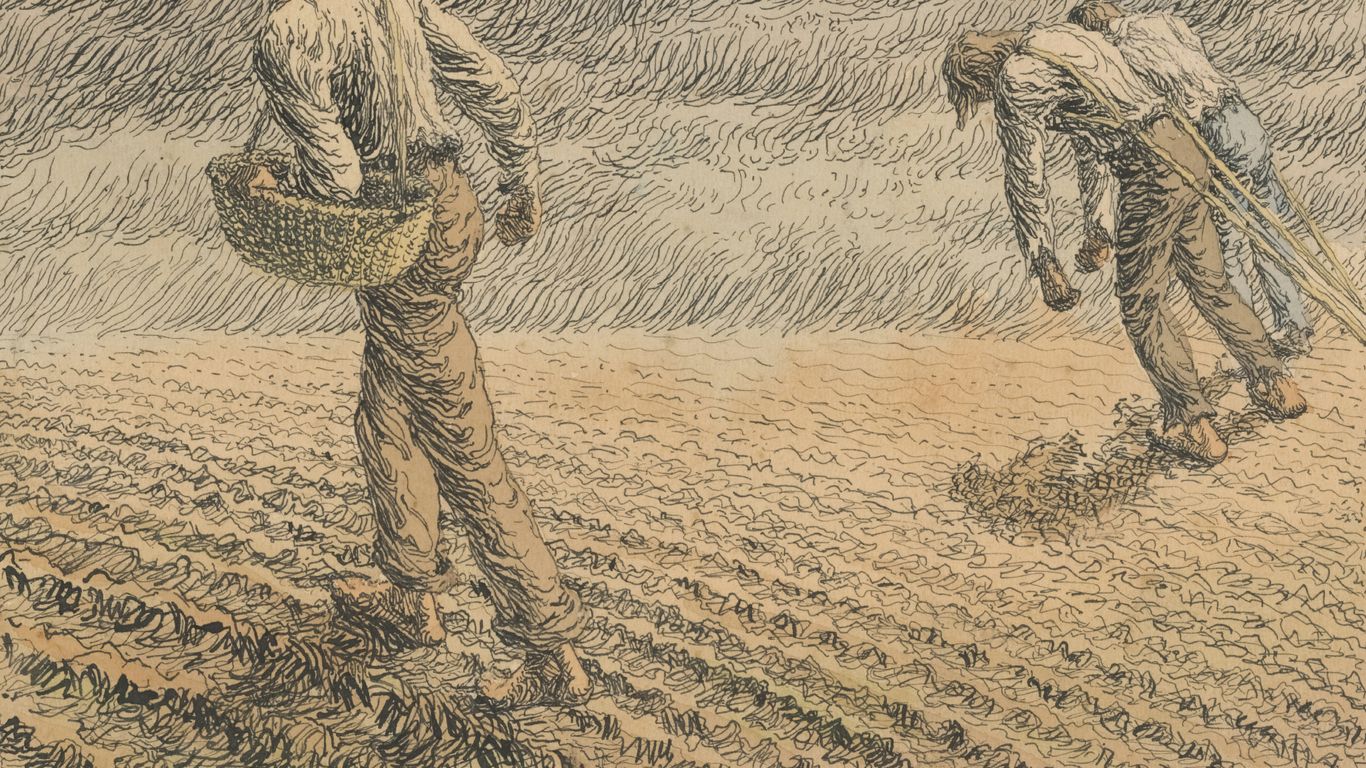
Once the seeds are in the ground, the real work of keeping them alive and thriving begins. This phase is all about giving the plants exactly what they need, when they need it, and protecting them from anything that might hurt them. It’s a delicate balancing act, really.
Precision Irrigation Strategies
Water is life, right? But too much or too little can be a disaster. We’re not just talking about turning on a sprinkler anymore. Modern farmers use smart systems that figure out how much water each part of the field needs. This can involve sensors buried in the soil that tell us when it’s dry, or weather stations that predict rain. The goal is to give the plants just enough water to grow strong, without wasting a drop or creating soggy conditions that invite disease. Think of it like giving a plant a perfectly timed drink, not a flood.
Strategic Fertilization Techniques
Plants need food, just like us. Soil has nutrients, but sometimes it needs a boost. Farmers test the soil to see what’s missing. Then, they add fertilizers, but not just a blanket application everywhere. Precision fertilization means applying nutrients only where they’re needed and in the right amounts. This might involve special equipment that can change the amount of fertilizer it’s spreading as it moves across the field. It’s about feeding the plants efficiently, making sure they get the building blocks for healthy growth without overdoing it, which can be bad for the environment and your wallet.
Proactive Pest and Disease Management
Little critters and microscopic nasties are always looking for a free meal or a place to set up shop on our crops. Farmers have to be detectives, constantly scouting fields for any signs of trouble. This isn’t just about spraying chemicals. It’s a whole strategy:
- Scouting: Regularly walking through fields to spot early signs of pests or diseases.
- Biological Controls: Introducing natural predators or beneficial insects that eat the bad bugs.
- Crop Rotation: Planting different crops in the same field year after year to break pest cycles.
- Resistant Varieties: Choosing seeds that are naturally more resistant to common problems.
- Targeted Treatments: If chemicals are needed, using them only on affected areas and at the right time.
It’s about staying ahead of the game, not just reacting when things get bad.
Effective Weed Control Measures
Weeds are the ultimate competitors. They steal water, sunlight, and nutrients from our crops, plain and simple. Getting rid of them is a big part of the job. Farmers use a mix of methods:
- Mechanical Control: Things like tilling before planting or using cultivators between rows during the growing season.
- Mulching: Covering the soil with materials to block sunlight from reaching weed seeds.
- Herbicides: Using specific chemicals to kill weeds, often applied very precisely to avoid harming the crops.
- Cover Cropping: Planting certain crops during off-seasons to suppress weed growth.
The aim is to keep the weeds from getting a foothold so the crops can grow strong and reach their full potential.
The Art and Science of Harvesting
So, you’ve nurtured your crops all season long, watching them grow. Now comes the big moment: harvest time. It’s not just about grabbing a machine and going; there’s a real knack to it, a mix of knowing your crop and using the right tools. Getting the timing just right is probably the most important part of the whole process.
Determining Optimal Harvest Timing
This is where experience really counts. You can’t just pick a date off the calendar. You need to look at the crop itself. For grains, you’re checking moisture levels – too wet and they won’t store well, too dry and they might shatter before you even get them in the bin. For fruits and vegetables, it’s about color, firmness, and sometimes even smell. Weather plays a huge role too. A forecast for heavy rain or hail can mean you need to speed things up, even if the crop isn’t perfectly ready. It’s a constant balancing act.
Leveraging Modern Harvesting Technology
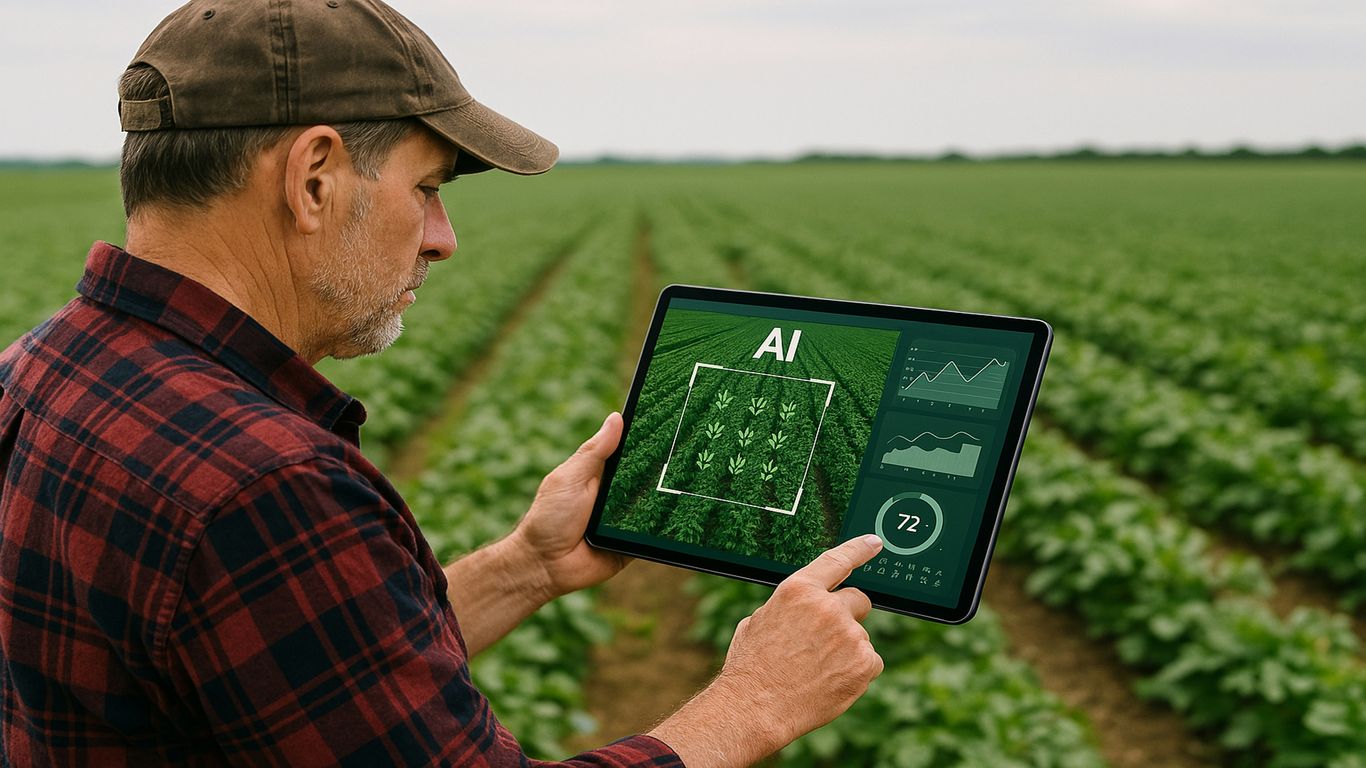
Gone are the days of everyone with a scythe. Today’s farms use some pretty impressive machinery. Think combines that can cut, thresh, and clean grain all in one pass. For other crops, there are specialized harvesters for everything from potatoes to delicate berries. Drones are even starting to help, giving farmers a bird’s-eye view to spot areas that might be ready before others. These machines save a ton of time and labor, letting farmers cover more ground efficiently. It means less crop is left out in the field to face the elements.
Efficient Post-Harvest Handling
Harvesting isn’t the end of the line, not by a long shot. What happens right after the crop leaves the field is just as critical. This is all about preserving quality and making sure the crop is ready for sale or storage. Key steps include:
- Cleaning: Getting rid of dirt, leaves, and any other bits that aren’t part of the actual crop.
- Drying: For grains and some other crops, reducing moisture content is vital to prevent mold and spoilage. This might involve natural air drying or using mechanical dryers.
- Sorting and Grading: Separating crops by size, quality, or ripeness. This makes sure you’re selling a consistent product.
- Storage: Keeping the crop in the right conditions – temperature, humidity – to maintain its freshness and prevent damage until it’s time to move it on.
Getting these steps right means less waste and a better product for everyone down the line.
Modern Crop Farmer’s Role in Sustainability
Implementing Eco-Friendly Farming Methods
Modern farmers are really stepping up when it comes to being kinder to the planet. It’s not just about growing food anymore; it’s about doing it in a way that doesn’t mess things up for the future. Think about things like cover cropping, where you plant specific crops not for harvest, but to protect and enrich the soil between main growing seasons. This helps stop soil erosion and keeps nutrients from washing away. Then there’s reduced tillage, which means disturbing the soil as little as possible. This keeps the soil structure intact, helps it hold water better, and also means less fuel burned by tractors. Farmers are also looking at ways to use natural pest controls more, like introducing beneficial insects that eat the bad ones, rather than just spraying chemicals everywhere. It’s a big shift from how things used to be done, and it takes a lot of know-how.
Resource Management for Future Generations
This is where farmers become stewards of the land. It’s about making sure that the soil, water, and biodiversity they rely on today will still be there for their kids and grandkids. Water management is a huge part of this. Instead of just flooding fields, farmers are using smart irrigation systems that deliver water right to the plant roots when they need it, cutting down on waste. They’re also paying close attention to soil health, not just for the current crop, but for the long haul. This means balancing nutrient inputs so they don’t overdo it, which can harm water quality downstream. It’s a careful balancing act, trying to get the most out of the land without depleting its natural capital. The goal is to leave the farm in better shape than they found it.
Adapting to Climate Change Challenges
Climate change is throwing some serious curveballs at farmers. We’re seeing more extreme weather – longer droughts, heavier rains, and unpredictable temperature swings. So, farmers have to be pretty adaptable. This means looking at crop varieties that can handle tougher conditions, like heat or less water. They might also change their planting schedules or even the types of crops they grow altogether. For example, some areas might start growing crops that were previously only suited to warmer climates. It’s also about building resilience into the farm system. This could involve planting windbreaks to protect fields or improving drainage to handle sudden downpours. It’s a constant process of learning and adjusting to what nature is throwing at them.
Looking Ahead: The Farmer’s Role Continues to Grow
So, we’ve walked through the whole process, from picking the right seed to getting the harvest ready for us to eat. It’s a lot more involved than just planting and waiting, right? Modern farming is a mix of old-school know-how and new tech, all working together. Farmers are constantly learning and adapting, using tools we couldn’t have imagined even a few years ago. It really shows how important their work is for all of us, and how they’re working to keep things going for the future, making sure we have food on our tables while also looking after the land. It’s a big job, and they’re doing it.
Frequently Asked Questions
What’s the first big step a modern farmer takes before planting anything?
Before even thinking about planting, a modern farmer does a lot of homework. This includes researching which types of crops will grow best in their specific area, considering things like the weather and the soil. They also make sure the seeds they choose are healthy and pure, so they have the best chance to grow strong.
Why is checking the soil so important for farmers?
Checking the soil is like a doctor giving a check-up. Farmers test the soil to see what nutrients are already there and if it’s the right kind of environment for the plants. This helps them know exactly what the soil needs, like adding special food (fertilizer), to help the crops grow big and healthy.
How do farmers make sure their crops get enough water?
Farmers use smart ways to give their crops water. This can mean using special sprinklers that give just the right amount of water, or systems that deliver water right to the plant’s roots. They watch the weather and the plants closely to make sure they don’t get too much or too little water, which is super important for growth.
What do farmers do to protect their crops from bugs and sickness?
Farmers use a mix of methods to keep pests and diseases away. They might use natural helpers, like good bugs that eat the bad ones, or plant different crops each year to confuse the pests. They also watch their fields closely for any signs of trouble so they can act fast.
How do farmers know the perfect time to pick their crops?
Knowing when to harvest is a big deal! Farmers look at how the crops look and check if they are fully grown and ready. They also keep an eye on the weather, because a big storm could ruin a crop that’s ready to be picked. Modern technology can help them figure out the best day.
What does it mean for a farmer to be ‘sustainable’?
Being sustainable means farming in a way that’s good for the environment and can keep going for a long time. Farmers try to use resources like water and soil wisely, avoid harming nature, and make sure they can still grow food for future generations. It’s about being smart and caring for the planet while growing food.