It’s pretty wild to think about how much movie making technology has changed. We’ve gone from silent movies with actors just acting super dramatic to, like, virtual reality where you feel like you’re actually there. It’s a huge leap, and it’s totally changed how stories get told and how we experience them. This whole journey shows how people keep finding new ways to make movies more interesting and, honestly, more mind-blowing.
Key Takeaways
- The very beginning of movies, back in the silent era, relied on visuals and acting to tell stories, setting the stage for future movie making technology.
- Adding sound was a massive change, opening up new ways to tell stories and leading to the big Hollywood movies we know.
- Color and special effects really upped the game, making movies more visually exciting and leading to the blockbuster hits.
- Digital tools have made it easier for more people to make movies and get them out there, changing the whole industry.
- New tech like VR and AR is pushing movie making technology further, creating totally new ways to experience stories.
The Dawn Of Cinema: Silent Films And Early Innovations
The Birth Of Filmmaking: Silent Era (1890s-1920s)
Back in the day, movies were a whole different ballgame. We’re talking about the late 1800s and early 1900s, a time when the Lumière brothers basically invented the whole moving picture thing with their camera and projector. Their first flick, "Workers Leaving the Lumière Factory," was super short, just showing people leaving work. It was all about what you could see. No talking, no music playing from the speakers – just the visuals. Filmmakers had to get really good at showing emotions and telling a story using just pictures and maybe some text cards that popped up on screen. Think exaggerated facial expressions and big gestures. It was a new way to tell stories, and people were totally fascinated.
Actualities, Narrative Shorts, And Early Documentaries
So, what kind of stuff were they showing back then? It wasn’t just one thing. You had these short films called "actualities," which were basically like early news clips, just showing real events happening. Then there were narrative shorts. These were simple stories, often funny or a bit dramatic, that you could watch in just a few minutes. And they also started making early documentaries, filming real places or events. It was a mix of showing the world as it was and making up little tales.
- Actualities: Short films capturing real-life events.
- Narrative Shorts: Simple stories, often comedic or dramatic.
- Early Documentaries: Non-fiction films showing real places or happenings.
The Foundation For Sound Technology
Even though these early movies were silent, they were actually setting the stage for something huge: sound. Filmmakers were figuring out how to capture images and tell stories visually, and that groundwork was super important. They were experimenting with cameras, editing, and how to keep an audience interested without dialogue. All this innovation meant that when sound finally came along, the industry was ready to take it and run with it. It was this silent era that proved moving pictures could be a powerful storytelling medium, paving the way for everything that came next.
The Sound Revolution And The Golden Age Of Hollywood
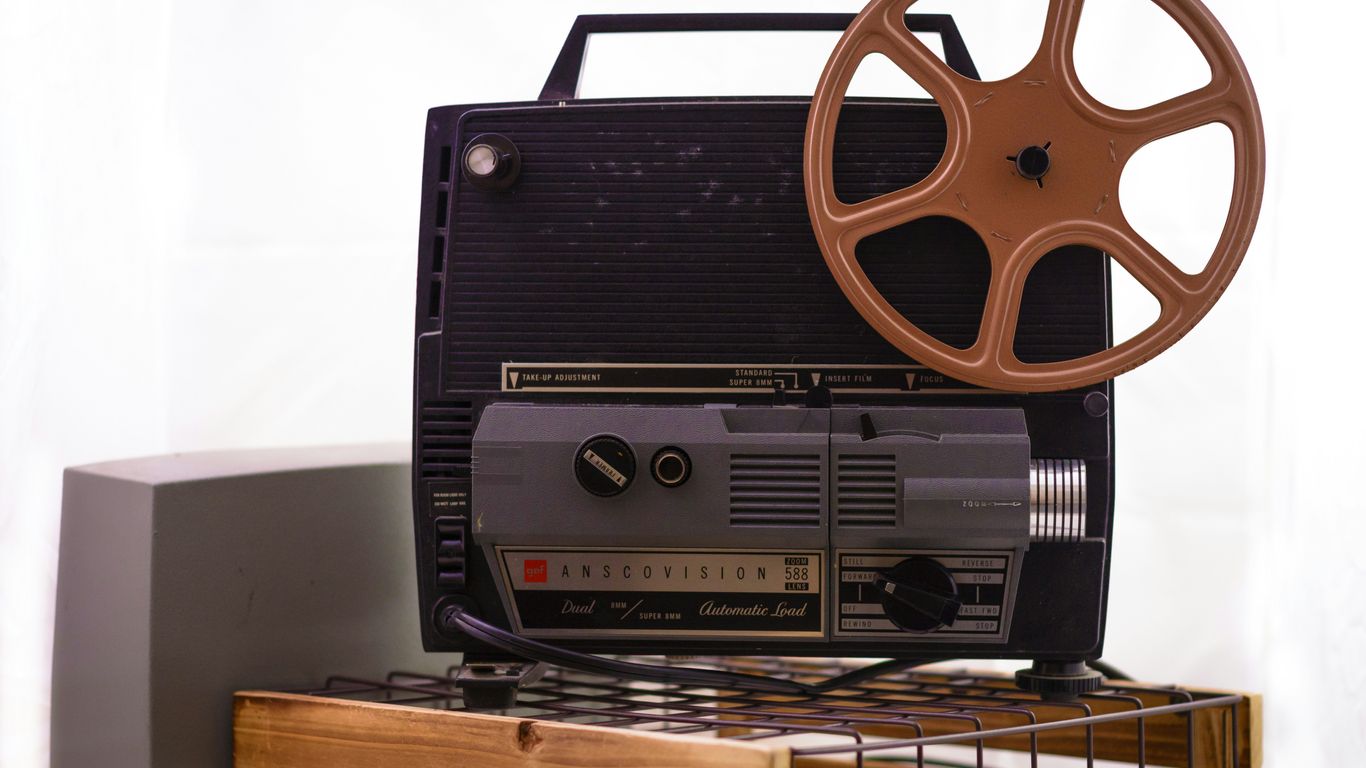
Man, movies were pretty quiet for a while there, right? We’re talking silent films, where everything was done with big gestures and title cards. But then, BAM! Sound hit the scene, and it totally changed the game. It wasn’t just about hearing dialogue anymore; it was about music, sound effects, and how all that stuff could make a story hit you right in the feels. This was the start of what we now call the Golden Age of Hollywood, a time when studios were churning out movies like crazy, and they got really good at telling stories with this new sound element.
The Transition From Silent Films To "Talkies"
It’s wild to think about how filmmakers had to figure out sound. Early on, they tried all sorts of things, like having live orchestras play along with the movie in the theater. But the real game-changer was when they figured out how to record sound directly onto the film itself. "The Jazz Singer" in 1927 is usually the big one everyone points to as the first real "talkie." Suddenly, actors had to actually act and speak, and directors had to think about how sound would work with the visuals. It was a huge adjustment, and some silent film stars just couldn’t make the switch. It was a whole new ballgame, and studios had to invest a ton of money in new equipment and training.
Musicals, Westerns, Noir, And Epics
Once sound was in, Hollywood really ran with it. Genres exploded. You had musicals where people burst into song and dance, which was a natural fit for sound. Westerns got a whole new level of atmosphere with booming gunshots and dramatic scores. Then there was film noir, with its moody music and sharp dialogue that just oozed tension. And don’t forget the epics – huge historical or biblical stories that now had the sound to match their grand scale. It was like the movies suddenly got a whole lot bigger and more exciting.
Here’s a quick look at some popular genres that really took off with sound:
- Musicals: Think Fred Astaire and Ginger Rogers dancing and singing their way through elaborate numbers. Sound made these performances come alive.
- Westerns: The clatter of spurs, the crack of a rifle, the lonely howl of a coyote – sound added so much to the frontier experience.
- Film Noir: The smoky jazz music, the gravelly voices, the rain-slicked streets – sound was key to creating that dark, mysterious mood.
- Epics: Grand orchestras, booming battle scenes, and powerful speeches made these massive stories feel even more monumental.
The Impact Of Synchronized Sound On Storytelling
Synchronized sound didn’t just add noise; it fundamentally changed how stories were told. Before, you relied on visuals and text. Now, you could use dialogue to reveal character, build relationships, and create conflict in ways that were impossible before. A whispered threat, a heartfelt confession, a witty comeback – these things added so much depth. Music could underscore emotions, build suspense, or signal danger. Sound effects could make a scene feel more real or more fantastical. It gave filmmakers a whole new palette to work with, allowing for more subtle performances and more complex narratives. It was a massive leap forward, and you can see how it paved the way for everything that came after.
Color, Spectacle, And The Rise Of Blockbusters
After the monochrome days of early cinema, the introduction of color film really changed things. It wasn’t just about making movies look prettier; it opened up new ways to tell stories and create moods. Think about how vibrant musicals became or how the lush landscapes in epics felt so much more real. Color added a whole new layer of immersion for audiences.
The Introduction Of Color Films
When color first started appearing in films, it was a big deal. Early methods like hand-tinting and stenciling were labor-intensive, but they gave us glimpses of what was possible. Then came processes like Technicolor, which really brought rich, saturated colors to the screen in the 1930s. Films like "The Wizard of Oz" and "Gone with the Wind" showed just how much color could enhance the visual experience, making them unforgettable spectacles. It wasn’t just a gimmick; it became a tool for directors to guide the audience’s emotions and create distinct visual identities for their films.
The Popularity Boom Of Post-WWII Cinema
The years following World War II saw a massive surge in moviegoing. People were looking for escape and entertainment, and Hollywood delivered. This era wasn’t just about escapism, though. Filmmakers started exploring more complex themes, and the seeds of what we now call blockbusters were sown. Big, ambitious films that drew huge crowds became the norm. This period really solidified the movie theater as a major entertainment destination, a place for shared experiences that felt grand and important. It was a time when cinema truly captured the public imagination, setting the stage for the massive productions to come. You can see how these shifts are part of a larger chronological list of significant achievements in cinema.
Revolutionary Special Effects In Modern Blockbusters
As movies got bigger, so did the ambition for what could be shown on screen. Special effects went from simple tricks to incredibly complex visual wizardry. Think about the groundbreaking effects in films like "2001: A Space Odyssey" or the practical effects that made "Jaws" so terrifying. Later, computer-generated imagery (CGI) completely changed the game, allowing filmmakers to create worlds and creatures that were previously impossible. This constant push for more spectacular visuals is what defines the modern blockbuster, making the moviegoing experience something truly out of this world.
The Digital Transformation Of Movie Making Technology
Democratizing Filmmaking With Digital Tools
Man, things have really changed in how movies get made. Remember when you needed a whole studio and tons of expensive gear just to shoot something? Well, that’s mostly a thing of the past. Digital cameras, even the ones on our phones, can shoot pretty amazing footage these days. And editing? Used to be a whole separate, complicated process. Now, you can edit a whole movie on a laptop. This shift has opened the doors for so many new voices and stories to be told. It’s not just for the big Hollywood players anymore; anyone with a good idea and some digital tools can get their film out there.
Revolutionizing Production And Distribution
Beyond just shooting and editing, digital tech has shaken up how movies are made and how we see them. Think about special effects. What used to take massive sets and tricky camera work can now be done with computers, making things look way more realistic (or totally fantastical!).
Here’s a quick look at some of the big changes:
- Visual Effects (VFX): Computer-Generated Imagery (CGI) lets filmmakers create anything they can imagine, from dinosaurs to entire alien worlds.
- Motion Capture: This tech lets actors’ movements be recorded and used to animate digital characters, making them move and act more naturally.
- Digital Distribution: Instead of shipping physical film reels, movies can now be sent digitally to theaters or streamed directly to our homes.
The Impact Of Digital Technology On Storytelling
So, how does all this tech stuff actually change the stories we see? For starters, filmmakers aren’t as limited by what’s physically possible. They can dream up wilder scenarios and bring them to life visually. This means more diverse genres and styles are popping up. Plus, with easier access to filmmaking tools and distribution platforms like streaming services, we’re seeing stories from all sorts of backgrounds and perspectives that might not have gotten made before. It’s like the whole movie world got a lot bigger and more interesting.
Emerging Technologies Shaping Future Movie Experiences
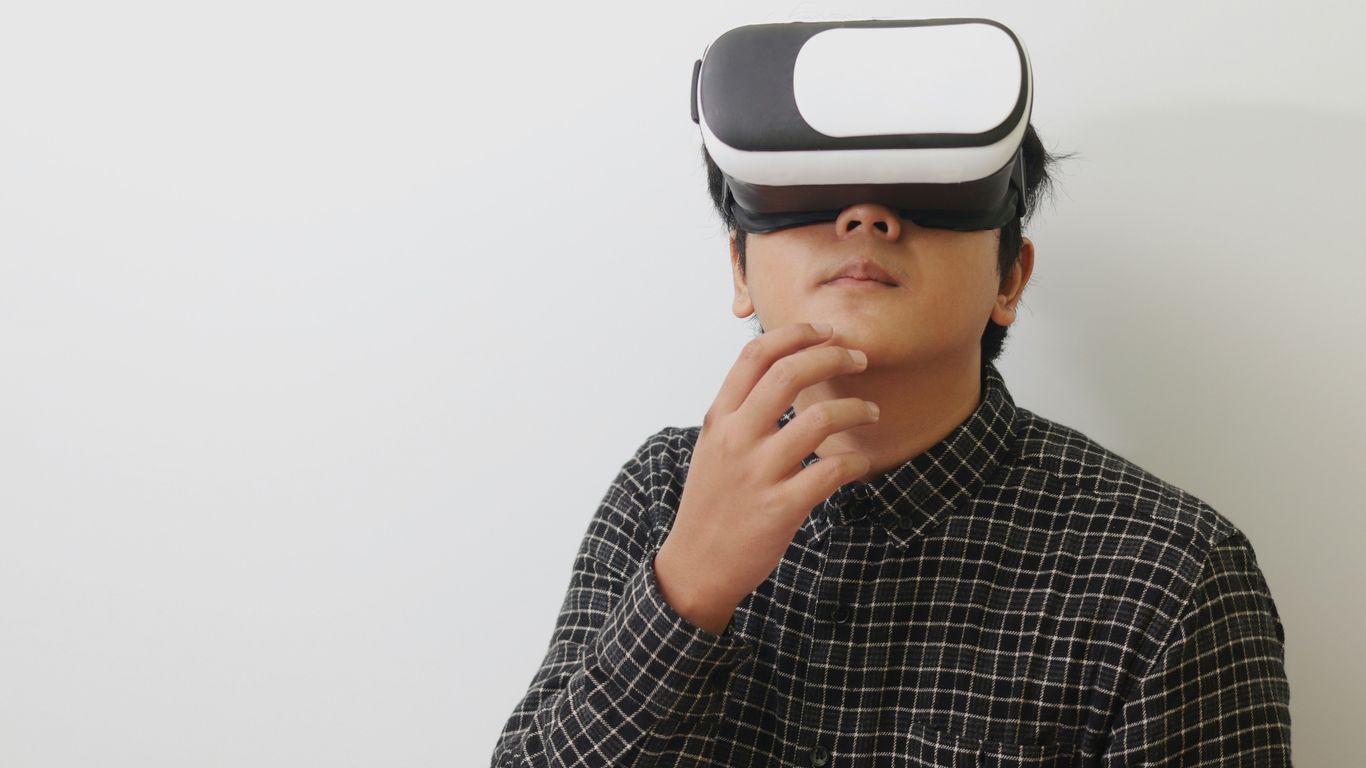
So, what’s next for movies? It’s pretty wild to think about, honestly. We’re not just talking about better screens or fancier sound systems anymore. The real game-changers are technologies that put you right in the middle of the story. It feels like we’re on the cusp of movies becoming something you don’t just watch, but something you actually experience.
Virtual Reality Films: Immersive Storytelling
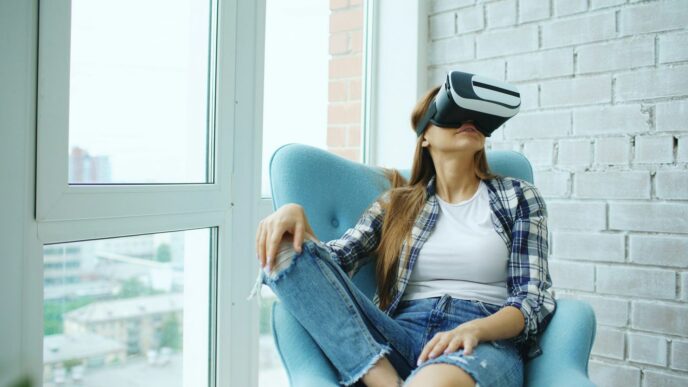
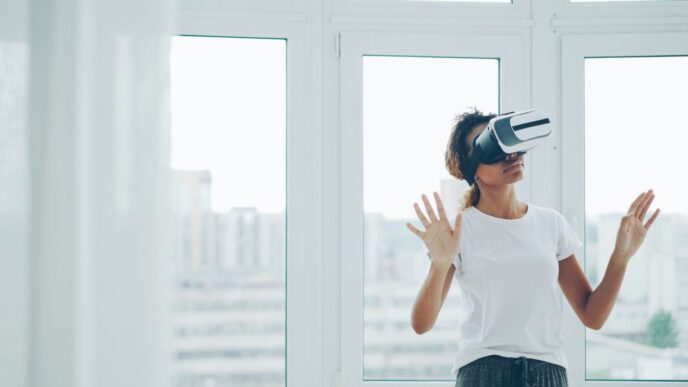
Virtual reality, or VR, is probably the most talked-about right now. You put on a headset, and suddenly, you’re not in your living room anymore. You’re on the set, maybe standing next to the actors, or even looking out from a character’s point of view. It’s a whole new way to tell stories because the filmmaker can guide your attention, but you also have a sense of freedom to look around. It’s still early days, and some VR films can feel a bit clunky, but the potential for really feeling like you’re there is huge.
Augmented Reality and Holographic Innovations
Then there’s augmented reality, or AR. Think about how your phone can show you a Pokémon in your backyard – AR does something similar for movies. Imagine characters or elements from a film popping up in your real-world environment. It could be as simple as seeing a movie poster come to life on your wall, or as complex as having interactive characters appear in your room. Holographic technology is also on the horizon, promising to project 3D images that seem to float in the air. This could mean movie characters appearing right in the cinema, or even in your home, without needing a screen.
Hybrid Films: Blending Traditional and New Media
It’s not all about completely new formats, though. We’re also seeing a lot of "hybrid" films. These are movies that take traditional filmmaking – you know, actors, cameras, a story – and mix it with elements of VR, AR, or interactive tech. Maybe you watch a regular movie, but then you can use an app to explore a character’s backstory in VR, or see extra holographic content related to the plot. It’s about giving audiences more ways to connect with the story and the world the filmmakers have created. It’s a really interesting mix, trying to keep the magic of cinema while adding these new layers of engagement.
How Technology Has Influenced Cinematic Artistry
It’s pretty wild when you think about how much movies have changed, not just in what we see on screen, but how they’re even made. Technology has really been the engine driving a lot of this, pushing filmmakers to get creative and find new ways to tell stories.
A Visual History of Cinematic Innovation
Think back to the early days. Silent films were all about big gestures and title cards to get the point across. Then came sound, and suddenly, actors could actually talk! This changed everything, allowing for more subtle performances and complex dialogue. Color was another huge leap. Movies went from black and white to vibrant hues, making everything feel more real and drawing us deeper into the world on screen. Special effects, too, have gone from simple tricks to mind-blowing CGI that can create entire universes. It’s like watching art evolve right before your eyes.
Enhancing Visual Aesthetics and Emotional Engagement
Technology doesn’t just make things look pretty; it helps filmmakers connect with us on an emotional level. Think about how a perfectly timed camera move or a specific lighting choice can make you feel a certain way. Digital tools give directors more control than ever. They can tweak every frame, add layers of detail, and craft visuals that really stick with you. This isn’t just about spectacle; it’s about using the tools available to make the audience feel something more intensely. It’s about making the story hit harder.
The Continuous Dialogue Between Artistry and Technology
Filmmaking is this constant back-and-forth between the artist’s vision and the tools they have to realize it. New tech comes out, and artists figure out how to use it in unexpected ways. Then, the demand for those new artistic expressions pushes tech companies to develop even more advanced tools. It’s a cycle. For example, the push for more realistic fantasy worlds led to massive advancements in CGI. Now, with virtual reality, we’re seeing entirely new ways to experience stories, which will undoubtedly lead to new artistic approaches and further technological development. It’s a partnership that keeps the whole industry moving forward.
The Never-Ending Story of Cinema
So, we’ve seen how movies went from silent pictures to the wild digital world we have now. It’s pretty wild to think about how much has changed, right? From old cameras to fancy computer effects and even virtual reality stuff, filmmakers have always found new ways to tell stories and grab our attention. It feels like every few years, something new pops up that changes how we watch or even how movies are made. It’s exciting to think about what’s next, but one thing’s for sure: movies aren’t going anywhere, and they’ll just keep getting more interesting.
Frequently Asked Questions
What were movies like when they first started?
Movies began as silent films in the late 1800s. They didn’t have any sound! Filmmakers used big actions, funny faces, and written signs to tell the story. Early movies were often short and showed real-life events or simple stories.
When did movies start having sound?
Sound came to movies in the late 1920s. The first movie with talking and singing was called “The Jazz Singer.” This changed everything, making movies more like plays and allowing for more complex stories and characters.
How did color change movies?
Color movies started becoming popular in the 1930s. Imagine going from black and white to seeing the rainbow! Films like “The Wizard of Oz” showed how color could make movies more exciting and real, making the whole experience more amazing.
What does ‘digital transformation’ mean for movies?
Digital tools made making movies easier and cheaper for more people. It also changed how movies are shared. Now, filmmakers can create incredible special effects, and movies can be seen on many different screens, like phones and computers, not just in theaters.
What are VR and AR films?
VR (Virtual Reality) films put you right inside the movie using special headsets. You feel like you’re really there! AR (Augmented Reality) films mix digital things with the real world you see through a device. These new types of movies make watching them feel more like an adventure.
How has technology helped movies become more artistic?
Technology gives filmmakers new ways to show their ideas. From cool special effects to making audiences feel more connected to the story, new tools help artists express themselves better. It’s like giving a painter new colors and brushes to create amazing pictures.