
It’s pretty wild how much technology has changed things, right? Think about how we talk to people, how we get information, even how we see ourselves. The individual vs technology debate is everywhere. We’ve got social media making us compare ourselves to others, AI helping us make choices (or maybe making them for us?), and then there’s the whole issue of getting hooked on our screens. It’s a lot to take in, and it’s changing us all, whether we realize it or not.
Key Takeaways
- Digital tools deeply affect how people act and think, from social media’s influence on self-image to AI’s role in work and decisions.
- Technology acts as a major force in changing cultures, spreading ideas globally but also risking the loss of unique traditions.
- Cultural identity is shifting in the digital age, with some groups using tech to protect their heritage while others adapt or resist it.
- The relationship between progress and culture is complex; technology can both build up and wear down traditions, with different regions adapting in unique ways.
- Using technology to preserve traditions means balancing keeping things authentic with making them work for today, which brings up ethical questions about who benefits and whose stories get told.
The Pervasive Influence Of Digital Tools On Human Behavior
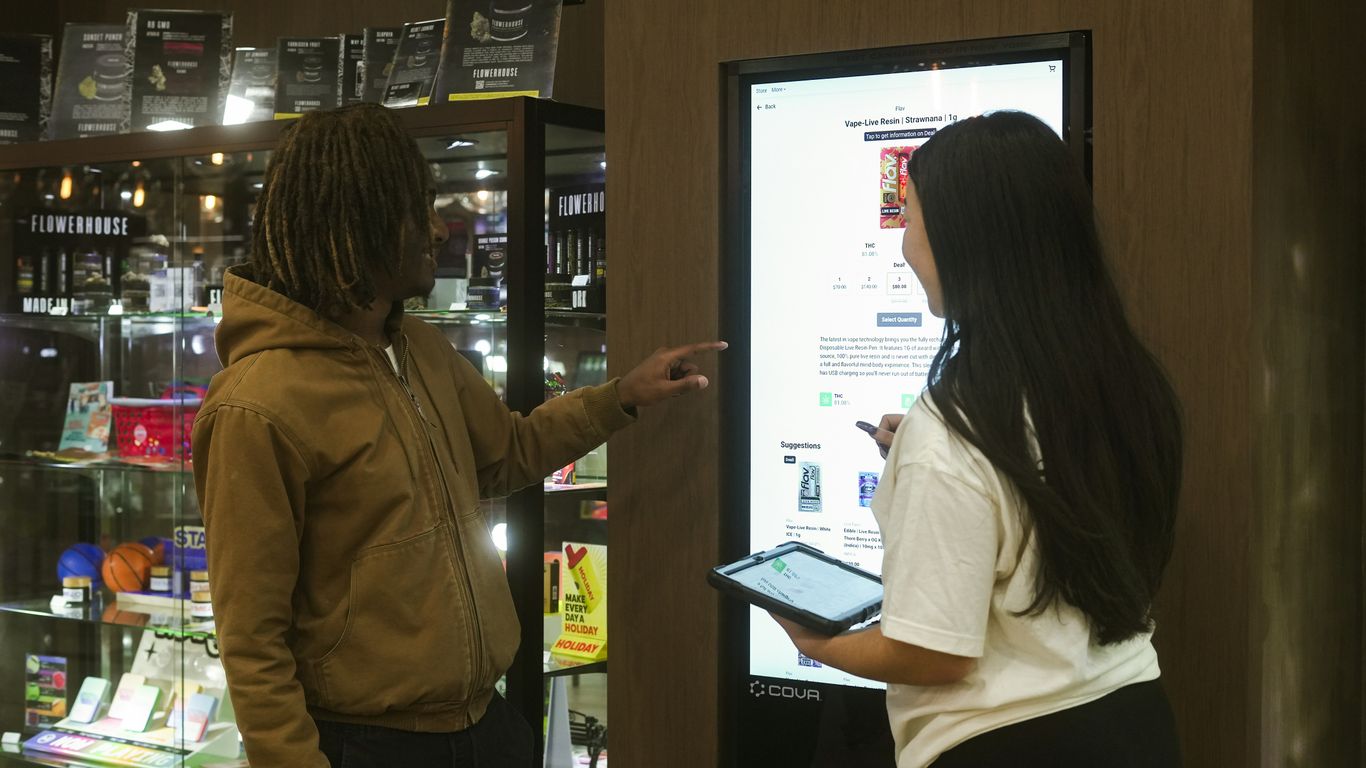
It’s pretty wild how much our phones and computers have changed, well, everything. Think about it – the way we talk to each other, how we see ourselves, even how we make simple choices. It all feels different now, doesn’t it?
Social Media’s Redefinition Of Interaction And Self-Perception
Remember when keeping up with friends meant actually calling them or, gasp, meeting up? Now, it’s mostly scrolling through feeds. Social media platforms have totally changed how we connect. We can have hundreds, even thousands, of "friends" online, but sometimes it feels a bit… shallow? It’s easy to keep in touch with people far away, which is great, but it also means we might be missing out on deeper connections right in front of us. Plus, everyone’s posting their highlight reels, right? It’s hard not to compare your everyday life to someone else’s perfectly filtered vacation photos. This constant comparison can really mess with how you feel about yourself. It’s like we’re all trying to present this polished version of ourselves online, and it can lead to feeling pretty down if your reality doesn’t match the curated perfection you see.
Artificial Intelligence’s Impact On Decision-Making And Work
AI is creeping into more and more parts of our lives, and it’s starting to influence the choices we make. Think about those recommendation engines on streaming services or online stores. They learn what you like and suggest more of it. It’s convenient, sure, but does it ever make you try something completely new? Or does it just keep you in a bubble of what you already know? And then there’s work. AI is taking over some tasks, which can be efficient, but it also means jobs are changing. We have to figure out how to work alongside these smart machines, and that’s a whole new ballgame. It’s not just about learning new software; it’s about rethinking what skills are actually important.
Navigating The Challenges Of Digital Addiction
This is a big one. It’s so easy to get sucked into our devices. You pick up your phone to check one thing, and suddenly an hour has gone by. That constant urge to check notifications, scroll through feeds, or play games can become a real problem. It’s not just about wasting time; it can affect our sleep, our focus, and even our relationships. It’s like our brains are getting rewired to crave that instant digital hit. Figuring out how to set boundaries and actually disconnect is becoming a necessary skill for just about everyone these days. It’s a constant balancing act, trying to use these tools without letting them take over.
Here are a few things that seem to be common:
- Feeling anxious when you can’t access your phone or the internet.
- Spending more time online than you intended, even when you have other things to do.
- Neglecting real-life responsibilities or relationships because of device use.
- Experiencing trouble sleeping because you’re using devices late at night.
Technology As A Catalyst For Cultural Transformation
It’s pretty wild how quickly technology seems to be changing everything, right? It’s not just about new gadgets; it’s like technology is actively rewriting the rules for how cultures develop and interact. Think about it – the internet and all the digital tools we use daily have opened up doors we never even knew existed. This interconnectedness is fundamentally altering how cultures spread, blend, and even define themselves.
Globalization and the Amplification of Cultural Exchange
Remember when getting news from another country felt like a big deal? Now, with a few clicks, we can see what’s happening across the globe in real-time. Digital platforms have become superhighways for cultural ideas. We’re sharing music, food trends, and even ways of thinking faster and wider than ever before. This isn’t just about consuming foreign culture; it’s about a constant back-and-forth that shapes our own local practices. It’s like the whole world is in a giant, ongoing conversation, and technology is the megaphone. This rapid exchange can lead to some really interesting fusions, but it also brings up questions about what gets lost in translation.
The Erosion of Traditional Values Versus Cultural Homogenization
On the flip side, this constant influx of global culture can feel a bit overwhelming. Sometimes, it seems like the unique traditions and values that have been around for generations are getting pushed aside. It’s a balancing act, for sure. While we’re exposed to so much diversity, there’s also a risk that everything starts to look and feel the same. Think about how global brands and media can sometimes overshadow local customs. It’s a complex dynamic where the very tools that connect us can also, unintentionally, smooth out the distinct edges of different cultures. We need to be mindful of how these digital flows impact our local identities and practices.
Digital Platforms as Vehicles for New Cultural Practices
But it’s not all about losing traditions. Technology is also creating entirely new ways for cultures to express themselves and form communities. Online forums, social media groups, and even virtual worlds are becoming spaces where people with shared interests or backgrounds can connect, create, and celebrate. These digital spaces allow for the birth of new subcultures and artistic movements that might not have been possible before. For instance, digital storytelling allows communities to share their heritage in innovative ways, blending old narratives with new media. It’s a testament to human creativity that we can adapt and build new cultural expressions even as the world around us changes so rapidly. This ability to adapt is key to understanding how culture evolves in the 21st century.
Cultural Identity In The Digital Age
It’s pretty wild how much our sense of self and belonging is tied up with culture, and now, technology is really shaking things up. We’re not just talking about the internet here; it’s the whole digital ecosystem. Think about it: how we connect, what we learn, even how we remember things is changing.
Indigenous Communities Leveraging Technology For Preservation
Lots of people worry that technology just steamrolls over old ways of doing things. But for many Indigenous communities, it’s actually become a lifeline. They’re using digital tools to keep their languages alive, document ancient stories, and share their traditions with younger generations and the wider world. It’s not about replacing what they have, but about finding new ways to make sure it lasts.
- Digital Archives: Recording oral histories and traditional knowledge before it’s lost.
- Language Apps: Creating interactive tools to teach and learn Indigenous languages.
- Online Platforms: Sharing cultural practices, art, and music globally.
This isn’t always easy, though. There’s a constant push and pull to make sure these technologies respect their specific cultural needs and don’t just impose outside ideas.
The Dual Potential Of Technology: Homogenizing Versus Liberating
This is where things get complicated. On one hand, platforms like social media can feel like they’re pushing everyone towards the same trends, the same looks, the same ideas. It’s like a giant blender, and sometimes, the unique flavors get lost. We see this when global trends overshadow local customs, or when certain cultural narratives become way more visible than others.
But then, there’s the other side. Technology can also be incredibly liberating. It gives a voice to people who might not have had one before. Think about artists sharing their work online, or activists organizing movements across borders. These digital spaces can become powerful tools for cultural expression and connection, breaking down old barriers. It really depends on who’s using the tech and for what purpose.
Marginalized Communities Resisting And Adapting Technologies
It’s not just about Indigenous groups. Many communities that have historically been on the fringes are finding ways to push back against tech that doesn’t fit them and adapt what does. They’re not just passive recipients; they’re actively shaping how technology interacts with their lives.
- Customized Tools: Developing apps or software that speak their language or fit their specific cultural context.
- Counter-Narratives: Using digital platforms to challenge stereotypes and share their own stories.
- Community Networks: Building local digital infrastructure that prioritizes their needs over corporate interests.
This is a constant negotiation. It’s about making sure technology serves people, not the other way around, and that everyone has a say in how these powerful tools are built and used.
The Reciprocal Relationship Between Progress And Culture
It’s easy to think of technology as this one-way street, right? Like, progress happens, and then culture just has to deal with it. But it’s way more complicated than that. Think about it: new tech doesn’t just appear out of nowhere. It’s usually born from existing cultural needs, ideas, and even limitations. And once it’s out there, it doesn’t just change culture; culture also shapes how that technology is used, adapted, and sometimes even rejected.
Understanding The Nuanced Interplay Of Innovation And Erosion
This back-and-forth is where things get interesting. On one hand, new tools can definitely shake things up, sometimes in ways that feel like a loss. We see this when global trends, pushed by digital platforms, start to overshadow local customs. It’s like everyone suddenly wants the same music, the same clothes, the same way of talking. This can lead to what some call cultural erosion, where older, unique traditions start to fade because they don’t fit the new mold.
But it’s not all downhill. Technology also gives us new ways to keep traditions alive, or even create new ones. Look at how many endangered languages are being documented and taught online now. Or how families use video calls to share holiday celebrations across continents. The same digital tools that can homogenize can also be used to preserve and even revitalize cultural practices. It really depends on who’s using the tech and for what purpose.
Regional Variations In Cultural Adaptation To Technology
What’s fascinating is that this isn’t happening the same way everywhere. A new app that takes off in New York might barely register in a rural village in India, or it might be adapted in a completely unexpected way. Different cultures have different values, different histories, and different needs, so they’re going to interact with new technology differently.
- Adoption Rates: Some regions are quick to pick up the latest gadgets, while others are more cautious, integrating new tech slowly.
- Customization: Technologies are often modified to fit local languages, social norms, and existing practices.
- Resistance: Sometimes, communities actively push back against certain technologies they see as harmful to their way of life.
The Dynamic Negotiation Between Technology And Cultural Evolution
Ultimately, it’s a constant negotiation. Technology pushes, culture pulls back, adapts, and then maybe pushes back in a new way. It’s not a simple cause-and-effect. It’s more like a dance. We’re seeing this play out with everything from how we eat (think food delivery apps changing dining habits) to how we socialize (online communities forming around shared interests). This ongoing conversation between what’s new and what’s old is what keeps culture alive and evolving. It’s how we move forward without completely leaving our past behind.
Preservation And Transformation Of Traditions Through Digital Means
It’s pretty wild how technology is changing the way we keep our old traditions alive, and sometimes, how we change them ourselves. Think about it: things that used to be passed down just by word of mouth or by being there in person are now being saved and shared online. This is a big deal for traditions that might be fading away.
Documenting Endangered Traditions For Future Generations
We’re seeing a lot of efforts to record things that are at risk of being forgotten. This can be anything from old songs and stories to specific craft techniques or even entire ceremonies. Digital tools make it easier than ever to capture these. Imagine old manuscripts being scanned and put online for anyone to see, or recordings of elders sharing their knowledge being stored in digital archives. This digital record acts like a safety net, making sure that even if the practice itself disappears, the knowledge isn’t lost forever. It’s like creating a backup of our cultural DNA.
Virtual Spaces Transforming Traditional Celebrations
But it’s not just about saving things as they are. Technology is also changing how we do traditions. Take festivals, for example. Now, people who can’t be there in person can join in through live streams or even virtual reality. This opens up celebrations to a much wider audience, including family members living far away or people from different countries who are interested. It’s a neat way to include more folks, but it also makes you wonder if the experience is quite the same when you’re not physically present. It’s a trade-off, for sure.
Balancing Authenticity With Innovation In Cultural Adaptation
So, we’ve got this push and pull happening. On one side, we want to keep traditions pure and true to their roots. On the other, technology offers new ways to share and even adapt them, which can make them more relevant to younger generations or people in different places. It’s a tricky balance. How do you use new tools without losing the original spirit of what you’re trying to preserve? It requires careful thought and often involves the communities themselves deciding what feels right. It’s about finding that sweet spot where tradition meets the modern world without losing its soul.
Ethical Considerations And Power Dynamics In Technology Integration
It’s easy to get caught up in all the cool new tech, right? But we really need to stop and think about who’s benefiting and who might be getting left behind. This whole digital world isn’t exactly a level playing field.
The Digital Divide Exacerbating Societal Disparities
Think about it: not everyone has the same access to the internet or the latest gadgets. This gap, often called the digital divide, isn’t just about not being able to stream the newest show. It means some people miss out on job opportunities, education, and even basic information. It’s like having a superhighway for some and a dirt road for others. This makes existing social and economic differences even worse. We’re talking about communities that already struggle, now facing even bigger hurdles just to keep up.
Western Narratives Dominating Global Digital Platforms
Then there’s the issue of whose stories get told online. A lot of the big platforms, the ones we use every day, are based in Western countries. This means their ideas, their values, and their way of seeing the world tend to be the ones that get pushed the most. It’s like a few voices are shouting really loud, drowning out everyone else. This can make it hard for other cultures to share their own perspectives or even feel represented. It’s a subtle kind of takeover, where one viewpoint becomes the default.
Interrogating The Commodification Of Culture Via Technology
And what happens when culture becomes something you can just buy and sell online? Technology makes it super easy to share cultural stuff – music, art, traditions. But sometimes, this sharing turns into just taking. Things that are deeply meaningful to one group can end up being used by others for profit, often without understanding or respecting the original context. This can strip away the real meaning and turn something sacred into just another product. We need to be more mindful about how we share and consume culture in this digital age, making sure we’re not just exploiting it.
Looking Ahead: Finding Our Place
So, where does all this leave us? It’s pretty clear technology isn’t going anywhere, and honestly, most of us wouldn’t want it to. It’s changed how we talk, how we learn, and even how we see ourselves. But it’s not a one-way street. We’re not just passively accepting whatever tech throws at us. We’re figuring out how to use it, how to bend it to our needs, and sometimes, how to push back. The trick is going to be staying smart about it, making sure these tools help us connect and grow without losing what makes us, well, us. It’s a constant balancing act, and we’re all just trying to get it right, one click at a time.
Frequently Asked Questions
How is social media changing the way we see ourselves and interact with others?
Social media platforms can make us compare ourselves to others a lot, sometimes making us feel less confident. They also change how we talk to people, often making conversations shorter and less personal than talking face-to-face.
Is artificial intelligence taking over our decision-making and jobs?
AI is helping us make decisions in areas like shopping and navigation, and it’s changing many jobs. While it can make things easier and create new opportunities, it also means some traditional jobs might disappear, and we need to learn new skills.
What are the biggest dangers of using technology too much?
One major risk is becoming addicted to our devices, which can affect our sleep, focus, and real-life relationships. It can also lead to feeling anxious or lonely, even when we’re constantly connected online.
How does technology help spread different cultures around the world?
The internet and apps let us easily share music, food, and traditions with people everywhere. This can lead to exciting new cultural blends, but it also means some local customs might get overshadowed by more popular global ones.
Can technology help save old traditions that are fading away?
Yes, technology can be a great tool for this! We can use it to record old stories, languages, and crafts so future generations can learn from them. Online videos and digital archives can keep these traditions alive.
Why is it important to think about who controls technology and who gets to use it?
It’s important because not everyone has equal access to technology, which can make existing unfairness worse. Also, the stories and ideas that get shared most online often come from a few powerful places, which might not represent everyone’s experiences.