The Historical Trajectory Of Artificial Intelligence In Education
Foundational Concepts Of AI In Learning
Artificial intelligence, or AI, in education isn’t exactly a brand-new idea. Think back to the early days of computing. Researchers were already exploring how machines could help people learn. The core idea was to create systems that could mimic human thought processes, like problem-solving and decision-making, but for educational purposes. It was about making learning more efficient and maybe even more engaging. Early on, this meant things like simple computer programs that could present information and ask questions, sort of like a digital textbook with a quiz. The goal was always to see if technology could support what teachers were doing, not replace them.
Early Implementations And Their Impact
When AI first started showing up in classrooms, it was pretty basic. We saw things like early
Transforming Pedagogy With AI-Driven Tools
Artificial intelligence isn’t just a buzzword anymore; it’s actively changing how we teach and learn. Think of it as a new set of tools that can help educators do their jobs better and give students more tailored learning experiences. AI is moving beyond just being a digital assistant to becoming a partner in the educational process.
Personalized Learning Pathways For Students
One of the biggest game-changers AI brings is the ability to customize learning for each student. Instead of a one-size-fits-all approach, AI can look at how a student learns, what they already know, and where they struggle. Based on this, it can suggest specific activities, resources, or even adjust the difficulty of problems.
- Adaptive content delivery: AI can present information in different ways – text, video, interactive exercises – based on a student’s preferred learning style.
- Targeted practice: If a student is having trouble with fractions, the AI can provide extra practice problems specifically on that topic, rather than making them go through a whole chapter again.
- Pacing control: Students can move through material at their own speed. Those who grasp concepts quickly can move ahead, while others get the extra time and support they need.
Intelligent Tutoring Systems And Adaptive Assessments
Intelligent tutoring systems (ITS) are like having a patient, always-available tutor for every student. These systems can guide students through complex problems, offering hints and explanations when they get stuck. They don’t just give answers; they help students figure things out for themselves.
Adaptive assessments are also a big deal. Instead of a fixed test, these assessments change based on the student’s answers. If a student answers correctly, the next question might be harder. If they get it wrong, the system might ask an easier question or one that tests a prerequisite skill. This gives a much more accurate picture of what a student truly knows.
Here’s a quick look at how adaptive assessments can work:
| Assessment Type | Traditional Approach | AI-Driven Adaptive Approach |
|---|---|---|
| Difficulty | Fixed set of questions for everyone | Questions adjust based on student performance |
| Feedback | Usually given after the test is graded | Immediate, targeted feedback and hints |
| Measurement | Broad overview of knowledge | Precise identification of strengths and weaknesses |
Automating Administrative Tasks For Educators
Teachers spend a lot of time on tasks that, while important, take away from actual teaching. AI can step in here. Think about grading multiple-choice tests or even essays. AI can handle a lot of this, freeing up teachers to focus on lesson planning, one-on-one student interaction, and professional development.
- Automated grading: AI can quickly grade objective tests and even provide preliminary feedback on written assignments.
- Attendance tracking: Systems can automate attendance monitoring, reducing manual entry.
- Report generation: AI can help compile student progress reports, saving teachers hours of data compilation.
By taking on these routine tasks, AI allows educators to dedicate more energy to the human side of teaching – mentoring, inspiring, and connecting with their students.
Enhancing The Learning Experience Through AI
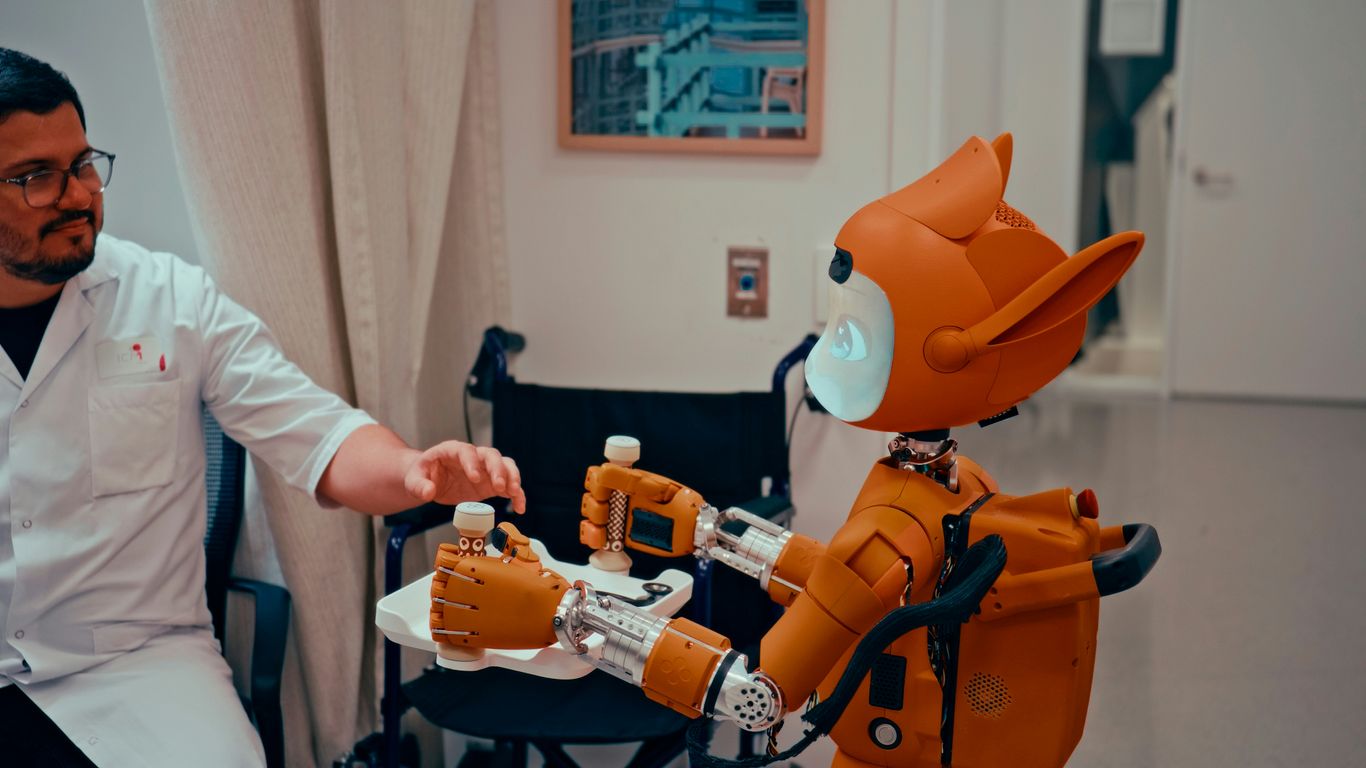
AI is really starting to change how students learn and how teachers teach. It’s not just about fancy gadgets; it’s about making education work better for everyone involved. One of the biggest wins is how AI can help make learning more personal for each student.
AI For Inclusive And Equitable Education
Making sure every student gets a fair shot at learning is a big deal, and AI can play a part here. Think about students who might struggle with traditional methods or have different learning needs. AI tools can step in to help.
- Speech-to-text and text-to-speech: These can be a lifesaver for students with reading or writing difficulties. They can listen to lessons or have their spoken words turned into text for assignments.
- Translation tools: For students learning in a second language, AI can translate materials on the fly, making complex subjects more accessible.
- Adaptive interfaces: Some AI systems can adjust how information is presented based on a student’s needs, like changing font sizes or simplifying language.
Leveraging AI For Student Engagement And Support
Keeping students interested and giving them the help they need when they need it is what AI is good at. It’s like having a helpful assistant available all the time.
- Interactive content: AI can power educational games or simulations that adapt to a student’s progress, making learning feel less like a chore and more like an adventure.
- Personalized feedback: Instead of just a grade, AI can offer specific tips on where a student went wrong and how they can improve. This helps them learn from mistakes.
- Virtual assistants: Chatbots can answer common questions about assignments or course material, freeing up teachers to focus on more complex student needs.
Data Analytics To Inform Educational Strategies
AI is really good at looking at a lot of information and finding patterns that humans might miss. This can help schools and teachers make smarter decisions.
Here’s a look at what kind of data AI can analyze:
| Data Type | What AI Can Reveal |
|---|---|
| Student Performance | Areas where students are excelling or struggling |
| Engagement Levels | How often students are participating and interacting |
| Learning Pace | How quickly or slowly students are grasping concepts |
| Resource Effectiveness | Which learning materials are most helpful for students |
By understanding these trends, educators can adjust their teaching methods, provide extra support where it’s most needed, and make sure the curriculum is hitting the mark. It’s about using information to make learning better for everyone.
Navigating The Challenges Of AI Integration
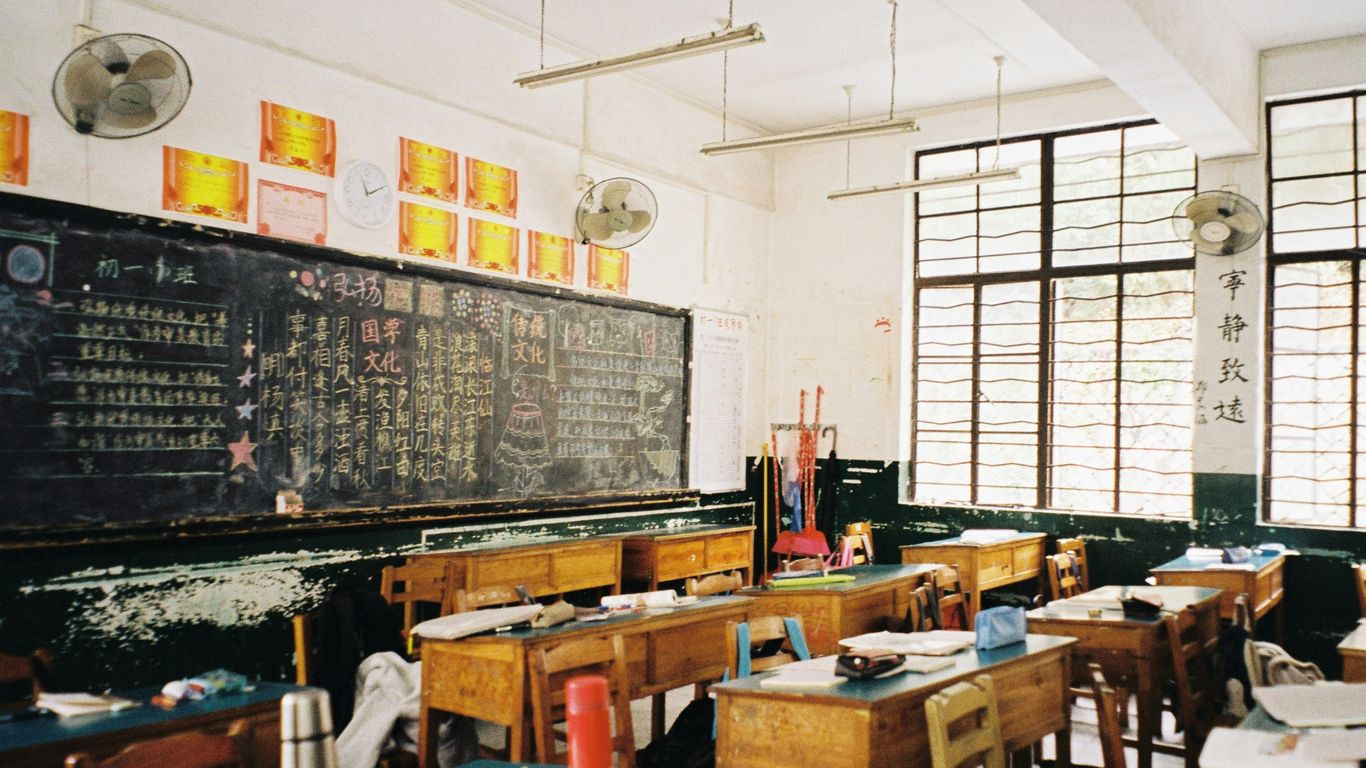
So, we’ve talked a lot about how cool AI can be for schools, right? But let’s be real, it’s not all smooth sailing. Bringing AI into classrooms comes with its own set of headaches that we really need to sort out. It’s not just about buying the latest software; there are bigger things to consider.
Addressing Cost and Infrastructure Barriers
First off, there’s the money. AI tools, especially the good ones, can be pricey. We’re talking about software licenses, but also the hardware needed to run them. Schools, especially those with tight budgets, might find it hard to afford these systems. And it’s not just the initial cost. Think about keeping things updated, paying for cloud storage, and making sure the internet connection is fast enough for everyone to use these tools without a hitch. It’s a big investment, and not every school district has the same resources. Some schools might end up with fancy AI tools while others are still struggling with basic computer labs. This could create a real divide.
Maintaining Human Interaction In AI-Enhanced Classrooms
Then there’s the human side of things. AI can do a lot, like personalize lessons or grade papers, but it can’t replace a teacher’s empathy or a classmate’s discussion. We need to make sure that as we use more AI, we don’t lose that important connection between students and teachers, and among students themselves. The goal should be to use AI to help teachers, not to replace them. Think about it: learning isn’t just about facts; it’s also about social skills, teamwork, and understanding different perspectives. If students are mostly interacting with machines, how will they develop these skills? We need to find a balance so that technology supports, rather than overshadows, the human element of education.
Ensuring Data Privacy and Security
Finally, we have to talk about data. AI systems collect a ton of information about students – how they learn, what they struggle with, their progress. This data is super useful for personalizing education, but it’s also really sensitive. Who gets to see this data? How is it stored? Is it safe from hackers? Schools have a big responsibility to protect this information. We need clear rules and strong security measures in place so that student data isn’t misused or leaked. It’s a tricky area, and getting it wrong could have serious consequences for students and their families.
Ethical Considerations And Future Directions
As AI becomes more common in schools, we have to think about the tricky parts. It’s not all smooth sailing, and there are some big questions we need to answer.
Mitigating Algorithmic Bias And Discrimination
One of the biggest worries is that AI systems might not be fair. These systems learn from data, and if that data has existing biases, the AI can end up treating some students unfairly. This could show up in things like how it grades, or what learning materials it suggests. We need to be really careful about this.
- Reviewing data sources: We have to check the information AI learns from to make sure it’s balanced and doesn’t reflect societal prejudices.
- Testing AI outputs: Regularly checking what the AI does to catch any unfair patterns before they cause problems.
- Developing transparent algorithms: Making it clearer how AI makes decisions so we can spot and fix bias.
It’s important that AI helps all students, not just a select few.
The Role Of Educators In An AI-Augmented Future
Some people worry that AI might replace teachers. That’s not really the goal, though. Think of AI as a helper. It can handle some of the repetitive tasks, like grading multiple-choice tests or finding extra practice problems for a student who’s struggling. This frees up teachers to do what they do best: connect with students, offer emotional support, and guide complex discussions. The teacher’s role will likely shift, focusing more on mentoring and critical thinking skills.
Collaborative Frameworks For Responsible AI Deployment
Getting AI right in education means everyone needs to work together. Developers need to build AI with fairness and safety in mind. Schools and districts need to figure out how to use these tools effectively and train their staff. Policymakers need to set guidelines to protect students. It’s a team effort to make sure AI benefits everyone.
| Stakeholder | Key Responsibilities |
|---|---|
| AI Developers | Design fair, secure, and transparent AI systems. |
| Educators | Integrate AI thoughtfully, focus on student well-being. |
| Administrators | Provide resources, training, and oversight. |
| Policymakers | Establish ethical guidelines and data protection rules. |
The Future Landscape Of AI In Educational Settings
So, what’s next for AI in schools? It’s a big question, and honestly, nobody has all the answers yet. But we can see some pretty clear trends shaping up. Think about how AI could help us spot students who might be struggling before they really fall behind. It’s not about replacing teachers, but giving them a heads-up, a kind of early warning system based on how a student is interacting with materials or performing on assignments.
Predictive Analytics For Student Success
This is where AI gets really interesting. By looking at patterns in student data – things like attendance, assignment completion, and even how they engage with online learning platforms – AI can start to predict which students might need a little extra help. It’s like having a super-observant assistant who notices subtle signs that a human might miss in a busy classroom. This isn’t about labeling kids, but about offering timely support. Imagine a system flagging that a student’s participation has dropped significantly, prompting a teacher to check in. It’s proactive, not punitive.
AI’s Impact On Curriculum Development
Curriculum design is often a slow process, right? AI could speed things up and make it more responsive. AI tools can analyze vast amounts of information about what’s working in education, what skills are in demand in the job market, and even how students are learning best. This data can then inform how we build and update courses. We could see curricula that adapt more quickly to new discoveries or industry needs. It might even help create more flexible learning modules that students can piece together based on their own interests and career goals.
Fostering Lifelong Learning Through AI
Learning doesn’t stop when you leave school, or at least, it shouldn’t. AI has the potential to be a constant learning companion. Think about personalized learning platforms that continue to suggest resources, courses, or skill-building exercises throughout a person’s life. Whether you’re looking to switch careers, pick up a new hobby, or just stay sharp, AI could curate a learning journey just for you. The goal is to make continuous learning accessible and engaging for everyone, at any stage of life. It’s about building a society where curiosity is always rewarded and learning is a natural, ongoing part of life.
Looking Ahead
So, where does all this leave us with AI in schools? It’s clear that AI isn’t just a passing trend; it’s here to stay and will likely change how we teach and learn quite a bit. We’ve seen how it can help make learning more personal for each student and take some of the load off teachers with tasks like grading. But, it’s not all smooth sailing. We also need to think carefully about the costs, making sure everyone has access, and most importantly, keeping that human connection between teachers and students strong. The goal isn’t to replace teachers, but to give them and students better tools. It’s going to take everyone – educators, tech folks, and policymakers – working together to make sure AI helps education move forward in a good way for everyone.