It feels like just yesterday we were all glued to our TVs, waiting for our favorite shows. Now? It’s a whole different ballgame. Advertising and entertainment have really started to blur together, and it’s changing how we watch things and how companies get their messages out there. Technology is playing a huge part, making things faster and cheaper to produce, and social media is where everyone discovers what’s new and cool. It’s a wild ride, and it’s definitely not slowing down.
Key Takeaways
- The lines between advertising and entertainment are fading fast, creating new ways for brands to connect with audiences.
- New tech like AI and virtual production are making content creation cheaper and quicker, speeding up how fast things can be made and shared.
- Big companies are buying each other up, changing who controls what content and how advertisers can reach people.
- Social media creators are becoming super important for getting content seen and talked about, sometimes even more than traditional ads.
- With more people watching shows on different streaming services, companies are trying new ways to make money, like adding ads to free services and bundling subscriptions.
The Convergence Of Advertising And Entertainment
Navigating the Fragmented Media Landscape
It feels like just yesterday we were all glued to our TVs at a specific time for a specific show. Now? Not so much. The way we consume media has totally changed. We’ve got streaming services, social media clips, and content popping up everywhere. This makes it tough for both creators and advertisers to get noticed. Think about it: instead of one big TV audience, you’ve got a million little ones scattered across different apps and platforms. This fragmentation means getting your message out there requires a whole new game plan. It’s not just about making good content anymore; it’s about figuring out where people are actually watching it and how to reach them without feeling like you’re shouting into the void.
The Rise of the Content Economy
We’re living in a time where everyone can be a creator. Platforms like TikTok and YouTube have opened the floodgates, letting individuals build huge followings and even make a living from their content. This has really shaken up the traditional entertainment industry. Studios and networks used to be the gatekeepers, but now, content comes from everywhere. This means more variety, sure, but it also means a constant need for fresh ideas and ways to connect with audiences who have endless choices. It’s like a giant buffet, and everyone’s trying to grab a plate.
Shifting Consumer Behaviors and Expectations
People today expect more from their entertainment. They want content that feels real, that they can interact with, and that fits into their busy lives. Gone are the days of passively watching whatever’s on. Now, viewers are active participants. They’re on social media talking about shows, creating their own fan content, and expecting brands to be part of the conversation, not just interrupt it. If a brand or a show doesn’t feel authentic or relevant, people will just scroll past. The audience is in charge now, and they know it. They want experiences, not just ads. This shift means companies have to be smarter, more engaging, and way more in tune with what people actually care about.
Technological Advancements Driving Integration
It’s pretty wild how fast technology is changing things, right? It feels like every other week there’s some new gadget or software that completely shakes up how we do stuff, especially when it comes to ads and entertainment.
Leveraging Ad Tech and AI for Content
Think about advertising technology, or ‘ad tech’. It’s not just about showing you ads anymore. Now, it’s getting smarter, using artificial intelligence (AI) to figure out what kind of content you might actually want to see. This means ads can feel less like interruptions and more like part of the entertainment. AI can analyze tons of data to predict what will grab your attention, leading to more personalized and engaging content. It’s like having a super-smart assistant who knows your tastes really well.
Virtual Production and Generative AI
Then there’s virtual production and generative AI. These are game-changers for creating content. Virtual production uses advanced tech to build digital sets and environments, making it possible to create stunning visuals without needing massive physical locations. And generative AI? It can actually create new content – images, text, even music – based on prompts. This speeds up the creative process and opens up new possibilities for unique storytelling. Imagine creating custom animated characters or unique background music on the fly.
Social Platforms as Discovery Hubs
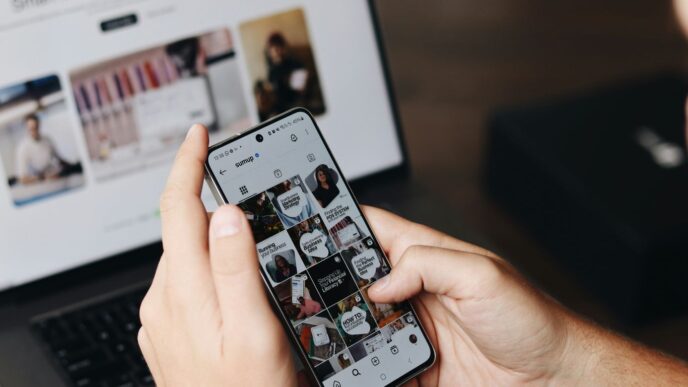
And let’s not forget social media. These platforms have become way more than just places to chat with friends. They’re now major hubs for discovering new shows, movies, music, and even brands. Algorithms on these sites learn what you like and suggest more of it, creating personalized feeds. This constant stream of content, often shared by creators and influencers, makes discovery feel natural and integrated into our daily scrolling. It’s a constant flow of new things to check out.
Mergers, Acquisitions, and Market Share

It feels like every other week there’s a big announcement about a media company buying another one, or two giants deciding to join forces. This isn’t just about getting bigger; it’s a survival tactic in a world where how we watch and what we watch is changing so fast. Think about it: companies that used to just make TV shows or movies now have to worry about tech companies and streaming services. So, they’re buying up smaller players, or merging with rivals, to get more content, more technology, and more subscribers all at once.
Consolidation in the Entertainment Industry
The entertainment world has seen some pretty massive deals lately. We’re talking about huge content libraries suddenly belonging to the same parent company. It’s like a giant game of corporate chess, with players trying to grab the best pieces to control the board. This consolidation means fewer, but bigger, companies are calling the shots.
- Warner Bros. Discovery formed from the merger of WarnerMedia and Discovery, bringing together everything from HBO and CNN to HGTV and the Food Network.
- Disney took full control of Hulu, adding to its already massive portfolio that includes Marvel, Star Wars, and Pixar.
- Netflix, known for streaming, even bought an animation studio, Animal Logic, to boost its original content production.
These moves aren’t just about owning popular shows; they’re about owning the technology and the distribution channels to get that content to viewers.
Implications for Advertisers and Brands
For advertisers, this shake-up means a lot. When companies merge, their advertising opportunities change. A single deal can suddenly give advertisers access to a much wider audience across different platforms, or it could mean fewer options if a competitor gets bought out. The key takeaway is that brands need to be flexible and understand who owns what content and where it’s available.
Here’s what brands are dealing with:
- Audience Fragmentation: While big companies are consolidating, viewers are still spread across many different services and platforms. It’s harder to reach everyone with one ad buy.
- Data Integration Challenges: Merging companies often means merging different data systems. Advertisers need to make sure they can still get good data to target their ads effectively.
- New Partnership Opportunities: Sometimes, these mergers create chances for brands to partner with a larger, more diverse media entity, potentially reaching new customer segments.
Strategies for Competing in the New Landscape
So, how do companies, big or small, stay relevant when the ground is constantly shifting? It’s all about being smart and adaptable. Companies need to figure out what makes them unique and how they can stand out.
- Focus on Unique Content: Instead of trying to own everything, some companies are doubling down on creating really specific, high-quality content that can’t be found anywhere else.
- Embrace New Tech: Using new advertising technology and AI can help companies understand audiences better and make their ads more effective, even with all the changes.
- Build Direct Relationships: Creating direct connections with consumers, perhaps through owned apps or communities, can give companies more control and valuable insights, regardless of who buys whom.
The Evolving Role of Social Content Creators
Authentic Audience Engagement
Social media creators have built their followings by being real with their audiences. They share their lives, their thoughts, and their genuine reactions to things. This kind of honesty is something people crave, especially when they’re bombarded with polished, often impersonal advertising. Studios and brands are starting to see that working with these creators can bring a level of authenticity to their marketing that’s hard to achieve otherwise. It’s not just about getting a shout-out; it’s about tapping into a trusted voice that already connects with a specific group of people. This can lead to more meaningful interactions and build stronger connections between the audience and the content or product being promoted.
Unlocking Virality and Shaping Culture
These creators are masters of the internet’s current trends and how to make things spread. They know what makes people click, share, and talk. Their ability to tap into what’s trending and create content that gets noticed is a huge asset. Think about how many movies or shows have gotten a big boost from a viral TikTok trend or a series of popular YouTube reviews. Creators can take a piece of entertainment and reframe it in a way that feels fresh and relevant to their followers, sometimes even sparking new conversations or interpretations that shape how a larger audience perceives it. It’s like they have a finger on the pulse of what’s cool, and they can translate that into buzz for a studio’s latest project.
Advocates for Studio Creativity
When creators genuinely connect with a story, a character, or the overall vision of a project, they become powerful advocates. They can explain complex themes in simple terms, highlight unique aspects of the production, or simply share their personal excitement. This enthusiasm is contagious. Instead of just seeing ads, audiences get recommendations from people they feel they know. This can help studios get their creative work in front of more eyes and build a positive reputation. It’s a shift from traditional promotion to a more organic form of word-of-mouth, amplified by the massive reach these creators command.
New Models for Content Monetization
The Shift from Pay TV to Streaming
The old way of doing things, with cable bundles and set schedules, just isn’t cutting it anymore. People are cutting the cord in droves, tired of paying for channels they never watch. Streaming services popped up to fill that gap, offering more choice and flexibility. But now, even streaming is getting crowded and expensive. Consumers are starting to question if all those monthly subscriptions are really worth it, leading to what some call ‘cancel culture’ where people jump between services based on what’s hot or what’s on sale. It’s a real shake-up for media companies that used to rely on those steady pay TV checks.
Ad-Supported Streaming Services
So, what’s the answer to the rising cost of streaming? Many services are now bringing back ads, just like good old television. Netflix, a big player that once swore off ads, has introduced a cheaper tier with commercials. Other platforms like Hulu have been doing this for a while and are pulling in serious money from advertisers. This shift means brands can now reach audiences directly on the platforms where people are actually spending their time watching shows and movies. It’s a win-win: consumers get a lower price, and companies get a new way to make money and connect with viewers.
Bundling and Aggregation Strategies
With so many streaming options out there, it’s getting hard for consumers to keep track and manage all their subscriptions. This is where bundling comes in. Companies are starting to group different services together, sometimes with other entertainment or even internet packages, to offer a better deal. Think of it like getting a discount for buying more at once. Aggregation platforms are also popping up, acting like a central hub where you can access multiple streaming services from one place. This makes it easier for people to find what they want to watch without jumping between a dozen different apps, and it can help keep consumers from canceling everything when one service gets too pricey.
Here’s a look at how ad spending is shifting:
| Platform Type | Estimated Ad Spending (2025) | Growth (YoY) |
|---|---|---|
| Social Video Platforms | $150 Billion | 15% |
| Ad-Supported Streaming | $50 Billion | 25% |
| Connected TV (CTV) | $30 Billion | 20% |
Source: Industry estimates, January 2026
This shows that advertisers are definitely following the eyeballs, and streaming with ads is becoming a major channel. It’s all about finding the right place to put your message where people are actually paying attention.
Future Outlook for Advertising and Entertainment
The media world isn’t slowing down, not one bit. It feels like just yesterday we were all glued to our TVs at specific times, and now? Well, things are way different. We’re seeing a big shift, and honestly, it’s a bit of a scramble for everyone involved, from the big studios to the advertisers trying to get our attention. The biggest challenge is figuring out how to keep up when everything is changing so fast.
Think about it. Traditional TV packages are losing ground to streaming, and even streaming services are feeling the pinch. People are getting pickier about what they pay for, leading to more subscription juggling. This means companies need to get smarter about how they make and sell content. They’re looking at things like:
- Finding new ways to make money: This could mean more ad-supported streaming options or bundling services together to offer more value.
- Using tech to their advantage: Things like AI are becoming super important for everything from making content cheaper and faster to figuring out who to show ads to.
- Working with social media: Platforms like TikTok and Instagram are where people discover new shows and movies, so advertising and marketing efforts have to be there too.
It’s not just about making a good show anymore. It’s about how you get it in front of people, how you keep them watching, and how you make money doing it. The lines between creating content and advertising it are blurring more and more, and that’s going to keep happening. Companies that can adapt to this new reality, embrace new technologies, and really understand what audiences want are the ones that will likely stick around and do well.
The Road Ahead
So, what does all this mean for the future? It’s pretty clear that the lines between making stuff to watch and selling stuff are getting blurrier by the day. Companies are having to get really smart about how they reach people, using everything from social media buzz to new tech to make their content and ads work together. It’s not just about making a great show or movie anymore; it’s about how you get it in front of the right eyes, and how you make that experience work for both viewers and advertisers. Expect more mixing and matching, more tech, and definitely more changes as everyone tries to keep up. It’s a wild ride, but honestly, it’s kind of exciting to see what comes next.
Frequently Asked Questions
Why are ads and entertainment coming together?
It’s happening because people watch content in so many different places now, like on their phones and computers, not just on TV. Companies are trying to find new ways to reach viewers and make money by mixing ads with the shows and movies people love.
How is technology changing how ads and entertainment work together?
New tech like Artificial Intelligence (AI) helps companies show ads to the right people and create content faster and cheaper. Things like virtual reality and AI tools that can create images and text also help make content more accessible and engaging for everyone.
What are social media platforms doing in this mix?
Social media sites are super important for telling people about new shows and movies. They are where people discover what’s popular and get excited about it. So, companies are focusing their advertising and promotion efforts on these platforms.
Are social media creators important for this trend?
Yes, definitely! People who create content on social media are very good at connecting with audiences in a real way. They can help spread the word about shows and movies, make them go viral, and even influence what people think is cool.
Why are big companies buying other companies in the entertainment world?
Companies are buying each other to get more popular shows and movies and to get more viewers. They want to have the best content to compete in the crowded market of streaming services and other entertainment options.
What does this mean for how we watch TV and movies in the future?
The way we watch is changing a lot. Instead of just cable TV, we have many streaming choices. Companies are trying to offer bundles of services and add ads to make things more affordable and keep viewers interested in this fast-changing world.