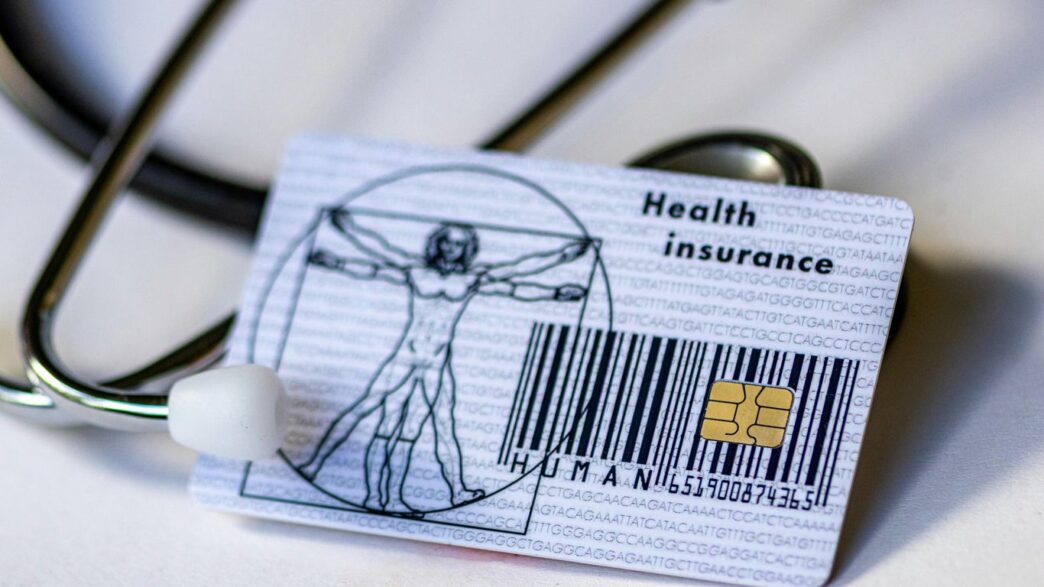
The world of health insurance is changing, and fast. It’s not just about paperwork and waiting for approvals anymore. Technology is stepping in, making things smoother, smarter, and more focused on keeping people healthy. From how insurance companies work behind the scenes to how we interact with our own health, technology and health insurance are becoming deeply connected, leading to some big shifts.
Key Takeaways
- Technology is moving health insurance from old-fashioned paper systems to smart, data-driven operations, using tools like AI to make better decisions.
- Expect more personalized insurance plans and easier ways to manage your coverage online, all aimed at making customers happier.
- The focus is shifting to keeping people well before they get sick, with things like smart watches and apps helping monitor health and prevent problems.
- New technologies like blockchain are being used to keep health information safe and make sure pricing is clear for everyone.
- Insurance models are changing to reward good health outcomes rather than just paying for services, with technology playing a big role in this shift.
The Digital Transformation of Health Insurance
It feels like just yesterday that getting health insurance involved stacks of paper and a lot of waiting. Now, things are changing fast. We’re seeing a big shift from those old, manual ways to something much smarter and more connected. This digital transformation is really changing how insurance companies work and how we interact with them.
From Manual Processes to Data-Driven Solutions
Think back to how insurance used to be. It was all about filling out forms, sending them in, and then waiting for someone to look them over. They’d use basic information to figure out your policy. It worked, but it wasn’t exactly quick or super precise. Now, insurers are using all sorts of data to make things better. They can look at trends, understand risks more clearly, and create plans that actually fit people better. It’s less about guesswork and more about using facts to get things right.
Leveraging Advanced Analytics and AI
This is where things get really interesting. Companies are using advanced computer programs, like artificial intelligence (AI), to sort through huge amounts of information. This helps them do a few key things:
- Better Risk Assessment: AI can spot patterns in health data that humans might miss, leading to more accurate predictions about potential health issues.
- Fraud Detection: By analyzing claims and member data, AI can flag suspicious activity much faster than manual checks.
- Personalized Recommendations: Based on your health history and needs, AI can help suggest the most suitable plans or wellness programs.
It’s like having a super-smart assistant that can process information at lightning speed, making the whole system more efficient and fair.
The Role of Cloud Computing in Modern Insurance
Underneath all these new digital tools is something called cloud computing. Instead of keeping all their data on local computers, insurance companies are storing and processing information on remote servers. This has a few big advantages:
- Scalability: They can easily increase or decrease their computing power as needed, which is great for handling busy periods or new services.
- Accessibility: Authorized staff can access information from anywhere, which helps with remote work and faster decision-making.
- Cost-Effectiveness: It often reduces the need for expensive in-house hardware and maintenance.
Basically, the cloud provides a flexible and secure foundation that allows all these digital advancements to happen smoothly.
Enhancing Customer Experience Through Technology
It feels like just yesterday we were filling out paper forms and waiting on hold for ages to sort out our health insurance. Now? Things are changing, and fast. People expect more, and honestly, they deserve it. We’re talking about making the whole process smoother, more personal, and way less of a headache.
Personalized Plans and Tailored Services
Think about it: not everyone’s health needs are the same. Why should our insurance plans be a one-size-fits-all deal? Insurers are starting to get this. They’re using data, not just for crunching numbers, but to actually understand what you need. This means plans that might cover that yoga class you love, or offer better support for managing a chronic condition you have. It’s about moving away from generic policies to something that feels like it was made just for you. This shift towards individual needs is a big deal for making people feel truly looked after.
Seamless Digital Platforms and Self-Service Options
Nobody wants to spend hours on the phone. The good news is, you probably won’t have to. Most insurance companies are building better websites and apps. You can check your coverage, find a doctor, submit a claim, or even see how much you’ve paid towards your deductible, all from your phone or computer. It’s about giving you the power to manage your insurance on your own time, without needing to talk to someone every single step of the way. This kind of easy access makes a huge difference in how people feel about their insurance provider.
Improving Customer Satisfaction with Real-Time Feedback
How do companies know if they’re doing a good job? They ask! And now, they’re asking more often and in smarter ways. After you interact with customer service, or use a new feature on their app, you might get a quick survey. This isn’t just busywork; it’s how insurers can spot problems quickly and make things better. If lots of people are confused about a certain part of their plan, the company can fix it. This constant loop of feedback helps them improve services and make sure you’re actually happy with the support you’re getting.
The Rise of Preventive Care and Proactive Health
It feels like just yesterday insurance was all about paying for things after they went wrong. Now, things are really shifting. We’re seeing a big move towards stopping problems before they even start. This isn’t just a nice idea; it’s becoming a core part of how health insurance works.
IoT Devices and Continuous Health Monitoring
Think about those smartwatches and fitness trackers everyone seems to have. They’re not just for counting steps anymore. These gadgets, often called the Internet of Things (IoT) devices, can keep an eye on things like heart rate, sleep patterns, and even blood oxygen levels. This constant stream of personal health data gives us a much clearer picture of our well-being than a yearly check-up ever could. Insurers are starting to see the value here. By getting this information (with your permission, of course), they can spot potential issues early. Imagine if a tracker notices your heart rhythm is a bit off consistently. That’s a signal to talk to a doctor sooner, potentially avoiding a more serious health event down the line. It’s like having a personal health assistant that never sleeps.
Predictive Analytics for Risk Management
Beyond individual devices, insurance companies are using big data and smart computer programs to look at larger trends. They can analyze information from lots of people to figure out who might be more likely to develop certain health problems. This isn’t about singling people out, but about understanding risks across different groups. For example, if data shows a particular zip code has a higher rate of diabetes due to lifestyle factors, an insurer might offer more targeted wellness programs in that area. It’s about being smart with resources and helping people where they need it most. This proactive approach aims to reduce the number of people who end up needing expensive treatments later.
Reimbursement for Wellness Programs and Wearables
So, how do insurers encourage this shift to prevention? One way is by actually paying for it. Many plans now offer discounts or rewards for using fitness trackers and participating in wellness activities. You might get a lower premium for hitting a certain number of steps each week or for completing a smoking cessation program. Some companies are even offering direct reimbursements for gym memberships or healthy meal kits. It’s a way to make healthy choices more affordable and accessible. This also helps insurers because when people are healthier, they tend to use fewer medical services, which can lower overall healthcare costs for everyone.
Innovations in Data Security and Transparency
Blockchain for Secure Data Sharing
Keeping health information safe is a big deal, right? It feels like every other day you hear about some company getting hacked. Health insurance companies are sitting on a mountain of really personal data, so they’ve got to be extra careful. One cool technology that’s starting to get attention for this is blockchain. Think of it like a super secure digital ledger where information is recorded in blocks, and once a block is added, it’s really hard to change or delete. This makes it great for tracking who accessed what information and when, making things more transparent and secure. It can help make sure that claims are processed correctly and that patient data is shared only with the right people. It’s not just about keeping bad guys out; it’s also about making sure the information is accurate and hasn’t been messed with.
Ensuring Price Transparency for Members
Have you ever gotten a medical bill and just stared at it, completely confused about how they got to that number? Yeah, me too. It’s a common frustration. For a long time, figuring out what a procedure would actually cost was like trying to solve a puzzle with missing pieces. But things are changing. New rules are pushing insurance companies to be more open about prices. This means you can actually shop around and compare costs before you get a service, which is a huge step. Knowing the price upfront helps you make smarter choices about your healthcare and your budget. It also puts a little pressure on providers to be more competitive. It’s still a work in progress, but having this information readily available is a game-changer for members.
Robust Cybersecurity Infrastructure
Beyond fancy new tech like blockchain, the basics of keeping data safe are still super important. Insurance companies are investing a lot in what you might call their digital security guards. This includes things like:
- Stronger passwords and multi-factor authentication: Making it harder for unauthorized people to get into accounts.
- Regular security updates and patches: Like giving your computer software a check-up to fix any weak spots.
- Employee training: Teaching everyone who works there about the risks of phishing emails and how to spot suspicious activity.
- Advanced threat detection: Using smart software that can spot unusual patterns that might mean someone is trying to break in.
It’s a constant battle, and these companies have to stay one step ahead of the people trying to steal information. They’re also working hard to meet all the government rules about protecting your health data, which is no small feat.
Evolving Business Models and Value-Based Care
Shifting from Fee-for-Service to Outcomes
The old way of doing things in health insurance, where companies just paid for each service a doctor or hospital provided, is really starting to feel outdated. It often led to more tests and treatments, not necessarily better health for people. Now, there’s a big push towards what’s called value-based care. This means insurance companies are looking more at the actual health results people get, rather than just how many bills they pay. The goal is to reward providers for keeping people healthy and managing chronic conditions effectively. It’s a complex change, requiring insurers to rethink how they track success and how they pay for care. Instead of just processing claims, they’re becoming more involved in managing patient health pathways.
Integrating Technology for Strategic Enablement
To make this shift to value-based care work, technology isn’t just a nice-to-have; it’s becoming a core part of how insurance companies operate. Think of it like this: IT departments used to just keep the lights on, fixing computers and managing databases. Now, they’re central to figuring out how to actually improve care. This involves using data to spot trends, identify patients who might need extra help, and even predict potential health issues before they become serious. It’s about making technology a tool that helps the business make smarter decisions and offer more personalized support to members.
Here’s a look at how technology is helping:
- Data Analytics: Sifting through vast amounts of health data to understand what treatments work best and for whom.
- Care Management Platforms: Tools that help coordinate care between different doctors and specialists, especially for people with ongoing health problems.
- Patient Portals: Digital spaces where members can access their health information, schedule appointments, and communicate with their care teams.
Addressing Healthcare Inequities
As insurance models change, there’s also a growing focus on making sure everyone has a fair shot at good health. This means looking at how different groups of people access care and what barriers they face. Technology can play a role here too, by helping to identify underserved communities and tailor outreach programs. It’s about using data to understand where the gaps are and then working to close them, whether that’s through better plan designs, partnerships with community health centers, or providing resources in multiple languages. The aim is to move towards a system where health outcomes aren’t so dependent on where you live or your background.
The Future of Health Insurance: Key Trends

So, what’s next for health insurance? It feels like things are changing pretty fast, doesn’t it? We’re seeing a big push towards making things more personal and, honestly, more about keeping people healthy before they get sick. It’s not just about paying bills anymore; it’s about a whole new way of looking at health.
Precision Medicine and Genomic Insights
This is a pretty big one. Think about it: instead of a one-size-fits-all approach, insurance plans could actually be tailored to your specific genetic makeup. Doctors and insurers can look at your DNA to figure out what health issues you might be more prone to. This means they can suggest the right check-ups or treatments for you, potentially catching problems early and saving a lot of money and hassle down the road. It’s like having a health roadmap designed just for you.
Expanded Coverage Models
We’re also seeing insurance companies get creative with how and where you get care. With healthcare systems often stretched thin, insurers are looking at ways to make things more accessible. This includes things like:
- Virtual Care: Getting advice or even treatment from a doctor over video calls.
- Home-Based Services: Some treatments or monitoring can happen right in your own home.
- Specialty Care Access: Finding ways to connect people with specialists, even if they’re not nearby.
The goal here is to make sure people can get the care they need, when they need it, without all the usual roadblocks. It’s about flexibility and meeting people where they are.
The Impact of Technology on Healthcare Delivery
Technology is really the engine driving a lot of these changes. We’re talking about more than just apps; it’s about how technology changes the actual experience of getting and managing healthcare. For example, wearable devices are becoming more common. Insurers might even start rewarding you for using them to track your activity or sleep. This shift encourages a more proactive approach to health, moving away from just reacting to illness. It’s about using data from these devices to help people make better choices and for insurers to understand health risks more clearly. It’s a big change from how things used to be done.
Looking Ahead
So, where does all this leave us? It’s pretty clear that health insurance isn’t just about paying bills anymore. Technology has really shaken things up, pushing companies to think differently. We’re seeing a big shift towards keeping people healthy before they get sick, using all sorts of new tools from smartwatches to fancy data analysis. Plus, everyone wants things to be easier and more personalized, which is a tall order. It’s going to be a bumpy ride as companies figure out how to use all this tech, keep costs down, and actually make healthcare better for everyone. But one thing’s for sure: the way we get health insurance is changing, and it’s happening fast.