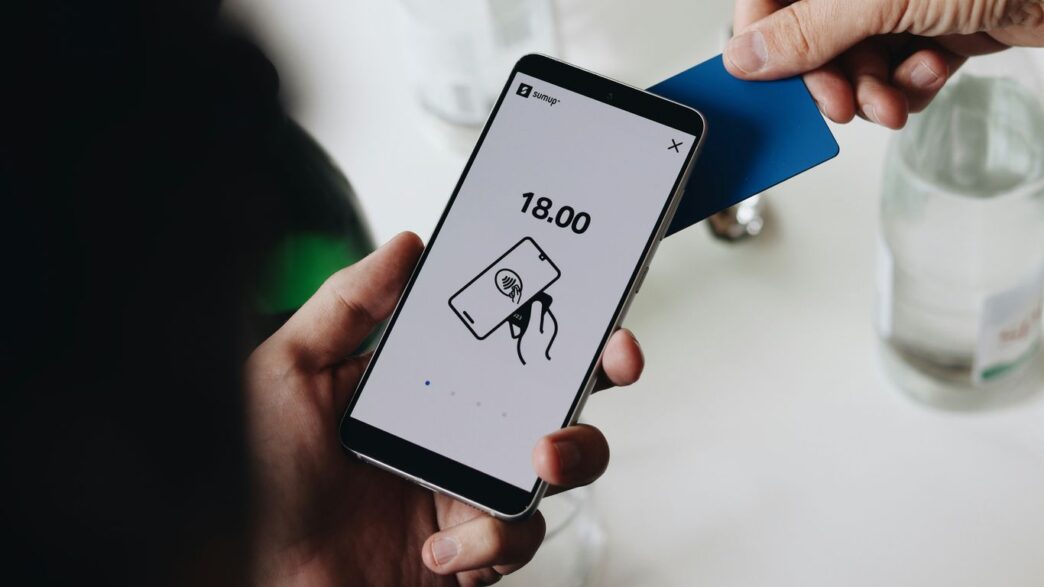
The way we handle money on our phones is changing, and fast. For mobile payments technology companies, keeping up means more than just updating an app. By 2026, what’s expected will be totally different. Think less about clicking buttons and more about payments just happening. It’s a big shift, and businesses need to pay attention if they want to keep customers happy and stay ahead.
Key Takeaways
- Checkout is getting simpler, almost invisible, with one-click buys becoming the standard as people expect faster transactions.
- Alternative payment methods, like digital wallets and buy-now-pay-later, are becoming more popular than traditional credit cards.
- Security is getting smarter, moving from just catching fraud to predicting it, and using network tokenisation is becoming a must-have.
- Payment orchestration platforms are replacing single gateways, offering better reliability and cost management for businesses.
- Data is becoming super important for companies, helping them understand customers better and make smarter business moves.
The Shifting Landscape of Mobile Payments Technology Companies
It feels like just yesterday we were all fumbling with our credit card numbers online, right? Well, buckle up, because things have changed. By 2026, the way we pay, especially on our phones, is almost unrecognizable from what we knew even a couple of years ago. Payment gateways aren’t just simple transaction handlers anymore; they’re becoming smart tools that can really make or break a business. If you’re running a small or medium-sized business, these shifts aren’t some far-off future – they’re happening now and you need to pay attention.
Invisible Checkout Becomes the Norm
Remember those long checkout forms? Yeah, they’re pretty much on their way out. People are used to shopping on their phones, and they expect things to be quick. Think one-click purchases, using your fingerprint or face to confirm, and having your payment details saved securely. By 2026, checkout times under 10 seconds are the standard, not some fancy extra. If your website still makes people fill out page after page of info, you’re probably losing customers before they even get to the ‘buy’ button.
Alternative Payment Methods Overtake Cards
It’s not just about Visa and Mastercard anymore. Digital wallets, ‘buy now, pay later’ options, and other alternative payment methods (APMs) are really taking off, especially in certain areas. Younger folks especially like having choices, and services like Klarna are making it super easy to split payments. Some reports even suggested that by 2025, around 70% of online payments would use APMs. So, if you’re only accepting cards, you’re likely missing out on a lot of potential sales.
AI-Powered Payment Routing Goes Mainstream
This is where things get really interesting. Artificial intelligence is now being used to figure out the best way to process your payments. Instead of just sending a transaction through the first available channel, AI looks at things like cost, speed, and success rates to pick the optimal path. This smart routing helps reduce fees and makes sure payments go through smoothly, which is a big deal for businesses trying to keep costs down and conversions up. It’s all about making the payment process as efficient as possible, and AI in payments is leading the charge.
Advancements in Mobile Payment Security and Infrastructure
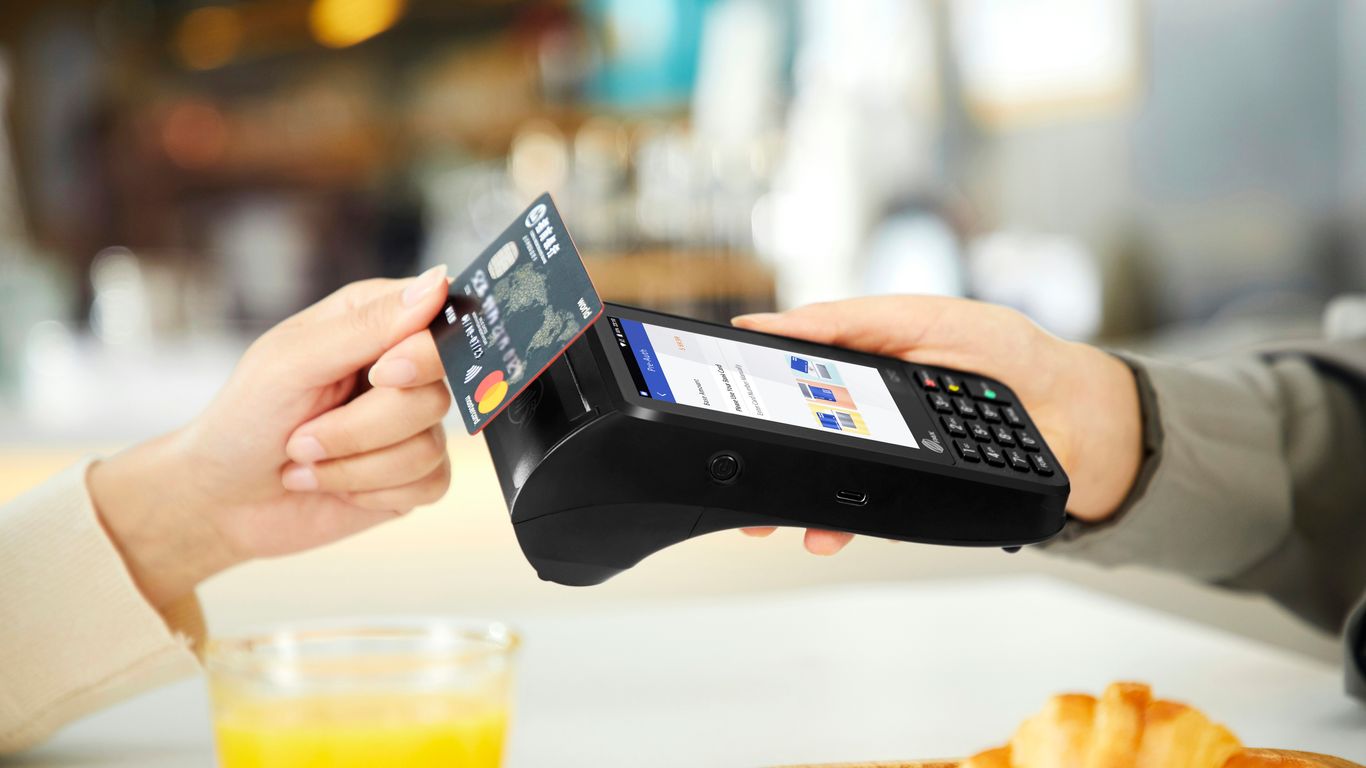
Things are getting pretty serious when it comes to keeping mobile payments safe and sound. It’s not just about stopping bad guys after they’ve already done something; it’s about getting ahead of them. We’re seeing some big changes here, and they’re pretty important for anyone using or offering these payment methods.
Network Tokenisation Becomes Essential
Remember when your card number was just out there? Well, that’s becoming a thing of the past. Network tokenisation is now a must-have, not a nice-to-have. Instead of using your actual card number (that’s the Primary Account Number, or PAN), transactions use a unique token. This makes things much safer, especially for online and recurring payments. Visa even says that using tokenisation can boost authorization rates by over 3% for card-not-present transactions. For businesses that rely on subscriptions, this is a huge deal because it helps keep those payments going smoothly, even if a card expires or gets updated. By 2026, if you’re not using tokens for recurring payments, expect more of them to get declined.
Fraud Prevention Shifts from Detection to Prediction
This is a pretty big shift. We’re moving away from just trying to catch fraud after it happens. Now, the focus is on stopping it before it even starts. Think advanced AI, looking at how people actually use their devices (behavioral biometrics), and sharing data across companies. This means suspicious orders can be flagged and stopped right away, often before the customer even knows something was up. The good news is that this also means fewer legitimate customers get blocked by mistake – we’re talking false positive rates dropping below 1%. It’s all about making smart, real-time decisions about risk without slowing down the checkout for regular folks.
Payment Orchestration Platforms Replace Single Gateways
Relying on just one payment processor is starting to look like a risky move. What happens if that one system goes down? Payment orchestration platforms are changing that. They let businesses work with multiple payment providers at once. This means better uptime – we’re talking 99.99% – and the ability to route payments in ways that save money and work best in different regions. For finance folks in 2026, having a single point of failure in their payment setup just won’t cut it anymore. They need that reliability and flexibility that these platforms offer.
Emerging Trends in Mobile Payment Integration
Things are really changing fast in how we pay for stuff using our phones. It’s not just about having an app anymore; payments are getting woven into everything we do online and even in the real world. Think about it – you’re browsing a site, and before you know it, you’ve paid without really thinking about it. That’s the direction things are heading.
Embedded Finance Blurs Industry Lines
This is a big one. Embedded finance means financial services, like payments, are built right into non-financial apps and websites. So, instead of going to a separate payment app or website, the payment happens right where you are. For example, you might be booking a trip on a travel site, and the payment option is just part of the booking process. Or maybe you’re buying something on social media, and you can pay without leaving the app. This makes paying feel like a natural part of the experience, not a separate step. It’s all about making things convenient for the customer.
Sustainable and Ethical Payment Options Emerge
People are starting to care more about where their money goes and how it’s used. This means we’re seeing more payment options that focus on being good for the planet or for society. Think about payments that support businesses with strong environmental policies or those that give a portion of their profits to charity. It’s still early days, but expect to see more choices that let you align your spending with your values.
Here’s a look at what this might involve:
- Eco-friendly transaction tracking: Apps that show you the carbon footprint of your purchases.
- Charitable giving integration: Options to round up your purchase price and donate the difference.
- Ethical brand verification: Payment systems that highlight or prioritize businesses with fair labor practices.
Account-to-Account Payments Gain Traction
We’re moving beyond just swiping cards or using digital wallets. Account-to-account (A2A) payments, where money moves directly from one bank account to another, are becoming more popular. This often happens through systems like the Faster Payments network or similar real-time payment rails. It can be quicker and sometimes cheaper than traditional methods, especially for larger transactions. It’s a bit like a digital bank transfer, but made much simpler for everyday use. This trend is especially noticeable in business-to-business transactions, but it’s slowly making its way into consumer payments too.
Leveraging Data for Competitive Advantage in Mobile Payments
It’s not just about processing payments anymore. In 2026, the real game-changer for mobile payment companies is how they use the data that flows through their systems. Think of it like this: every transaction, every interaction, is a little piece of information. When you put enough of those pieces together, you start to see patterns. And those patterns? They’re gold.
Real-Time Payment Data Becomes Competitive Intelligence
Gone are the days when payment data was just for accounting. Now, it’s a live feed of what customers want, when they want it, and how they want to pay for it. Companies that can analyze this information as it happens are way ahead of the curve. They can spot trends before anyone else, figure out what products are hot, and adjust their pricing on the fly. It’s like having a crystal ball for your business strategy.
For example, imagine a retailer noticing a sudden spike in mobile payments for outdoor gear in a specific region. They can immediately push targeted ads for camping equipment or adjust inventory levels in local stores. This kind of quick reaction, driven by real-time data, is what separates the leaders from the pack.
Here’s a quick look at how this data can be used:
- Predicting Demand: Spotting what items or services are about to become popular.
- Optimizing Marketing: Sending the right offers to the right people at the right time.
- Improving Product Development: Understanding what features customers actually use and want more of.
- Benchmarking Performance: Seeing how your payment volumes and trends stack up against the industry.
AI-Driven Personalization in Financial Services
This is where things get really interesting. Artificial intelligence is taking that payment data and turning it into something truly personal for each customer. Instead of generic offers, people are getting recommendations and services that feel like they were made just for them. It’s not just about making payments easier; it’s about making financial life simpler and smarter.
Think about getting a notification on your phone suggesting you might want to move some money into a savings account because your spending habits show you’ll have extra cash this month. Or maybe an app automatically suggests the best way to pay a bill based on your current budget. This level of tailored advice, powered by AI analyzing your payment history, builds a lot of trust and keeps customers coming back.
| Consumer Preference | Percentage of US Consumers | Notes |
|---|---|---|
| Trust AI for reminders | 59% | For bill payments, savings, and spending breakdowns. |
| Link all finances in one app | 57% | Desire for a unified financial view. |
| Seek financial education | 42% | Want programs to improve financial strength. |
| Want personalized insights | 33% | Looking for recommendations to manage money better. |
By understanding these preferences, companies can build services that people actually want and need, making mobile payments a much more integrated part of their daily lives.
The Future of Mobile Banking and Payments
So, what’s next for mobile banking and payments? It’s pretty clear things are going to get even more integrated into our daily lives. We’re talking about apps that don’t just let you check your balance, but actually help you manage your money like a personal advisor. Think about it: your phone already knows a lot about you, and banks are figuring out how to use that information, with your permission of course, to give you really specific tips and offers.
Hyper-Personalized, AI-Driven Experiences
Artificial intelligence is really going to be the engine behind this. Instead of generic notifications, you’ll get alerts that actually make sense for your spending habits. For example, your banking app might notice you’re spending more on coffee lately and suggest a budget adjustment or a loyalty program. It’s all about making the app work for you, not the other way around. This kind of personalization is what people are asking for. A recent survey showed that a big chunk of consumers, across all age groups, want their banks to offer more tailored experiences. And guess what? Most people are okay with their bank using their data to make that happen.
Here’s a quick look at what people want:
- More personalized interactions from their bank.
- Daily check-ins with their banking app or website.
- Higher levels of security in their mobile banking.
- Banks using their data to create better, customized experiences.
The Rise of Financial Super Apps
We’re also seeing the growth of what are called "super apps." These aren’t just for banking anymore. Imagine an app where you can do your banking, book a flight, order groceries, and chat with friends, all in one place. Some apps in Asia are already doing this, and companies like Revolut in Europe are adding more and more features beyond just traditional banking. The idea is to become so useful that you can’t imagine your day without it. This makes it easier for you to manage everything and keeps you coming back to that one app.
Mobile-First Distribution Models
Banks are realizing that if they want to connect with customers, they have to lead with mobile. It’s not just an option anymore; it’s the main way people interact with their finances. This shift means that banks are designing their services and customer support around the mobile experience first. It’s not just about convenience; studies show that banks that really focus on mobile-first strategies see better customer engagement and even higher deposit balances. It just makes sense – more people are using smartphones than ever before, and they expect their banking to be just as accessible and easy to use.
Looking Ahead
So, what does all this mean for the future? It’s pretty clear that the way we handle payments, especially on our phones, is changing fast. By 2026, things like one-click checkouts and using digital wallets instead of cards will be totally normal. Plus, companies are getting smarter with AI to stop fraud before it even happens and make sure your payments go through smoothly. It’s not just about moving money anymore; it’s about making the whole process easier, safer, and even a bit more personalized for everyone. Keeping up with these changes isn’t just a good idea, it’s pretty much a must if businesses want to stay competitive.
Frequently Asked Questions
What does ‘invisible checkout’ mean for online shopping?
Invisible checkout means buying things online without having to fill out long forms. It uses things like saved payment details and quick security checks so you can pay with just one click. By 2026, stores that still make you type a lot will lose customers.
Are people still using credit cards to pay online?
Many people are using other ways to pay, like digital wallets (think Apple Pay or Google Pay) and ‘Buy Now, Pay Later’ services. These other payment methods are becoming more popular than cards, especially for younger shoppers.
What is ‘payment orchestration’?
Instead of using just one company to handle payments, payment orchestration uses a smart system that can work with many different payment services. This helps make sure payments go through smoothly, even if one service has a problem, and can also save money.
How is fraud protection changing?
Instead of just catching fraud after it happens, new technology uses smart computer programs (AI) to guess if a payment might be fake *before* it goes through. This stops bad guys from stealing money without slowing down real customers.
What does ’embedded finance’ mean?
Embedded finance is when payment and financial services, like loans or digital wallets, are built right into the apps and websites you already use. This means you can buy something, get a loan for it, and pay for it all in one place without going to a separate bank app.
What are ‘account-to-account’ payments?
This is when money goes directly from one bank account to another, often through online banking apps. It’s becoming a popular choice because it can be cheaper and faster than using credit cards, especially for bigger purchases.