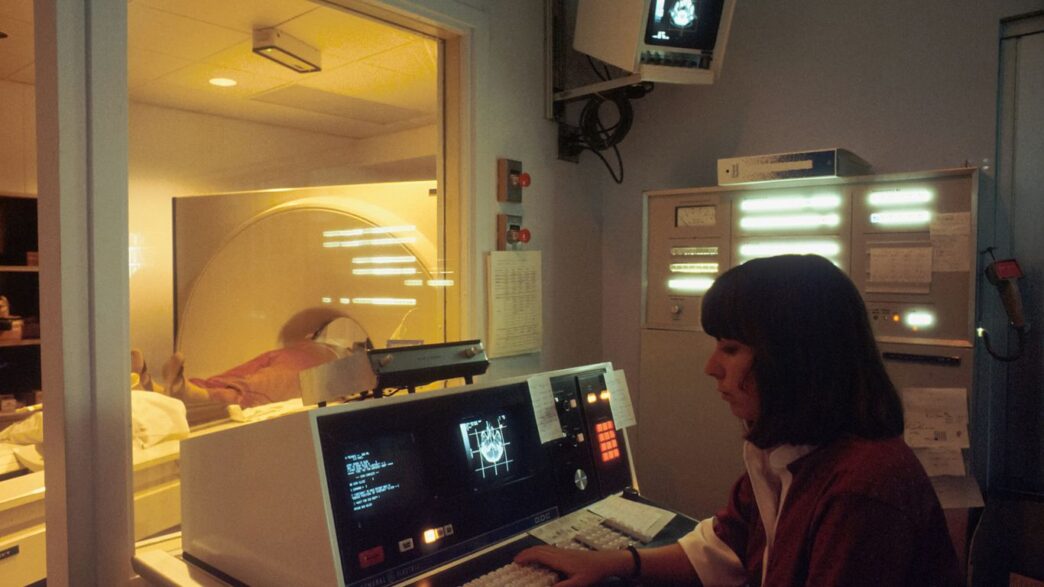
It feels like every day there’s some new gadget or software promising to fix healthcare. From computers helping doctors figure out what’s wrong to fancy apps that track your steps, the way we handle health is changing fast. This isn’t just about new tools; it’s about how computer and healthcare work together to make things better, faster, and maybe even a little less stressful for everyone involved. Let’s look at what’s happening now and what might be around the corner.
Key Takeaways
- New tech like AI and the Internet of Things is already changing how doctors and patients interact, making things more real-time and data-driven.
- These computer and healthcare advancements are helping patients get better care, making hospitals run smoother, and speeding up the search for new cures.
- Looking ahead, things like quantum computing and digital twins could lead to even more personalized treatments and quicker medical discoveries.
- Adopting new technology isn’t always easy, with big questions around keeping data safe, making sure systems work together, and doing it all ethically.
- Healthcare workers need new skills to use these tools, and different teams need to work together more closely to make the most of these computer and healthcare innovations.
Transformative Technologies in Modern Healthcare
Healthcare is changing fast, and a lot of that has to do with new tech. It’s not just about fancy gadgets; these tools are actually making a difference in how we get care and how doctors work. We’re seeing a big shift towards smarter, more connected ways of managing health.
The Rise of Artificial Intelligence and Machine Learning
Artificial Intelligence (AI) and Machine Learning (ML) are pretty much everywhere now, and healthcare is no exception. Think of AI as the brain that can do tasks humans used to do, and ML is a part of that, specifically teaching computers to learn from data without being explicitly programmed for every single step. This means computers can process huge amounts of patient information way faster than any person could. They can spot patterns that might signal a disease outbreak or help figure out the best treatment plan for someone based on similar cases. It’s all about making care more precise and efficient. For example, AI can help predict when a hospital might get busy, so they can get more staff ready. It’s also being used to help find new drugs, which is a huge deal for medical research.
Internet of Things for Real-Time Monitoring
The Internet of Things (IoT) in healthcare means connecting devices – like wearables, monitors, and even hospital equipment – to the internet. This allows for constant, real-time tracking of things like heart rate, blood pressure, or glucose levels. Imagine a smartwatch that not only tells time but also alerts your doctor if your heart rhythm looks off. This constant stream of data gives healthcare providers a much clearer picture of a patient’s health between visits. It’s especially useful for people with chronic conditions, allowing for quicker adjustments to treatment and potentially preventing serious issues before they happen. This kind of remote patient monitoring is becoming more common, especially after we saw how useful it was during the pandemic.
Blockchain for Secure Data Management
When we talk about patient data, security is a massive concern. Blockchain technology offers a way to manage health records that’s really secure and transparent. It works by creating a decentralized, unchangeable record of information. This means that once data is added, it’s incredibly difficult to alter or hack. For patients, this means more control over who sees their medical history. For healthcare systems, it means better protection against data breaches and easier compliance with privacy rules like HIPAA. It’s like a digital ledger that keeps everything honest and safe.
Edge Computing for Faster Analytics
Edge computing is a bit of a technical term, but the idea is simple: instead of sending all data to a central server far away for processing, we do some of the processing closer to where the data is created. In healthcare, this could mean analyzing patient data right there in the hospital or even on a medical device. Why is this important? Speed. In critical situations, like during surgery or an emergency, getting analysis results in milliseconds can make a huge difference. It reduces delays and allows for quicker decisions. This is particularly useful for things like real-time diagnostics or monitoring patients who need immediate attention.
Impact of Computer and Healthcare Innovations
It’s pretty wild how much computers have changed things in healthcare, right? It feels like just yesterday we were dealing with stacks of paper charts, and now we’ve got all this fancy tech. These new tools aren’t just for show; they’re actually making a big difference in how we get care and how the whole system runs.
Enhancing Patient Care and Outcomes
One of the biggest wins is how technology is helping doctors and nurses take better care of us. Think about it: with electronic health records, all your important medical info is in one place. This means less chance of mistakes and a clearer picture for whoever is treating you. Plus, things like remote monitoring devices can keep an eye on folks with long-term conditions right from their homes. This means problems can be spotted early, often before they get serious. This shift towards more connected and data-driven care is leading to better results for patients.
Here’s a quick look at some ways patient care is improving:
- Faster Diagnoses: AI can help analyze scans and test results quicker than ever, pointing doctors towards potential issues sooner.
- Personalized Treatments: By looking at huge amounts of data, doctors can start to figure out what treatments might work best for specific people, not just general groups.
- Remote Support: For people who can’t easily get to a clinic, telehealth and monitoring devices mean they still get regular check-ins and support.
Streamlining Healthcare Administration
It’s not just about the patients, though. The people running hospitals and clinics are seeing some serious benefits too. All that paperwork and scheduling can be a nightmare, but computers are helping to sort it out. AI can help manage appointments, predict how many patients might show up, and even keep track of supplies. This means less waste and more time for the staff to actually focus on patients instead of getting bogged down in admin tasks. Blockchain is also starting to pop up, offering a more secure way to handle sensitive patient data and administrative records, which is a big deal for privacy and trust.
Accelerating Medical Research and Discovery
And then there’s the research side of things. Scientists are now able to sift through massive amounts of health data that were impossible to manage before. This "big data" approach is helping them spot patterns, understand diseases better, and figure out new ways to treat them. Imagine being able to test out new drug ideas or treatment plans virtually before even trying them in the real world. That’s the kind of stuff computers are making possible, speeding up the whole process of finding new cures and therapies.
Emerging Technologies Shaping Future Healthcare
We’re seeing some pretty wild stuff on the horizon that could really change how we do healthcare. It’s not just about faster computers anymore; it’s about entirely new ways of thinking about health and medicine.
The Potential of Quantum Computing
Okay, so quantum computing sounds like something out of a sci-fi movie, right? But it’s actually a big deal for research. Think about it: these computers can tackle problems that are way too complex for even our best supercomputers today. This could mean speeding up the process of discovering new drugs or understanding our genes much, much faster. Imagine finding cures for diseases that have stumped us for years, or developing treatments tailored specifically to your unique genetic makeup. It’s still early days, but the possibilities are huge.
Advanced Biometrics in Patient Monitoring
Remember when biometrics were just about fingerprint scanners? Well, it’s gotten way more sophisticated. We’re talking about things like facial recognition and voice analysis being used to keep an eye on patients. This isn’t just for security, though that’s part of it. It can help monitor someone’s health in real-time, maybe detecting subtle changes that a person might miss. It could also make sure the right patient is getting the right care, which is pretty important.
Digital Twins for Personalized Medicine
This one’s pretty neat. A ‘digital twin’ is basically a virtual replica of a person, built from all sorts of health data. Doctors could use this digital model to test out different treatments or predict how a disease might progress before it actually happens in the real person. It’s like having a practice run for your health. This allows for truly personalized medicine, where treatments are designed just for you, based on your specific body and health profile. It’s a big step towards making healthcare much more precise and effective for everyone.
Challenges and Considerations in Technology Adoption
So, we’ve talked a lot about all the cool new tech coming into healthcare, right? It’s exciting stuff, but let’s be real, it’s not all smooth sailing. Bringing these advanced tools into hospitals and clinics comes with its own set of headaches.
Addressing Data Privacy and Cybersecurity
This is a big one. We’re talking about people’s most sensitive information – their health records. Keeping that data safe from hackers and unauthorized eyes is non-negotiable. It’s not just about following rules like HIPAA; it’s about trust. If patients don’t believe their information is secure, they’ll be hesitant to use these new digital tools, or worse, they might not share everything they should with their doctors. Think about it: would you want your medical history floating around on the dark web? Probably not. Plus, with AI and machine learning crunching all this data, we need to be super careful about how it’s used and who has access. We also need clear rules on getting permission from patients before their data is used, especially for things like training AI models. It’s a constant balancing act between using data to improve care and protecting individual privacy.
Navigating Logistical and Operational Hurdles
Getting new tech into a healthcare setting isn’t like buying a new phone. It’s complicated. You’ve got to think about how it fits with the old systems, which are often clunky and don’t talk to each other very well. Then there’s the training. Doctors and nurses are already busy; teaching them to use a whole new complex system takes time and resources. Sometimes, the tech itself is just not designed with the actual user in mind. You know, like those gadgets with a million buttons that nobody really needs? It can lead to mistakes, and then who gets blamed? Usually, it’s the person using it, not the complicated machine.
Here’s a quick look at some common issues:
- Interoperability: Getting different software and hardware systems to work together. It’s like trying to get a Mac and a PC to share files easily – sometimes it just doesn’t happen.
- Training and Usability: Making sure staff can actually use the new tools without a steep learning curve or making errors.
- Cost and ROI: Justifying the expense of new technology and proving it actually saves money or improves care in the long run.
Ensuring Sustainability and Ethical Integration
Beyond the immediate technical and security worries, we have to think long-term. Is this new technology something we can keep using and updating? Or is it a shiny new toy that will be obsolete in a couple of years? We also need to make sure that as we bring in these advanced tools, we’re not leaving anyone behind. The digital divide is real, and we don’t want to create a two-tiered healthcare system where only some people benefit from the latest innovations. Ethical questions also pop up constantly. For example, if an AI makes a diagnostic error, who is responsible? The developer? The hospital? The doctor who used the tool? These aren’t easy questions, and we need thoughtful answers to make sure technology serves everyone fairly and responsibly.
The Evolving Role of Healthcare Professionals
Empowering Clinicians with Advanced Tools
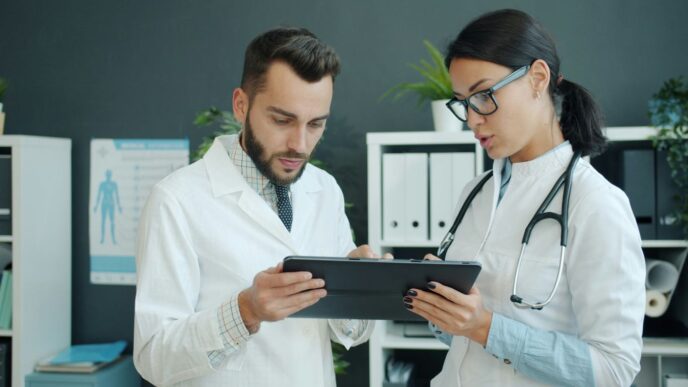
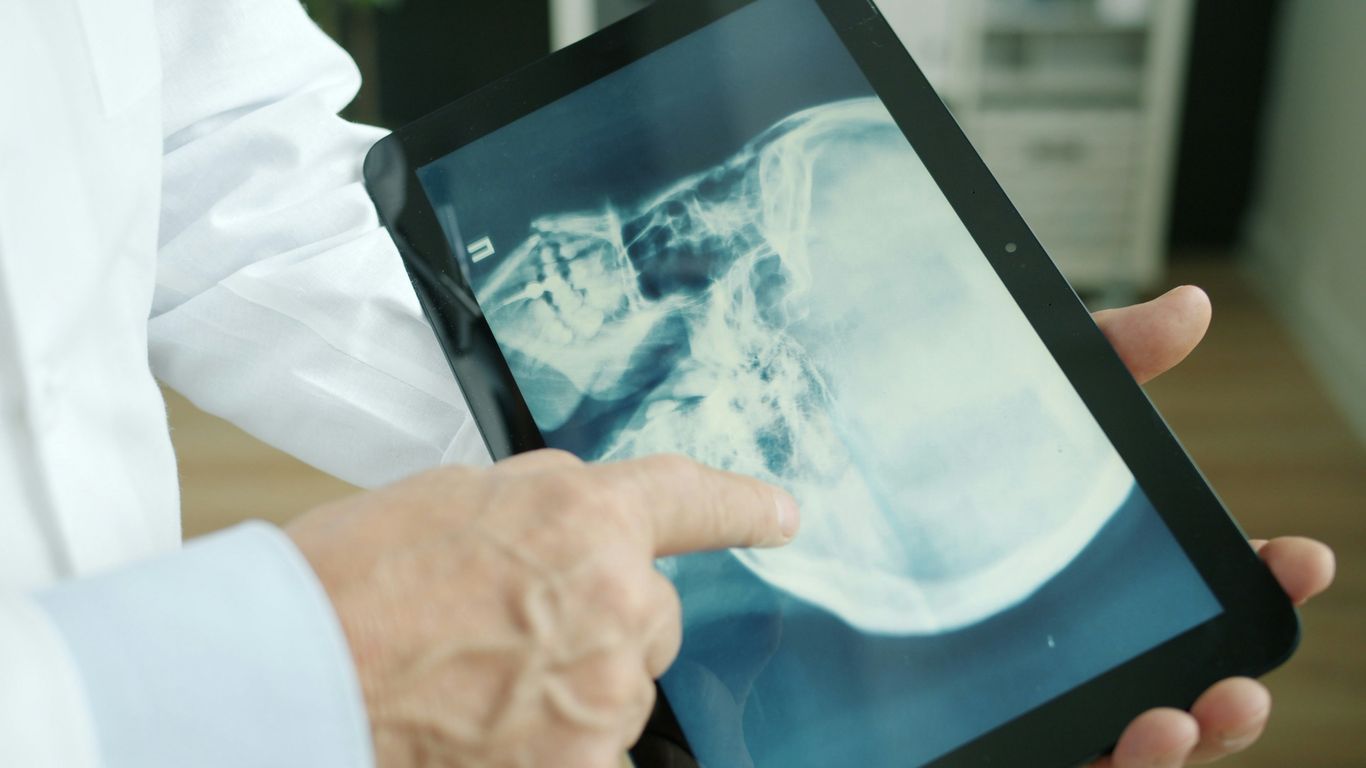
It’s pretty wild how much technology is changing what doctors and nurses do every day. Think about it – instead of just relying on what they see and feel, they now have tools that can look inside the body with amazing detail or predict if someone might get sick before it even happens. These new gadgets and software aren’t just fancy extras; they’re becoming part of the basic toolkit for giving good care.
For example, AI can help spot tiny signs of disease on scans that a human eye might miss. This means catching problems earlier, which usually leads to better results for patients. Robotic surgery is another big one. Surgeons can do really precise work with these machines, leading to quicker healing times. It’s not about replacing the human touch, but about giving healthcare workers better ways to do their jobs.
The Need for Specialized Technology Talent
So, with all these new tools, who’s going to use them and keep them running? That’s where things get interesting. We need people who really know their way around this tech. It’s not just about knowing how to click buttons; it’s about understanding the systems, making sure they’re secure, and knowing how to fix them when they glitch.
Here’s a quick look at some of the skills that are becoming super important:
- Data Analysts: Someone needs to make sense of all the health information being collected. They can find patterns that help doctors make better decisions.
- Cybersecurity Experts: Keeping patient data safe is a huge deal. These folks protect sensitive information from getting into the wrong hands.
- AI/Machine Learning Specialists: These are the brains behind the smart tools that help with diagnoses and treatment plans.
- Biomedical Engineers: They design, build, and maintain the actual medical devices and equipment.
It’s a whole new set of skills that weren’t really a big part of healthcare a generation ago.
Fostering Interdisciplinary Collaboration
This is maybe the most important part. You can have all the fancy tech in the world, but if the doctors, nurses, and the tech people aren’t talking to each other, it’s not going to work as well as it could. Imagine a programmer building a new app without really talking to the nurses who will use it every day. It probably won’t be very practical, right?
What we’re seeing is that the best results happen when these different groups work together from the start. The people who understand patient care need to be involved in designing the technology. And the tech folks need to understand the real-world challenges of a hospital or clinic. It’s about building bridges between different ways of thinking. This teamwork helps make sure the technology actually helps people and doesn’t just create more problems.
Wrapping It Up
So, looking ahead, it’s clear that computers and tech are totally changing how we do healthcare. We’ve seen how things like AI, IoT, and better data handling are making care smarter and more personal. But it’s not all smooth sailing. We still have to figure out how to keep patient information safe, make sure all these different systems can talk to each other, and deal with the costs. Plus, we need to remember that technology is a tool, and it’s the people – the doctors, nurses, and patients – who are still at the heart of it all. The future looks exciting, with even more advanced tech on the horizon, but we’ve got to be smart about how we bring it all together so it actually helps everyone.
Frequently Asked Questions
What are some cool new technologies changing healthcare?
Imagine using smart devices like watches to keep track of your health all the time, or computers that can learn and help doctors figure out what’s wrong faster. We’re also seeing ways to keep patient information super safe using special computer codes, and making computers work right where the action is for quick answers. It’s all about making healthcare smarter and more helpful.
How do computers help patients get better care?
Computers help in many ways! They can help doctors make better choices by looking at lots of information, make hospital tasks easier so doctors and nurses have more time for you, and even help scientists discover new medicines much faster. Think of it like giving healthcare superpowers!
What exciting new tech might be used in healthcare soon?
Get ready for some amazing stuff! Scientists are looking into super-powerful computers called quantum computers that could help solve really tough health puzzles. We might also see fancier ways to check who you are using your face or voice, and even digital copies of you to try out treatments before they’re used in real life. It’s like science fiction becoming real!
What are the tricky parts about using new tech in hospitals?
It’s not always easy. Keeping your health information private and safe from hackers is a big deal. Also, making sure all the different computer systems can talk to each other smoothly can be a headache. We need to make sure these new tools are used in a way that’s fair and good for everyone.
How will computers change the jobs of doctors and nurses?
Doctors and nurses will get awesome new tools to help them do their jobs even better. They’ll be able to use smart programs to help them make decisions and manage patient care. But, we’ll also need people who are really good with these new technologies, and everyone will need to work together more, mixing medical know-how with tech skills.
Is it true that technology is making healthcare more personalized?
Yes, that’s a big goal! By using computers to study lots of information about you and your health, doctors can start to create treatments that are just right for you. It’s like having a plan made specifically for your body, rather than a one-size-fits-all approach. This helps make treatments work better and reduces side effects.