The world of healthcare is changing, and a lot of that has to do with computers. It’s not just about having a computer in the doctor’s office anymore. We’re talking about how technology is making patient care better, how it’s making things run smoother behind the scenes, and what’s coming next. This shift, often called computer healthcare, is pretty significant. Think about getting advice from your doctor without leaving home, or how your medical records are now digital. It’s a big deal, and it’s making healthcare more personal and efficient. Let’s look at how all this is happening.
Key Takeaways
- Computer healthcare is making patient care more personal through things like AI for diagnosis and predictive analytics to spot health issues early.
- Wearable tech and remote monitoring let people keep a closer eye on their own health, giving them more control.
- Digital records and telemedicine are making healthcare more efficient and easier to access, especially for people in rural or underserved areas.
- New tools like AI and big data are helping researchers find new ways to treat diseases and understand health better.
- As computer healthcare grows, we need to think carefully about keeping patient information safe and making sure everyone can get to these new technologies.
Revolutionizing Patient Care Through Computer Healthcare
It feels like just yesterday we were talking about how computers were going to change everything, and now, in healthcare, they really have. We’re seeing a massive shift in how doctors and patients interact, and honestly, it’s pretty amazing. Think about it: instead of a one-size-fits-all approach, we’re moving towards care that’s tailored just for you. This isn’t science fiction anymore; it’s happening now.
Personalized Medicine and Predictive Analytics
This is where things get really interesting. Doctors can now look at your unique genetic makeup, lifestyle, and even environmental factors to figure out the best way to treat you, or even better, prevent you from getting sick in the first place. Predictive analytics uses all this data to spot potential health problems before they even show up. It’s like having a crystal ball for your health.
- Genomic sequencing: Understanding your DNA helps tailor treatments.
- Risk assessment: Identifying individuals at higher risk for certain diseases.
- Treatment optimization: Finding the most effective drugs and dosages for specific patients.
Empowering Patients with Wearable Technology
Remember when tracking your health meant a doctor’s visit? Now, you can do a lot of it yourself, right from your wrist. Smartwatches and other wearables collect data on your heart rate, sleep patterns, activity levels, and more. This information isn’t just for bragging about your step count; it gives you and your doctor real-time insights into your well-being. It means you can catch small issues early and make informed choices about your daily habits.
| Device Type | Data Collected |
|---|---|
| Smartwatch | Heart rate, activity, sleep, ECG |
| Fitness Tracker | Steps, calories burned, distance |
| Continuous Glucose Monitor | Blood sugar levels |
| Smart Scale | Weight, body fat percentage |
Advancements in Medical Imaging and Diagnostics
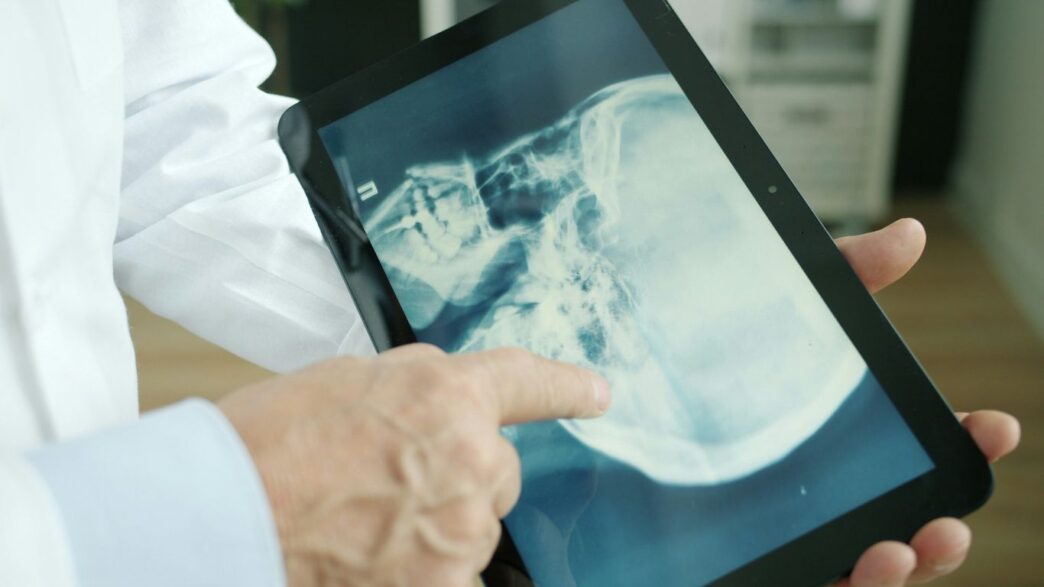
Getting a clear picture of what’s going on inside the body used to be a lot more invasive and less precise. Now, computer technology has made medical imaging incredibly sophisticated. Think about MRIs and CT scans that can detect tiny abnormalities, or AI that can help radiologists spot signs of disease faster and more accurately than ever before. This means quicker diagnoses and more effective treatment plans, which can make a huge difference in patient outcomes.
The Impact of Digital Transformation on Healthcare Delivery
It’s pretty wild how much computers and the internet have changed how we get medical help. Think about it: not too long ago, getting your medical records meant a trip to the doctor’s office, maybe waiting for them to be mailed. Now, it’s all digital. This shift has really shaken things up, making things smoother for everyone involved.
Enhancing Efficiency with Electronic Health Records
Remember those mountains of paper charts? They’re mostly gone now, replaced by Electronic Health Records (EHRs). This isn’t just about saving trees, though that’s a nice bonus. EHRs mean doctors and nurses can access your entire medical history – allergies, past illnesses, medications – in seconds. This quick access helps them make better decisions, faster. It also cuts down on errors, like accidentally prescribing something you’re allergic to. Plus, it makes it easier for different specialists to share information about your care, so everyone’s on the same page.
- Faster access to patient history: Doctors can see your medical background instantly.
- Reduced medical errors: Less chance of mistakes with allergies or drug interactions.
- Improved care coordination: Specialists can easily share notes and updates.
- Streamlined billing and administration: Digital records simplify a lot of the paperwork.
Expanding Access Through Telemedicine
This is a big one, especially for folks who don’t live near a major hospital or have trouble getting around. Telemedicine, or seeing your doctor virtually, has opened up healthcare in ways we couldn’t have imagined. You can have a video call with your doctor from your living room. This is a game-changer for routine check-ups, follow-up appointments, or even getting advice for a minor issue. It saves you time and travel costs, and it’s especially helpful for people in rural areas or those with mobility challenges.
| Service Type | Traditional Care | Telemedicine |
|---|---|---|
| Routine Check-up | 1-2 hours | 15-30 minutes |
| Specialist Consult | Half-day | 30-45 minutes |
| Prescription Refill | 1 day | 1-2 hours |
Streamlining Operations for Healthcare Administrators
Behind the scenes, digital tools are also making life easier for the people running hospitals and clinics. From managing appointments to keeping track of supplies and staff schedules, technology helps automate a lot of tasks that used to take a lot of manual effort. This means administrators can focus more on patient care and less on paperwork. It also helps them spot trends, like busy periods or common patient needs, so they can plan resources more effectively. Ultimately, these digital changes are making healthcare systems run more smoothly and efficiently for everyone.
Innovations Driving the Future of Computer Healthcare
The world of healthcare is changing fast, and a lot of that has to do with computers and new tech. It’s not just about faster machines anymore; it’s about smarter systems that can actually help us get better care.
Artificial Intelligence in Diagnosis and Treatment
Think about AI as a super-smart assistant for doctors. It can look at scans, like X-rays or MRIs, and spot things that might be hard for the human eye to catch. This means catching diseases earlier, which often leads to better outcomes. AI can also help figure out the best treatment plan for someone based on their specific situation, looking at tons of data to suggest what’s worked for others with similar conditions. It’s like having a medical encyclopedia that can also reason.
Machine Learning for Disease Prediction
Machine learning takes it a step further. It’s about computers learning from patterns in data without being told exactly what to look for. So, by analyzing health records, lifestyle information, and even genetic data, these systems can start to predict who might be at risk for certain diseases down the line. This isn’t about predicting the future with certainty, but more about identifying trends and potential issues before they become serious problems. It could mean getting a heads-up about a higher risk for heart disease or diabetes, allowing for early lifestyle changes or more frequent check-ups.
The Role of Big Data Analytics in Health Insights
We’re generating a massive amount of health information these days, from doctor’s visits to wearable fitness trackers. Big data analytics is the process of sifting through all that information to find meaningful patterns and insights. It helps researchers understand how diseases spread, what treatments are most effective across large groups of people, and even how environmental factors might impact public health. This kind of analysis can lead to new discoveries and better ways to manage health on both an individual and a community level. It’s about turning raw numbers into actionable knowledge for a healthier future.
Addressing Healthcare Disparities with Technology
It’s a tough reality that not everyone gets the same level of medical attention. Sometimes, where you live or how much money you have can really affect your health. But technology is starting to change that picture, and it’s pretty exciting.
Improving Access in Underserved Areas
Think about folks living way out in the country or in neighborhoods that don’t have many doctors. Getting to appointments can be a huge hassle, taking up a whole day and costing money for travel. Telemedicine is a game-changer here. It lets people have video calls with doctors and specialists without leaving their homes. This means getting advice on managing a chronic condition or even getting a quick check-up is much easier. It’s not just about convenience; it means people can get care they might otherwise miss out on. This can lead to better health for everyone, no matter their zip code. We’re seeing more and more virtual follow-ups and therapy sessions, which is a big step forward for rural communities.
Bridging the Digital Divide
Of course, none of this tech magic works if people can’t get online or don’t know how to use it. That’s the digital divide. We need to make sure that as we bring in new tools, we’re also helping people get the skills and access they need. This could mean community centers offering computer classes or making sure internet service is available and affordable. It’s about making sure that the benefits of digital health reach everyone, not just those who are already tech-savvy.
Equitable Technology Access for All
So, what does this look like in practice? It means thinking about different needs. For example:
- Language Support: Providing health information in multiple languages and using visuals that are easy to understand for people with different literacy levels.
- Affordable Devices: Working to make sure that smartphones or tablets, which are often needed for telehealth, are within reach for lower-income families.
- User-Friendly Design: Creating health apps and websites that are simple to navigate, even for someone who isn’t a whiz with technology.
The goal is to use technology not just to advance medicine, but to make sure that quality healthcare is a reality for every single person. It’s a big challenge, but with smart planning and a focus on fairness, we can get there.
The Evolving Landscape of Computer Healthcare Research
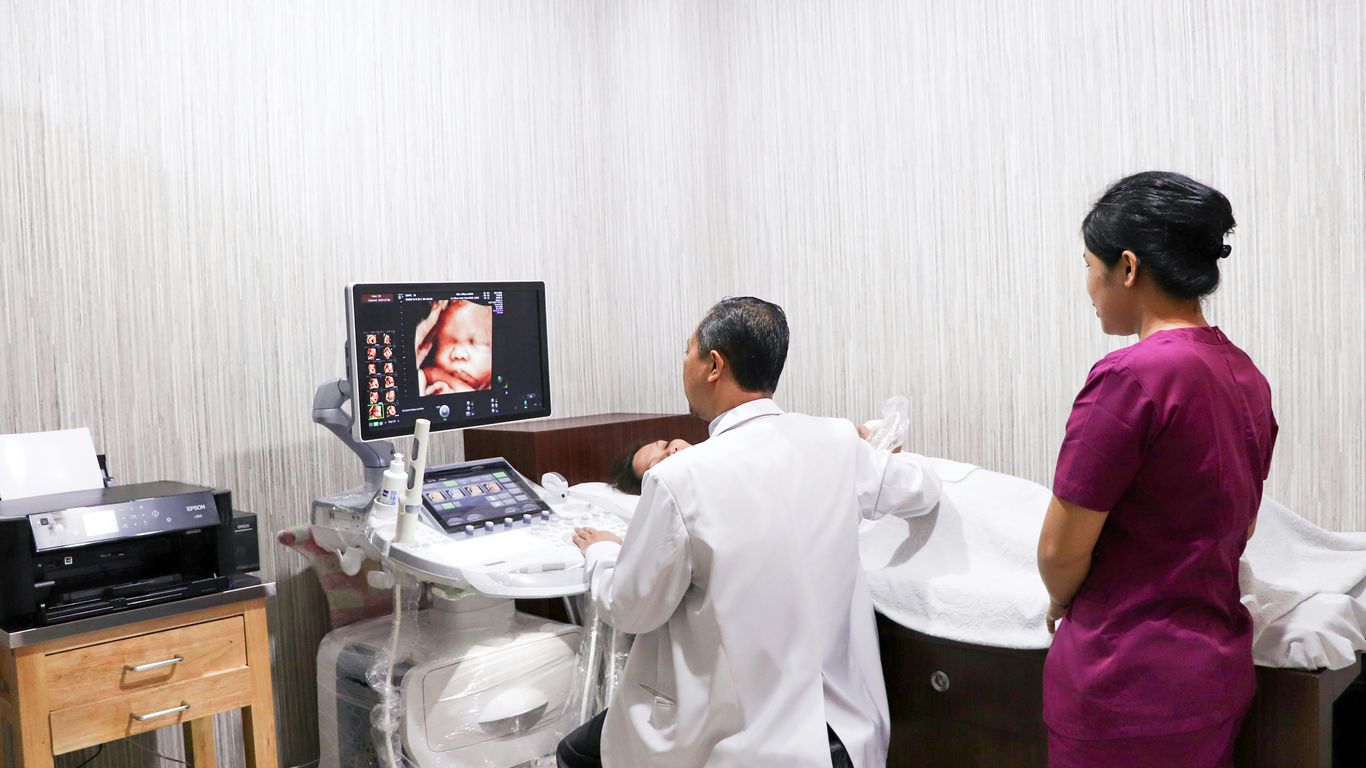
Research in computer healthcare isn’t just about building new gadgets; it’s about digging deeper into how we can use technology to truly understand and improve health. We’re seeing a big shift towards using data to find new answers. Think about it: instead of just treating sickness, we’re getting better at spotting problems before they even start. This is a huge change from how things used to be done.
Data-Driven Discoveries and Breakthroughs
This is where the real magic happens. Researchers are now using massive amounts of health data to spot patterns that were invisible before. It’s like finding needles in a haystack, but the needles are clues to new diseases or better ways to treat old ones. For example, analyzing patient records and genetic information together can help us figure out why some people get certain conditions and others don’t. This kind of analysis is leading to breakthroughs in personalized medicine, where treatments are tailored to an individual’s unique makeup. It’s a far cry from the one-size-fits-all approach of the past. We’re also seeing a lot more work in areas like AI in patient education, which uses smart systems to help people understand their health better.
Collaborative Platforms for Scientific Advancement
No one person or lab has all the answers. That’s why collaborative platforms are becoming so important. These are digital spaces where scientists from different places can share data, ideas, and even unfinished research. It speeds things up considerably. Imagine a researcher in Boston sharing a promising finding with a team in London, and together they figure out the next steps in days instead of months or years. This kind of teamwork is vital for tackling complex health issues. It also helps avoid duplicating work, saving time and resources.
Translational Research and Clinical Practice Integration
What’s the point of a great research discovery if it never reaches the people who need it? That’s where translational research comes in. It’s all about taking what we learn in the lab and turning it into real-world treatments and practices. This means getting new technologies and findings from research papers into the hands of doctors and patients. It’s a complex process, involving:
- Testing new technologies in controlled clinical settings.
- Working with regulators to get new treatments approved.
- Training healthcare professionals on how to use new digital tools.
- Gathering feedback from patients and doctors to refine the technology.
This integration is key to making sure that the exciting advancements in computer healthcare actually make a difference in people’s lives.
Security and Ethical Considerations in Digital Health
As we bring more computers and smart devices into healthcare, we also open up new worries. It’s not just about making sure the tech works; it’s about keeping patient information safe and using these tools the right way. This is a big deal because we’re dealing with people’s most private health details.
Ensuring Data Privacy and Security
Think about all the information your doctor has. Now imagine that information being stored on computers or sent over the internet. We need really strong locks on that data. This means using things like encryption to scramble the information so only the right people can read it. It also means being super careful about who gets access and why. We also have to worry about hackers trying to steal this data. It’s a constant race to stay ahead of them. For example, when devices like smartwatches send your heart rate data to an app, that connection needs to be secure. We can’t just let sensitive health info float around unprotected.
Navigating Regulatory Challenges
There are rules and laws about how health information can be handled, like HIPAA in the US. These rules are trying to keep up with how fast technology is changing. It can be tricky for companies and hospitals to make sure they’re following all the rules, especially when they’re using new kinds of software or devices. Sometimes, the laws haven’t quite caught up to the latest tech, leaving a gray area. It’s important for everyone involved to know what the rules are and to work with regulators to make sure new technologies are safe and legal. This is especially true when data needs to be shared across different countries or systems, which brings up questions about data privacy.
Ethical Frameworks for Advanced Technologies
Beyond just the rules, there are ethical questions we need to think about. For instance, if an AI is helping a doctor decide on a treatment, how do we know it’s fair to everyone? What if the AI learned from data that didn’t include enough people from certain backgrounds? We need to make sure these tools don’t accidentally create new problems or make existing ones worse. Getting clear permission from patients before using their data with these new tools is also key. It’s not enough to just have a long document they click ‘agree’ on; people should actually understand what they’re agreeing to. Here are some things to consider:
- Informed Consent: Patients need to know what data is being collected, how it will be used, and who will see it. This needs to be explained in a way that’s easy to understand.
- Algorithmic Fairness: We must check that AI and other algorithms are not biased against certain groups of people. Regular checks are needed to spot and fix any unfairness.
- Data Ownership: Who really owns the health data generated by wearables or apps? Clear rules are needed to prevent misuse and protect patient rights.
Looking Ahead
So, where does all this leave us? It’s pretty clear that computers and tech aren’t just tools in healthcare anymore; they’re becoming a core part of how we get and give care. From AI helping doctors spot problems early to apps letting us keep an eye on our own health from home, things are changing fast. It’s not always a smooth ride, and there are definitely hurdles to jump, like making sure everyone can actually use this stuff and keeping all that sensitive data safe. But the direction is set: healthcare is getting smarter, more personal, and hopefully, more available to everyone. The next few years will be interesting to watch as these innovations keep rolling out and really start to shape what healthcare looks like for all of us.
Frequently Asked Questions
What is computer healthcare?
Computer healthcare, or digital health, is when computers and technology are used to help people stay healthy and get better when they are sick. Think of it as using smart tools like apps, special devices, and online doctors to make healthcare easier and more effective for everyone.
How does technology help doctors treat patients better?
Technology helps doctors in many ways! Computers can help them understand a patient’s health better by looking at lots of information, like X-rays or past health records. AI can even help predict if someone might get sick. This means doctors can give more personalized and quicker care.
What are wearable devices and how do they help with health?
Wearable devices are things like smartwatches or fitness trackers that you wear on your body. They can keep track of your heart rate, how much you move, and even your sleep. This information helps you and your doctor understand your health habits and catch problems early.
Can technology help people who live far away from doctors?
Yes! Telemedicine lets you talk to a doctor online or through video calls. This is super helpful for people who live in rural areas or have trouble traveling. It makes getting medical advice much easier and faster.
Is my health information safe when using digital health tools?
Keeping your health information safe is really important. Companies that make these digital health tools have to follow strict rules to protect your privacy. It’s always a good idea to be aware of how your information is being used and to choose trusted services.
Will technology make healthcare more expensive?
While new technology can cost money at first, it often helps make healthcare more efficient in the long run. For example, using computers to manage records can save time and money. Also, catching problems early with technology can prevent more costly treatments later on.