The First Pizza Delivered to Space
A Million-Dollar Salami Topped Pizza
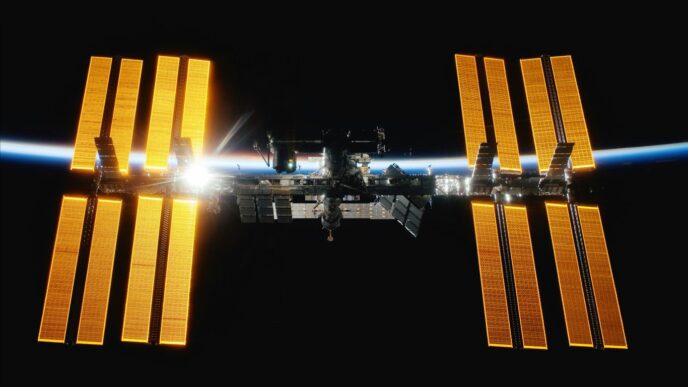
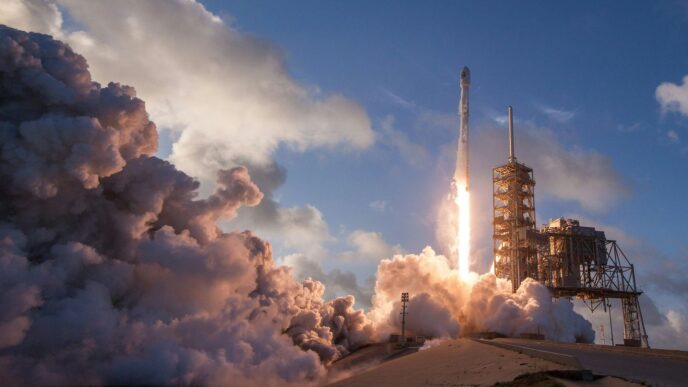
So, get this: back in 2001, Pizza Hut actually pulled off delivering a pizza to the International Space Station. It wasn’t just any pizza, either. This was a salami-topped pie that cost a whopping $1 million to get up there. Think about that for a second – a million bucks for a pizza! It was a pretty big deal at the time, marking the first time a pizza officially made the trip beyond Earth’s atmosphere. It really makes you wonder what it tasted like after all that effort.
Modifications for Space Travel
Now, you can’t just shove a regular pizza into a rocket and expect it to survive the journey, let alone be safe to eat. This space pizza had to be specially prepared. They had to make sure it met all the strict rules for food that goes into space. That means things like how it was packaged and how it would hold up in zero gravity were super important. It wasn’t just about getting it there; it was about making sure it was actually edible and safe for the astronauts once it arrived.
The Dawn of Cosmic Cuisine
This whole pizza delivery event was kind of a big moment for what we can call "cosmic cuisine." It showed that even with all the challenges of space travel, we could still find ways to send familiar, comforting foods to astronauts. It wasn’t just about survival rations anymore. This delivery opened the door to thinking about how we could make space food more enjoyable and maybe even a little bit like home. It was a step towards making life in orbit a bit more… normal, I guess you could say.
Chorizo’s Unexpected Space Heritage
A "Space-Flavored" Sausage
It might sound a little wild, but chorizo has a surprising connection to space exploration. You see, when astronauts are up in orbit, things taste a bit different. Without gravity pulling scents down towards your nose, food can seem pretty bland. That’s why spicy stuff, like shrimp cocktail or, you guessed it, chorizo, tends to be a big hit.
Chorizo’s Journey on Space Shuttle Discovery
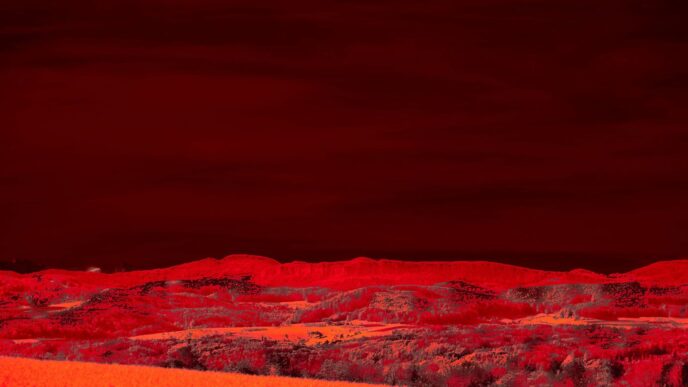
Back in 1998, Spanish astronaut Pedro Duque took some León chorizo with him on the Space Shuttle Discovery. He shared it with his crewmates, including the famous John Glenn. So, this spicy sausage has actually been a space treat for astronauts, making it one of the furthest-traveled sausages in the world. It’s not just about the taste, though. Some folks have even pointed out that slices of chorizo look a bit like Jupiter’s Great Red Spot – pretty neat, right?
The Science Behind the Aroma
Here’s where it gets even more interesting. The process of drying paprika, which gives chorizo its signature red color and flavor, creates certain carbon compounds. Believe it or not, scientists think similar compounds might exist in space. This could explain why some astronauts have reported smelling something like grilled meat after a spacewalk. It’s like the universe and our favorite spicy sausage have a little something in common, even if it’s just a smell.
Innovations in Space Food
When we think about food in space, our minds often jump to those early days – think purees squeezed from tubes or little cubes that looked more like building blocks than a meal. It was functional, sure, but not exactly something you’d crave. Thankfully, things have changed a lot since then. Space agencies have really put in the work to make astronaut meals more appealing and practical for life off-planet.
Beyond Tubes and Cubes
Those early food formats were a necessity. In the 1960s, getting food to stay put and be easily consumed in zero gravity was the main challenge. But as missions got longer and astronauts spent more time in orbit, the need for better food became obvious. It wasn’t just about survival; it was about morale too. Nobody wants to eat bland goo for months on end, right? So, scientists started looking at different ways to prepare and package food. We’re talking about things like thermostabilized meals, which are basically heat-treated to last longer, and freeze-dried options that keep a lot of the original flavor and texture. It’s a far cry from the early days, and it makes a huge difference for the people living and working up there.
The Evolution of Astronaut Meals
Over the decades, astronaut menus have gotten way more interesting. Early missions relied on simple, often unappetizing, preparations. But by the Apollo era, things were improving. Freeze-dried ice cream, while maybe not as common on actual missions as people think, became an iconic symbol of this progress. Then came vacuum-packed meals, which helped preserve food better. Today, the variety is pretty impressive. Astronauts can have dishes that are much closer to what we eat on Earth, like shrimp cocktail, which is popular because the strong flavors help combat the dulled sense of taste astronauts often experience in space. It’s a constant process of figuring out what works best, both for nutrition and for keeping spirits high.
Culturally Familiar Foods for Morale
This is a big one. Eating familiar foods can be a real comfort when you’re millions of miles from home. Think about it: being in space is an incredible experience, but it’s also isolating. Having a taste of home can make a massive difference in an astronaut’s well-being during long missions. That’s why you see things like Japanese dishes, such as boiled mackerel in miso, making their way to the International Space Station. It’s not just about the calories; it’s about that connection to Earth and maintaining a sense of normalcy. It shows that space exploration isn’t just about science and engineering; it’s also about the human experience and keeping astronauts happy and healthy, both physically and mentally.
Creative Solutions for Zero Gravity Dining
Eating in space is, well, different. Forget your regular kitchen setup; zero gravity throws a whole new set of challenges at mealtime. You can’t just shake salt and pepper onto your food, for instance. Those tiny particles would just float away, potentially causing a mess or even getting into sensitive equipment. So, what did they do?
Liquid Salt and Pepper
NASA came up with a pretty neat fix for this. They dissolved salt in water and pepper in vinegar. Now, instead of shakers, astronauts use squeeze bottles to add a few drops of these seasoned liquids to their meals. It’s a simple idea, but it makes a big difference in keeping things tidy and safe up there. It really shows how even the smallest details need a rethink when you’re living off-planet.
Gelatin-Coated Snacks
Crumbs are a big no-no in space. They can get everywhere and cause problems. Back in the day, especially during the Apollo missions, they tried coating foods like sandwiches and even cake cubes in gelatin. The idea was to keep everything in one piece and make it easier to handle. While it helped with the crumb issue, the texture and taste weren’t always a hit. It was a creative attempt to solve a very specific space problem, even if it didn’t become a permanent fixture on the menu.
Floating Coffee Balls
Coffee lovers, rejoice (sort of). You can’t exactly sip coffee from a mug in zero gravity; it would just float out. So, one of the more unusual solutions involved making coffee into gelatinous balls. These little spheres could be contained in special pouches and then sipped through a straw, or even caught mid-air. It might sound a bit strange, but for astronauts needing that caffeine boost, it was a way to get their fix. It’s all about adapting to the environment, right?
The Science of Space-Safe Foods
Making food safe for space travel is a whole different ballgame than just packing a lunch. You can’t just grab a loaf of bread and call it a day. In zero gravity, things get complicated, and safety is way more important when you’re millions of miles from Earth.
Irradiated Meats for Safety
One of the biggest challenges is keeping meat from going bad. Refrigeration isn’t always an option, and nobody wants food poisoning in orbit. So, NASA uses a process called irradiation. Basically, they expose the meat to a controlled dose of radiation. This kills off any nasty bacteria without making the food radioactive or changing its taste too much. It’s a smart way to make sure astronauts can still enjoy familiar proteins without risking illness. This method is key for shelf-stable meats that can last a long time.
Yeast Fermentation in Orbit
Believe it or not, yeast is also making its way into space. Companies have sent yeast into orbit to see how it behaves in microgravity. The idea is to understand how cosmic conditions might affect fermentation. This research could be super important down the line if we ever want to bake bread or brew drinks right there in space. It’s all about figuring out how to make things work when you’re not on Earth.
The Role of Tortillas in Space
When you think about bread, you probably think about crumbs. And in space, crumbs are a big problem. They float everywhere, can get into sensitive equipment, and are just a general nuisance. That’s why tortillas have become a staple for astronauts. They’re much less crumbly than regular bread, making them ideal for making sandwiches. NASA even has specially made tortillas with extra-long shelf lives and anti-mold packaging. They’ve been a go-to for astronauts for decades now, proving that sometimes the simplest solutions are the best.
Marketing and Space Exploration
Pepsi’s $5 Million Spacewalk
Companies have been trying to get their products into space for a while now, not just for the novelty, but as a way to get people excited about space travel. Back in 1985, both Coke and Pepsi tried to send their sodas up on the Space Shuttle Challenger. The idea was to see if special cans could work in zero gravity. Turns out, they didn’t really work that well back then, and the drinks stayed on Earth. But Pepsi didn’t give up. A decade later, they teamed up with the Russians for a big marketing stunt. They filmed a commercial from the Mir space station where cosmonauts showed off a giant Pepsi can replica during a spacewalk. This whole thing reportedly cost around $5 million, which is a lot of money just to show off a soda can, but it definitely got people talking.
Chorizo Lipstick Collaboration
It’s funny how things connect, right? So, chorizo, that spicy sausage, actually has a bit of a space history. Astronauts found that spicy foods taste better in space because your sense of smell doesn’t work the same way without gravity. One astronaut even took chorizo on the Space Shuttle Discovery. Now, a pizza company, Papa Johns, is using this connection for their new "Planet Chorizo" pizza line. They’re even launching it in places like Germany and Poland. But it doesn’t stop there. A makeup company, Chelsie Lane, created a special "Chorizo Style" lipstick. It’s got this marbled look, like the sausage, and even smells a bit like it. They launched it at Madrid Fashion Week. It’s wild to see how a simple food item can inspire such different products, from pizza to makeup, all thanks to a little trip to space.
Promoting Space Through Popular Culture
These kinds of marketing efforts show how space is becoming more mainstream. When big brands like Pepsi or Papa Johns link their products to space, it makes people curious. They might start wondering about space exploration, science, and what it’s like for astronauts. It’s a smart way to get the public interested in something that can seem pretty distant. Think about it:
- It sparks curiosity: People see a familiar product in an unfamiliar setting and want to know more.
- It educates indirectly: The marketing campaigns often include facts or stories about space travel.
- It makes space relatable: By connecting space to everyday items like pizza or lipstick, it feels less abstract.
It seems like a win-win. Companies get attention, and more people, hopefully, learn to appreciate the wonders of space and the work being done out there. It’s a creative way to get us all looking up.
A Taste of the Future, From the Stars
So, there you have it. From the first tube of paste to a million-dollar pizza delivery and now, even chorizo inspired by space itself, food in orbit has come a really long way. It’s pretty wild to think about how we’ve gone from just surviving in space to actually enjoying meals that remind us of home, or even exploring new flavors that seem to come from the cosmos. It just goes to show that humans will always find a way to bring a little bit of comfort and excitement to even the most extreme environments. Who knows what we’ll be eating up there next? Maybe a full Thanksgiving dinner, or perhaps even a space-themed ice cream sundae. One thing’s for sure, the journey of food in space is far from over, and it’s definitely something worth keeping an eye on.