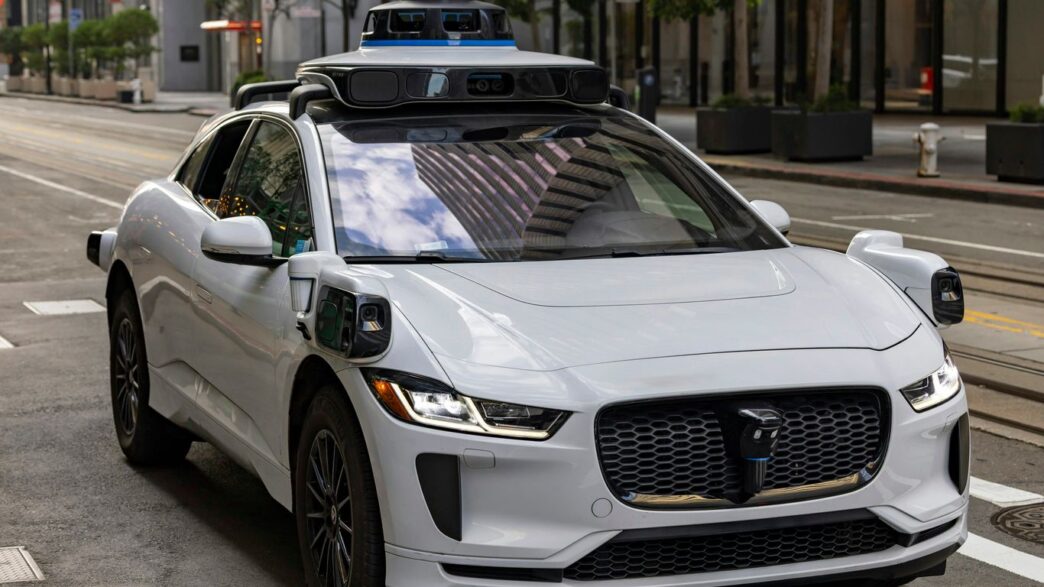
The Evolving Landscape Of The Self-Driving Camera

Advancements In Automotive Camera Technology
Self-driving cameras in cars keep getting better almost daily. We’re seeing sensor improvements, smarter chips, and clever packaging that survives heat, cold, and everything in between. High-resolution sensors—think 8-megapixels and beyond—are now standard in ADAS (advanced driver-assistance systems), making it easier for cars to see what’s up ahead. New filters, like RCCB, let cameras see better in low light by allowing more light to reach sensors, which is actually a big deal when detecting things like brake lights at night.
Here’s what’s been making headlines in car camera tech:
- 360-degree camera setups are showing up on more vehicles, making parking and lane changes a lot less stressful.
- Cameras combine regular (RGB) and infrared (IR) capabilities for accurate detection, even through glare and darkness.
- More cameras inside cars, not just outside, track driver alertness and help airbags react more safely.
The Growing Demand For Intelligent Imaging
More cars are getting cameras, not just the expensive ones—insurance rules, new laws, and driver demand are fueling the surge. Drivers want safer and easier rides, and cameras are a big piece of that puzzle.
A few reasons why these cameras are everywhere now:
- Regulatory rules (like mandatory backup cameras in the US) make these systems standard.
- Insurance companies may discount safer, camera-equipped vehicles.
- Modern navigation and safety features (like automatic braking, lane assist) rely on smarter vision, so newer models include improved cameras by default.
- Fleet managers—for delivery vans, trucks, and taxis—love these cameras for added safety and monitoring.
Market Projections For Future Camera Systems
Automotive camera tech isn’t just advancing—it’s exploding. With ADAS features becoming mainstream and full autonomy edging closer, the money flowing into this market is nuts. Here’s a quick look at where things are headed:
| Year | Global Market Value (USD Billion) |
|---|---|
| 2025 | 8.4 |
| 2030 | 8.7 (for camera modules alone) |
| 2032 | 15.3 |
- The market is growing at about 9% every year.
- New car models rarely launch without several cameras, and advanced options (hi-res, thermal, LTE) make these even more attractive to buyers.
- Nearly every segment—from personal cars to heavy-duty trucks and buses—shows increasing adoption, and future projections expect this to keep climbing.
In short, camera tech in cars is getting better, cheaper, and more expected by both buyers and regulators. Buckle up, because this wave of change is just starting.
AI’s Integral Role In Self-Driving Cameras
It’s pretty wild to think about how cars are starting to ‘see’ and ‘think’ for themselves, right? At the core of this whole self-driving revolution is Artificial Intelligence, or AI. It’s not just a fancy add-on; it’s the actual brain making sense of everything the cameras pick up. Without AI, those cameras would just be recording video with no real understanding of what’s happening on the road.
Machine Learning For Enhanced Perception
Think of machine learning as the way these systems learn from experience, kind of like how we do. They’re fed tons of data – images, videos, sensor readings – and they start to pick up patterns. This helps them get better at spotting things like lane lines, traffic signs, and even the difference between a pedestrian and a lamppost. The more data they process, the sharper their ‘perception’ becomes. It’s a continuous learning process, meaning the car gets smarter the more it drives, or rather, the more data it’s trained on.
Deep Learning For Object Recognition
Deep learning is a more advanced form of machine learning that uses complex structures called neural networks, inspired by the human brain. This is where the real magic happens for object recognition. These networks can sift through massive amounts of visual information to identify and classify objects with incredible accuracy. They can distinguish between different types of vehicles, recognize cyclists, and even predict what a pedestrian might do next. It’s this capability that allows a self-driving car to understand that a plastic bag blowing across the road is not a threat, while a child chasing a ball is.
Computer Vision For Environmental Understanding
Computer vision is the field that gives AI the ability to ‘see’ and interpret the visual world. It’s what allows the car’s system to take the raw data from the cameras and turn it into a meaningful understanding of its surroundings. This involves a few key steps:
- Scene Reconstruction: Building a 3D model of the environment based on camera input.
- Object Tracking: Following the movement of other vehicles, pedestrians, and cyclists over time.
- Semantic Segmentation: Labeling every pixel in an image with a category (e.g., road, sky, car, building).
This detailed environmental understanding is what allows the car to make safe decisions, like knowing when to change lanes, brake, or yield to other road users. It’s a complex process, but it’s what makes autonomous driving possible.
Sophisticated Sensor Fusion For Self-Driving Cameras
Sensor fusion is like the secret sauce that makes self-driving cars a whole lot smarter. Basically, the car’s brain pulls data from different types of sensors—not just cameras, but radar and LiDAR too—and puts all that information together to get a better idea of what’s actually happening all around the car. This isn’t just some fancy upgrade; it’s changing how safe and reliable these systems can be.
Integrating Cameras With Radar And LiDAR
Every sensor has strengths and weaknesses. Cameras can see things in detail and help the software understand what’s a traffic sign and what’s a person, but they struggle at night or in fog. Radar detects motion and works well in poor visibility, but it’s not great at showing what something actually is. LiDAR measures distances with precision but struggles in heavy rain and is expensive.
Here’s a quick rundown:
| Sensor Type | Strength | Weakness |
|---|---|---|
| Camera | High detail, color | Struggles in low light |
| Radar | Good in bad weather | Lower image detail |
| LiDAR | Accurate distance | Cost, bad in heavy rain |
By blending these inputs, the car doesn’t have to rely too much on any one technology’s limitations.
Creating Comprehensive Environmental Models
Sensor fusion lets the car build a 3D map of everything around it. The algorithms compare the data points:
- Check for movement: Radar sees an object moving, then the camera confirms if it’s a person, animal, or another car.
- Measure distance: LiDAR and radar agree on how far away something is, boosting confidence in the car’s decisions.
- Fill in gaps: Cameras might spot road markings—useful when radar and LiDAR can’t detect them.
The trick is putting all this together fast enough so the car can react in real-time. It’s like having multiple pairs of eyes, each seeing something a bit different, and the car sorts out who’s right whenever there’s disagreement.
Overcoming Individual Sensor Limitations
No single sensor works perfectly on its own. Here’s how sensor fusion helps:
- If the camera can’t see through fog, radar and LiDAR fill in the blanks.
- In very bright light, LiDAR or radar still measure distances.
- When radar mixes up stationary signs with moving cars, the camera’s detail comes in handy.
- Redundancy prevents one sensor’s failure from causing problems.
Bottom line: sensor fusion takes lots of imperfect signals and makes something much more reliable. It means fewer false alarms and a better, safer driving experience. Without it, self-driving technology would be stuck in the slow lane.
Key Innovations Driving Self-Driving Camera Development
So, what’s actually making these self-driving cameras so smart? It’s not just one thing, but a bunch of cool tech working together. Think of it like a really good team where everyone has a special job.
AI-Driven Systems With 360-Degree Coverage
One of the biggest leaps is how cameras now see pretty much everywhere around the car. Instead of just one camera looking forward, we’re seeing systems that use multiple cameras, sometimes with different kinds of lenses, to give a full picture. This means the car knows what’s happening on all sides, not just what’s directly in front. This 360-degree view is a game-changer for avoiding accidents, especially in busy areas or when parking. It’s like giving the car eyes all around its head.
Multicamera Architectures For ADAS
Remember when cars just had a backup camera? Now, we’re talking about a whole network of cameras. These aren’t just for parking anymore; they’re part of what’s called Advanced Driver-Assistance Systems (ADAS). These systems use cameras placed all over the vehicle – front, back, sides – to build a really detailed map of what’s going on outside. This helps with things like:
- Keeping you in your lane
- Warning you about cars in your blind spot
- Automatically braking if something unexpected pops out
- Making adaptive cruise control work much better
It’s all about giving the car a much better sense of its surroundings, reducing those scary blind spots we all worry about.
Smart Feature Integration For Driver Monitoring
It’s not just about looking outside; cameras are also watching the driver. These systems, often called Driver Monitoring Systems (DMS), are becoming more common, partly because of new rules in some places. They use special cameras, sometimes with infrared, to see if the driver is paying attention, looking tired, or getting distracted. This is super important for safety, especially as cars get more automated. If the car thinks you’re not paying attention when you should be, it can give you a nudge to wake up or take over more control.
Here’s a quick look at how these systems are evolving:
| Feature | Description |
|---|---|
| Camera Type | RGB-IR (Red, Green, Blue – Infrared) and global shutter sensors are common. |
| Lens Technology | Advancements allow for better focus and wider fields of view. |
| Integration | Combining camera data with other sensors for a fuller picture. |
| New Applications | E-mirrors and exterior cameras appearing on newer electric vehicles. |
These innovations are really pushing the boundaries of what car cameras can do, making our roads safer one smart feature at a time.
Enhancing Vision In All Conditions
Driving at night or when the weather’s bad can be pretty nerve-wracking, right? That’s where self-driving cameras really have to step up their game. It’s not just about seeing in daylight anymore; these cameras need to work when it’s dark, foggy, or even when the sun is blinding you.
Improving Night Vision and Low-Light Performance
Traditional cameras often throw their hands up when the lights go down. They just can’t capture enough detail. To fix this, engineers are putting in special sensors. Think infrared (IR) and near-infrared (NIR) tech. These can pick up on light that our eyes can’t see, making a big difference in dark parking lots or on unlit roads. Plus, they’re tweaking the image processing software. It’s like giving the camera super-vision, helping it make sense of fuzzy images and pull out important details like lane lines or other cars.
The Role Of Infrared And Thermal Imaging
Infrared and thermal imaging are like the secret weapons for seeing in tough conditions. Infrared cameras can see in near-total darkness by picking up on heat. Thermal cameras take it a step further, showing you a picture based purely on temperature differences. This is super useful for spotting pedestrians or animals that might be hard to see otherwise, especially when they’re not giving off much visible light. While these technologies can be pricey, they’re getting better and cheaper, making them more common in newer cars.
Achieving Clear Visuals In Diverse Lighting
It’s not just about darkness; bright sun glare or sudden tunnels can also mess with a camera’s view. This is where high dynamic range (HDR) technology comes in. HDR cameras can handle extreme differences between the brightest and darkest parts of a scene. So, if you’re driving out of a dark tunnel into bright sunlight, the camera can adjust quickly without washing out the image or making everything too dark. They’re also using new filter types, like RCCB and RCCC, which let more light through to the sensor. This helps the camera see better in low light and makes it easier to spot things like brake lights, even when it’s hard to see.
The Future Integration Of Self-Driving Cameras
So, where are these smart cameras headed next? It’s not just about seeing the road better; it’s about making cars talk to each other and the world around them. Think of it like upgrading from a flip phone to a smartphone – suddenly, everything is connected.
Enabling Vehicle-To-Vehicle Communication
This is where things get really interesting. Self-driving cameras are becoming the eyes and ears for cars to communicate directly. Imagine your car knowing, before you do, that the car ahead is braking hard, even if it’s around a bend. That’s V2V communication in action, and cameras are a big part of how that information gets shared. They can spot brake lights, turn signals, and even the general movement of other vehicles, feeding that data into a system that can warn you or the car behind you.
Supporting Vehicle-To-Infrastructure Connectivity
It’s not just about car-to-car chats. Cameras are also key to cars talking with the ‘smart’ stuff on the roadside. This could be traffic lights that signal their status, or signs that tell cars about upcoming road work. By ‘seeing’ these signals and signs, cameras help vehicles understand the broader traffic picture. This V2I connection means cars can adjust their speed for smoother traffic flow or get advance notice of hazards that aren’t immediately visible.
Essential Components For Autonomous Navigation
Ultimately, all these connections and advanced vision capabilities are building blocks for true self-driving. The cameras, working with radar, LiDAR, and other sensors, create a detailed, real-time map of the car’s surroundings. This constant stream of data is what allows the car’s AI to make decisions – when to steer, when to accelerate, when to stop. Without sophisticated camera systems, the dream of fully autonomous vehicles simply wouldn’t be possible. They are the primary way the car perceives and understands its environment, making them absolutely vital for getting us to Level 5 autonomy.
Beyond Automotive Applications
Cameras In Commercial Vehicle Autonomy
Self-driving cameras aren’t just for cars anymore. Think about the big rigs on the highway or the delivery vans in your neighborhood. These vehicles are starting to get some serious camera smarts too. The idea is to make long-haul trucking safer and more efficient. Imagine a truck that can keep its lane on its own, brake automatically if something pops out, or even park itself. It’s all about reducing driver fatigue on those super long trips and cutting down on accidents. Plus, for delivery companies, being able to track exactly where their vehicles are and how they’re performing can save a lot of headaches and money.
- Reduced accidents: Automating some driving tasks can prevent crashes caused by human error or tiredness.
- Improved efficiency: Better route planning and smoother driving can save fuel and time.
- Driver support: Cameras can help drivers by monitoring blind spots and alerting them to hazards.
Potential In Military And Detection Scenarios
Beyond just getting from point A to point B, these advanced cameras have some pretty interesting uses in more specialized fields. In the military, for instance, cameras that can see in the dark or through fog are a game-changer. They can help with reconnaissance, spotting threats from a distance, or even guiding drones. The ability to perceive the environment in ways humans can’t opens up a lot of possibilities for safety and mission success. Think about surveillance systems that can detect subtle changes or identify objects that are hard to see with the naked eye. It’s not just about seeing; it’s about understanding what you’re seeing, even when conditions are tough.
The Road Ahead
So, what does all this mean for us? It’s pretty clear that cameras are no longer just for taking pictures in our cars. They’re getting smarter, seeing more, and helping us drive safer every single day. From spotting things in the dark to keeping us in our lanes, these cameras are quietly changing how we get around. While we’re not quite at the ‘hands-off, eyes-closed’ stage for everyone just yet, the tech is moving fast. It’s exciting to think about what’s next, and how these clever cameras will continue to shape the future of our journeys.