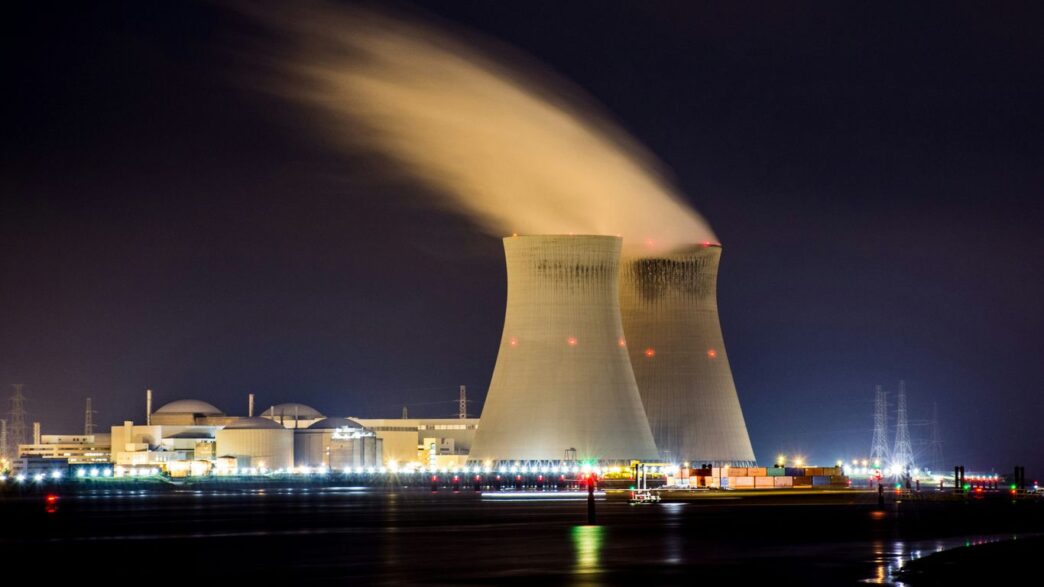
It feels like every day there’s some new tech gadget or advancement, right? Well, the world of energy is no different. Nuclear power, specifically the next gen nuclear reactors, is really starting to show what it can do. Forget what you might have heard from old movies; this stuff is getting a serious upgrade with new designs and technologies that promise safer, more efficient, and cleaner energy. It’s not just about big power plants anymore either. We’re talking about smaller units, new ways to power things like data centers, and even making clean hydrogen. The future of nuclear energy is definitely here, and it’s pretty exciting to watch it unfold.
Key Takeaways
- New reactor designs like Molten Salt Reactors and High-Temperature Gas Reactors are pushing the boundaries of safety and efficiency in next gen nuclear reactors.
- Advanced fuel technologies, including Accident Tolerant Fuels and the increased availability of HALEU, are making nuclear power safer and more practical.
- Small Modular Reactors (SMRs) are gaining traction with diverse designs, offering flexible power solutions for everything from industrial needs to data centers and AI growth.
- Global financial institutions are increasingly backing nuclear energy, with innovative financing models emerging to support the significant investments required for new projects.
- Nuclear energy is expanding globally, with new nations adopting it and playing a key role in producing clean hydrogen, signaling a diverse future for this power source.
Innovations in Next Gen Nuclear Reactors
Nuclear power is getting a serious upgrade. Forget the old-school image; we’re talking about reactors designed with safety and efficiency as top priorities. These new designs aren’t just about making electricity; they’re looking at how to use nuclear power in smarter, more flexible ways.
Molten Salt Reactors Promise Enhanced Safety
Molten Salt Reactors, or MSRs, are a big deal because they work differently. Instead of solid fuel rods, they use a liquid salt mixture that contains the nuclear fuel. This setup has some pretty cool advantages. For starters, the fuel is already dissolved, so it can’t melt down in the way traditional reactors might worry about. Plus, these reactors can often operate at lower pressures, which is a big win for safety. Think of it like this: a high-pressure system has more ways to go wrong than a low-pressure one. Many MSR designs also have a "freeze plug" – a section of pipe that’s kept solid by cooling. If the reactor overheats, this plug melts, and the fuel salt drains into a safe containment tank. It’s a clever, built-in safety net. Companies are working hard to get these into commercial use, with some aiming for the mid-2030s.
High-Temperature Gas Reactors Offer Superior Efficiency
High-Temperature Gas Reactors (HTGRs) are another exciting development. These use a gas, like helium, as a coolant and graphite to moderate the neutrons. The big draw here is the temperature. HTGRs can run much hotter than traditional water-cooled reactors. Why does that matter? Higher temperatures mean you can generate electricity more efficiently. It’s like getting more bang for your buck from the heat produced. These super-hot gases can also be used for industrial processes, like making hydrogen or producing chemicals, which opens up a whole new world of applications beyond just powering the grid. China already has one of these operational, and others are in development.
Fast Reactors Explore Sustainable Power
Fast reactors are all about making the most of nuclear fuel and dealing with waste. Unlike most current reactors, fast reactors don’t need a moderator to slow down neutrons. This allows them to "burn" a wider range of nuclear materials, including some types of nuclear waste that are currently stored. This means they can potentially reduce the volume and long-term hazard of nuclear waste. Some fast reactor designs are also "breeders," meaning they can produce more fuel than they consume. This could significantly extend the availability of nuclear fuel resources. Companies are looking at these designs for their potential to provide long-term, sustainable energy and help manage existing nuclear stockpiles. They’re also often designed with modularity in mind, which could make them easier and quicker to build.
Advancements in Nuclear Fuel Technology
Nuclear fuel is getting a serious upgrade, and it’s not just about making more power. We’re talking about fuels that are inherently safer and can handle tougher conditions. Think of it like switching from regular gasoline to a high-performance fuel for your car – it just works better and is more reliable.
Accident Tolerant Fuels Entering Commercial Trials
This is a big one. Accident Tolerant Fuels, or ATFs, are designed to withstand extreme conditions better than current fuels. If something unexpected happens at a plant, these fuels can handle higher temperatures and longer periods without degrading. This means a much wider safety margin and less risk of serious incidents. Several types are being tested, including coated fuels and different metal alloys. We’re seeing these move from labs to actual commercial trials, which is a huge step. It’s all about making nuclear power even more dependable.
High-Assay Low-Enriched Uranium Availability Increases
Next-generation reactors, especially some of the advanced designs we’re seeing, need a specific type of fuel called High-Assay Low-Enriched Uranium (HALEU). It’s basically uranium that’s been enriched to a higher percentage than what’s typically used in today’s reactors, but still well below weapons-grade levels. The problem has been getting enough of it. But good news – production is ramping up. Companies are investing in facilities to make HALEU, which is essential for many new reactor designs to even get off the ground. Without it, these advanced reactors just can’t be built.
TRISO Fuel and Thorium Exploration
TRISO fuel is another interesting development. It’s made of tiny, coated particles of uranium fuel, each encased in multiple protective layers. This design makes it incredibly robust and resistant to high temperatures. It’s already being used in some research reactors, and now it’s looking like it’ll be produced commercially for power generation. Companies like X-energy are leading the charge here.
Beyond that, there’s a lot of talk about thorium. Thorium is an element that can be used as nuclear fuel, and it has some potential benefits. For starters, it produces less long-lived radioactive waste compared to uranium. It’s also considered more proliferation-resistant. Countries like India are really pushing the exploration of thorium-based fuel cycles. It’s still early days for widespread thorium use, but the research is active and promising for a different kind of nuclear future.
Small Modular Reactors Leading the Charge
You know, it feels like just yesterday we were talking about nuclear power as this big, old-fashioned thing. But things are really changing, and a lot of that change is coming from these "Small Modular Reactors," or SMRs. They’re not like the giant plants of the past; these are smaller, more flexible, and honestly, they seem to be the ones really getting things moving.
Diverse SMR Designs Poised for Deployment
It’s pretty wild how many different kinds of SMRs are out there now. We’re talking over 80 designs floating around, each trying to do things a little differently. You’ve got companies like NuScale with their VOYGR units, which are already certified, and GE Hitachi’s BWRX-300. Then there are others from Rolls-Royce, Westinghouse, and even some really interesting concepts from places like Oklo and Seaborg. It’s not just about electricity anymore either; some of these are designed to provide heat for industries or even be placed in remote spots. The sheer variety means there’s likely an SMR design that can fit almost any need.
SMRs Enable Data Centers and AI Growth
This is a big one. All those data centers and the explosion of AI need a ton of power, and they need it to be reliable and clean. SMRs are looking like a perfect fit. Think about it: they’re compact, safe, and can provide that steady, carbon-free energy that renewables sometimes struggle with on their own. We’re already seeing major tech companies making deals to use nuclear power for their operations. It’s a sign that the tech world is taking nuclear seriously, and SMRs are the ones making it happen.
Addressing Licensing and Deployment Challenges
Of course, it’s not all smooth sailing. Getting these new reactor designs approved by regulators is a huge hurdle. Each country has its own rules, and these SMRs are pretty different from what regulators are used to. Then there’s the actual building and getting them up and running. Supply chains need to be ready, and there’s still a bit of a public perception issue to work through. But, with more pilot projects starting and governments looking to speed things up, it feels like we’re making progress. It’s a complex puzzle, but the potential payoff – clean, reliable energy for a growing world – seems to be driving everyone forward.
Financing the Future of Nuclear Energy
So, how are we actually going to pay for all these fancy new nuclear reactors? It’s a big question, and honestly, it’s been a bit of a roadblock for nuclear power for a long time. But things are starting to shift. Global banks are actually starting to see the light and pledge support for nuclear energy. It’s a pretty big deal when major financial players recognize that stable, clean power is going to be super important, especially with things like data centers and AI gobbling up electricity.
We’re seeing some really interesting new ways to fund these projects. Think beyond just the old ways of doing things. We’ve got things like green bonds, which are specifically for environmentally friendly projects, and risk-sharing models that help spread the financial burden. It’s all about making it easier for private companies to get involved. For example, groups of investors can come together to raise the necessary debt and equity, which is a pretty smart way to get private investment in nuclear projects off the ground.
Here’s a look at some of the key financial developments:
- Growing Bank Commitments: Major global banks are stepping up, recognizing nuclear’s role in clean energy goals. This could really influence policy.
- Innovative Funding Models: We’re talking about things like blended finance, which mixes different types of funding to attract more investment.
- Focus on Cost and Timelines: While there’s more money available, managing project costs and sticking to schedules is still a big focus. Nobody wants projects to drag on forever.
It’s not just about getting the money upfront, either. It’s about making sure these projects are financially sound over their entire lifespan. This shift in financial thinking is pretty exciting and could really speed up the deployment of next-gen nuclear reactors.
Global Expansion of Nuclear Power
New Nations Embrace Nuclear Energy
It’s pretty wild to see how many countries are jumping on the nuclear energy train lately. We’re talking about places that haven’t really considered it before, now looking at building their own reactors. Think about Indonesia, for example. They’re aiming to have a good chunk of their power come from nuclear by 2032. Malaysia is also talking about cutting back on fossil fuels by getting into nuclear. Even Kazakhstan is figuring out where to put up to three new plants. It’s a big shift, and it shows that countries are really thinking about how to get reliable, clean power.
Africa’s Growing Nuclear Ambitions
Africa is seriously stepping up its nuclear game. It’s not just about having power; it’s about economic growth and not relying so much on coal or gas. Rwanda has agreements to bring in both small reactors and experimental ones. South Africa is making moves with its own small reactor project, getting some big funding for it. Ghana even opened Africa’s first training center for clean energy, working with the US. They’re also planning to build a big Hualong One reactor. And in Egypt, the El-Dabaa plant is already a third of the way done. It feels like the whole continent is getting serious about nuclear.
India’s Bharat Small Reactors Initiative
India’s really pushing ahead with its own small reactor designs, called the Bharat Small Reactors. They’re not just talking about it; they’re actually planning to build them. This initiative is a big deal because it’s about creating a domestic supply chain and having reactors that are easier to build and deploy. It’s part of their larger plan to use nuclear power to meet their massive energy needs and also to export technology down the line. They’re looking at different designs and working with various partners to make it happen. It’s a smart move to gain energy independence and also become a player in the global nuclear market.
Nuclear Energy’s Role in Clean Hydrogen
Nuclear Reactors Powering Electrolysis
So, you know how everyone’s talking about clean hydrogen? It’s a big deal for decarbonizing industries that are tough to electrify, like heavy transport and certain manufacturing processes. And guess what? Nuclear power is stepping up to the plate to help make it happen. Nuclear reactors can provide both the steady electricity and the high-temperature heat needed for efficient hydrogen production through electrolysis. This isn’t just some far-off idea; projects are already underway. Companies like Constellation in the US are looking at their existing nuclear plants, like Nine Mile Point, to generate clean hydrogen. Over in France, EDF is exploring similar avenues, and Japan’s High-Temperature Engineering Test Reactor (HTTR) is also part of this push.
It makes a lot of sense, really. Nuclear provides a reliable, carbon-free power source that doesn’t depend on the weather, unlike solar or wind. This consistency is key for industrial-scale hydrogen production. Plus, using existing nuclear infrastructure means we can potentially get this clean fuel source online faster and maybe even cheaper than building entirely new systems from scratch.
Policy Support for Nuclear Hydrogen Production
To really get this off the ground, governments are starting to lend a hand. In the US, for example, there are tax credits designed to encourage the use of nuclear energy for hydrogen production. The idea is to make it financially attractive to pair nuclear power with electrolysis. This kind of policy support is pretty important because, let’s be honest, building new hydrogen production facilities and integrating them with nuclear plants isn’t cheap. It requires significant investment, and a clear policy framework helps attract that private capital.
We’re seeing a global trend here, with countries recognizing that nuclear energy can be a powerful tool in their climate goals, not just for electricity but for creating clean fuels too. The next few years are going to be interesting as more pilot projects get going and we see how effective these policies are in driving down costs and scaling up production.
Technological Breakthroughs Driving Down Costs
While the potential is huge, there are still hurdles. The cost of producing clean hydrogen, even with nuclear power, is still a bit high compared to traditional methods. That’s where technological innovation comes in. Researchers and companies are working on making electrolyzers more efficient and cheaper to build. They’re also looking at advanced reactor designs that might be even better suited for co-locating with hydrogen production facilities, perhaps offering even higher temperatures or more flexible power output.
Here’s a quick look at what’s happening:
- More Efficient Electrolysis: New materials and designs for electrolyzers are being developed to use less electricity per kilogram of hydrogen produced.
- Advanced Reactor Integration: Next-generation reactors, like some of the small modular reactors (SMRs) or high-temperature gas reactors, are being designed with hydrogen production in mind.
- Improved Heat Utilization: Finding ways to effectively use the waste heat from nuclear reactors can significantly boost the overall efficiency of hydrogen production.
By 2025, we’re expecting to see more pilot projects demonstrating these advancements, and hopefully, a clearer path towards making nuclear-powered clean hydrogen a major player in the global energy transition.
The Road Ahead
So, what does all this mean for the future? It’s pretty clear that nuclear energy isn’t just a relic of the past; it’s actively shaping our tomorrow. From super-safe new reactor designs and smarter fuel to powering massive data centers and even making clean hydrogen, the innovation is really picking up speed. Plus, with big banks starting to back these projects and countries around the world jumping in, it feels like things are finally moving. It’s not going to be a walk in the park – there are still money issues and public worries to sort out. But looking at everything happening, especially with small modular reactors and new international projects, it seems like we’re on the verge of a significant shift. The next few years are going to be really interesting to watch as these next-gen nuclear ideas move from blueprints to reality.
Frequently Asked Questions
What are Small Modular Reactors (SMRs) and why are they important?
Small Modular Reactors, or SMRs, are like smaller, more compact versions of traditional nuclear power plants. They’re designed to be built in factories and then brought to a site, which can make them faster and cheaper to build. They’re important because they can provide clean, reliable energy for places that need it, like remote areas or even big data centers that use a lot of electricity.
How are new nuclear reactors being made safer?
Scientists are creating new types of reactors that are much safer. For example, Molten Salt Reactors use a special liquid salt to cool them, which is less likely to cause problems if something goes wrong. Other designs have built-in safety features that work automatically, even without electricity, making them more reliable.
What is ‘Accident Tolerant Fuel’?
Accident Tolerant Fuel is a new kind of fuel used in nuclear reactors. It’s designed to withstand extreme conditions, like high temperatures or a loss of cooling, for a longer time than older fuels. This gives operators more time to fix any issues, making the reactor much safer during emergencies.
Why are countries interested in nuclear energy again?
Many countries are looking at nuclear power again because it’s a way to get a lot of electricity without producing greenhouse gases that harm the climate. It also provides power that’s always available, unlike solar or wind, which can be helpful for things like running big computer centers for AI.
What is High-Assay Low-Enriched Uranium (HALEU)?
HALEU is a special type of uranium fuel that’s needed for some of the advanced new nuclear reactors. It has a higher concentration of the part of uranium that creates energy. Making more of this fuel available is important for building and running these next-generation reactors.
How can nuclear energy help produce clean hydrogen?
Nuclear reactors can provide the high heat and electricity needed to split water into hydrogen and oxygen through a process called electrolysis. This ‘nuclear hydrogen’ is considered clean because the process itself doesn’t release greenhouse gases, and it can be used for fuel in cars, trucks, and industries.