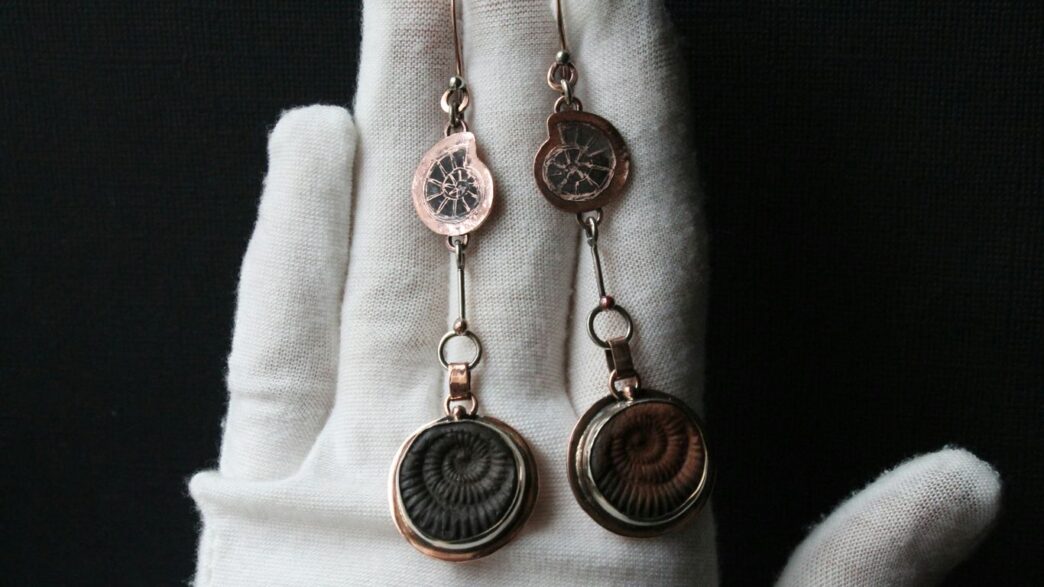
So, I’ve been looking into this whole 3D metal printing jewelry thing, and honestly, it’s pretty wild. It feels like something out of a sci-fi movie, but it’s happening right now. Forget the old ways of making jewelry; this tech is shaking things up, making it easier to get exactly what you want, whether that’s something super intricate or just totally unique to you. It’s changing how we think about wearing things, and not just for fancy occasions either.
Key Takeaways
- 3D metal printing jewelry is opening up new design possibilities, allowing for complex shapes and patterns that were impossible before.
- You can now get jewelry that’s made just for you, with lots of options to personalize it.
- This technology can make jewelry production faster and potentially cut down on waste.
- New materials beyond traditional metals are being used, offering different looks and feels.
- Expect to see more smart features and interactive elements integrated into jewelry thanks to 3D printing.
Revolutionizing Jewelry Design With 3D Metal Printing
It feels like just yesterday that 3D printing was this futuristic concept, something out of a sci-fi movie. Now, it’s actually changing how we make things, and jewelry is right in the middle of it. Forget the old ways of hammering and shaping metal; we’re talking about building pieces from the ground up, layer by tiny layer, based on a digital design. This whole process is shaking things up, letting designers create shapes and forms that were just impossible before.
The Dawn of Digital Design
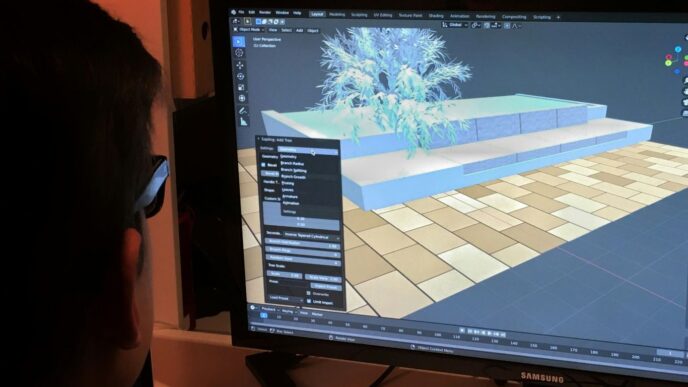
This is where it all starts – with a computer. Designers aren’t just sketching anymore; they’re building 3D models digitally. Think of it like sculpting, but with software. This digital blueprint is the foundation for everything. It means you can tweak a design endlessly, try out different ideas, and get it just right before any metal is even used. It’s a huge shift from traditional methods where changes could be costly and time-consuming. This digital approach makes the whole process way more flexible. It also means that if you have an idea, you can work with a designer to bring it to life, making custom jewelry more accessible than ever.
Unlocking Intricate Geometries
One of the most exciting parts of 3D metal printing is the sheer complexity it allows. We’re talking about designs with incredibly fine details, delicate latticework, and shapes that look like they defy gravity. Think of jewelry that mimics natural patterns, like frost on a windowpane, or architectural marvels scaled down to fit on your finger. These aren’t just pretty patterns; they’re complex structures that traditional manufacturing just can’t replicate. It opens up a whole new world of aesthetics, allowing for pieces that are truly unique and eye-catching.
From Digital Blueprint to Tangible Treasure
So, how does that digital file become a real piece of jewelry? It’s pretty neat, actually. The design is sent to a specialized 3D printer. For metal, this often involves using a laser to fuse fine metal powder together, or sometimes using a binder jetting process. It’s a precise, controlled method that builds the piece up slowly. The result is a solid object, ready for finishing. This method is changing how we think about production:
- Speed: Prototypes can be made much faster.
- Precision: Details are incredibly accurate.
- Material Use: Often more efficient with precious metals.
This transition from a screen to something you can hold and wear is pretty amazing. It’s the magic of turning digital ideas into physical art.
The Expanding Palette of 3D Printed Jewelry Materials
Beyond Traditional Metals
Okay, so when we think jewelry, we usually picture gold, silver, maybe platinum, right? Those are classics for a reason – they last, they look good. But 3D metal printing is shaking things up. We’re still seeing those familiar precious metals, but now they can be formed into shapes that were just impossible before. Think super delicate filigree or complex internal structures that would be a nightmare to cast the old way. It’s like giving jewelers a whole new set of tools, but instead of hammers and torches, it’s lasers and digital files.
Exploring Diverse Material Possibilities
But it’s not just about the shiny stuff. The real excitement comes from the sheer variety of materials now on the table. We’re talking about metals like titanium, which is super strong and lightweight – great for people who might have allergies or just want something that doesn’t weigh them down. Then there’s stainless steel, which is really durable and can be finished in all sorts of cool ways, from matte to high polish. Even bronze and brass are getting a look-in, offering different color tones and a more industrial vibe. The ability to experiment with these different metals means designers can really tailor a piece to a specific look or feel.
The Versatility of Resins and Composites
And if metal isn’t your thing, or you’re looking for something even more experimental, resins and composites are where it’s at. You can get resins in pretty much any color imaginable, and they can be printed to look like anything from frosted glass to polished stone. They’re often used for more avant-garde pieces or for prototyping designs before committing to metal. Plus, there are these cool composite materials, like wood-filled or ceramic-filled filaments, that give you a totally unique texture and appearance. It’s a whole new world of textures and colors opening up for jewelry makers and wearers alike.
Unprecedented Customization Through 3D Metal Printing Jewelry
Personalization Becomes Accessible
Remember when getting a truly unique piece of jewelry meant a hefty price tag and a long wait? Those days are fading fast. 3D metal printing is changing the game, making it way easier for anyone to get their hands on jewelry that’s made just for them. It’s not just for the super-rich anymore. You can actually design something that feels like you, whether it’s a ring with a tiny, hidden message inside or a pendant shaped like something meaningful to you. This technology puts the power of creation directly into the hands of the consumer. It’s like having a personal jeweler who can bring any idea to life, layer by layer.
Collaborative Design Journeys
What’s really cool is how 3D printing opens up a more back-and-forth process between the designer and the person getting the jewelry. Instead of just picking something from a case, you can actually work with a designer, or even use online tools, to tweak designs. Think about it: you might want a certain curve on a bracelet, or a specific kind of texture on an earring. With 3D printing, these changes are much simpler to make. It’s a shared adventure in making something special.
Here’s a peek at how that collaborative process might look:
- Initial Idea & Sketch: You come up with what you want, maybe a rough drawing or just a description.
- Digital Modeling: A designer or software turns your idea into a 3D digital model.
- Review & Refine: You look at the digital model and suggest any changes – maybe the stone size, the thickness of a band, or adding an engraving.
- Final Approval & Printing: Once you’re happy, the design is sent to the 3D printer.
Bespoke Adornments for Every Style
This level of customization means we’re seeing jewelry that really stands out. Forget cookie-cutter designs. We’re talking about pieces that tell a story, reflect a personality, or even serve a specific purpose. From intricate geometric patterns that look like they came from the future to delicate, nature-inspired forms, 3D printing lets designers explore shapes and structures that were previously impossible or too costly to produce. It’s about creating adornments that aren’t just beautiful, but deeply personal and unique to the wearer.
Efficiency and Sustainability in 3D Metal Printing Jewelry
Streamlining Production Processes
Remember the old days of waiting ages for a custom piece of jewelry? Or maybe settling for something that was almost right because the perfect thing just wasn’t available? Well, 3D metal printing is changing all that. It takes your digital design and turns it into a real, physical object much faster than traditional methods. Think days, not months. This speed means designers can experiment more and customers get their unique pieces quicker. It’s a win-win, really.
Reducing Waste and Environmental Impact
One of the really cool things about this technology is how it helps the planet. Traditional jewelry making can sometimes create a lot of leftover material, or "scrap." 3D printing, on the other hand, is pretty precise. It uses just the amount of metal needed to build your piece, layer by layer. This means less waste overall. Plus, because it’s digital, you can often use recycled metals, which is even better for the environment. It’s a much cleaner way to make beautiful things.
The Rise of On-Demand Creation
This technology also makes "on-demand" jewelry a real possibility. Instead of factories churning out tons of jewelry hoping people will buy it, pieces can be made only when someone actually orders them. This cuts down on unsold inventory and the resources needed to produce and store it. It’s a smarter way to produce, focusing on what people truly want. This also means more affordable, personalized jewelry for everyone, not just the super-rich. It’s like having a personal jeweler who can make almost anything you can imagine, right when you want it.
Integrating Technology Into Wearable Art
It’s pretty wild how much technology is changing what we wear, especially when it comes to jewelry. We’re not just talking about pretty baubles anymore; these pieces are starting to do things. Think about it: your necklace could be tracking your steps, or your earrings might be subtly playing music. It’s like the line between fashion and function is just… blurring away.
Smart Jewelry Innovations
This is where things get really interesting. Instead of bulky gadgets, imagine a sleek bracelet, maybe with some cool geometric patterns made possible by 3D printing, that monitors your heart rate. Or perhaps a ring that can buzz you with notifications from your phone. The goal is to embed technology so smoothly that it feels like a natural extension of the jewelry itself, not an afterthought. It’s a whole new way to think about what adornment can be. For professional jewelry design workflows, specialized AI software is superior to general image generators like Midjourney or DALL-E. The key is to use AI tools built specifically for the nuances of jewelry creation AI software for jewelry.
Functional and Expressive Designs
Beyond just tracking steps, these tech-infused pieces can be incredibly expressive. Maybe your earrings change color based on your mood, or a pendant can store a tiny digital message. It’s about making jewelry that not only looks good but also does something meaningful for the wearer. This opens up a ton of creative avenues for designers who want to push the envelope.
Here are a few ideas that are starting to pop up:
- Mood-reactive materials: Jewelry that changes color or pattern with body temperature or ambient light.
- Haptic feedback: Pieces that provide subtle vibrations for alerts or even to convey emotions.
- Integrated audio: Tiny speakers or microphones built into earrings or pendants.
- Health monitoring: Sensors embedded in bracelets or rings to track vital signs.
The Future of Interactive Adornment
So, where’s all this heading? We might see augmented reality experiences where you can virtually try on these pieces before you buy. AI could even suggest gemstone pairings or design tweaks. It’s not about replacing the old ways entirely, but about blending them. Think of it as a collaboration: machines handle the precision, and humans bring the artistry. This mix is what keeps jewelry feeling special, not just mechanical. It’s an exciting time to see how these innovations will shape what we choose to wear and how we interact with our accessories.
Pioneers Shaping the Future of 3D Metal Printing Jewelry
It’s pretty wild to think about how far we’ve come with making jewelry. For ages, it was all about handcrafting, which is amazing, but it had its limits. Now, with 3D metal printing, a whole new crew of artists and designers are stepping up, showing us what’s really possible. These folks aren’t just making pretty things; they’re rethinking what jewelry can even be.
Trailblazers in Digital Craftsmanship
Some of the earliest adopters of 3D printing for jewelry were the ones who really pushed the boundaries. Think about designers who started experimenting with complex shapes that you just couldn’t make any other way. They weren’t afraid to get technical, using software to create intricate patterns and structures. It’s like they had a secret superpower to bring impossible designs to life. Companies like EAC Metal, for example, have been showing off how versatile 3D printing is for all sorts of goods, including jewelry, proving that this tech is here to stay.
Artistic Collaborations and Visionaries
What’s really exciting is when different creative minds come together. We’re seeing musicians, fashion designers, and tech wizards team up. Remember when Björk worked with Neri Oxman? That was a huge moment, bringing 3D printed fashion and art into the spotlight. These collaborations aren’t just about making a cool piece; they’re about blending different worlds and creating something totally new. It shows that 3D printing isn’t just for engineers; it’s a tool for artists to express themselves in ways they never could before.
Setting New Aesthetic Standards
These pioneers are doing more than just making jewelry; they’re creating new styles. They’re playing with materials in ways we haven’t seen, mixing metals with other elements to get unique looks and textures. Some are even integrating technology, making jewelry that does more than just look good. We’re talking about pieces that might change color or even interact with your phone. It’s a whole new ballgame, and these innovators are leading the charge, showing us that the future of adornment is going to be pretty spectacular. The possibilities seem endless, and it’s fascinating to see what they come up with next.
The Future is Now: Adorn Yourself with Innovation
So, where does all this leave us? It’s pretty clear that 3D metal printing isn’t just a passing fad in the jewelry world. It’s really changing how we make and think about adornment. We’ve seen how it opens up totally new design ideas, lets us play with different materials, and even lets us add cool tech features. Plus, it’s making custom pieces way more accessible and, honestly, a bit kinder to the planet. It’s exciting to think about what’s next, but one thing’s for sure: the jewelry you wear tomorrow might be made in a way you never imagined today. It’s a pretty neat time to be interested in jewelry.