
So, agriculture in India in 2025. It’s a big deal, right? It keeps a huge chunk of the population fed and employed. Things are changing fast, though. We’re seeing a lot more tech pop up, and people are starting to think more about the planet. This means farmers, big companies, and even the government have chances to make things better, grow more food, and be more prepared for whatever comes next. Figuring out how to deal with the weather, get food to people, and fix up old infrastructure will really shape how farming looks not just this year, but for a long time. It’s a pretty exciting time, actually.
Key Takeaways
- Technology is changing how farming is done in India, with things like smart farming tools and apps becoming more common.
- New methods are helping farmers grow more food and use resources like water and fertilizer more wisely.
- There are still hurdles to overcome, such as improving roads, storage, and making it easier for farmers to get loans and insurance.
- Opportunities are opening up in processing food and related farm work, which could mean more jobs and better income.
- Making farming more sustainable and using digital tools to help smaller farms are big goals for the future of agriculture for India.
Innovations Driving Agriculture For India Forward
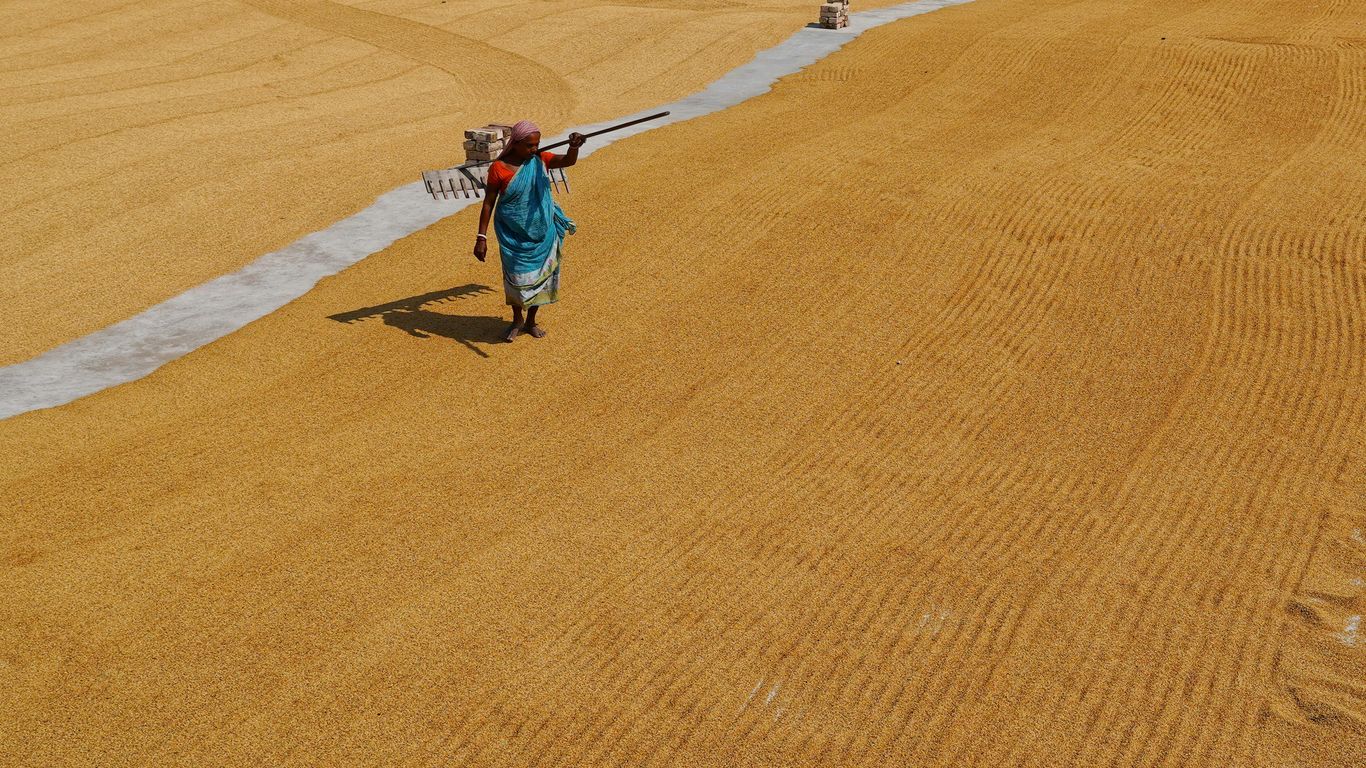
India’s farms are getting a serious tech upgrade, and it’s happening fast. We’re talking about a whole new way of farming that’s smarter, more efficient, and way better for the planet. It’s not just about bigger harvests; it’s about making farming more sustainable and profitable for everyone involved.
Precision Agriculture and Smart Farming Solutions
This is where technology meets the soil. Think of it as giving farmers super-powers to manage their land. Using things like satellite images, drones, and sensors scattered across the fields, farmers can now see exactly what their crops need, when they need it. This means watering only where it’s dry, fertilizing just the right spots, and catching problems like pests before they spread. This data-driven approach helps cut down on waste – less water, fewer chemicals – and can seriously boost how much you grow, sometimes by up to 30%. It’s like having a crystal ball for your farm, helping you make the best decisions every single day.
AI-Powered Advisory Platforms for Farmers
Imagine having an expert agronomist in your pocket, available 24/7. That’s what AI advisory platforms are becoming for Indian farmers. These smart systems analyze local weather patterns, soil conditions, and even predict pest outbreaks. They then send personalized advice straight to a farmer’s phone. This is a game-changer, especially for farmers in areas with tricky microclimates or unpredictable weather. It helps them adapt, protect their crops, and get better yields, making farming less of a gamble and more of a science.
Biotechnology and Genomic Advancements
Beyond the tech you can see, there’s a lot happening at the genetic level. Scientists are developing crops that can handle tough conditions better – think seeds that need less water or can survive in salty soil. They’re also looking at natural ways to boost plant health, like using beneficial microbes instead of harsh chemicals. These advancements are key to making agriculture more resilient in the face of climate change and improving soil health for the long run. It’s about growing more food with fewer resources and less impact on the environment.
Blockchain for Transparent Supply Chains
Ever wondered where your food really comes from? Blockchain technology is starting to answer that question for Indian agriculture. It creates a secure, digital record of a product’s journey from the farm all the way to your plate. This transparency helps reduce fraud, ensures better quality control, and can even help farmers get fairer prices for their produce. It builds trust throughout the entire food system, which is good for farmers, businesses, and consumers alike.
Technological Integration in Indian Agriculture
If there’s one thing that’s really changing how farming works in India right now, it’s the big push to bring technology into every part of the process. This isn’t just about fancy gadgets; it’s about making things work better, from the field to the market. A lot of this is thanks to more people having smartphones and better access to data, plus a growing number of platforms that help new ideas take off.
The Rise of Mobile Applications for Farmers
It’s pretty wild to think about, but by 2025, it’s expected that over 60% of Indian farmers will be using mobile apps. These apps are becoming the go-to tool for getting important farming information and finding out where to sell their crops. Think of it like having a personal advisor right in your pocket. They can give advice on what to plant, when to water, and even warn about pests. This kind of instant access to knowledge is a game-changer, especially for farmers who might not have had easy access to this kind of help before.
IoT and Sensor-Based Farm Management
Beyond just apps, we’re seeing more farms using Internet of Things (IoT) devices and sensors. These little gadgets can monitor things like soil moisture, temperature, and humidity in real-time. This data helps farmers make smarter decisions about watering and fertilizing, so they don’t waste resources. It’s all about using exactly what the plants need, when they need it. This precision helps boost crop yields and also cuts down on costs and environmental impact. It’s a big step towards more efficient farming.
Automation and Robotics in Farming Practices
While it might sound a bit futuristic, automation and robotics are starting to show up in Indian agriculture too. We’re not talking about fully driverless tractors everywhere just yet, but things like automated irrigation systems and drones for spraying crops are becoming more common. These technologies can handle repetitive or difficult tasks, freeing up farmers to focus on other important aspects of their work. It also means tasks can be done more precisely and often faster than by hand. This is especially helpful for larger farms or for specific jobs that require a lot of labor.
Addressing Challenges in Agriculture For India
Even with all the exciting new tech, Indian agriculture still has some big hurdles to jump. It’s not all smooth sailing, and we need to talk about what’s holding things back.
Bridging Rural Infrastructure Gaps
This is a pretty major one. Think about it: if you grow a bunch of amazing produce, but there’s nowhere good to store it, or the roads to get it to market are terrible, a lot of it just goes to waste. We’re talking about limited cold storage, not enough warehouses, and roads that are just not up to par. This really messes with what happens after the harvest.
- Limited Storage Facilities: Not enough cold chains mean perishables spoil quickly.
- Poor Connectivity: Bad roads make transporting goods slow and expensive.
- Market Access Issues: Farmers struggle to get their products to buyers efficiently.
Enhancing Credit and Insurance Accessibility
Getting a loan or insurance can be a real headache for many farmers, especially the smaller ones or those in less connected areas. It’s tough to get the money you need when you need it, or to have a safety net when things go wrong. This lack of financial support can stop farmers from investing in better practices or recovering from bad seasons.
Mitigating Post-Harvest Losses
This is a big deal, and it’s directly tied to infrastructure. Estimates suggest that a significant chunk of fruits and vegetables, maybe 20-30%, gets lost between the farm and our plates every year. That’s a lot of food and a lot of money gone. Better storage, processing, and transport are key here.
Climate Vulnerability and Adaptation Strategies
Weather is getting more unpredictable, and that’s a huge problem for farming. We’re seeing more extreme rain, longer dry spells, and new pests popping up. Farmers need ways to deal with this.
- Water Management: Using smarter irrigation techniques to save water.
- Resilient Crops: Planting varieties that can handle tougher conditions like heat or too much water.
- Early Warnings: Getting alerts about potential pest outbreaks or bad weather so farmers can prepare.
Opportunities for Growth in Indian Agriculture
Indian agriculture is really at a turning point, and there are some pretty big chances for things to get better and grow. It’s not just about growing more food, but about making more money from what’s grown and doing it in smarter ways.
Value Addition and Agro-Processing Expansion
This is a huge area. Instead of just selling raw crops, we can do more with them. Think about turning tomatoes into ketchup, or mangoes into juice. This means farmers get paid more for their hard work, and we can even sell these processed goods to other countries. It’s a win-win.
- Processing fruits and vegetables: This is a big one, as people want more ready-to-eat options.
- Dairy and meat processing: Turning milk into cheese or yogurt, and meat into packaged products.
- Grains and pulses: Milling, packaging, and creating ready-to-cook mixes.
The more we process, the more value we add, and that’s where the real money is.
Developing Allied Agricultural Sectors
Farming isn’t just about crops anymore. There are other areas that can really help farmers and the economy. Things like raising animals for milk or eggs, or fishing, can give farmers extra income and make them less dependent on just one crop. It also creates jobs for people in rural areas who might not be farming directly.
- Dairy: India already has a huge dairy sector, and there’s room to improve quality and reach more markets.
- Poultry: Chicken and egg production is growing fast to meet demand.
- Fisheries: Both inland and marine fishing offer significant potential.
Investing in Rural Skill Development
We’ve got a lot of young people in rural areas, and giving them the right skills can change everything. If they know how to use new farming tech, manage processing units, or even market products online, they become a really strong workforce. This isn’t just about farming skills; it’s about digital literacy, business management, and understanding new technologies. It makes rural areas more vibrant and less likely for young people to move to cities looking for work.
Leveraging Digital Platforms for Market Access
Getting farm produce to the right buyers at the right price has always been a challenge. Digital platforms are changing that. Farmers can now connect directly with buyers, see market prices in real-time, and even get advice on what to grow. This cuts out middlemen, reduces waste, and means farmers get a fairer deal. Mobile apps and online marketplaces are becoming the new town square for farmers.
Here’s a quick look at how digital platforms are helping:
| Area of Impact | 2020 (Estimate) | 2025 (Estimate) |
|---|---|---|
| Precision Farming Use | ~12% | ~35% |
| Mobile App Usage | ~29% | ~62% |
| Farmer Advisory | Basic | AI-Powered |
The Future Trajectory of Agriculture For India

So, what’s next for Indian agriculture? It’s a big question, right? Looking ahead, the path seems to be all about doing more with less, and doing it in a way that’s good for the planet. We’re talking about sustainable intensification, which basically means getting more food from the land we already have, without messing up the environment. This isn’t just a nice idea; it’s becoming a necessity.
Sustainable Intensification and Environmental Stewardship
This means using smarter farming methods. Think about things like better water management – not wasting a drop. It also involves using fertilizers and pesticides more carefully, so we don’t pollute the soil and water. Agroforestry, where trees are integrated into farms, is another big one. It helps with soil health, biodiversity, and even provides extra income. We’re also seeing a push for organic farming and tracking our carbon footprint. It’s a shift from just producing food to producing it responsibly.
Empowering Smallholder Farmers Through Technology
Now, a lot of the talk about technology can sound like it’s only for big farms. But the real future lies in making sure small farmers, who make up a huge part of Indian agriculture, can actually use these tools. By 2025, we expect over 60% of farmers to be using mobile apps for information and selling their produce. That’s a massive jump!
Here’s a quick look at how tech is changing things for them:
- Mobile Apps: Providing weather forecasts, pest alerts, and market prices right on their phones.
- Affordable Sensors: Helping them monitor soil moisture and nutrient levels without needing expensive equipment.
- Digital Advisory Services: Offering personalized advice based on their specific farm conditions.
It’s about bringing advanced farming knowledge to everyone, not just a few.
The Role of Digital Public Infrastructure
Finally, a lot of this progress hinges on something called Digital Public Infrastructure (DPI). Think of it as the digital backbone for agriculture. This includes things like:
- Digital Identity: Making sure farmers are properly identified for government schemes and credit.
- Data Platforms: Secure places to store and share farm data, which can be used to develop better tools and policies.
- Payment Systems: Easy and transparent ways for farmers to get paid for their produce.
When these systems are in place and work well, it makes everything else – from getting loans to accessing markets – much smoother and fairer for farmers across the country. It’s the foundation for a more connected and efficient agricultural future.
Looking Ahead: India’s Agricultural Journey Continues
So, as we wrap up our look at Indian agriculture in 2025, it’s clear things are really moving. We’ve seen how technology is changing the game, from smarter farming tools to better ways of getting food to people. It’s not all perfect, of course. There are still hurdles like making sure everyone has access to these new ideas and fixing up the basic infrastructure. But the direction is positive. With continued focus on innovation, sustainability, and making sure farmers of all sizes benefit, India’s farms are set to become more productive and resilient. It’s an exciting time for the people who feed the nation, and the changes we’re seeing now will shape the future for years to come.
Frequently Asked Questions
What’s new with farming in India by 2025?
Farming in India by 2025 is getting a tech upgrade! It’s all about using smart tools like apps, sensors, and even drones to help crops grow better and use resources wisely. While old challenges like weather and access to money still exist, new technologies are making farming more efficient and helping farmers make smarter choices.
What kind of new technology is being used in Indian farms?
Lots of cool tech is showing up! Think of ‘precision agriculture,’ where farmers use data from satellites and sensors to know exactly what each part of their field needs. AI is also helping by giving farmers advice on crops and warning them about pests. Plus, apps on phones are becoming super common for getting information and selling produce.
How does technology help farmers deal with problems?
Technology is a big help! For example, apps can provide weather forecasts and tips on how to protect crops from diseases. Smart irrigation systems save water, and better ways to store and transport food mean less gets wasted after harvest. Even things like tracing food back to the farm using blockchain can help ensure quality and fair prices.
Are there new ways to make farming more eco-friendly?
Yes, definitely! Farmers are looking at ways to grow more food without harming the environment. This includes using special seeds that need less water, finding natural ways to fertilize soil, and managing farm waste better. The goal is to grow food sustainably, which means protecting the planet for the future.
What are the biggest challenges farmers still face?
Even with new tech, some problems stick around. Many farmers have small pieces of land, which makes using big machines tricky. Getting loans and insurance can still be hard for some. Also, unpredictable weather due to climate change and not having enough places to store crops after they’re picked are major hurdles.
What opportunities are there for farming to grow in India?
There are many chances for growth! Turning farm products into more valuable items like processed foods can bring in more money. Growing related things like dairy or fish also helps. Plus, teaching young people new farming skills and using online platforms to sell directly to customers opens up new markets and jobs.