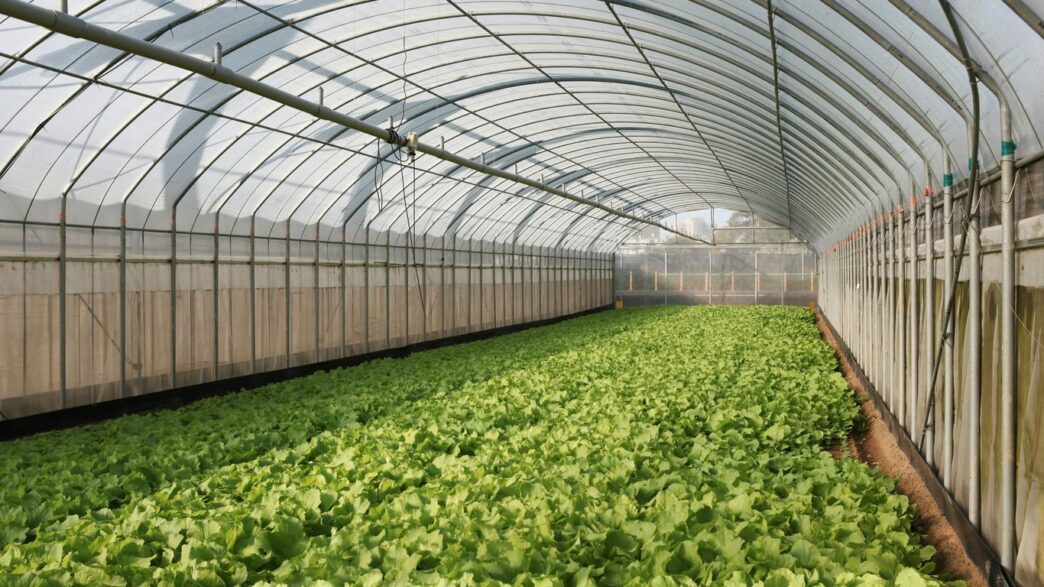
The world needs more food, and traditional farming isn’t always cutting it anymore. Weather’s gotten weird, and we just don’t have endless land. That’s where greenhouse farming comes in. It’s like giving crops their own perfect little home, year-round, no matter what’s happening outside. Think better yields, less water wasted, and even growing food right where people live. Plus, when you mix in new tech and clean energy, agriculture in greenhouse settings becomes a really smart way to feed everyone.
Key Takeaways
- Greenhouse farming offers a controlled environment for growing crops, leading to better yields and consistent harvests regardless of external weather.
- Modern greenhouses are using smart automation, like sensors and AI, to manage climate, watering, and lighting more efficiently.
- Hydroponic systems within greenhouses significantly cut down water use and speed up plant growth without needing soil or pesticides.
- Integrating renewable energy, especially solar power, makes greenhouse operations more sustainable and cost-effective.
- Biotechnology and data analysis are helping to create more resilient crops and optimize farming practices for increased productivity.
Innovations Revolutionizing Greenhouse Farming
Greenhouse farming isn’t exactly new, people have been doing it for ages. But lately, things have gotten way more interesting. We’re talking about a whole bunch of new tech that’s making greenhouses super efficient and productive. It’s like giving these controlled environments a serious upgrade.
Intelligent Automation for Enhanced Efficiency
Forget about manually watering plants or constantly fiddling with the thermostat. Modern greenhouses are getting smarter. We’re seeing automated systems that can handle irrigation, monitor nutrient levels in the water, and even adjust the climate based on what the plants actually need. Sensors are everywhere, keeping an eye on temperature, humidity, and light. This means farmers can spend less time on tedious tasks and more time on, well, running their farm. It’s all about making things run smoother and getting better results with less guesswork.
Advanced Climate Control Systems
Getting the environment just right for your crops is key. Advanced climate control systems go way beyond just heating and cooling. They can precisely manage humidity, CO2 levels, and even air circulation. Think of it like a high-tech bubble where you can create the perfect conditions for specific plants, year-round. This level of control helps prevent diseases, reduces stress on the plants, and ultimately leads to healthier crops and bigger harvests. It’s pretty wild how much control farmers can have now.
Data-Driven Farming Practices
This is where things get really interesting. Greenhouses are becoming data-gathering machines. Sensors collect tons of information about everything happening inside – from soil moisture to light intensity. This data is then analyzed, often with the help of software, to give farmers a clear picture of what’s working and what’s not. They can see trends, predict potential problems, and make informed decisions about how to optimize their growing process. It’s like having a crystal ball for your crops, helping you get the best possible yield and quality.
The Rise of Hydroponic Greenhouse Systems
So, you’ve probably heard about hydroponics, right? It’s this method of growing plants without any soil at all. Instead, the plants get their food from water that’s been mixed with all the good stuff they need to grow. It’s really catching on in greenhouses for some pretty solid reasons.
Reduced Water Usage in Hydroponics
This is a big one. Hydroponic systems can use up to 90% less water compared to regular farming. Think about it: the water gets recycled and goes straight to the plant roots. There’s not much evaporation, so it’s super efficient. This is a game-changer, especially in areas where water is scarce.
Accelerated Plant Growth Cycles
Because the plants are getting nutrients directly through the water, they can grow a lot faster. We’re talking about crops like lettuce and herbs that can be ready for harvest in just a few weeks. This means quicker turnaround times for farmers, which is great for business.
Pesticide-Free Cultivation Methods
Since there’s no soil, there are fewer places for pests and diseases to hide. This often means you don’t need to use chemical pesticides. The result? Cleaner produce that’s safer for us to eat. It’s a win-win for both the farmer and the consumer.
Types of Greenhouse Structures
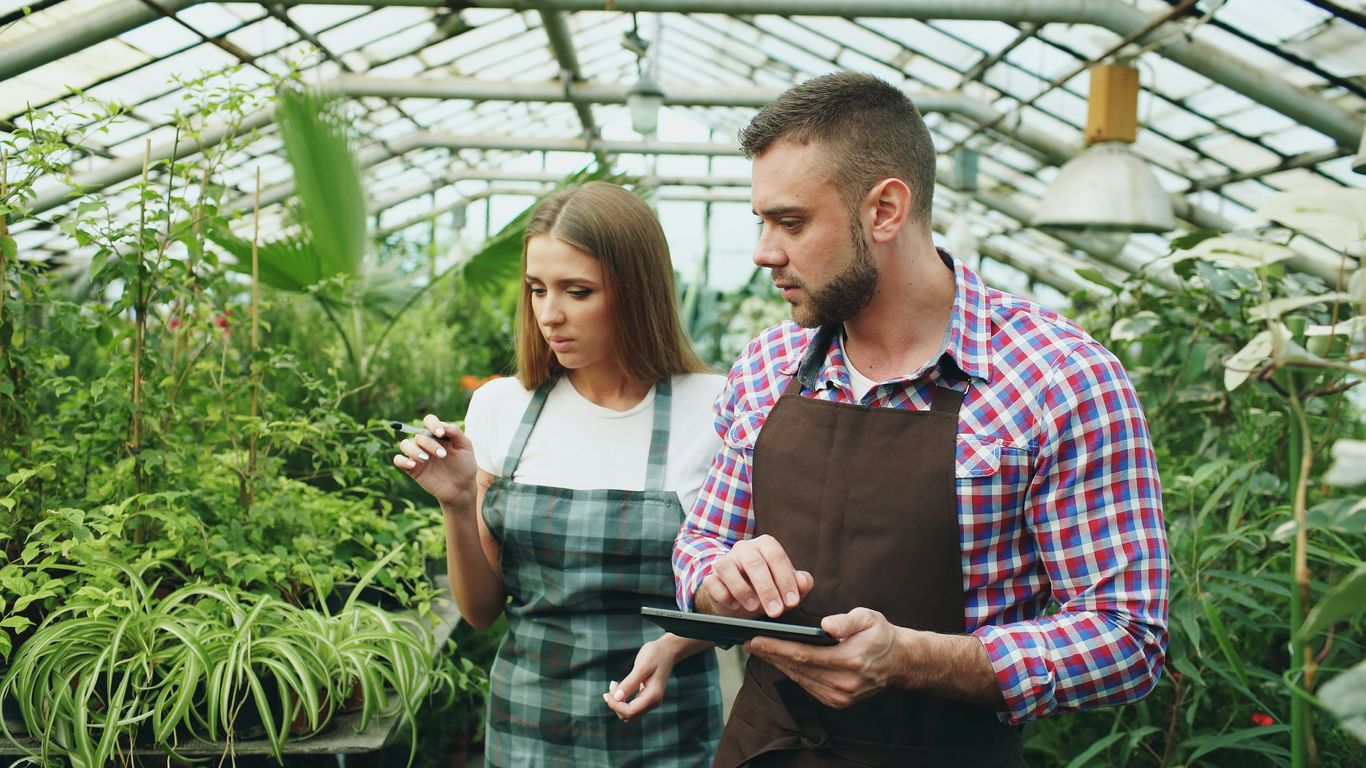
So, you’re thinking about greenhouses, huh? It’s not just one-size-fits-all, you know. The kind of structure you pick really changes how you farm and what you can grow. Let’s break down the main types you’ll see out there.
Glass Greenhouses for Optimal Light
These are the classic ones, the ones you probably picture when you think of a greenhouse. They use actual glass panels. The big plus here is how well they let sunlight in, which is obviously super important for plants. They’re pretty sturdy too, but yeah, they can be a bit of a headache to build and keep up with, and they usually cost more upfront. Think of them as the reliable, traditional choice, especially good if you’re in a place that doesn’t get a ton of sun all year round.
Cost-Effective Plastic Greenhouses
If you’re on a tighter budget or need something easier to put up, plastic greenhouses, often called polyhouses, are a popular option. Instead of glass, they use sheets of plastic, like polyethylene or polycarbonate. They’re way cheaper and quicker to assemble. Because they’re more affordable and flexible, you see these a lot in commercial farming, especially in areas where cost is a big factor. They might not last quite as long as glass ones, but they get the job done.
Shade Net Greenhouses for Hot Climates
Now, if you’re farming somewhere really hot, like in the tropics, you’ve got a different problem: too much sun. That’s where shade net greenhouses come in. They use special nets to block out some of the intense sunlight. This helps keep the temperature down inside and protects the plants from getting scorched. They’re often used for things like ornamental plants or starting seedlings, where you need to shield them from the harshest rays.
High-Tech Smart Greenhouses
These are the fancy ones, the future-forward structures. Smart greenhouses are packed with technology. We’re talking sensors, automation, and sometimes even AI. These systems can control pretty much everything – watering, lighting, CO₂ levels, you name it. They’re designed for serious commercial growers who want to produce a lot, keep costs down, and minimize waste. It’s all about precision and making the whole operation run smoothly with less manual work.
Integrating Renewable Energy in Agriculture
Farming, especially greenhouse operations, uses a good amount of power. Think about all the lights, pumps for watering, fans for air circulation, and heating or cooling systems. Relying solely on the regular power grid can get pretty expensive, particularly if your farm is out in the middle of nowhere. That’s where renewable energy really starts to shine.
Solar Power for Greenhouse Operations
Solar power is becoming a big deal for greenhouses. While setting up solar panels and the related gear might cost a bit upfront, the savings on electricity bills over time can be substantial. It’s a way to gain energy independence, meaning you’re not as tied to fluctuating grid prices or potential power outages. Plus, using solar energy means you’re cutting down on your farm’s carbon footprint, which is a good thing for the planet. Many systems can also include battery storage, so you’ve got power even when the sun isn’t shining, keeping those critical greenhouse systems running without a hitch. As your operation grows, you can usually add more panels to keep up with the demand.
Biogas Production from Farm Waste
This is a pretty neat way to turn a problem into a solution. Farms, especially those with livestock like dairy cows, produce a lot of manure. This manure can be put into a biodigester, which breaks it down and produces biogas. This biogas can then be used as a fuel source, sometimes even sold. It’s a win-win: you’re managing farm waste and creating energy at the same time. It also helps reduce methane emissions, which is a potent greenhouse gas. It’s a smart way to add another income stream to the farm while being more environmentally friendly.
Agrivoltaics: Solar Panels and Crops
Agrivoltaics is an interesting concept where you combine solar panels with farming land. You might see solar panels installed above crops or grazing areas. This setup can actually benefit the plants or animals below. For instance, the panels can provide shade during really hot weather, helping to reduce heat stress on crops or livestock. This can lead to better yields and healthier animals. The energy generated can be used to power the farm’s operations, or any excess can be sold. It’s a way to get two uses out of the same piece of land – growing food and generating clean electricity.
Biotechnological Advancements in Farming

Gene Editing for Crop Resilience
So, you know how sometimes crops just can’t handle a bit of bad weather or a pesky bug? Well, biotechnology is stepping in to help. Think of gene editing, like CRISPR, as a super precise tool that lets scientists tweak a plant’s DNA. They can make plants tougher, so they’re better at surviving dry spells or fighting off diseases. This means less worry for farmers and potentially more food on our plates, even when conditions aren’t perfect. It’s not about creating Frankenstein plants, but about giving them the best possible chance to thrive.
Automated Tissue Culture Propagation
Remember those tiny plant starts you sometimes see? Tissue culture is a way to grow a lot of them in a lab. Now, imagine doing that on a massive scale, but with robots. Automated tissue culture propagation is all about using machines to handle the delicate process of growing plantlets from small bits of tissue. This speeds things up, makes sure each plant is pretty much identical, and cuts down on the manual labor involved. It’s a big deal for getting a consistent supply of healthy young plants ready for the greenhouse.
AI and Biotechnology Synergy
This is where things get really interesting. We’ve got these amazing biotech tools, and then we have AI, which is great at crunching data and making smart decisions. When you put them together, it’s like giving your crops a super-powered support system. Imagine a greenhouse where AI monitors everything – light, temperature, nutrients – and then uses that info to tell the genetically improved plants exactly what they need. This combination helps us grow more food with fewer resources, like water and energy. It’s a partnership that’s really shaping the future of how we grow things, making farming smarter and more sustainable.
The Future of Controlled Environment Agriculture
Controlled Environment Agriculture, or CEA, is really changing how we think about growing food. It’s basically farming indoors, but with a super high-tech twist. We’re talking about total control over things like light, temperature, humidity, and even the CO2 levels. This lets crops grow in perfect conditions, no matter what’s happening outside. Think greenhouses, vertical farms, and other indoor setups where everything is dialed in for optimal plant growth.
AI-Automated CEA Systems
One of the biggest game-changers right now is AI stepping into CEA. It’s not just about having a controlled environment anymore; it’s about making that environment smarter. AI systems can monitor everything constantly using sensors. They learn what works best for specific crops and can automatically adjust settings to keep things just right. This means:
- Year-round production: Consistent conditions mean you can grow crops all year, not just when the weather cooperates.
- Reduced labor needs: Automation takes over repetitive tasks like watering, lighting, and nutrient delivery, freeing up people for more complex jobs.
- Better decision-making: AI analyzes data to help growers fine-tune their operations, leading to higher yields and less waste.
The integration of AI is making CEA more efficient and accessible than ever before. It’s helping to bring fresh food closer to urban centers, cutting down on transportation and making food systems more resilient.
Aeroponics for Vertical Growth
When we talk about maximizing space, aeroponics is pretty amazing. This method grows plants without any soil at all. Instead, the plant roots hang in the air and are misted with a nutrient-rich water solution. This is super useful for vertical farming, where you stack layers of crops on top of each other.
- Space efficiency: Growing upwards means you can produce a lot more food in a small footprint.
- Water savings: Aeroponic systems use significantly less water compared to traditional farming because the water is recirculated.
- Faster growth: With direct access to nutrients and oxygen, plants often grow faster.
It’s a really neat way to grow things, especially in cities where land is scarce.
Addressing Energy Demands in CEA
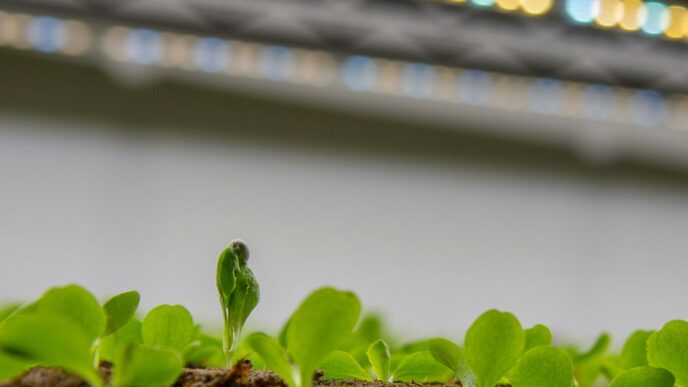
Now, let’s be real, keeping these high-tech farms running takes energy. Controlling the environment, especially lighting and climate, can be a big energy consumer. This is a challenge that researchers and companies are actively working on. Innovations in LED lighting are helping a lot – they use less power and last longer than older types of lights. Plus, you can actually tune the light spectrum to what the plants need at different growth stages. High-performance HVAC systems are also getting more efficient, using less energy to maintain the perfect temperature and humidity. The goal is to make CEA not just productive, but also sustainable from an energy perspective. We’re seeing more farms integrate renewable energy sources, like solar power, to help offset their energy use. It’s a work in progress, but finding ways to power CEA cleanly is key to its long-term success.
Looking Ahead: The Greener, Smarter Farm
So, it’s pretty clear that greenhouses are changing how we grow food. With all these new technologies, like smart sensors and hydroponics, farming can happen almost anywhere, any time of year. Plus, using things like solar power means we can grow food more cleanly. It’s not just about getting more food on the table; it’s about doing it in a way that’s better for the planet. This shift towards controlled environments and renewable energy is really setting the stage for a more reliable and sustainable food future for everyone.
Frequently Asked Questions
What exactly is greenhouse farming?
Greenhouse farming is a way of growing plants inside a special building called a greenhouse. This building lets farmers control things like the temperature, how much light the plants get, and the humidity. It’s like giving plants their own perfect home, so they can grow better and all year round, no matter what the weather is like outside.
How is hydroponic farming different from regular farming?
Hydroponic farming is super cool because it doesn’t use soil! Instead, plants grow with their roots in water that has special nutrients mixed in. This means plants can grow much faster and use way less water. Plus, since there’s no soil, it’s harder for pests to live there, so farmers often don’t need to use bug sprays.
Why are greenhouses good for the environment?
Greenhouses can be really good for the environment. They help farmers use less water, and when they’re powered by things like solar panels (sun power!), they don’t create as much pollution. Growing food closer to where people live also means less fuel is used to transport it.
What does ‘smart greenhouse’ mean?
A ‘smart greenhouse’ is like a high-tech greenhouse. It uses computers, sensors, and sometimes even artificial intelligence (AI) to automatically manage everything. It can perfectly control the lights, water, and temperature for the plants, making farming more efficient and reducing waste.
Can you really grow food with just sunlight and water?
Yes, you can! Hydroponic and aeroponic systems use nutrient-rich water to feed plants. When these systems are inside a greenhouse with good lighting (which can come from the sun or special lights), plants can grow really well. It’s all about giving them the right food and environment.
What is agrivoltaics?
Agrivoltaics is a clever idea where farmers put solar panels over their crops or fields. These panels can provide some shade for the plants, which helps them during hot weather. The panels also generate electricity that the farm can use or sell, so it’s like growing two things at once: crops and power!