Pioneering Innovations in Applied Materials & Engineering
Driving Technological Advancements
It’s pretty wild to think about how much the world has changed just in the last decade, right? A lot of that has to do with the materials we use and how we engineer them. Applied Materials is right in the thick of it, working on stuff that makes our phones smarter, our TVs clearer, and even helps us build faster computers. They’re not just making parts; they’re figuring out entirely new ways to build things at a microscopic level. This constant push for new materials is what keeps technology moving forward. Think about it – without better batteries, we wouldn’t have the electric cars we see everywhere now. Or without stronger, lighter materials, airplanes wouldn’t be as efficient. It’s a behind-the-scenes kind of magic, but it’s happening every day.
Shaping Future Chips and Displays
When you look at your phone screen, or the latest gaming console, there’s a good chance Applied Materials had a hand in making the components that make it all work. They’re involved in creating the tiny, intricate chips that power everything, and the vibrant displays we look at. It’s a complex process, involving a lot of science and engineering to get these things just right. They work on things like:
- Semiconductor Manufacturing: Developing the tools and processes to etch incredibly detailed patterns onto silicon wafers, which are the basis for all computer chips.
- Display Technologies: Creating materials and methods for brighter, more energy-efficient screens, whether it’s for your phone, a TV, or even augmented reality glasses.
- Advanced Packaging: Figuring out how to connect all these tiny components together in new ways to make devices smaller and more powerful.
A Legacy of Materials Engineering Solutions
Applied Materials has been around for a while, over 55 years actually. They started small but have grown into a major player. They’ve built up a lot of knowledge over the years, helping companies all over the world solve tough problems related to materials. It’s not just about inventing something new; it’s also about making sure it can be produced reliably and at a large scale. This means they have a long history of providing practical solutions that actually get used in the real world, impacting everything from electronics to energy. They’ve seen trends come and go, and they’ve adapted, always focusing on the science of making things better.
Diverse Career Trajectories in Applied Materials & Engineering
So, you’re thinking about a career in materials and engineering, huh? It’s not just about sitting in a lab all day, though that’s part of it for some. Applied Materials, for instance, has a whole range of jobs that keep the world’s tech humming. It’s a field where you can really build something tangible that impacts how we all live.
Engineering Excellence
This is probably what most people picture first. You’re designing, testing, and improving the machines and processes that make the tiny components in our phones, computers, and all sorts of other gadgets. It’s about solving tough problems, often with materials that are pretty exotic. You might be working on ways to make chips smaller, faster, or more energy-efficient. It requires a sharp mind and a knack for details. Think about it: someone has to figure out how to deposit a layer of material that’s only a few atoms thick, perfectly. That’s engineering at its finest.
Field Service and Client Engagement
Not everyone wants to be behind a desk or in a cleanroom. This path is for the folks who like to be out and about, working directly with customers. When a big factory has one of Applied Materials’ machines down, it’s a field service engineer who gets called in. You’re the one troubleshooting the problem, fixing the equipment, and making sure the client’s production line gets back up and running. It’s a hands-on role that requires good technical skills and the ability to communicate well with people. You’re the face of the company to the customer, and your ability to solve their issues is super important.
Global Supply Chain Optimization
Behind every piece of advanced technology is a massive network of suppliers and logistics. This is where supply chain professionals come in. They’re the ones making sure all the raw materials and components get to where they need to be, on time, and without costing a fortune. It’s a complex dance involving planning, negotiation, and keeping a close eye on global markets. You might be figuring out the best way to ship delicate parts across continents or managing relationships with dozens of different suppliers. It’s a critical role that keeps the whole operation moving smoothly.
Here’s a quick look at some areas within the supply chain:
- Procurement: Finding and buying the materials needed.
- Logistics: Moving those materials and finished goods around the world.
- Planning: Making sure there’s enough of everything, but not too much.
- Supplier Management: Building and maintaining relationships with the companies that provide parts and services.
Cultivating Talent in Applied Materials & Engineering
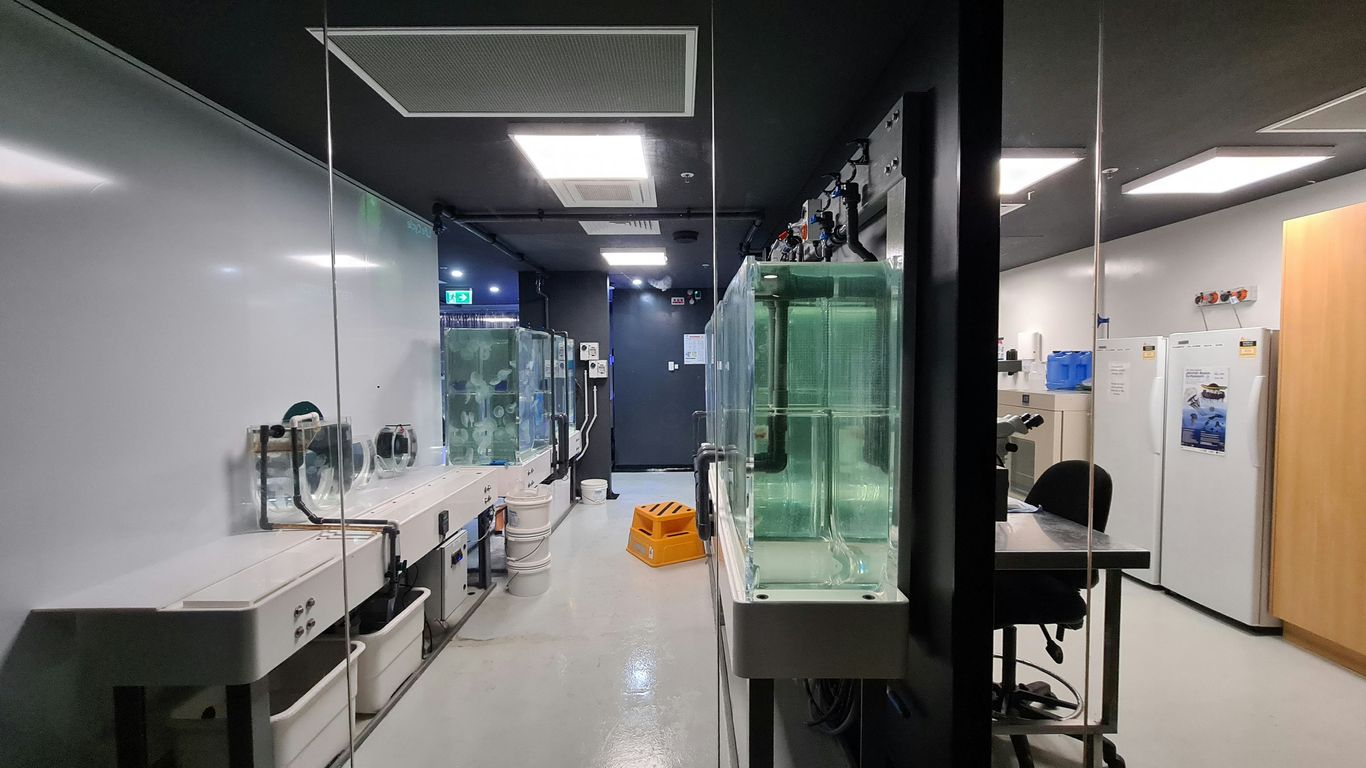
So, how do you actually get started in this field, or if you’re already in it, how do you keep growing? It’s not just about having a degree, you know. Applied Materials really focuses on bringing in new people and helping them learn the ropes. They have these internship programs, which are pretty cool. It’s a way for students to get their feet wet, see what it’s like working on real projects, and figure out if this is the right path for them. It’s not just busy work either; you’re often working alongside experienced folks who know their stuff.
Then there are the entry-level positions. These are for folks who have finished school and are ready to jump in. Think of it as the next step after an internship, or if you’re coming straight out of college. You’re not expected to know everything, of course. The idea is that you’ll be learning a lot on the job. They pair you up with people who can show you the ropes, answer your questions, and generally help you get up to speed. This hands-on experience is where a lot of the real learning happens.
Here’s a quick look at how they structure some of this early development:
- Internships: Great for students to get a taste of the industry and build connections.
- Entry-Level Roles: Designed for recent graduates to start contributing and learning.
- Mentorship: Pairing newer employees with seasoned professionals for guidance.
- Project Work: Getting involved in actual tasks that have a real impact.
It’s a whole system designed to make sure that the next generation of engineers and technicians has the skills and the support they need to succeed. It’s not just about filling seats; it’s about building a strong team for the future.
The Collaborative Environment of Applied Materials & Engineering
Fostering Creativity Through Diversity
Working at a place like Applied Materials isn’t just about crunching numbers or staring at screens all day. It’s about people, and how different ideas bump up against each other to create something new. Think about it: you’ve got folks from all sorts of backgrounds, with different ways of looking at problems. This mix is where the real magic happens. When you bring together engineers, scientists, and support staff who see the world differently, you get solutions that nobody would have thought of alone. It’s like a potluck for ideas – everyone brings something unique to the table, and the result is way better than if we all brought the same potato salad.
Professional and Personal Growth
So, you’re in, you’re working on cool stuff, and you’re surrounded by smart people. What’s next? Well, the company really tries to help you grow, both in your job and as a person. They offer chances to learn new skills, maybe take on projects that are a bit outside your comfort zone. It’s not just about climbing the ladder, either. It’s about feeling like you’re actually getting better at what you do and maybe even figuring out what you really want to do. They have programs that help you learn from people who’ve been doing this for ages, which is pretty handy.
Here’s a quick look at how they support growth:
- Skill Development Workshops: Regular sessions on new tech and soft skills.
- Cross-Departmental Projects: Opportunities to work with different teams and learn their roles.
- Advanced Training Programs: For those looking to specialize or move into leadership.
Community Engagement and Corporate Responsibility
It’s not all about making the next big gadget, though. Companies like this also have a role to play in the bigger picture. Applied Materials gets involved in the community, trying to make a positive difference. This could be anything from supporting local schools to environmental initiatives. It’s a way for the company, and the people who work there, to give back. Plus, it just feels good to know you’re part of something that’s trying to do more than just turn a profit. It builds a sense of pride and connection, making the workplace feel like more than just a job.
Navigating Your Career in Applied Materials & Engineering
So, you’re thinking about a career in materials and engineering, specifically with a company like Applied Materials? That’s a smart move. It’s a field that’s always changing, and figuring out where you fit in can feel like a puzzle. But don’t worry, it’s totally doable.
Exploring Job Openings
First things first, you need to see what’s actually out there. Applied Materials has a bunch of different roles, and they’re usually pretty clear about what they’re looking for. You can check their careers page – it’s a good place to start. They often list jobs by department or location, which helps narrow things down. It’s not just about engineering either; think about roles in supply chain, customer support, or even project management. They break down the responsibilities, so you get a feel for the day-to-day.
Here’s a quick look at some common areas:
- Engineering Roles: Designing, testing, and improving the machines that make chips and displays.
- Field Service: Traveling to customer sites to fix equipment and keep things running smoothly.
- Supply Chain: Making sure parts get where they need to be, on time and without issues.
- Research & Development: Working on the next big thing in materials science.
Identifying Your Impact
Once you start looking at openings, think about what kind of work actually excites you. Are you someone who likes solving complex technical problems? Or maybe you’re better at working with people and making sure projects stay on track? Your impact can be huge, whether you’re designing a new process or ensuring a critical component reaches a factory on schedule. It’s about finding that sweet spot where your skills meet the company’s needs. Don’t just look at the job title; read the descriptions and imagine yourself doing that work. Does it sound like something you’d enjoy, even on a tough day?
Embarking on an Innovative Adventure
Starting a career here is really like jumping onto a moving train – a really fast, innovative train. There are tons of opportunities to learn and grow. You might start in an entry-level position or an internship, and before you know it, you could be leading a project. The company often talks about how they encourage people to keep learning and developing new skills. It’s not a static career path; it’s more of an ongoing journey. So, be ready to adapt, learn new things, and contribute to some pretty amazing technology. It’s a chance to be part of shaping what comes next.
Wrapping It Up
So, looking ahead to 2026, the world of applied materials and engineering is really heating up. We’ve seen how new ideas are popping up everywhere, changing how we make things and what we can even imagine building. It’s not just about fancy labs anymore; it’s about practical solutions that touch our everyday lives. For anyone thinking about their next career move, this field looks pretty promising. There are tons of different jobs available, from designing new stuff to making sure it all gets built and works right. It’s a field that needs all sorts of people, and it seems like there will be plenty of chances to learn and grow. Keep an eye on this space – it’s going to be an interesting few years.