The world is changing, and fast. We’re seeing more and more talk about how we can live better without messing up the planet. This isn’t just about recycling anymore; it’s about big ideas and new tech that can actually make a difference. From how we get our power to how we get around, cleantech is stepping in to offer some serious solutions. Let’s take a look at what’s happening and what it means for all of us.
Key Takeaways
- Clean technology, or cleantech, is all about new ideas and businesses that help make our planet healthier and reduce pollution.
- Renewable energy sources like solar and wind are becoming more common and cheaper, changing how we power our lives.
- Electric cars and other new ways to travel are cutting down on emissions from our vehicles.
- Building smarter cities and homes with energy-saving materials and tech helps use resources better.
- Cleantech is also pushing for a circular economy, where we reuse and recycle more, making less waste.
The Evolving Landscape Of Cleantech Innovations
Defining Clean Technology For A Sustainable Future
So, what exactly is clean technology? Think of it as any new idea or business that helps make our planet a bit healthier. It’s all about taking care of the Earth so it’s a better place for us now and for people down the road. This isn’t just about fancy gadgets; it’s about practical solutions that cut down on pollution, use resources smarter, and generally make things less harmful to the environment. The core goal is to reduce our negative impact on the planet.
Key Areas Driving Cleantech Advancements
Cleantech is a pretty broad field, but a few big areas are really pushing things forward:
- Renewable Energy: This is a huge one. We’re talking about getting power from the sun, wind, water, and even the Earth’s heat. Innovations here are making these sources more reliable and cheaper to use.
- Sustainable Transportation: Getting around without burning fossil fuels is key. Electric cars are the obvious example, but there’s also work on hydrogen fuel cells and other cleaner ways to travel.
- Green Building: How we construct and manage our buildings makes a big difference. This includes using eco-friendly materials and making sure buildings use less energy for heating, cooling, and lighting.
- Waste Reduction and Recycling: Instead of just throwing things away, cleantech is finding better ways to reuse materials and cut down on the trash we produce.
- Carbon Capture: This is a newer but important area, focusing on ways to capture carbon dioxide emissions before they enter the atmosphere or even pull them out of the air.
The Role Of Cleantech In Reducing Environmental Impact
Cleantech plays a massive role in tackling environmental problems. By switching to cleaner energy sources, we lessen our reliance on coal and oil, which significantly cuts down on air pollution and greenhouse gas emissions. Think about it: every solar panel installed or wind turbine spinning is a step away from polluting power plants. In transportation, electric vehicles mean fewer fumes in our cities. Even in manufacturing, new processes are designed to use less water and energy, and produce less waste. It’s all about making everyday activities and industries work with nature, not against it. Ultimately, cleantech is about creating systems that can keep going without damaging the planet.
Pioneering Renewable Energy Solutions
The way we power our lives is changing, and fast. For a long time, we’ve relied on burning stuff like coal and gas to get electricity, but that’s not really working out for the planet anymore. Luckily, we’ve got some pretty cool alternatives popping up, and they’re getting better and cheaper all the time.
Solar Power’s Growing Accessibility And Efficiency
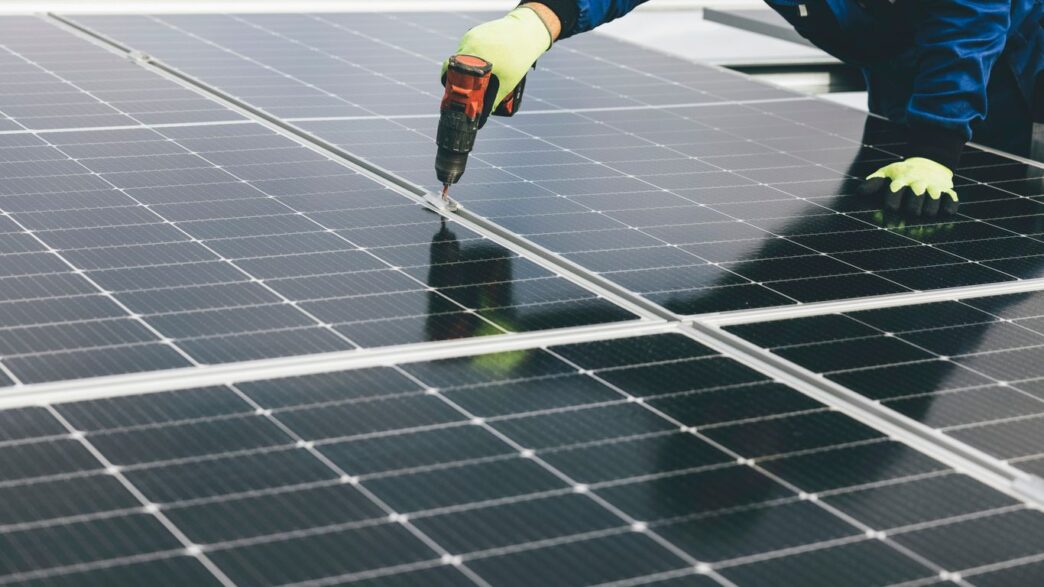
Think about solar panels. They used to be super expensive and not very good at their job. Now, though? They’re way more efficient, and you can actually afford to put them on your roof. This means more homes and businesses can make their own clean electricity. It’s not just about saving money on your bills, either. It’s about taking power generation into your own hands and cutting down on pollution.
Harnessing Wind Energy For Grid-Scale Power
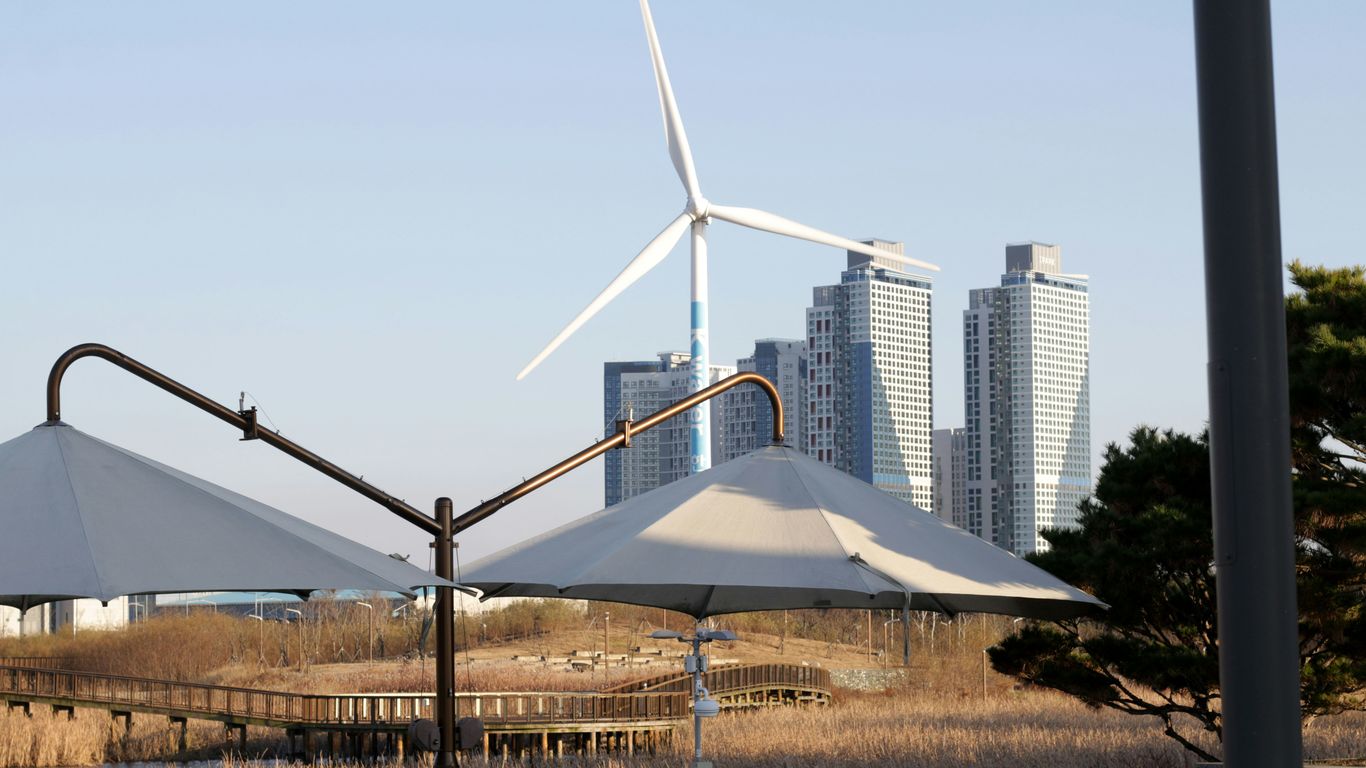
Wind turbines are another big player. You see them popping up everywhere, from fields to the ocean. These giants are now capable of generating massive amounts of electricity, enough to power entire cities. They’re a key part of moving away from fossil fuels and getting closer to a power grid that doesn’t harm the environment. It’s pretty amazing to think that wind can do so much heavy lifting.
Innovations In Hydropower And Other Renewables
It’s not just sun and wind, though. Hydropower, using the force of moving water, has been around for ages but is still getting upgrades. Plus, there are other sources like geothermal energy, which taps into the Earth’s heat. These aren’t always as flashy as solar or wind, but they play an important role in creating a diverse and reliable clean energy system. The goal is to have a mix of these technologies working together so we’re never short on power, and we’re not damaging the planet in the process.
Transforming Mobility With Sustainable Transportation
The way we get around is changing, and fast. For a long time, cars and trucks running on gasoline have been the norm, but they’re also a big reason why we have so many greenhouse gases in the air. That’s why cleantech is stepping in to shake things up.
The Rise Of Electric Vehicles And Charging Infrastructure
Electric vehicles, or EVs, are probably the most visible change. They don’t have tailpipes, so they don’t put out any pollution directly where you’re driving. Plus, when you charge them with electricity that comes from clean sources like solar or wind, they become even greener. Battery tech is getting better all the time, meaning EVs can go further on a single charge, and they’re not as expensive as they used to be. But for EVs to really take over, we need more places to charge them. Think of it like gas stations, but for electricity. Companies are working on building out networks of charging stations everywhere, from public parking lots to people’s homes.
- Battery improvements: Longer range, faster charging, and lower costs.
- Charging infrastructure: More stations in more places.
- Grid integration: Making sure the power grid can handle all the extra charging.
Exploring Hydrogen Fuel Cells And Alternative Fuels
EVs aren’t the only game in town. Hydrogen fuel cells are another promising option. These use hydrogen to create electricity, with water vapor as the only byproduct. It’s a bit more complex than EVs right now, especially when it comes to producing and storing hydrogen cleanly, but it could be a great solution for bigger vehicles like trucks or buses that need to travel long distances. We’re also seeing interest in biofuels, which are made from organic matter, and other synthetic fuels that aim to reduce the carbon footprint of transportation.
Smart Mobility Solutions For Urban Environments
It’s not just about the vehicles themselves; it’s also about how we use them. Smart mobility is all about using technology to make getting around cities easier and more efficient. This includes things like:
- Ride-sharing apps: Connecting people who need a ride with drivers, reducing the number of cars on the road.
- Integrated public transit: Making it simple to plan trips using buses, trains, and other public transport, often through a single app.
- Traffic management systems: Using data to keep traffic flowing smoothly and reduce idling time, which cuts down on emissions.
These smart solutions help cut down on traffic jams and make our cities cleaner places to live. The goal is to move people and goods more efficiently while leaving a smaller mark on the planet.
Building Greener Cities And Infrastructure
Energy-Efficient Materials In Green Construction
Think about your house or apartment. How much energy does it take to keep it comfortable year-round? A lot, right? Well, the way we build things is changing, and it’s all about using smarter materials. We’re talking about stuff that helps keep the heat in during winter and out during summer, meaning your heating and cooling systems don’t have to work as hard. This isn’t just about fancy new gadgets; it’s about using things like better insulation, windows that are designed to block heat when you don’t want it, and even materials made from recycled stuff, like steel or glass. These choices might seem small, but when you add them up across entire buildings and cities, the energy savings are huge. Plus, using recycled materials means we’re not digging up as much new stuff from the earth.
Smart Grids And Advanced Energy Storage Systems
Our old power grids were pretty basic. They sent electricity out, and that was that. But now, we’re making them "smart." Imagine a grid that can talk back – it knows when and where electricity is needed most. This means less wasted power. It’s like having a traffic cop for electricity, directing it where it’s most useful. And what happens when the sun isn’t shining or the wind isn’t blowing? That’s where energy storage comes in. We’re getting much better at storing excess power, usually in big batteries, so we can use it later. This is a game-changer for renewable energy, making sure we have power even when our solar panels or wind turbines aren’t actively producing.
Integrating Technology For Smarter Urban Living
Cities are getting a tech upgrade, and it’s making life better and greener. Think about how traffic lights could work better if they knew how many cars were coming. Or how waste collection could be more efficient if trucks only went to bins that were actually full. Smart city tech uses sensors and data to manage things like traffic, energy use in public buildings, and even water systems. It’s about making cities run more smoothly and with less waste. This can mean less time stuck in traffic, cleaner air, and services that work better for everyone. It’s not just about convenience; it’s about making our urban spaces more livable and less of a drain on the planet.
Advancing The Circular Economy Through Cleantech
So, the circular economy. It sounds fancy, right? But really, it’s just about being smarter with our stuff. Instead of the old ‘take-make-dispose’ model, which is frankly a mess, we’re looking at ways to keep things in use for as long as possible. Think of it like a really good recipe where you use every last bit of the ingredients. Cleantech is a huge part of making this happen, offering up new tools and ideas to cut down on waste and make things last.
Innovative Recycling and Waste Reduction Strategies
Recycling has been around for ages, but cleantech is taking it to a whole new level. We’re not just talking about tossing plastic bottles into a blue bin anymore. New technologies are popping up that can break down materials more effectively, even things that used to be really hard to recycle. Plus, there’s a big push to reduce waste before it even becomes waste. This means smarter packaging, using materials that can be composted, and finding ways to reuse byproducts from one industry as raw materials for another. It’s all about closing the loop and not letting good stuff go to waste.
Here are a few ways cleantech is helping:
- Advanced Sorting: AI-powered systems can sort mixed waste streams with incredible accuracy, separating materials that humans or older machines would miss.
- Chemical Recycling: This is a game-changer for plastics. Instead of just melting them down, chemical processes can break plastics back into their original building blocks, which can then be used to make new, high-quality plastics.
- Upcycling Technologies: Finding creative ways to turn waste materials into higher-value products, like using old textiles to create insulation or turning food scraps into bioplastics.
Eco-Friendly Manufacturing Processes
Manufacturing is often a big source of pollution and resource use. Cleantech is stepping in to clean up its act. This involves using less energy, less water, and fewer harmful chemicals. Think about 3D printing, which can create complex parts with minimal material waste, or using renewable energy sources to power factories. We’re also seeing a rise in biodegradable materials that break down naturally at the end of their life, rather than sitting in a landfill for centuries. The goal is to make products without leaving a big environmental footprint.
Designing Products For Reuse and Repair
This is where things get really interesting. Instead of making products that are designed to break or become obsolete, cleantech is encouraging a shift towards products that are built to last. This means making things easier to fix when they go wrong. Companies are starting to think about modular designs, where you can swap out a broken part instead of replacing the whole item. There’s also a growing movement towards product-as-a-service models, where you lease a product and the company is responsible for its maintenance and eventual recycling. It’s a whole new way of thinking about ownership and consumption, all driven by the need to be more sustainable.
The Future Of Cleantech: Emerging Trends And Technologies

So, what’s next for cleantech? It’s not just about solar panels and electric cars anymore, though those are still super important. The real game-changers are happening behind the scenes, powered by some pretty smart tech. Artificial intelligence and the Internet of Things are quietly revolutionizing how we manage resources and reduce our impact on the planet. It’s like giving our planet a digital upgrade.
Artificial Intelligence And Machine Learning In Cleantech
Think about AI as the brain of cleantech. It can crunch massive amounts of data to figure out the most efficient ways to do things. For example, AI can optimize energy grids, predicting when and where power will be needed most, and then balancing supply from renewables. It’s also being used to design better materials for batteries or solar cells, making them more effective and cheaper. We’re seeing AI help in predicting weather patterns for better renewable energy generation, or even identifying leaks in water systems before they become big problems. It’s all about making systems smarter and less wasteful.
The Impact Of Internet Of Things (IoT) On Sustainability
Now, IoT is like the nervous system. It’s all those connected sensors and devices that collect real-time information. Imagine sensors in a forest that can detect the early signs of a wildfire, or smart thermostats in buildings that adjust heating and cooling based on actual occupancy, not just a schedule. IoT allows us to monitor everything from air quality in cities to energy usage in our homes. This constant stream of data, when fed into AI systems, gives us an unprecedented ability to manage our environment and resources more precisely. It’s about having eyes and ears everywhere, so we can react faster and more effectively to environmental challenges.
Carbon Capture, Utilization, And Storage Innovations
Even with all the progress in renewables, we still have emissions to deal with. That’s where Carbon Capture, Utilization, and Storage (CCUS) comes in. It’s not just about burying CO2 underground anymore. The ‘utilization’ part is key – finding ways to turn captured carbon into useful products. Think building materials, fuels, or even chemicals. This creates a new economic incentive for capturing carbon, making it more viable. While still developing, CCUS technologies are becoming more efficient and scalable, offering a way to address hard-to-abate emissions and potentially even reverse some of the damage already done. It’s a complex field, but the potential for turning a pollutant into a resource is huge.
Looking Ahead
So, what does all this mean for us? It’s pretty clear that the push for cleaner ways of doing things isn’t slowing down. From the way we power our homes to how we get around, new ideas are popping up all the time. It’s not just about big companies either; lots of smaller startups are getting in on the action with clever solutions. While it’s not always a smooth ride, the direction we’re heading is towards a more sustainable planet. It feels like we’re building something better, and that’s a pretty good feeling.