Farming is changing, and fast. It feels like just yesterday we were talking about basic tractors, and now we’re seeing robots and AI take over fields. This shift isn’t just about new gadgets; it’s a whole new way of growing food, making farms more efficient, and helping the planet. We’re going to look at some of the cool tech making this happen and how companies are leading the charge.
Key Takeaways
- Precision agriculture uses sensors, drones, and AI to give crops exactly what they need, cutting down on waste and boosting growth.
- Robots and automation are taking over repetitive farm jobs, from planting to harvesting, helping with labor shortages and improving consistency.
- Farm management platforms bring together lots of data, helping farmers make smarter decisions about yields, resources, and compliance.
- New technologies are helping farms become more sustainable by using less water and energy and reducing emissions.
- The rise of agtech is creating new kinds of jobs in agriculture, from data analysis to robot maintenance.
Precision Agriculture: The Heart of Modern Tech Agriculture
Precision agriculture is basically about giving crops exactly what they need, right when they need it. Think of it like a doctor giving a patient a very specific treatment instead of a one-size-fits-all approach. Instead of spreading fertilizer or water everywhere, we’re now able to target specific spots in a field. This means less waste, better growth, and a healthier environment. It’s not just a fancy idea anymore; it’s becoming the standard way to farm.
What Is Precision Agriculture?
Precision agriculture uses technology and data to manage fields at a granular level. It’s all about understanding the unique conditions of different parts of your land. This approach moves away from uniform application of resources like water, fertilizers, and pesticides. Instead, it focuses on applying the right amount, in the right place, at the right time. This targeted method helps maximize crop health and yield while minimizing environmental impact and operational costs.
Sensors Continuously Measure Soil Conditions
We’ve got sensors now that can sit right in the soil and constantly tell us what’s going on. They measure things like moisture levels, nutrient content, and the soil’s pH. This real-time data is super important. It lets farmers know exactly when and how much to irrigate or fertilize specific zones. No more guessing or over-applying, which saves water and reduces nutrient runoff into local waterways.
Drones and Satellite Imagery Deliver Detailed Views
Beyond what we can see from the ground, drones and satellites give us an aerial perspective. They capture high-resolution images, sometimes using special cameras that see beyond the visible light spectrum. This allows us to spot problems like pest infestations, disease outbreaks, or areas suffering from drought stress much earlier than we could otherwise. These detailed views help farmers intervene quickly and precisely, protecting their crops before issues spread.
AI Algorithms Analyze Data for Early Detection
All this data from sensors and imagery needs to be processed. That’s where artificial intelligence (AI) comes in. AI algorithms can sift through massive amounts of information, looking for patterns that might indicate a problem. They can predict potential issues like disease outbreaks or nutrient deficiencies before they become visible to the human eye. This predictive capability is a game-changer, allowing for proactive management rather than reactive fixes.
Robotics and Automation: Redefining Farm Labor
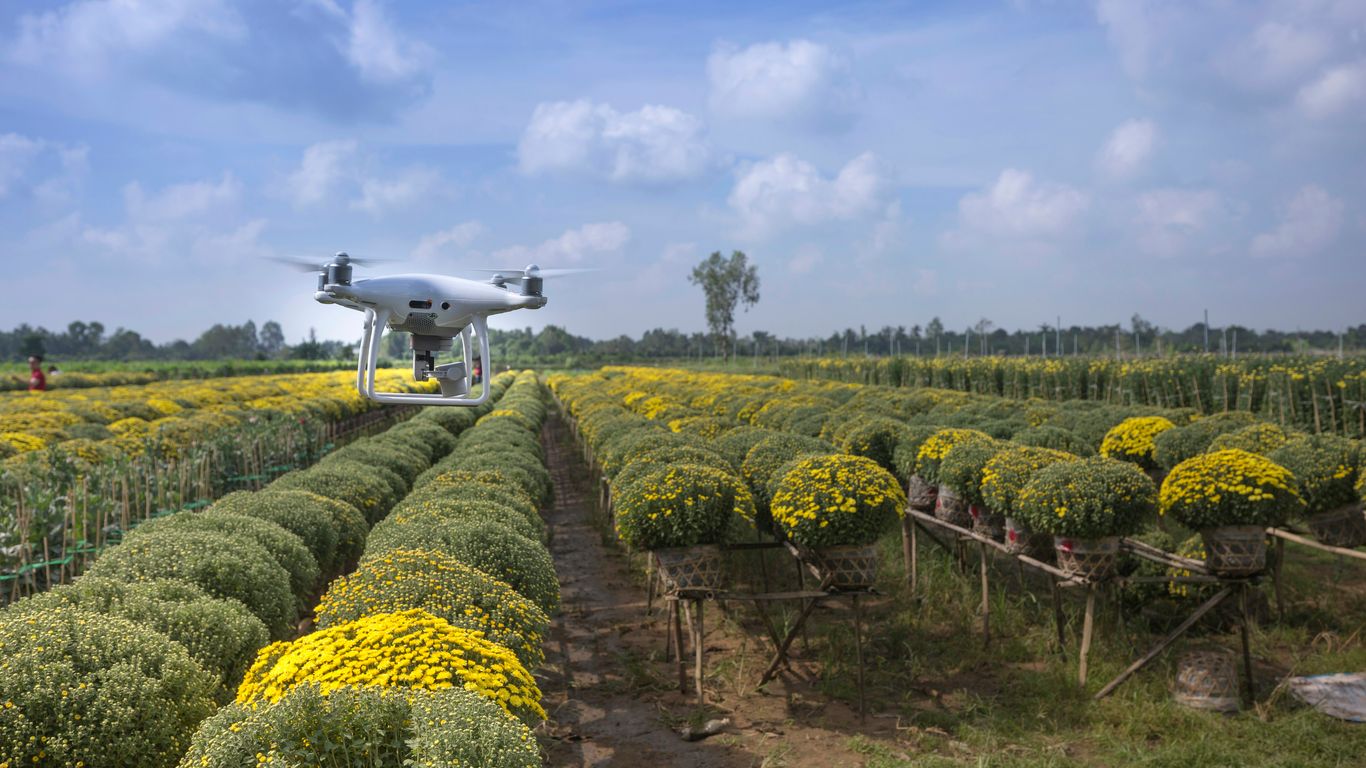
Farming has always been hard work, and for a long time, it relied heavily on people doing pretty much everything. But things are changing fast. We’re seeing a big shift where machines are taking over a lot of the tough, repetitive jobs. This isn’t just about making things easier; it’s about keeping farms running, especially where finding workers has become a real challenge.
Autonomous Tractors and Robotic Harvesters
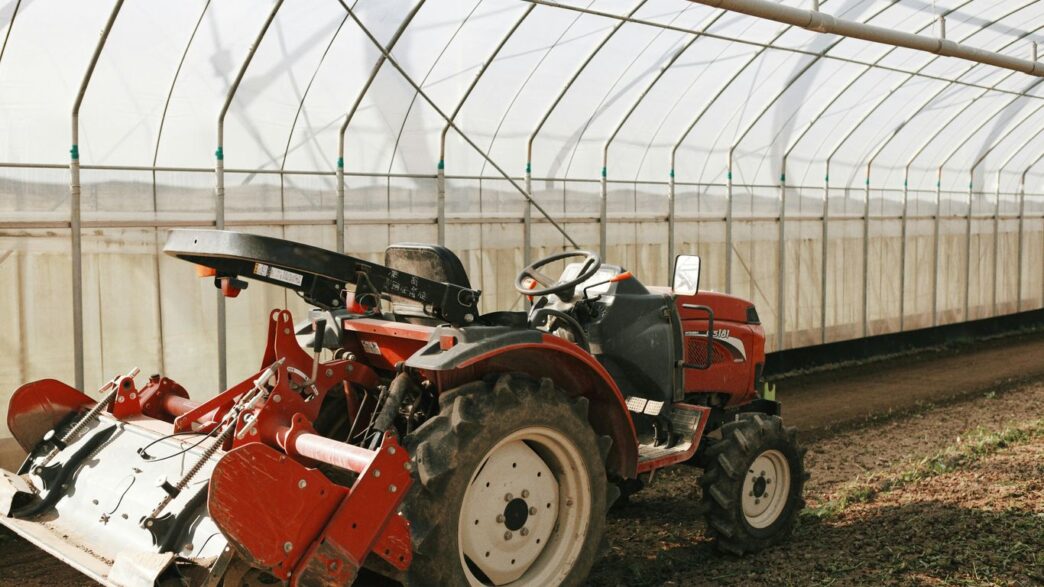
Imagine tractors that drive themselves, planting seeds or tilling fields with pinpoint accuracy, day or night. That’s what autonomous tractors are doing. They use GPS and other tech to follow exact paths, meaning less wasted space and fewer passes over the same ground. Then there are the harvesters. These robots are getting really smart. They can identify when a fruit or vegetable is perfectly ripe and pick it without bruising it. This is a huge deal for crops like strawberries or tomatoes, where timing is everything. These machines can work around the clock, helping to overcome labor shortages and keep harvests on schedule.
Weed Control Robots Eliminate Herbicides
Weeds are a constant headache for farmers. Traditionally, that meant spraying a lot of chemicals. But now, we have robots designed specifically to tackle weeds. These little machines can go through fields, identify weeds using cameras and AI, and then remove them. Some do this by precisely zapping the weed with a tiny bit of herbicide right at the root, while others might use mechanical tools. The key is they target only the weeds, leaving your crops untouched. This means farmers can use way less herbicide, which is better for the environment and for the health of the soil.
Automated Irrigation Systems Optimize Water Use
Water is precious, and using it wisely is more important than ever. Automated irrigation systems connect to sensors in the soil that tell them exactly how much moisture is there. They also pull in data from weather forecasts. Based on all this information, they decide precisely when and how much water each part of the field needs. No more guessing or overwatering. This smart approach saves a lot of water, which is good for the farm’s budget and for the planet.
Robotic Systems: A New Paradigm for Crop Care
Beyond just planting and harvesting, robots are stepping in for all sorts of crop care tasks. Think about pruning rose bushes with incredible precision or sorting tulip bulbs to make sure only the best ones get planted. These systems use advanced vision technology, sometimes even 3D imaging, to understand what they’re looking at and perform delicate operations. It’s like having a highly skilled farmhand for every specific task, but one that never gets tired and can be scaled up or down as needed. This level of automation is really changing how we think about managing crops from start to finish.
Data-Driven Insights: Modern Farm Management Platforms
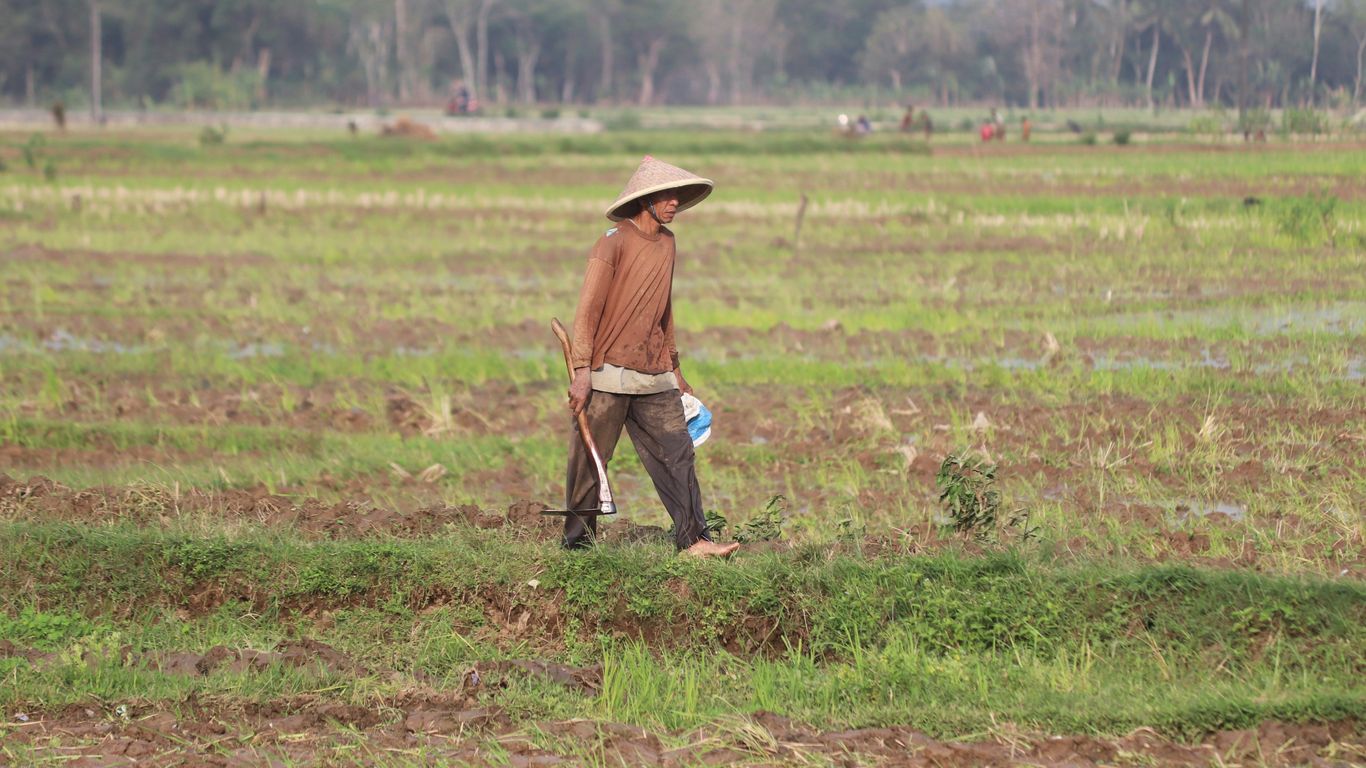
Farming today isn’t just about getting your hands dirty; it’s also about getting your head around a whole lot of information. Modern farm management platforms are like the central command center for your operation. They pull together all sorts of data – from the soil beneath your feet to the weather miles away – and make sense of it all. This allows farmers to move from guessing to knowing, making smarter decisions that boost efficiency and cut down on waste.
Think about it: you’ve got sensors in the field telling you about moisture and nutrient levels, drones giving you a bird’s-eye view of crop health, and even market trends influencing what you should plant. These platforms take all that and present it in a way that’s easy to understand. It’s not just about looking at numbers; it’s about seeing patterns and predicting what might happen next.
Aggregated Data Streams for Analytics
These platforms are designed to bring together information from many different sources. This includes:
- Weather Forecasts: Real-time and future predictions to help plan planting, irrigation, and harvesting.
- Soil Data: Continuous readings on moisture, pH, and nutrient content from sensors.
- Crop Health Monitoring: Information gathered from drones or satellite imagery, highlighting areas of stress or disease.
- Market Trends: Data on commodity prices and demand to inform planting and sales decisions.
Predictive Tools for Yield Forecasting
One of the most powerful aspects of these platforms is their ability to look into the future. Using historical data, current conditions, and AI, they can help predict:
- Yield Estimates: How much crop you’re likely to harvest, helping with logistics and sales.
- Pest and Disease Risk: Identifying potential threats before they become major problems, allowing for early, targeted intervention.
- Financial Simulations: Modeling different scenarios to understand the potential financial outcomes of various farming strategies.
Integrated Compliance and Certification Tracking
Keeping up with regulations and certifications can be a headache. Modern platforms help by automatically tracking activities related to compliance. This can include:
- Input Records: Logging exactly what fertilizers, pesticides, or water were used and where.
- Harvest Data: Recording yields and quality for traceability.
- Certification Requirements: Monitoring progress towards organic, sustainable, or other certifications.
Resource Allocation Management
Knowing where your resources are best used is key to profitability. These platforms help manage:
- Machinery Use: Optimizing the deployment of tractors, harvesters, and other equipment to reduce idle time and fuel consumption.
- Labor Scheduling: Assigning tasks efficiently based on real-time needs and worker availability.
- Water and Fertilizer Application: Ensuring these vital inputs are applied only where and when needed, based on sensor data and crop requirements.
Sustainability and Climate: New Pathways with Agtech
Farming has always been tied to the weather, but now, with all this new tech, we’re finding ways to work with the climate, not just against it. It’s about making farming better for the planet, and honestly, for our own future too. We’re seeing a big shift towards practices that use fewer resources and create less waste.
Renewable Energy Powers Farm Operations
Remember when farms just ran on diesel? That’s changing. Lots of farms are now putting up solar panels or even small wind turbines to power their equipment. Some are even looking into biogas from animal waste. It’s a smart move because it cuts down on fuel costs and makes the farm cleaner. Think about it: powering irrigation pumps or even robotic weeders with sunshine. It’s not just a dream anymore.
Reduced Emissions Through Precision Application
This is a big one. We used to spread fertilizer and pesticides pretty broadly, and a lot of it would just run off into rivers or get released into the air. Now, with precision agriculture, we can apply these things exactly where and when they’re needed. AI helps figure out the perfect amount for each small section of a field. This means less fertilizer getting wasted, which cuts down on greenhouse gases like nitrous oxide, and less pollution in our waterways. It’s like giving each plant just what it needs, no more, no less.
Food Security Enhanced by Controlled Environments
Sometimes, the best way to deal with unpredictable weather or tough climates is to control the environment. That’s where things like vertical farms and greenhouses come in. These setups let us grow food right in cities or in places that aren’t great for traditional farming. By growing food closer to where people live, we cut down on transportation emissions and make sure we have fresh food even when the weather outside is terrible. It really helps make our food supply more reliable, especially in areas that struggle with growing crops.
Tech Jobs in Agriculture: Career Transformation Through Agtech
It’s pretty wild how much farming has changed, right? Gone are the days when it was just about getting your hands dirty. Now, with all this new technology, farming is becoming a high-tech field, and that means new kinds of jobs are popping up everywhere. It’s not just for people who grew up on farms anymore; there’s a whole new world of opportunities opening up.
Data-Driven Decision-Makers Emerge
Think about it: farms are collecting more information than ever before. We’re talking about soil sensors telling us exactly what nutrients are needed, drones giving us bird’s-eye views of crop health, and weather stations feeding us real-time updates. Someone has to make sense of all that data. That’s where the data-driven decision-makers come in. They look at all these numbers and figures to figure out the best times to plant, water, and harvest. It’s like being a detective for your crops, but instead of solving crimes, you’re boosting yields and saving resources. This role requires a blend of agricultural knowledge and analytical skills, making it a really interesting career path.
Robotics Maintenance and Programming Roles
Remember those old tractors? Well, they’re getting a serious upgrade. We’ve got autonomous tractors driving themselves and robots out there picking fruit. These machines are amazing, but they don’t just work on their own forever. They need people to keep them running smoothly. That means mechanics who understand complex robotic systems and programmers who can tweak the software to make them work even better. If you’re good with machines and like figuring out how things tick, these jobs could be a great fit. It’s a far cry from just fixing a flat tire; this is about keeping cutting-edge technology on the move.
Agtech Software Developers Build New Platforms
Farms need smart tools to manage all this new tech. That’s where software developers come in. They’re the ones building the apps and platforms that farmers use to monitor their fields, track their inventory, and plan their operations. Imagine creating an app that helps a farmer decide exactly how much fertilizer to use, or a system that tracks produce all the way from the field to the grocery store. These developers are creating the digital backbone of modern agriculture, making farms more efficient and transparent.
Environmental Monitoring Specialists Utilize Satellite Technology
Keeping an eye on the environment is more important than ever. Satellite technology gives us a huge advantage here. Specialists use this imagery to check on water usage, monitor soil health across vast areas, and even track how farms are complying with environmental regulations. They can spot potential problems, like drought stress or nutrient runoff, before they become major issues. It’s a job that combines a love for the planet with a knack for interpreting complex data from space.
Farmonaut’s Role: Revolutionizing Agtech Agriculture with Satellite Technology
At Farmonaut, we’re really focused on using satellite tech to make farming smarter. It’s not just about pretty pictures from space; it’s about getting real, actionable information right to farmers. We combine satellite imagery with AI and blockchain to give a clearer picture of what’s happening on the ground, right now.
Satellite Imagery for Real-Time Farm Analytics
Think of it like having a constant bird’s-eye view of your fields, but with way more detail. Our satellite data can track crop health, soil moisture, and even spot potential problems like nutrient deficiencies or early signs of disease before they become big issues. This means you can react faster and more precisely.
- Monitor crop growth stages across large areas.
- Identify variations in soil moisture and temperature.
- Detect stress indicators in vegetation.
AI Tools for Predictive Strategies
Raw data is one thing, but making sense of it is another. That’s where our AI comes in. We use artificial intelligence to analyze all that satellite data, along with weather patterns and historical information. This helps us predict things like:
- Potential pest outbreaks based on environmental conditions.
- Optimal times for planting and harvesting to maximize yield.
- Water needs for different zones within a field.
This predictive power helps farmers move from reacting to problems to proactively managing their operations.
Blockchain Traceability for Secure Supply Chains
Getting food from the farm to your table involves a lot of steps. We use blockchain technology to create a transparent and secure record of a product’s journey. This means everyone in the supply chain, from the farmer to the consumer, can trust where the food came from and how it was produced. It’s all about building confidence and accountability in the food system.
The Road Ahead for Farming
So, what does all this mean for farming? It’s pretty clear that technology isn’t just a nice-to-have anymore; it’s becoming a must-have. From robots doing the heavy lifting to smart sensors telling us exactly what our crops need, the way we grow food is changing fast. Companies are really pushing the boundaries, making farms more efficient and, hopefully, better for the planet. It’s an exciting time, and it looks like the future of farming is going to be smarter, more connected, and definitely more interesting.
Frequently Asked Questions
What exactly is precision agriculture and why is it important for farming today?
Precision agriculture is like giving each plant exactly what it needs, when it needs it. Instead of watering or fertilizing the whole field the same way, we use smart tools like sensors and drones to see what different parts of the field need. This helps farmers use less water and fertilizer, grow healthier crops, and produce more food without wasting resources.
How are robots changing the way farms operate?
Robots are taking over many of the tough and repetitive jobs on farms. Think of self-driving tractors that plant seeds perfectly straight or robots that can pick ripe fruits without bruising them. There are even robots that can pull out weeds, meaning farmers don’t need to use as many chemicals. This makes farming more efficient and less physically demanding.
What are farm management platforms, and how do they help farmers?
These platforms are like a central command center for a farm. They gather information from all the smart tools – like soil sensors, weather stations, and drones – and put it all in one place. Farmers can then see everything on their computer or phone, helping them make better decisions about planting, watering, and harvesting to get the best results.
How does technology help make farming more environmentally friendly?
New technology helps farming be kinder to the planet in several ways. For example, precision farming means we only use the exact amount of water and fertilizer needed, reducing waste and pollution. Robots that remove weeds instead of spraying chemicals also help. Plus, farms are using more renewable energy like solar power to run their equipment.
What kind of new jobs are being created in farming because of technology?
Farming is becoming a high-tech field! New jobs are popping up for people who can work with data, program robots, fix smart equipment, and analyze information from satellites. These are exciting roles for people who enjoy technology and want to be part of growing our food in new and innovative ways.
How does Farmonaut use satellites to help farmers?
Farmonaut uses satellites to take pictures of farms from space. These pictures give farmers a bird’s-eye view of their fields, showing them how healthy their crops are, if there are any problems like pests or dry spots, and how much they might harvest. This helps farmers manage their fields more effectively and make smarter choices.