The Dawn Of Autonomous Restroom Care
It feels like just yesterday we were talking about fancy new mops, and now? We’re on the cusp of a whole new era in keeping our bathrooms clean. This isn’t just about making things sparkle; it’s about a fundamental shift in how we approach hygiene, especially in public spaces. Think about it: the old way involved a lot of elbow grease, questionable chemicals, and a constant battle against germs that never seemed to end. But the future is looking a lot more… robotic.
Fully Autonomous Restroom Robots
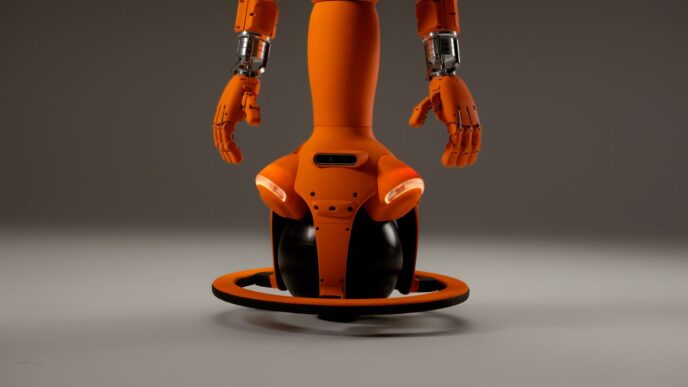
Forget those clunky floor scrubbers from the past. We’re talking about robots that can actually think and act. These aren’t just programmed to go in a straight line; they’re designed to open doors, figure out the layout of a tricky restroom, and get into all the nooks and crannies. Their main job is to handle the heavy-duty, overnight cleaning, leaving the human staff free to do the more detailed work during the day. This means less repetitive strain for people and a consistently cleaner environment.
Smart Sensor Integration For Dynamic Cleaning
Imagine a bathroom that tells you when it needs attention. That’s the idea behind smart sensors. Toilets, sinks, and soap dispensers will be able to signal when they’re running low or need a wipe-down. This data feeds into smart systems that can then send cleaning resources exactly where they’re needed, when they’re needed. It’s a move away from just cleaning on a schedule to a much smarter, on-demand approach. It’s like the bathroom is talking to the cleaning crew!
Advanced Disinfection Technologies
Cleaning isn’t just about scrubbing anymore. The next wave of restroom care involves advanced disinfection. We’re seeing more robots equipped with things like UV-C light, which is super effective at killing germs, and electrostatic sprayers that can coat surfaces evenly with disinfectant. These technologies work hand-in-hand with the physical cleaning, providing that extra layer of germ annihilation that we’ve come to expect, especially after recent global health events. It’s about achieving a level of clean that used to be reserved for hospitals.
Revolutionizing Hygiene With Robotic Precision
The "Robot Instructions™" Formula For A Sparkling Clean
Forget the old days of mops just pushing dirt around. We’re talking about a whole new level of clean here, thanks to what we at Robot Instructions™ call our "Formula for a Sparkling Clean." It’s not just about getting things wet; it’s about a systematic approach that robots can follow perfectly, every single time. This means using the right amount of cleaning solution, applying it with the correct pressure, and then removing all the dirty water and grime effectively. This precision is what separates a truly clean bathroom from one that just looks okay. It’s about tackling every nook and cranny, leaving no spot for germs to hide.
Enhanced Hygiene And Germ Annihilation
When we talk about hygiene, we’re really talking about getting rid of germs. Traditional cleaning methods, even when done by hand, can miss a lot. Think about it: how often does a mop really get into the tight corners or under the rim of a toilet? Robotic cleaners, however, are designed with this in mind. They can get into places humans can’t easily reach, and they do it consistently. Plus, many advanced systems now incorporate things like UV-C light, which is like a super-powered germ killer, or electrostatic sprayers that coat surfaces evenly with disinfectant. It’s a multi-pronged attack on bacteria and viruses, making bathrooms significantly safer.
Eco-Friendly Innovations In Cleaning
It’s not just about being clean; it’s about being clean responsibly. The future of bathroom cleaning is looking greener. We’re seeing machines that are designed to use less water, which is a big deal. Some can even use electrolyzed water – basically, water that’s been zapped with electricity to become a powerful cleaning agent. This means we can cut down on harsh chemicals, which is better for the environment and for the people using the facilities. It’s a win-win: a cleaner space and a healthier planet.
The Evolution Of Bathroom Cleaning Machines
From Mops to Machines: A Historical Overview
Think back to how bathrooms used to be cleaned. It was mostly string mops, buckets, and a lot of elbow grease. Honestly, those old string mops? They mostly just pushed dirt and germs around, never really getting rid of them. This meant restrooms weren’t just smelly, they were breeding grounds for sickness. Plus, the people doing the cleaning were often stuck with sore backs and knees from all the scrubbing. It was a tough, inefficient way to keep things tidy.
Then, things started to get interesting. Early floor scrubbers showed up, looking a bit clunky but definitely a step up. They could handle floors, at least. But the real game-changer was the idea of "No-Touch Cleaning." This approach aimed to clean without anyone having to touch the grimy surfaces. Imagine a system that could spray cleaner, blast away dirt with pressure, and then suck up all the dirty water. No more spreading germs with a dirty mop. This was the start of what we now consider modern bathroom cleaning machines, a path that’s now leading us to the robots we’re talking about today.
Defining The Modern Hygiene Solution
So, what exactly is a "bathroom cleaning machine" today? It’s basically a smart system designed to give a whole restroom a really thorough, germ-killing clean. Think of it like a mini, high-tech cleaning station for your bathroom. A lot of these modern machines work using a "spray-and-vac" method. Here’s how it generally goes:
- Spray: The machine applies a cleaning solution evenly onto surfaces like toilets, sinks, and floors.
- Dwell: The solution sits for a short time to break down dirt and kill germs.
- Rinse: A high-pressure spray washes away the loosened grime, getting into tough spots.
- Recover: A strong vacuum sucks up all the dirty liquid, leaving surfaces clean and almost dry.
This is way different from just wiping things down. It actually removes the mess and the germs, which is what you really want for a truly clean space.
Why Invest In A Dedicated Cleaning Machine?
People often ask if buying a special cleaning machine is worth the money. The answer is a big yes! It’s not just about having a fancy tool; it’s a smart move for health, saving time, and making your place look good. Public restrooms can get pretty gross, holding lots of bacteria. Old cleaning methods often miss the invisible gunk that builds up. A good machine can blast away up to 99.9% of certain germs, making the space much healthier. Plus, these machines can clean much faster than manual methods. Some studies show they can clean up to three times quicker, which saves on labor costs. They also tend to be designed better for the person using them, reducing the risk of injuries from repetitive tasks. It’s an investment that pays off in a cleaner, safer, and more efficient facility.
Real-World Impact And Future Potential
Customer Reviews And Success Stories
It’s one thing for us engineers to talk about how great these cleaning robots are, but it’s another thing entirely when the people actually using them see the difference. And let me tell you, the feedback we’re getting is pretty amazing. Facility managers and cleaning crews who’ve started using these machines are mostly saying good things. For example, Peter Sheldon Sr., who oversees operations for a big company called Coverall, mentioned how they use a no-touch cleaning system for all sorts of areas – restrooms, food spots, floors, you name it. He said it not only cleans better and more hygienically but also speeds things up. Then there’s Steve Sweney from Patriot Carpet Cleaning. He put one of these systems to work at a YMCA, and folks started emailing in about how clean the place looked, especially the grout. People noticed the smell and the overall appearance. It’s not just random stories; these are real examples showing how new cleaning tech can really change things for the better, making places cleaner and making customers happier.
The Future Of Bathroom Cleaning: What’s Next?
So, what’s on the horizon for keeping our bathrooms spick and span? We’re seeing robots that can do more than just scrub floors. Some can actually open doors, figure out tricky bathroom layouts, and clean toilets and sinks. Think of these as overnight deep cleaners, taking care of the really tough, repetitive jobs so human staff can focus on other things during the day. We’re also going to see more smart sensors. Imagine toilets or soap dispensers that can tell us when they need attention. This means cleaning can happen exactly when and where it’s needed, not just on a set schedule. Plus, expect to see more advanced disinfection tools like UV light and special sprayers built right into these robots. They’ll give that extra layer of germ-killing power after the physical cleaning is done. And for those who care about the planet, the trend is towards machines that use less water and can work with eco-friendly cleaning solutions, cutting down on harsh chemicals.
Data-Driven Cleanliness And Efficiency
This is where things get really interesting. We’re moving towards cleaning that’s guided by data. Machine learning algorithms will start looking at how spaces are used and what the sensors are telling us. This will help predict when and where cleaning is needed most, figure out the best routes for the robots, and even give us reports that prove how clean things really are. It’s about making cleaning smarter and more efficient. For instance, some autonomous equipment can already track how much area is cleaned each hour. This kind of information helps us see how productive the cleaning process is and where we can make improvements. It’s not just about having a clean bathroom; it’s about having a verifiable, efficient, and data-backed clean. This approach helps businesses manage their cleaning operations better and provides peace of mind that standards are being met consistently.
Maintenance And Longevity Of Cleaning Equipment
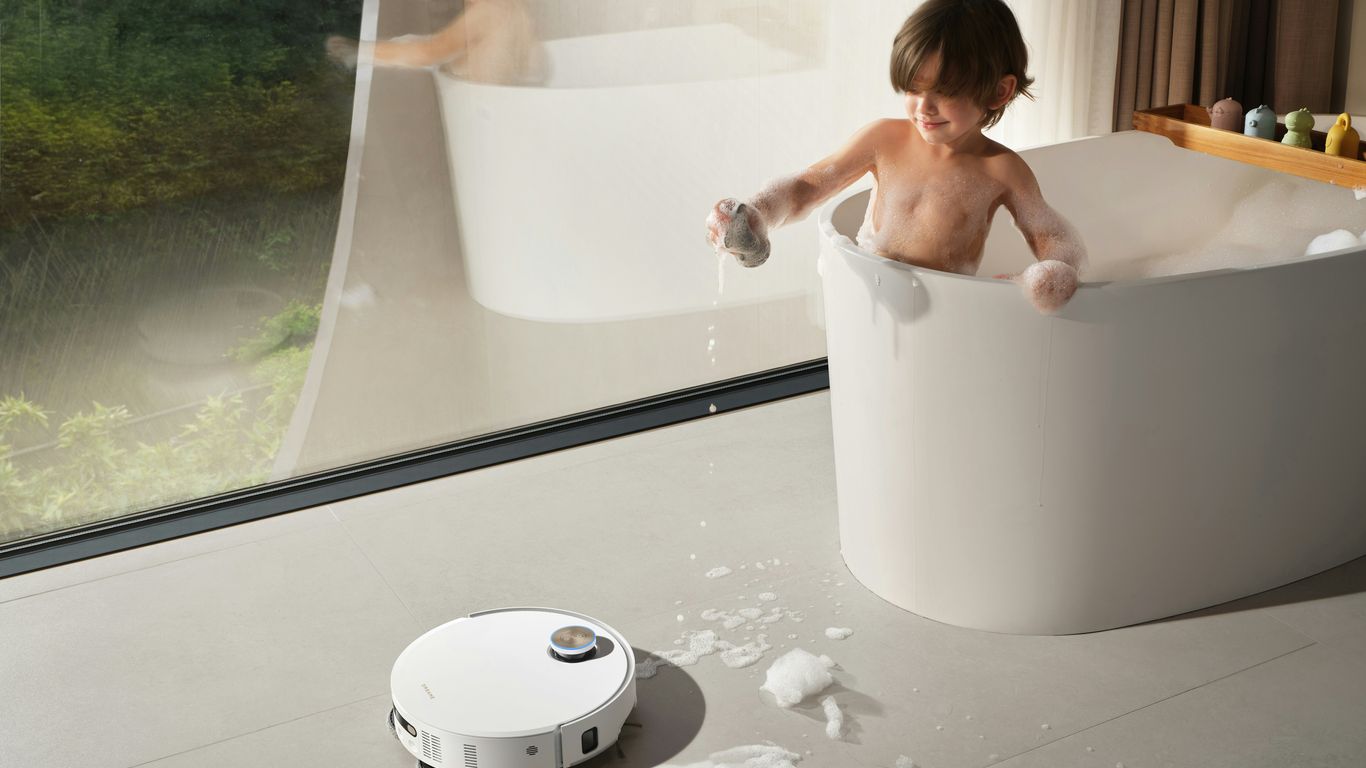
So, you’ve got this fancy new bathroom cleaning robot, which is awesome. But like any piece of tech, it needs a little TLC to keep it running smoothly and avoid costly breakdowns. Think of it like owning a car – you wouldn’t just drive it until it dies, right? Same idea here.
Essential Maintenance Tips For Your Robot
Keeping your robot in top shape isn’t rocket science, but it does require a bit of regular attention. Here’s a breakdown of what you should be doing:
- After each use: This is where the magic happens for preventing bigger issues down the line. First off, always empty out the dirty water tank. Give both the clean water and the dirty water tanks a good rinse with fresh water. This stops any leftover cleaning solutions from building up and making things smell funky. Then, run the vacuum for about 30 seconds after the tank is empty. This helps suck out any lingering moisture from the hoses. Finally, give the outside of the robot a quick wipe-down. It keeps it looking sharp and prevents grime from sticking.
- Weekly checks: Once a week, take a look at the filters. If they’re clogged, your robot’s suction power will take a nosedive. Clean them out according to the manual. Also, check the spray nozzles. Make sure they aren’t blocked so you get an even spray every time. A toothpick can usually clear out any gunk. While you’re at it, do a quick look-over for any leaks in the hoses or connections.
- Periodic deep dives: Depending on your water quality, you might need to descale the pump every so often. Hard water can leave mineral deposits that aren’t good for the pump. If your robot runs on batteries, check the battery terminals for any corrosion. Keeping these clean helps with power flow. For the super high-tech models, keep an eye on any diagnostic data they provide; it can often warn you about potential problems before they get serious.
Ensuring Optimal Performance
It’s pretty simple, really. If you skip the maintenance, your robot just won’t perform as well. Clogged filters mean less suction. Dirty nozzles mean uneven spraying. A poorly maintained machine is just not going to get things as clean as it could. Plus, you risk damaging parts that are way more expensive to replace than a quick filter clean or tank rinse. Think of it as preventative medicine for your cleaning equipment.
Troubleshooting Common Issues
Sometimes, things just don’t go as planned. If your robot isn’t spraying properly, check those nozzles first. If the suction seems weak, it’s almost always the filters or a full dirty water tank. Leaks usually point to a loose hose connection or a worn-out seal. Most of the time, the issue is something straightforward that you can fix with a quick check and a bit of cleaning. If you’re really stuck, the manual is your best friend, or you can always reach out to customer support. They’ve seen it all before.
The Role Of The Bathroom Cleaning Robot
Augmenting Human Staff With Technology
Let’s be real, nobody exactly dreams of spending their day scrubbing toilets. That’s where our new bathroom cleaning robots come in. They’re not here to take jobs away, but rather to help out the amazing people who keep our facilities clean. Think of them as super-powered assistants. They can handle the big, repetitive tasks, like cleaning vast floor areas or doing a thorough scrub overnight. This frees up human staff to focus on the more detailed work, like wiping down surfaces, checking supplies, or handling any immediate issues that pop up during the day. It’s about making the whole cleaning process smarter and more efficient for everyone involved.
The Benefits Of Robotic Cleaning
So, what’s the big deal with these robots? Well, for starters, they’re incredibly consistent. They don’t get tired, they don’t have off days, and they can be programmed to clean to a very high standard every single time. This means a consistently cleaner environment, which is good for everyone. Plus, they can often get into places that are tough for humans to reach, or clean areas without direct human contact, which is a big plus for hygiene. They can also operate during off-peak hours, meaning less disruption for building occupants.
Here are a few key advantages:
- Consistent Quality: Robots perform tasks the same way, every time.
- Improved Safety: Reduces human exposure to harsh chemicals and potentially unsanitary conditions.
- Efficiency Gains: Handles large areas and repetitive tasks quickly, allowing staff to focus elsewhere.
- Data Tracking: Many robots can log cleaning times and areas covered, providing useful data.
Addressing Common Concerns About Automation
I get it, the word "automation" can sound a little scary. People worry about jobs, and that’s a valid concern. But with these cleaning robots, the goal isn’t replacement, it’s augmentation. We’re seeing robots excel at tasks like floor scrubbing and sanitizing large surfaces. However, they still can’t quite replicate the human touch needed for intricate cleaning of fixtures, walls, or detailed grout work. The idea is to use technology to handle the most physically demanding and time-consuming parts of the job. This allows human cleaning professionals to focus on the nuanced aspects of hygiene and customer service, ultimately leading to a better-maintained facility and potentially more fulfilling roles for staff. It’s a partnership, not a takeover.
The Future is Now: Embracing a Cleaner Tomorrow
So, we’ve looked at how far bathroom cleaning has come, from old mops to smart machines. Now, with robots getting ready to take on the toughest jobs, it feels like we’re really stepping into the future. These aren’t just about making things shiny; they’re about making our spaces healthier and freeing up people to do other important work. It’s exciting to think about what’s next, and honestly, a cleaner world is something we can all get behind.