The Rise Of Autoguide Mobile Robots In Logistics
It feels like just yesterday we were talking about how cool it would be to have robots helping out in warehouses. Now, it’s actually happening, and it’s changing how things get done. Mobile robots, especially the ones that can figure things out on their own, are popping up everywhere in logistics. This isn’t some far-off sci-fi dream anymore; it’s a real shift driven by better tech and a need for things to move faster and more efficiently.
Understanding The Evolution From AGVs To AMRs
Think back a bit, and you’ll remember the old-school Automated Guided Vehicles, or AGVs. These guys were the workhorses for a long time. They’d follow a set path, usually marked by wires in the floor or magnetic tape. They were good at moving stuff from point A to point B, but that was about it. If you needed to change the route, it was a whole project, involving a lot of physical setup. This reliance on fixed infrastructure made them predictable but also pretty inflexible.
Then came the Autonomous Mobile Robots, or AMRs. These are the new kids on the block, and they’re a whole different ballgame. Instead of following lines, AMRs use fancy sensors and software to map their surroundings and figure out the best way to get around. They can dodge obstacles, change their routes on the fly, and work alongside people without needing a whole lot of pre-planned pathways. It’s like comparing a train on a track to a self-driving car – one is stuck, the other has freedom.
Key Technologies Driving Autoguide Mobile Robot Adoption
What’s making all this possible? A few key things are really pushing AMRs forward:
- Smarter Sensors: These robots are packed with sensors – like LiDAR, cameras, and ultrasonic sensors. They use these to see and understand their environment in real-time.
- Navigation Software: The real magic happens in the software. Technologies like Simultaneous Localization and Mapping (SLAM) let the robots build a map of their surroundings while also figuring out exactly where they are on that map. It’s a bit like how your phone’s GPS works, but way more precise and for indoor spaces.
- Artificial Intelligence (AI): AI is the brain behind it all. It helps the robots make decisions, learn from their environment, and adapt to changing situations. This means they can handle unexpected problems, like a pallet left in the wrong spot, without stopping everything.
Market Growth And Investment Trends
It’s not just the tech that’s impressive; the money flowing into this area shows how much potential people see. Between 2015 and 2022, there was a huge jump in funding for all sorts of mobile robots used in logistics. Some parts of the market, like using AGVs for moving materials, are already bringing in billions of dollars annually. Other areas, like delivery drones, are still getting off the ground but are expected to grow significantly later this decade. We’re seeing big companies buying up smaller, innovative ones, and even major players merging to get a bigger piece of the action. It’s a dynamic market, and it’s clear that mobile robots are here to stay and will play a much bigger role in how goods move around.
Core Technologies Powering Autoguide Mobile Robots
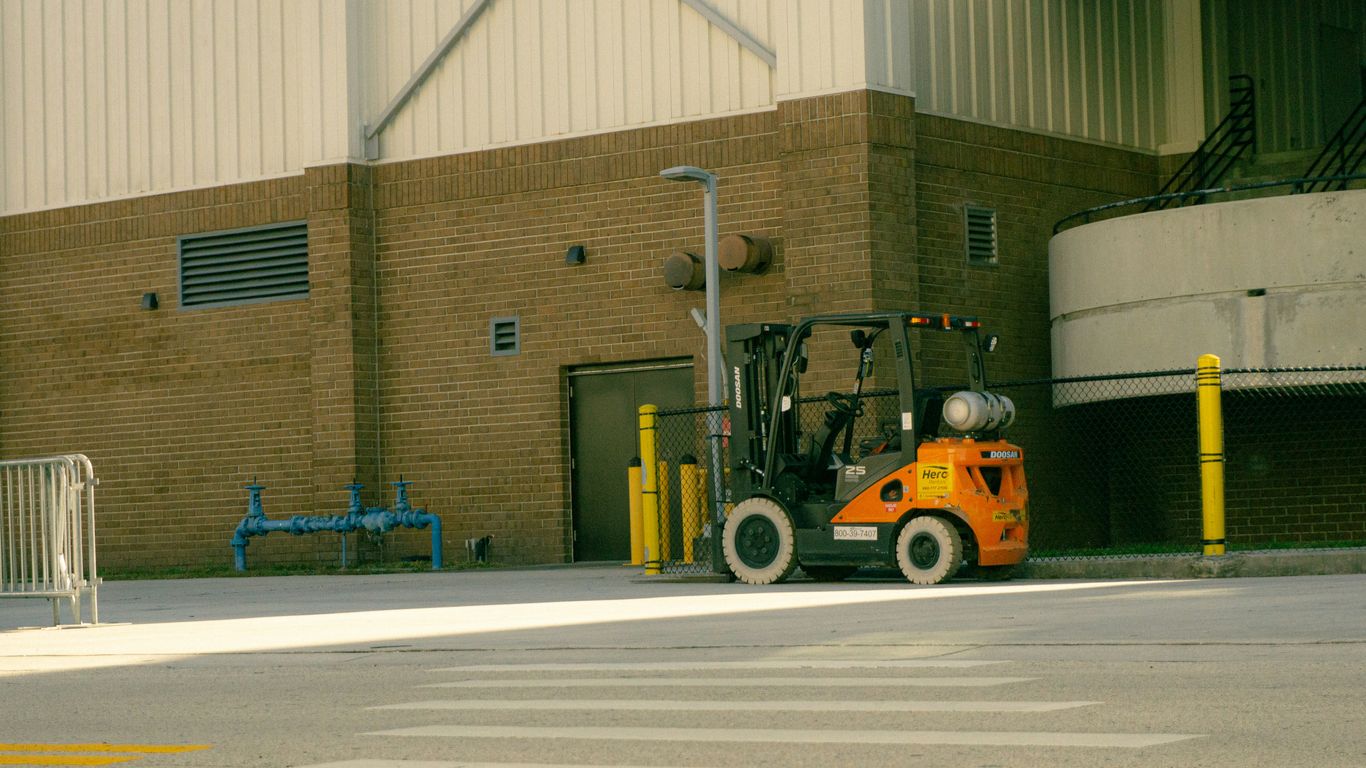
So, what makes these Autoguide Mobile Robots (AMRs) tick? It’s not just magic, though sometimes it feels like it. They’re packed with some pretty neat tech that lets them move around warehouses and factories without crashing into things or getting lost. It’s a big step up from the older Automated Guided Vehicles (AGVs) that needed wires or tape on the floor to know where to go.
Advanced Sensor Suites For Navigation
Think of sensors as the robot’s eyes and ears. They’re constantly gathering information about the environment. You’ll find a mix of these on AMRs:
- LiDAR (Light Detection and Ranging): This uses lasers to create a 3D map of the surroundings. It’s really good at detecting objects and measuring distances, even in low light.
- Cameras: These are used for visual recognition. They can spot things like barcodes, read signs, or even identify different types of objects. Some use stereo vision to get a sense of depth.
- Ultrasonic Sensors: These work like a bat’s echolocation, sending out sound waves and listening for the echo to detect nearby objects. They’re great for close-range detection, like preventing bumps.
- Inertial Measurement Units (IMUs): These track the robot’s movement and orientation, helping it keep track of where it’s going even if other sensors have a temporary glitch.
The combination of these sensors allows the robot to build a detailed picture of its surroundings in real-time.
Simultaneous Localization And Mapping (SLAM) Capabilities
This is where things get really clever. SLAM is the technology that lets AMRs figure out where they are in a space while also building a map of that space. It’s like drawing a map of a new building as you walk through it for the first time, all at once.
- Localization: The robot knows its position and orientation within a known map.
- Mapping: The robot builds or updates a map of its environment.
SLAM is a big deal because it means AMRs don’t need pre-installed infrastructure like magnetic tape. They can adapt to changes in the environment, like a new pallet being placed, and reroute themselves. This makes them way more flexible than older AGVs.
Computer Vision And AI Integration
Computer vision is what allows the robots to ‘see’ and interpret what their cameras are picking up. This is where Artificial Intelligence (AI) really comes into play.
- Object Recognition: Identifying specific items, obstacles, or even people.
- Path Planning: Using the map and sensor data to figure out the best route to its destination, avoiding any unexpected problems.
- Decision Making: AI algorithms help the robot make smart choices on the fly, like deciding whether to wait for a person to pass or find an alternative path.
This integration of vision and AI means AMRs can handle more complex tasks and operate more autonomously, making them a game-changer for logistics.
Autoguide Mobile Robots: Applications And Benefits
Enhancing Warehouse Efficiency And Flexibility
So, these autoguide mobile robots, or AMRs as they’re often called, are really shaking things up in warehouses. Think about it: instead of having workers constantly moving goods around, these robots can do a lot of the heavy lifting, literally. They can zip around the warehouse, picking up and dropping off items, which means less time spent on manual transport and more time for people to focus on more complex tasks. This shift can lead to a noticeable jump in how much work gets done.
What’s cool is how adaptable they are. Warehouses aren’t static places; layouts change, product lines shift, and demand can spike unexpectedly. AMRs can be reprogrammed pretty easily to handle these changes. You don’t need to rip up floors to lay down new magnetic tape like with older systems. This flexibility means businesses can adjust their operations without huge costs or long downtimes. It’s like having a workforce that can learn new tricks on the fly.
Streamlining Material Handling Operations
When it comes to moving stuff around, AMRs are making things a lot smoother. They can be programmed to follow specific routes or to find the best path on their own, avoiding obstacles like forklifts or people. This precision helps cut down on mistakes and damage to goods. Plus, they can work around the clock, which is a big deal for keeping things moving, especially during busy periods.
Here’s a quick look at how they help:
- Reduced travel time: AMRs can take the most direct routes, cutting down on how long it takes to get materials from point A to point B.
- Improved inventory accuracy: By automating the movement of goods, there are fewer chances for human error, leading to better tracking of what’s where.
- Consistent workflow: They don’t need breaks and can operate in various conditions, keeping the flow of materials steady.
Addressing Pain Points In Intralogistics
Intralogistics, which is basically all the movement and storage of goods within a company’s facility, has always had its challenges. Things like labor shortages, the high cost of manual labor, and the need for faster order fulfillment are constant headaches. AMRs are stepping in to help solve these problems.
For instance, in places where you have a lot of repetitive tasks, like moving pallets or bins from a receiving area to storage, AMRs can take over. This frees up human workers for jobs that require more judgment or dexterity. It also helps with safety, as robots can handle tasks in potentially hazardous areas or lift heavy items that could cause injury.
Consider this:
- Labor gaps: AMRs can fill in where there aren’t enough workers, especially for physically demanding or monotonous jobs.
- Cost savings: Over time, using robots can be more cost-effective than relying solely on manual labor, especially when you factor in wages, benefits, and training.
- Speed and throughput: By automating internal movements, companies can speed up their entire process, from receiving goods to getting them ready for shipping.
Industry Landscape And Key Players
Mergers And Acquisitions In The Mobile Robot Sector
The mobile robot scene is really heating up, and you can see that in all the buying and merging happening. It’s like a big game of musical chairs, but with really expensive robots. Companies are snapping each other up, or joining forces, to get a bigger piece of the pie. For example, we’ve seen big moves like United Robotics Group buying Robotnik, and Amazon snagging iRobot. Even more recently, Mobile Industrial Robots (MiR), which is part of Teradyne, joined forces with AutoGuide Mobile Robots. These kinds of deals show that the big players see a lot of potential here and want to consolidate their position. It’s a sign that the market is maturing, but also getting pretty competitive.
Prominent Companies In The Autoguide Mobile Robot Space
When you look at who’s making waves in the autonomous mobile robot (AMR) world, a few names keep popping up. Companies like Geek Plus have been really aggressive, especially with their funding, which has helped them scale up fast. They’re not just sticking to one thing either; they’re even looking at things like robotic forklifts now. Then you have companies like Grey Orange, which have also attracted a good amount of funding. In China, firms like Flashhold, also known as Quicktron, are making their mark, with deployments in places like Alibaba’s facilities. And don’t forget HIK Vision, which is apparently a huge supplier of AMRs over in China. These companies are really pushing the boundaries of what’s possible in warehouse automation.
The Role Of Start-Ups And Established Giants
It’s not just the big, established companies making all the noise. There’s a whole bunch of smaller, newer companies, or start-ups, that are really shaking things up. They often come up with fresh ideas and are quick to adapt. Think about companies like InVia Robotics, which is trying out a subscription model for their picking robots. Or Scallog, a French company with its own take on the Kiva-style approach. These smaller players are important because they can be more agile and focus on specific problems. On the other hand, you have the giants, like Amazon, who are not only acquiring companies but also developing their own tech, like their Proteus robot, which is expected to really boost AMR use in warehouses. It’s this mix of nimble start-ups and powerful established players that’s really driving innovation forward in the logistics robot space.
Future Trajectory Of Autoguide Mobile Robots
Long-Term Market Forecasts And Opportunities
The mobile robot market is definitely on an upward swing, and it’s not slowing down anytime soon. We’re seeing a lot more money pouring into companies that make these robots, which tells you investors are pretty optimistic. Think about it: from 2015 to 2022, the funding just kept climbing for all sorts of robots used in warehouses and for deliveries. While some areas, like basic AGVs moving stuff around, are pretty established now, others, like delivery drones, are still just getting started. They’ve got some hurdles to clear, especially with rules and making the tech work perfectly, so widespread use probably won’t happen until later this decade. But the overall picture is growth across the board.
Overcoming Regulatory And Technological Hurdles
It’s not all smooth sailing, though. For these robots to really take over, they need to get past a few roadblocks. On the tech side, things like better sensors and smarter AI are always being worked on. Making sure they can handle unexpected situations, like a person walking in their path or a change in the warehouse layout, is a big deal. Then there are the rules. Different places have different laws about how robots can operate, especially when they’re out in public for deliveries. Getting these sorted out takes time and cooperation between companies and governments. We’ll likely see more standardized testing and certification processes emerge to help speed up adoption.
The Expanding Role Of Autoguide Mobile Robots
So, what’s next? We’re moving beyond just simple transport. Expect to see robots doing more complex tasks. Think robots that can pick items off shelves, work alongside human workers more closely, or even handle heavier loads. The shift from older AGVs, which needed a lot of fixed infrastructure like magnetic tape, to newer AMRs that can figure things out on their own is a huge step. This flexibility means they can be used in more places and adapted to changing needs much faster. It’s not just about moving boxes; it’s about making the whole logistics process smarter and more adaptable.
Wrapping It Up
So, what does all this mean for the future of getting stuff from here to there? It’s pretty clear that robots are going to play a much bigger role. We’re seeing a shift from older, more rigid systems to these new, flexible autonomous mobile robots, or AMRs. They’re getting smarter, thanks to better sensors and software, and companies are pouring money into them. While some parts of this robot revolution, like moving pallets around, are already happening, other bits, like drone deliveries, are still a ways off. But the trend is undeniable: more robots are coming to warehouses and delivery routes, and they’re going to change how things get done. It’s an exciting time to watch this space develop.