Understanding Industrial Automation
So, what exactly are we talking about when we say "industrial automation"? It’s basically using technology to do jobs that people used to do, but often much faster and more consistently. Think of it as giving machines a brain and some serious speed. This isn’t just about making things quicker; it’s about fundamentally changing how factories operate.
Defining High-Speed Automation
High-speed automation is all about getting tasks done at a pace that was unthinkable just a few years ago. We’re talking about robots and systems that can perform repetitive actions with incredible speed and accuracy, day in and day out. It’s like having a super-efficient worker who never gets tired or makes careless mistakes. This technology uses things like advanced robotics, smart software, and even artificial intelligence to make production lines move like never before. The goal is to speed up how much we can make while also making sure everything we produce is top-notch.
The Core Technologies Driving Automation
What makes all this possible? A few key things are really pushing this forward:
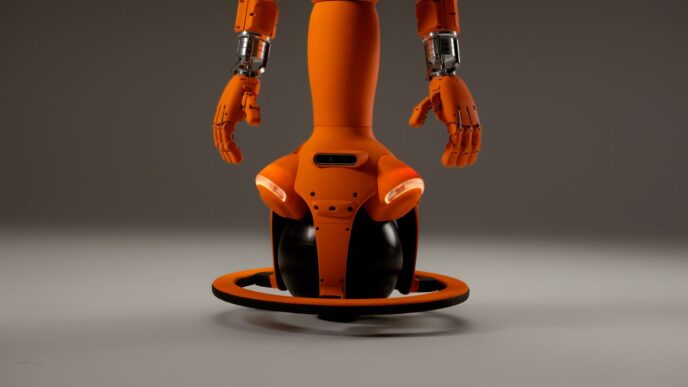
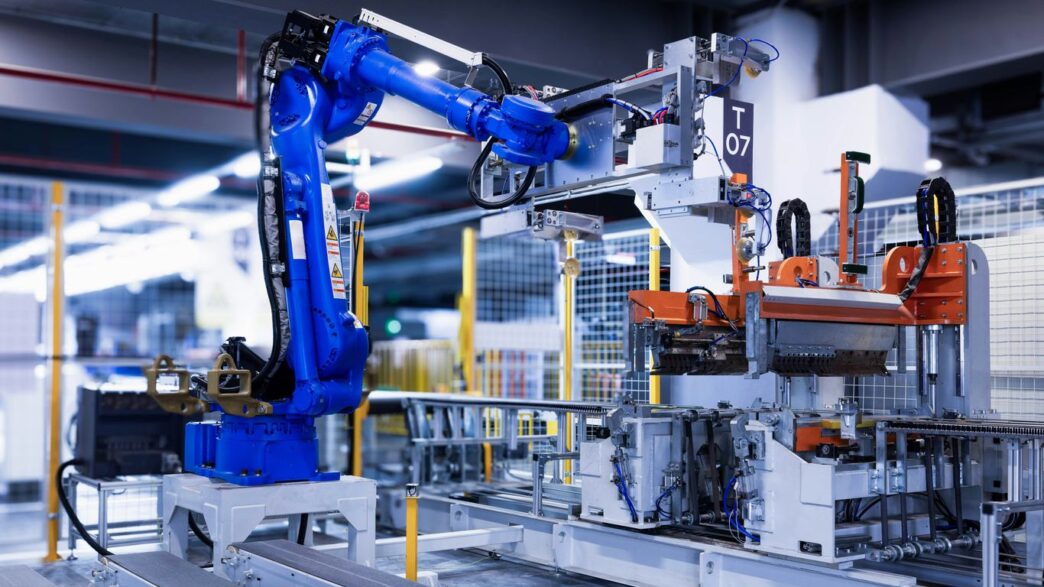
- Robotics: These aren’t your clunky factory robots from the past. Modern robots are more agile, precise, and can work alongside humans safely.
- Artificial Intelligence (AI) and Machine Learning: AI allows machines to learn from data, make decisions, and adapt to new situations. Machine learning helps them get better at tasks over time without needing constant reprogramming.
- Sensors and Vision Systems: These are the "eyes" and "ears" of automation. They gather information about the environment and the products being made, allowing systems to react and adjust in real-time.
- Software and Connectivity: Sophisticated software ties everything together, managing operations and allowing different machines and systems to communicate with each other. Think of it as the central nervous system.
Transformative Power of Automated Systems
When you put these technologies together, you get systems that can do some pretty amazing things. They can handle complex assembly tasks, sort materials with incredible speed, or perform quality checks that would take humans ages. This leads to a manufacturing process that’s not only faster but also more reliable and adaptable. It means companies can produce more, reduce errors, and respond to customer demands much more quickly. It’s a big shift from how things were done even a decade ago.
Boosting Manufacturing Performance
When we talk about making factories run better, faster, and with fewer mistakes, industrial automation is the name of the game. It’s not just about putting robots on the floor; it’s a whole system designed to make things work more smoothly. The real win here is getting more done, with better quality, all while using resources smarter.
Accelerating Efficiency and Productivity
Think about the old way of doing things. Lots of repetitive tasks, potential for human error, and downtime that just eats into production time. Automation changes that. Machines can work 24/7 without getting tired or needing breaks. This means production lines can keep moving, churning out more products in less time. It’s like giving your factory a serious energy drink.
Here’s a quick look at how it speeds things up:
- Faster Task Completion: Automated systems perform tasks much quicker than manual labor.
- Reduced Downtime: Machines are more reliable and can be maintained proactively, cutting unexpected stops.
- Increased Throughput: More products are made in the same amount of time, or even less.
Enhancing Precision and Output Quality
It’s not just about speed; it’s about doing things right, every single time. Automated systems, especially those with advanced sensors and controls, can perform tasks with incredible accuracy. This means fewer defects and a more consistent product. Imagine a machine that can place a tiny component with microscopic precision, something a human hand might struggle with consistently over thousands of repetitions. That’s the kind of precision we’re talking about. This consistency builds a better product and, in turn, a better reputation for the company.
Streamlining Workflows with Advanced Robotics
Robots are the workhorses of automation. Modern robots aren’t just simple arms; they’re sophisticated machines that can be programmed for complex tasks. They can handle heavy lifting, work in dangerous environments, or perform delicate assembly operations. By integrating these robots into the workflow, manufacturers can optimize how tasks are done, from start to finish. This means a smoother flow of materials and products through the factory, reducing bottlenecks and making the whole operation more efficient. It’s about making sure every step in the process works together perfectly.
Economic Advantages of Industrial Automation
Let’s talk about the money side of things. Bringing automation into a factory isn’t just about making things faster; it’s a smart move for the bottom line. The initial investment in automation pays off in a big way over time. Think about it: machines don’t need breaks, they don’t call in sick, and they can work through the night. This means fewer hours paid to staff, especially for those repetitive, less engaging tasks.
Significant Cost Reduction Strategies
One of the most obvious wins is cutting down on labor expenses. Automated systems can handle tasks that used to require multiple people, and they do it consistently. This also cuts down on mistakes. Fewer errors mean less wasted material and fewer products that don’t meet standards. That’s money saved right there on raw materials and on dealing with faulty goods. Plus, automated systems are often more precise, leading to better use of resources. It’s like having a super-efficient worker who never gets tired and always gets it right.
Optimizing Resource Allocation
Automation helps us use what we have more wisely. When machines handle the heavy lifting or the intricate assembly, human workers can be moved to jobs that need more thought or creativity. This isn’t about replacing people; it’s about putting them where they can do the most good. Automated systems can also track inventory and material flow in real-time, giving managers a clear picture of what’s being used and what’s needed. This kind of insight helps prevent overstocking or running out of key components, smoothing out the entire production process.
Achieving Sustainable Return on Investment
While setting up automation can cost a fair bit upfront, the long-term savings are substantial. Reduced waste, lower labor costs, and increased output all add up. These savings can then be put back into the business for things like research, development, or even expanding the company. It creates a more stable business model that can handle market ups and downs better. The goal is to build a manufacturing operation that’s not just productive today, but also built to last and adapt for years to come.
Elevating Quality Control Standards
When we talk about making things, quality is pretty much everything, right? You can’t just churn out products; they’ve got to be good. That’s where automation really steps in to help. It’s not just about speed; it’s about making sure every single item that leaves the factory floor is up to snuff.
Real-Time Defect Detection
Think about it: how many times have you bought something that was just… off? Maybe a scratch, a loose part, or it just didn’t work right. With automated systems, we can catch those problems as they happen. Advanced sensors and smart cameras are constantly watching the production line. They can spot a tiny imperfection, a misaligned component, or anything that looks wrong, way faster and more reliably than a person could. This immediate feedback means we can pull faulty items off the line before they even get packaged, saving a ton of waste and hassle. It’s like having a super-vigilant inspector for every single product.
Ensuring Product Consistency
One of the biggest headaches in manufacturing is making sure every product is the same. Humans, bless their hearts, get tired, distracted, or just have slightly different ways of doing things. Automation doesn’t have those issues. Once a process is set up correctly, the machines do it the exact same way, every single time. This consistency is key. It means customers get the same reliable product whether they buy it today or next month. It builds a reputation for dependability.
Here’s a quick look at how automation helps maintain that sameness:
- Repeatable Actions: Machines perform tasks with identical movements and parameters.
- Controlled Environments: Automated processes are less affected by external factors like temperature or humidity.
- Data Logging: Every step can be recorded, allowing for detailed analysis if any issues do arise later.
Building Client Trust Through Superior Products
Ultimately, all this focus on quality and consistency boils down to one thing: happy customers. When people know they can rely on your products to work well and last, they trust your brand. This trust is gold. It leads to repeat business, good word-of-mouth, and makes it easier to introduce new items. In a crowded market, being known for quality is a massive advantage. It’s not just about selling more; it’s about building lasting relationships with the people who buy what you make.
Reshaping the Workforce Dynamics
It’s easy to hear ‘automation’ and immediately think about robots taking over jobs. And yeah, some tasks that are repetitive or physically tough are definitely changing. But it’s not really about replacing people; it’s more about shifting what people do.
Upskilling Employees for New Roles
Think of it like this: instead of just doing the same thing over and over, workers are getting chances to learn new skills. This means training to operate and manage these new automated systems. It’s like going from being a line cook to a kitchen manager – you’re still in the food business, but your responsibilities are different and, frankly, more interesting. Companies are finding that investing in their current staff makes a lot of sense. It’s often easier and more effective than trying to find entirely new people.
Transitioning to Technology-Focused Positions
So, what do these new roles look like? Well, you might see more people working as system technicians, keeping the automated equipment running smoothly. Others might be involved in data analysis, looking at the information the machines are producing to find ways to improve things. There are also roles in programming and maintenance, making sure everything is up-to-date and working correctly. The factory floor is becoming a place where tech skills are just as important as traditional manufacturing know-how.
Fostering Continuous Learning and Growth
This shift really encourages a culture where learning doesn’t stop. As technology keeps changing, workers need to keep learning too. This isn’t just about formal training sessions, either. It’s about creating an environment where people are encouraged to figure things out, share knowledge, and adapt. When workers are freed from the most monotonous tasks, they have more time and energy to focus on problem-solving and creative thinking, which is good for them and good for the company. It makes work more engaging and can lead to some pretty neat innovations.
The Future Landscape of Manufacturing
So, what’s next for factories? It’s not just about faster machines anymore. We’re looking at a whole new way of doing things, where everything is connected and way smarter.
Integrated Systems and Smart Factories
Think of a factory where machines, software, and even the building itself talk to each other. That’s the idea behind smart factories. Instead of separate machines doing their own thing, they’ll work together, sharing information in real-time. This means problems can be spotted and fixed before they even become big issues. It’s like having a factory that can manage itself, adjusting on the fly to whatever comes its way.
- Machines communicate instantly.
- Production lines adapt to changes automatically.
- Data from every step is used to make things better.
Advancements in Artificial Intelligence
AI is going to play an even bigger role. It’s not just about robots doing repetitive tasks. AI will help machines learn and make smarter decisions. For example, AI can look at data from equipment and predict when something might break down, so you can fix it before it stops the whole line. It can also help optimize how materials are used and how energy is consumed.
Increased Customization and Flexibility
Remember when everything coming off an assembly line was exactly the same? That’s changing. With more advanced automation and AI, factories will be able to make products that are more tailored to what individual customers want, without slowing down production too much. This means you could order a product with specific features, and the factory can switch gears to make it without a huge fuss. It’s about making mass production feel more personal.
Wrapping It Up
So, looking at all this, it’s pretty clear that automation isn’t just some futuristic idea anymore. It’s here, and it’s changing how things get made, like, right now. We’ve seen how it can speed things up, make stuff better, and even help out the folks working in factories by taking over the really boring or tough jobs. Sure, there are always questions about how it all fits together and what it means for jobs, but the trend is moving forward. Companies that don’t jump on board might find themselves falling behind. It’s about making things smarter, faster, and maybe even a little bit easier for everyone involved. The future of making stuff is definitely automated, and it’s going to keep evolving.