A Day in the Life of a Robotics Engineer
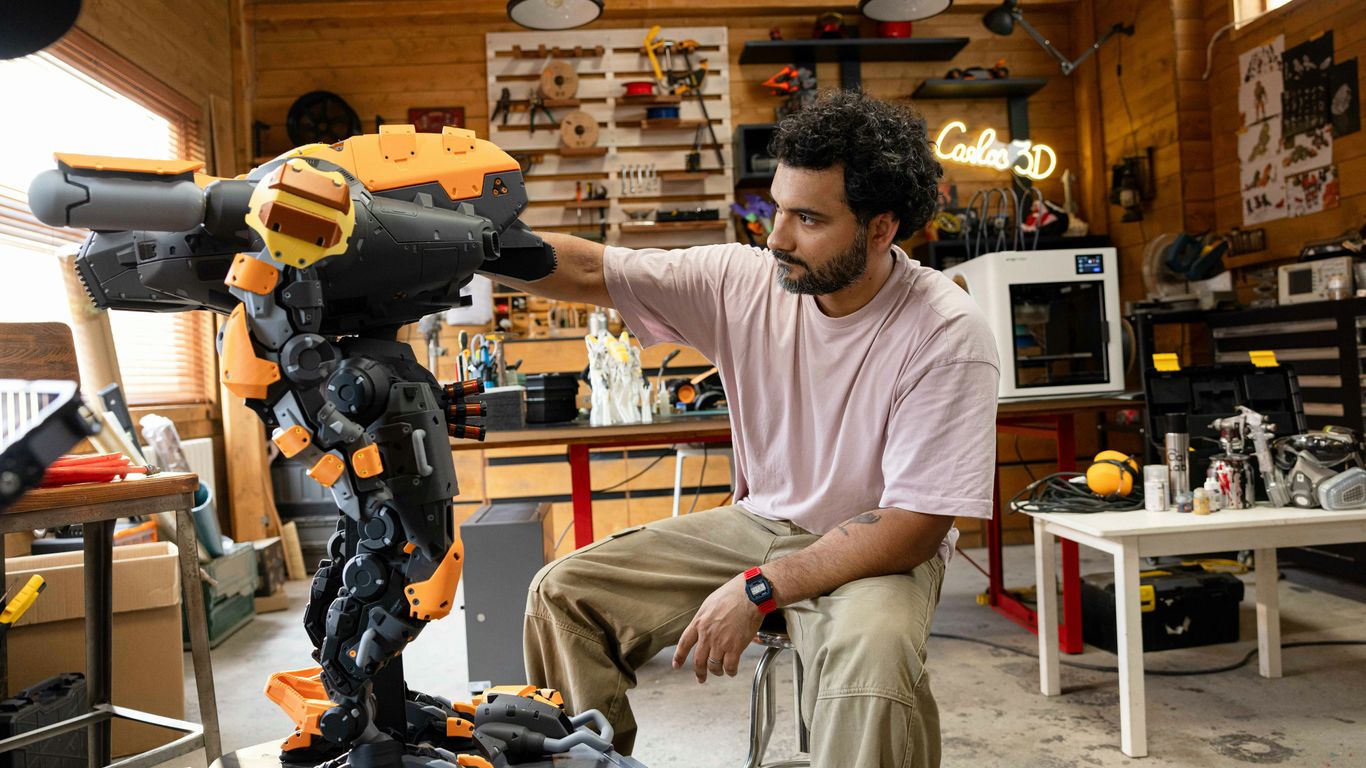
So, what does a robotics engineer actually do all day in 2026? It’s not all just welding arms and sci-fi movie scenes, though there’s a bit of that. My typical day is a mix of hands-on work, problem-solving, and a good dose of future-gazing.
Designing and Maintaining Robotic Systems
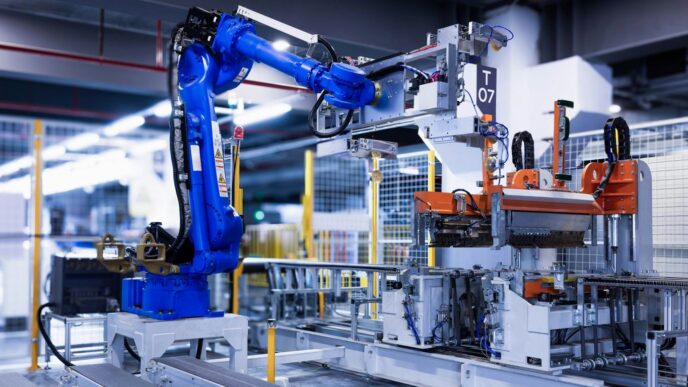
This is the bread and butter for many of us. A big chunk of my morning might be spent looking over the diagnostics from our automated warehouse bots. Did Unit 7 have a slight dip in battery efficiency overnight? Is the pathfinding algorithm for Unit 12 still optimal after the new shelving was installed? We’re constantly tweaking parameters, updating firmware, and sometimes, physically swapping out a worn-out sensor or a joint actuator. It’s like being a doctor for machines, but instead of stethoscopes, we use diagnostic software and multimeters. Keeping these complex systems running smoothly is a constant, detailed job.
Here’s a quick look at what maintenance might involve:
- Software Updates: Rolling out new code to improve performance or fix bugs.
- Hardware Checks: Inspecting joints, motors, and sensors for wear and tear.
- Calibration: Ensuring robotic arms and grippers are precisely aligned.
- Performance Monitoring: Analyzing data logs for any anomalies.
Developing New Applications for Robots
This is where things get really interesting. We’re not just maintaining the old; we’re building the new. Today, I’m working on a proposal for a new type of agricultural robot. The idea is to develop a swarm of small, agile robots that can monitor crop health at a granular level, identifying pests or nutrient deficiencies before they become major problems. This involves a lot of simulation work, sketching out designs, and collaborating with the software team to figure out the AI needed for them to work together. It’s a puzzle, trying to figure out how to make these machines do tasks that were previously impossible or just too difficult for humans.
Conducting Research for Future Innovations
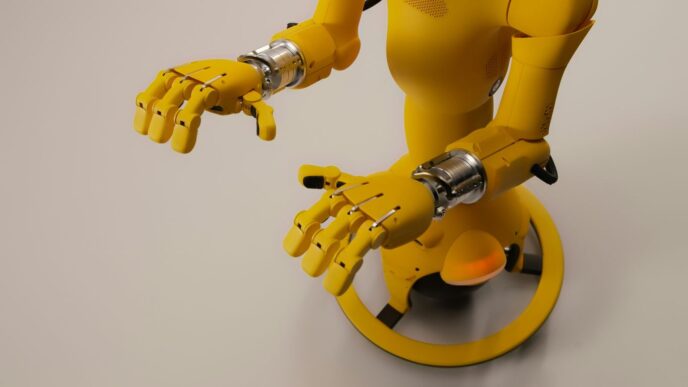
Beyond the immediate projects, there’s always research. We’re looking ahead, trying to anticipate what the next big thing will be. Right now, a lot of our research is focused on improving robot dexterity and their ability to learn from experience. We’re experimenting with new sensor technologies that mimic human touch and developing machine learning models that allow robots to adapt to unexpected situations without human intervention. It’s a bit like being an explorer, charting unknown territory. The goal is to push the boundaries of what robots can do, making them more capable, more adaptable, and ultimately, more useful in all sorts of areas we haven’t even thought of yet.
The Evolving Landscape of Robotics
It feels like just yesterday robots were mostly science fiction, right? But now, in 2026, they’re really here, working alongside us in so many places. The whole field has shifted from just ideas to actual, everyday use. It’s pretty wild to see.
Cobots Dominating Factory Automation
Remember when robots in factories were these big, clunky things you had to stay far away from? Well, those days are fading fast. We’re seeing a huge rise in ‘cobots’ – collaborative robots. These are the friendlier, safer robots designed to work right next to people on the assembly line. They’re not just for giant corporations anymore either. Smaller shops are finding ways to use them for tasks like loading machines, stacking boxes, or packing things up. It’s making automation much more accessible and less intimidating.
AI-Powered Autonomous Operations
What’s really changing the game is how smart these robots are getting, thanks to AI. We’re talking about robots that can actually think on their feet, make decisions in real-time, and adapt to what’s happening around them. Think about warehouses where autonomous mobile robots (AMRs) zip around, figuring out the best routes to deliver packages without needing constant human direction. This kind of smart automation is spreading into logistics, manufacturing, and even places like farms, making operations smoother and more efficient.
Robots Transforming Healthcare and Caregiving
This is one area where the impact is really profound. Robots are starting to help out in hospitals in big ways, assisting surgeons with incredible precision or helping patients with physical therapy and rehabilitation. And for our aging population, robots are becoming companions and helpers at home. They can remind people to take medication, help with simple chores, or just provide a sense of security. It’s not about replacing human care, but about giving people more support and independence.
Robotics Engineer’s Role in Industry
Robotics engineers are pretty busy people these days, working across a bunch of different industries. It’s not just about factories anymore, though that’s still a huge part of it. Think about manufacturing and logistics – robots are everywhere, moving stuff around warehouses, assembling products with amazing speed and accuracy. They’re getting really good at tasks that are repetitive or need a super steady hand.
Manufacturing and Logistics Applications
In manufacturing, robots have been around for a while, but they’re getting smarter and more adaptable. We’re seeing robots that can handle more complex assembly tasks, not just the simple bolt-tightening stuff. In logistics, automated guided vehicles (AGVs) and robotic arms are transforming how goods are sorted, packed, and shipped. It’s all about making things faster and cutting down on errors. The goal is to create more efficient supply chains from start to finish.
Here’s a quick look at what robots are doing:
- Assembly Lines: Robots performing welding, painting, and intricate component placement.
- Warehousing: Automated systems for picking, packing, and moving inventory.
- Quality Control: Robots using sensors and cameras to inspect products for defects.
- Material Handling: Moving heavy or awkward items safely and consistently.
Agriculture and Environmental Response
This is a growing area. Robots are starting to help out on farms, doing things like precision planting, automated harvesting, and even monitoring crop health. Imagine drones that can spray just the right amount of fertilizer or robots that can pick delicate fruits without bruising them. They’re also being used for environmental tasks, like monitoring pollution or cleaning up hazardous sites. It’s about making these jobs safer and more efficient.
- Precision Agriculture: Robots for targeted watering, fertilizing, and pest control.
- Automated Harvesting: Machines designed to pick specific crops with care.
- Environmental Monitoring: Drones and ground robots collecting data on air and water quality.
- Disaster Response: Robots used in search and rescue or for assessing damage in dangerous areas.
Space Exploration and Defense Technologies
This is where things get really futuristic. Robotics engineers are designing robots for space missions, like rovers that explore other planets or robotic arms on space stations. In defense, robots are used for reconnaissance, bomb disposal, and even for carrying equipment in difficult terrain. These applications often push the boundaries of what’s possible, requiring robots that can operate autonomously in extreme conditions.
| Application Area | Key Robotic Functions |
|---|---|
| Space Exploration | Planetary exploration, satellite repair, sample collection |
| Defense | Surveillance, EOD (Explosive Ordnance Disposal), logistics |
| Search and Rescue | Reconnaissance in hazardous environments, debris removal |
Advancements Shaping Robotics
It’s pretty wild how fast robots are changing, even just in the last few years. We’re seeing some major leaps that are making them way more useful and, honestly, a lot smarter.
AI Autonomy and Real-Time Decision Making
Remember when robots just did the same thing over and over? That’s changing. Now, robots can actually think on their feet, or, well, on their treads. They use sensors and AI to figure things out as they go. This means they can handle unexpected stuff, like a delivery bot rerouting around a fallen tree or a factory robot adjusting its grip if a part isn’t quite right. It’s all about making decisions in the moment, based on what’s happening around them. This makes them way more flexible than the old machines that just followed a script.
Human-Robot Collaboration
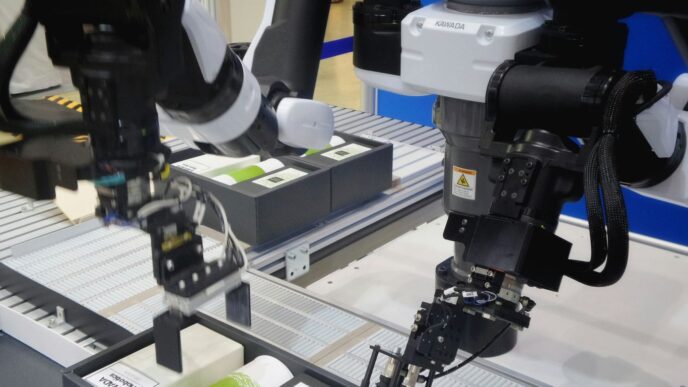
This is a big one. Instead of robots being stuck behind cages, they’re now working right alongside us. These ‘cobots’ are designed to be safe around people. Think of a factory floor where a human might do the tricky, creative part of a job, and a cobot handles the repetitive, heavy lifting. It’s like having a super-powered assistant. Companies are making these cobots more affordable, too. For example, a six-axis cobot might cost around $37,000, which is a lot less than what these kinds of machines used to cost. This makes automation accessible for smaller businesses that couldn’t afford it before.
Here’s a quick look at how cobots are being used:
- Assembly Lines: Helping with repetitive tasks like screwing or placing components.
- Machine Tending: Loading and unloading parts from machines like CNCs.
- Packaging: Picking and packing items for shipping.
- Palletizing: Stacking boxes onto pallets.
Enhanced Sensor and Machine Learning Capabilities
Robots are getting much better at ‘seeing’ and ‘learning’. Their sensors are more advanced, so they can pick up on finer details, even in tricky environments. Machine learning means they can learn from experience. If a robot makes a mistake, it can learn from it and do better next time. This is huge for tasks that require a lot of precision or need to adapt to different situations. It’s like teaching a robot to get better at a job the more it does it, without a human having to reprogram it every single time.
Challenges and Opportunities for Robotics Engineers
So, what’s standing in the way of our robot-filled future, and what cool stuff can engineers actually do about it? It’s not all smooth sailing, you know. We’re talking about some pretty big hurdles, but also some really exciting chances to make a difference.
Addressing Technical Limitations
Robots are getting smarter, sure, but they still have their limits. Think about it: a robot might be great at a specific task, like welding a car door, but ask it to, say, fold laundry perfectly? That’s a whole different ballgame. The dexterity and fine motor skills humans have are incredibly hard to replicate. Plus, robots can struggle in unpredictable environments. If something unexpected happens – a spill, an object out of place – they can get confused. The real challenge is making robots more adaptable and less rigid in their programming. We need them to handle the messy, unpredictable real world, not just a perfectly controlled factory floor. This means better sensors, more advanced AI that can learn on the fly, and mechanical designs that are more flexible.
Navigating Ethical and Regulatory Frameworks
This is a big one. As robots become more common, especially in areas like caregiving or autonomous driving, we have to ask some tough questions. Who’s responsible if an autonomous car causes an accident? How do we make sure robots in hospitals are treating patients with dignity and not just as data points? There aren’t always clear answers, and laws are still catching up. Engineers need to be part of these conversations, not just building the tech but thinking about its impact. It’s about building robots that are not only functional but also safe, fair, and respectful of human values. We’re seeing new guidelines pop up, but it’s a constantly shifting landscape.
Ensuring Public Trust and Adoption
Let’s be honest, some people are still a bit freaked out by robots. Movies haven’t exactly helped with the whole ‘robots taking over’ narrative. For robotics to really become part of our daily lives, people need to trust them. This means robots need to be reliable, obviously, but also transparent in how they work. If a robot is helping an elderly person, for example, that person and their family need to feel comfortable and understand what the robot is doing. Engineers have a role in making robots user-friendly and demonstrating their benefits clearly. It’s not just about the tech; it’s about how we introduce it and help people feel good about having robots around.
The Future of Robotics in Daily Life
It’s pretty wild to think about how robots are moving beyond the factory floor and into our homes, right? By 2026, this isn’t just science fiction anymore. We’re talking about robots that can actually help out around the house, making life a bit easier and maybe even a little less lonely.
Household Robots for Convenience and Companionship
Remember when robot vacuums were the big thing? Well, that was just the start. Now, imagine a robot that can help with meal prep, keep an eye on things while you’re out, or even just be a friendly presence. These aren’t just fancy gadgets; they’re becoming practical assistants. Think about older folks who might need a bit of help with daily tasks or just someone to interact with. Robots are starting to fill that gap, offering a sense of security and company. It’s a big shift from just cleaning floors to managing parts of our home life.
Robotics in Education and Skills Training
Kids are going to be interacting with robots in schools way more than we might expect. These aren’t just toys; they’re tools for learning. Robots can guide students through coding lessons, help them understand complex science concepts, and even teach them how to work together on projects. It’s a hands-on way to learn that keeps kids engaged. Plus, it gets them comfortable with technology early on, which is super important for future jobs. Teachers can use them to handle repetitive drills, freeing them up to focus more on mentoring students.
Affordable Automation for Small Businesses
This is a big one for anyone running a small shop or business. For years, automation seemed like something only big companies could afford. But that’s changing fast. New robots are easier to set up, don’t require a team of programmers to operate, and can even be leased. This means smaller businesses can finally get in on the automation game without breaking the bank. They can use robots for tasks like packaging, simple assembly, or even customer service, which helps them compete with larger players. It’s about making technology work for everyone, not just the big guys.
Looking Ahead
So, what does all this mean for the future? It’s clear that robots aren’t just science fiction anymore; they’re becoming a real part of our daily lives and workplaces. From helping out in factories to assisting in hospitals, these machines are here to stay. For us engineers, it means constantly learning and adapting. The work is exciting, and it feels like we’re building the future, one robot at a time. It’s a pretty wild ride, and honestly, I can’t wait to see what comes next.