The internet of things, or IoT, is changing how we live and work. It’s basically a bunch of devices connected to the internet, sharing information. Think smart thermostats, fitness trackers, or even factory machines. This whole system promises a lot of cool stuff, like making things easier and saving time. But, like anything new, there are good points and bad points to consider. We’re going to take a look at the internet of things iot advantages and disadvantages.
Key Takeaways
- IoT connects everyday objects to the internet, allowing them to collect and share data.
- Major benefits include increased efficiency through automation, better decision-making with real-time data, and improved quality of life.
- Significant drawbacks involve heightened security risks, privacy concerns over data collection, and system complexity.
- IoT can lead to substantial time and resource savings in areas like smart factories and energy management.
- Challenges like reliance on stable internet, high initial costs, and potential job displacement need careful consideration.
Key Advantages Of The Internet Of Things
The Internet of Things, or IoT, is really changing how we do things, both at home and at work. It’s basically a bunch of everyday objects that can connect to the internet and talk to each other, collecting and sharing information. This might sound a bit futuristic, but it’s already making a big difference.
Enhanced Data Collection For Deeper Insights
One of the biggest wins with IoT is how much data we can gather now. Think about it: sensors on machines, in our homes, even on our bodies, are constantly collecting information about what’s happening. This isn’t just random numbers; it’s real-time data that can tell us a lot. For example, in farming, sensors can track soil moisture, temperature, and nutrient levels. This helps farmers know exactly when and where to water or fertilize, instead of just guessing. This detailed information helps us understand things much better than before.
Automation For Increased Efficiency And Convenience
IoT devices can do a lot of tasks automatically, which saves us time and effort. Your smart thermostat can learn your schedule and adjust the temperature before you even get home, or turn down when you leave. In factories, machines can communicate with each other to keep the production line running smoothly, ordering parts when they’re low or signaling when maintenance is needed. It’s like having a little helper for all sorts of chores.
Here are a few ways automation helps:
- Smart Homes: Lights turn on when you enter a room, coffee brews when your alarm goes off, and your security system arms itself when you leave.
- Smart Factories: Production lines adjust automatically based on demand, and equipment self-diagnoses potential issues.
- Logistics: Delivery trucks can communicate their location and status, allowing for better route planning and estimated arrival times.
Improved Decision-Making Through Real-Time Data
Because IoT devices provide information as it happens, we can make smarter choices, faster. Businesses can see immediately if a machine is about to break down and fix it before it causes a major problem. Doctors can monitor a patient’s vital signs remotely and intervene if something looks concerning. This constant stream of up-to-date information means we’re not making decisions based on old news; we’re reacting to what’s happening right now.
Enhanced Quality Of Life And Personalization
Ultimately, a lot of this comes down to making our lives a bit easier and more tailored to us. Smart devices can learn our preferences and adapt. Your music system might start playing your favorite playlist when you get home, or your smart fridge could suggest recipes based on what you have inside. In healthcare, wearable devices can track fitness goals or manage chronic conditions, giving people more control over their well-being. It’s about making technology work for us in ways that fit our individual lives.
Significant Disadvantages Of The Internet Of Things
While the idea of a connected world sounds pretty neat, it’s not all sunshine and rainbows. There are some pretty big downsides to this whole Internet of Things thing that we really need to talk about. It’s easy to get caught up in the convenience, but ignoring the risks would be a mistake.
Heightened Security Risks And Vulnerabilities
This is probably the biggest headache. Think about it: billions of devices, all chattering away on the internet. That’s a massive target for anyone with bad intentions. A lot of these smart gadgets, from your thermostat to your smart lock, aren’t built with super-strong security in mind. This means hackers can find weak spots pretty easily. Once they get into one device, they can sometimes use it as a doorway to your whole network, or even control the device itself. Imagine a hacker messing with your smart fridge or, worse, your connected medical equipment. It’s not just about stolen data; it can actually become a physical danger.
Privacy Concerns Over Data Collection And Usage
These devices are always collecting information. Your location, what time you wake up, your health stats – you name it. This raises some serious questions. Who gets to see all this personal data? How are they using it? Companies might use it for targeted ads, which is annoying, but it could also be used for surveillance. Plus, the rules about who owns your data and how it can be used are still pretty fuzzy, which doesn’t help anyone feel more secure.
System Complexity And Management Challenges
Setting up and managing a bunch of different smart devices can get complicated fast. You’ve got devices from different companies, all using different ways to talk to each other. If one piece of the puzzle breaks or doesn’t connect right, it can mess up the whole system. It’s like trying to build a house of cards – one wrong move and everything tumbles down. It can be a real pain to figure out what went wrong and fix it.
Lack Of Universal Compatibility Standards
This ties into the complexity issue. There isn’t one single set of rules that all these smart devices have to follow. So, your smart speaker from Brand A might not play nicely with your smart lights from Brand B. You end up needing a bunch of different apps to control everything, which defeats the purpose of everything being ‘connected’ in the first place. It really limits how well these devices can work together and makes the whole experience less smooth than it should be.
Time And Resource Savings Through IoT
It’s pretty wild how much time and money we can save these days, thanks to all the connected gadgets. Think about it – instead of manually checking things or waiting for something to break, we’ve got devices that can tell us what’s up before it becomes a big problem. This isn’t just for big factories, either; it’s trickling down into our homes and everyday lives.
Optimizing Operations In Smart Factories
In places like factories, IoT is a game-changer. Sensors on machines are constantly sending data about how they’re running. This means we can spot tiny issues, like a bearing getting a bit too hot, long before it causes a full-blown breakdown. This kind of predictive maintenance is huge. Instead of shutting down the whole line for unexpected repairs, which costs a fortune in lost production and fixing the damage, you can schedule maintenance during off-hours. It’s all about keeping things running smoothly and avoiding those costly surprises. Plus, by fine-tuning machine performance based on real-time data, factories can use less energy and materials, cutting down on waste.
Reducing Energy Consumption In Homes
Our homes are getting smarter, and that means they’re getting more efficient too. Smart thermostats are a classic example. They learn your schedule and preferences, adjusting the heating or cooling automatically. No more heating an empty house or forgetting to turn down the AC when you leave. Smart lighting systems do something similar, turning off lights when a room is empty or dimming them based on natural light. These small changes add up, leading to noticeably lower electricity bills. It’s a win-win: you save money, and we all use less energy.
Preventing Downtime With Predictive Maintenance
This is where IoT really shines for businesses. Instead of the old ‘fix it when it breaks’ approach, we’re moving towards ‘fix it before it breaks.’ Connected devices monitor equipment health, looking for subtle signs of wear and tear. This allows for planned maintenance, which is way cheaper and less disruptive than emergency repairs. Imagine a delivery truck fleet; sensors can alert dispatchers to potential engine issues before a truck breaks down on the road, causing delays and expensive towing. This proactive approach keeps operations running and saves a lot of headaches, not to mention the bottom line. It’s about making sure everything keeps ticking along, saving valuable resources.
The Impact Of IoT On Daily Life
Convenience and Control in Smart Homes
Think about your home. It’s probably got a bunch of stuff in it that just sits there, doing its thing. But what if those things could talk to each other, and more importantly, talk to you? That’s the smart home idea, and IoT is what makes it happen. You can control your lights, your thermostat, even your coffee maker, all from your phone. It’s like having a remote control for your entire house. You can set schedules for things to turn on or off, saving you time and maybe even a bit of energy. Imagine waking up and your coffee is already brewing, or coming home to a perfectly lit and comfortable house. It’s about making everyday tasks simpler and giving you more control over your living space.
Remote Monitoring and Personalized Healthcare
This is where things get really interesting, especially for health. Wearable devices, like smartwatches, are constantly collecting data about you – your heart rate, how much you’ve moved, even how well you slept. This information isn’t just for bragging about your step count. Doctors can use it to keep an eye on patients from afar, especially those with ongoing conditions. If something looks off, like a sudden spike in heart rate, the system can alert you or your doctor. This means quicker responses to potential problems and a more personalized approach to your health. It’s like having a health assistant that’s always on duty, quietly watching out for you.
Enhanced Safety and Security Systems
Remember when home security meant a noisy alarm and hoping for the best? IoT is changing that. Smart security cameras can send alerts straight to your phone if they detect movement. Smart locks let you grant temporary access to someone, like a pet sitter, without needing to be there. Even things like smoke detectors are getting smarter, able to send alerts to your phone even when you’re miles away. This connected approach means you can keep a closer eye on your home and loved ones, offering a greater sense of peace of mind. It’s not just about deterring intruders; it’s about having real-time information and control when it matters most.
Challenges In IoT Implementation
So, you’ve heard all about how cool the Internet of Things is, right? Smart homes, connected cars, all that jazz. But getting it all set up and running smoothly? That’s where things can get a bit tricky. It’s not always plug-and-play, and there are definitely some hurdles to jump over.
Dependence On Reliable Connectivity
First off, pretty much everything in the IoT world relies on a solid internet connection. If your Wi-Fi goes down, or your cellular signal is weak, your smart devices might as well be bricks. Imagine your smart thermostat deciding to stop working in the middle of a heatwave because the internet is out. Not ideal. This reliance means that areas with spotty internet service are going to struggle to adopt these technologies. It’s a big deal for making sure everyone can benefit, not just people in major cities with great internet access.
High Initial Investment Costs
Let’s be real, setting up a truly connected environment can cost a pretty penny. You’re not just buying one gadget; you might need a whole system of sensors, hubs, and smart devices. For businesses, this can mean a huge upfront cost for upgrading factory floors or office spaces. For individuals, it might mean choosing between a new smart fridge and, well, paying rent. It’s a barrier that stops a lot of people from jumping on board.
Potential For Job Displacement
This is a big one, and it’s a bit of a double-edged sword. Automation is a huge perk of IoT, making processes faster and more efficient. But what happens to the people whose jobs are replaced by these automated systems? Think about manufacturing or even customer service roles. While new jobs might be created in managing and maintaining these systems, there’s a real concern about the transition and ensuring people aren’t left behind. It’s something we’ll need to figure out as more and more tasks become automated.
Understanding The Internet Of Things Ecosystem
So, what exactly makes up this whole "Internet of Things" thing? It’s not just a bunch of gadgets talking to each other randomly. There’s a structure, a system, that allows it all to work. Think of it like a well-oiled machine, where each part has a specific job.
The Role Of Sensors And Devices
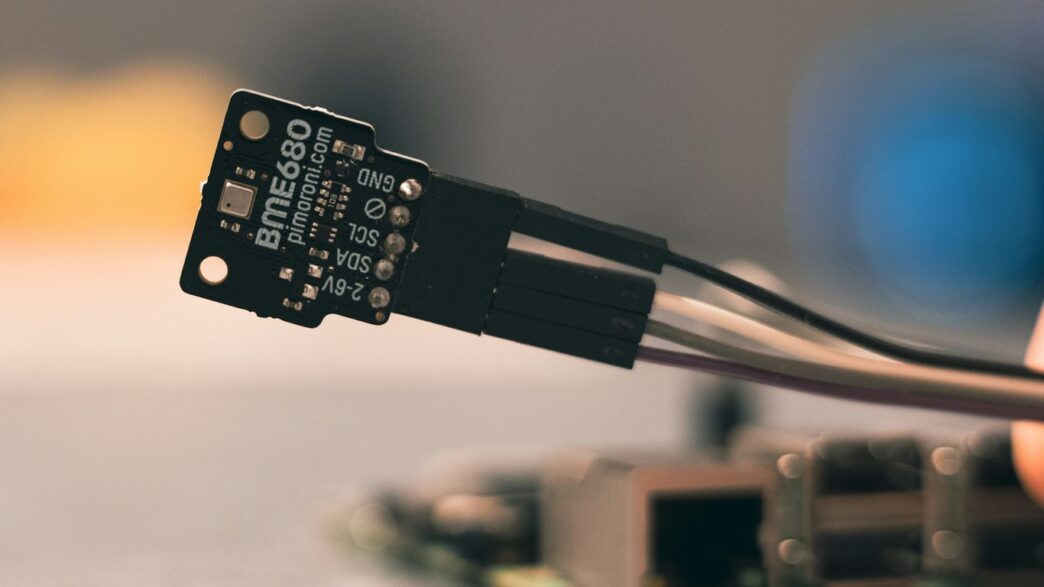
At the very heart of IoT are the "things" themselves. These are the physical objects that have been given a digital voice. We’re talking about everything from your smart thermostat and connected fridge to industrial sensors monitoring machinery or even tiny sensors on a farm tracking soil conditions. These devices are packed with sensors – little bits of tech that can detect things like temperature, motion, light, or pressure. They’re the eyes and ears of the IoT, gathering raw information from the world around them. Without these sensors and devices, there’s nothing to collect the data in the first place.
Connectivity And Data Transmission
Once a sensor has collected some information, it needs to send it somewhere. That’s where connectivity comes in. This is the bridge that connects the physical device to the digital world. It can happen in a few ways:
- Wi-Fi: Great for home networks, offering good speed.
- Bluetooth: Useful for short-range communication, like connecting your phone to a smart speaker.
- Cellular Networks: For devices that need to communicate over longer distances, like a connected car.
- Low-Power Wide-Area Networks (LPWAN): These are designed for devices that send small amounts of data infrequently and need to last a long time on battery power, common in industrial or agricultural settings.
Often, a device called an "IoT gateway" acts as a central point, collecting data from multiple devices and then sending it on to the next stage.
Data Processing And User Interface
Now, all that data collected by the sensors and sent through the network needs to be understood. This is where data processing happens, usually in the cloud. Software analyzes the information. It might be a simple check, like "is the temperature too high?" or something much more complex, like using artificial intelligence to spot patterns in factory machine performance. Finally, this processed information is presented to you, the user, through an interface. This could be a smartphone app that lets you adjust your lights, a website dashboard showing energy usage, or an alert telling you a machine needs maintenance. It’s how we interact with and make use of all the data the IoT ecosystem is gathering.
Wrapping It Up
So, we’ve looked at how the Internet of Things is changing things, making our lives easier and businesses run smoother. From smart homes that adjust themselves to factories that can predict problems before they happen, the upsides are pretty clear. But, like anything new, it’s not all perfect. We also talked about the real worries, like keeping our personal information safe and making sure all these different gadgets can actually talk to each other. It’s a technology that’s still growing, and figuring out how to handle these challenges is key to making sure it works for everyone. The journey with IoT is just getting started, and how we move forward will really shape what our connected future looks like.
Frequently Asked Questions
What exactly is the Internet of Things (IoT)?
Think of the Internet of Things, or IoT, as a giant network where everyday objects can connect to the internet and talk to each other. These aren’t just computers or phones; it can be anything from your fridge to a factory machine, all sharing information.
What are the main good things about using IoT?
IoT is great because it can do tasks automatically, saving us time and making things run smoother. It also helps us make better choices by giving us real-time information, and it can make our lives more comfortable and personalized.
Are there any bad sides to IoT?
Yes, there are. Since so many devices are connected, they can be targets for hackers, creating security risks. Also, all the data collected can make people worry about their privacy. Sometimes, these systems can also be complicated to manage.
How does IoT help save time and resources?
IoT helps by making things more efficient. For example, smart factories can predict when machines need fixing before they break, saving money and stopping work delays. At home, it can help save energy by turning off things you’re not using.
Does IoT affect our daily lives?
Absolutely! In our homes, IoT makes things convenient, like controlling lights or heating with our phones. In healthcare, devices can keep an eye on our health, and in general, it can make things safer with better security systems.
What are the biggest problems when setting up IoT?
Setting up IoT can be tricky. You need a good internet connection, and sometimes the cost to get started can be high. Also, making sure devices from different brands can all work together smoothly can be a challenge.